“How far can a drone fly?” sounds like a question with one number as the answer. It is not. The box says one thing, the radio link says another, the battery says a third, and the law says a fourth — and the smallest of the four is the range you actually get. A current flagship drone is rated at 12 to 19 miles (20 to 30 km) under FCC rules, yet most pilots lose signal at one to two and a half miles in a suburb, run out of battery on the way home at four to six miles, and must keep the aircraft in sight at roughly a third of a mile. This guide separates those four numbers, compares the four most-bought DJI models rated versus real, works the battery maths, and ends with a diagnostic that tells you which limit is binding.
Rated Range vs Real Range: What the Box Number Means

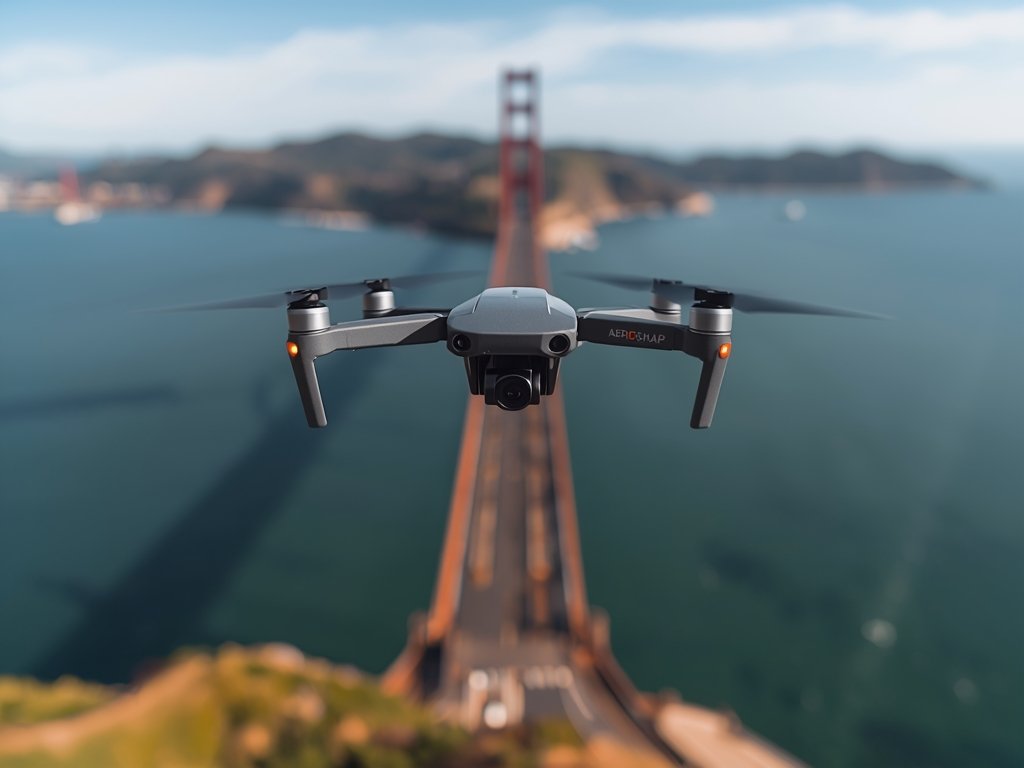
The range on a product page is a transmission range measured in ideal conditions: an open field, a clear line of sight, no other radio traffic. DJI publishes two versions of it. The FCC figure applies in the United States and the CE figure in Europe, and they differ by roughly 30 to 50 percent because European rules cap transmitter power lower — the same drone rated at 20 km under FCC rules is rated at 10 km under CE rules. Neither figure is a lie, and neither is a promise: they describe what the radio link can do when nothing is in the way — almost never the situation you fly in.
Two more traps hide inside the headline number. First, the published range is one-way and non-return: the distance at which the link can still hold, not the distance you can fly out and come back from. Second, it is a radio test, not a flight test — the aircraft is not covering that distance at speed, in wind, while filming. Treat the box number as the ceiling of the radio system, not a flight plan. Our guide to long flight time drones covers the battery side of the same problem in depth.
The Four Models, Rated vs Real
The comparison below gives the rated transmission range for the four models most pilots actually buy, alongside what to expect in a built-up area and what the battery allows on a round trip. The rated figures are DJI’s FCC numbers; the real-world figures are typical suburban signal ranges from 2026 roundups, and the battery figures follow our endurance guide’s translation — expect roughly 70 to 80 percent of rated flight time, and plan to land with 25 to 30 percent remaining.
The pattern is the same for every model, and it is the point of the table: the rated number is three to ten times the usable number. The Mini 4 Pro is rated at about 12 miles (20 km) under FCC rules and about 6 miles (10 km) under CE rules, yet in a suburb its signal typically holds for one to two miles, and its 34-minute standard battery sets a round-trip ceiling of roughly four to five miles. The Mini 5 Pro is rated at 10 to 20 km in open conditions, but DJI’s own figures show that dropping to roughly 0.7 to 4.5 km once buildings and trees obstruct the link. The Air 3S, rated at about 12 miles (20 km) FCC, behaves the same way: one to two and a half miles of reliable suburban signal, and a round-trip battery ceiling of about five to six miles from its 45-minute rating. The Mavic 4 Pro tops the rated chart at up to about 19 miles (30 km) FCC, yet its suburban signal and battery round trip match the Air 3S — a bigger rated number does not buy a proportionally bigger real flight, because the signal and the battery are doing the limiting. Full specifications for the smallest model in the table are on the DJI Mini 4 Pro specifications page.
The Battery Maths: Why the Return Trip Halves Your Range
Range is a round trip, and the maths punishes anyone who forgets it. Take the Mini 4 Pro on its standard battery, rated at 34 minutes. In mixed conditions expect roughly 70 to 80 percent of that, about 24 to 27 minutes. Plan to land with 25 to 30 percent remaining — about 10 minutes of reserve — and the time you can spend going somewhere is roughly 14 to 17 minutes. Half of that is the outward leg, so you have about seven or eight minutes outward. At an efficient cruise of around 12 metres per second, roughly 27 mph, that is about five to six kilometres out — and that is before wind.
Now add a headwind on the way home, which is the scenario that catches pilots. A 15 mph headwind on the return leg can cut your ground speed by a third or more, so eight minutes home becomes twelve, and the reserve evaporates. This is why the battery round-trip ceiling for most consumer drones sits at four to six miles even when the radio could go further. The practical rule: never plan an outward leg longer than a third of your usable flight time, and treat the low-battery return-to-home threshold as a setting to raise on distant work, not a nuisance to lower. Our drone battery care guide explains how pack age and storage eat into these numbers over a season.
Signal: The First Wall You Hit

In practice, most pilots meet the signal wall before the battery wall. The radio link needs a clear line of sight, and everything between you and the drone costs range: houses, trees, hills, and other radio traffic. In an open field the link holds for miles. In a suburb, with houses and Wi-Fi networks competing on the same bands, reliable range typically falls to one to two and a half miles. In a dense city it can fall below a mile. The Mini 5 Pro figures above — 10 to 20 km open, 0.7 to 4.5 km obstructed — are the honest version: the same aircraft, the same radio, a fivefold difference depending on what sits between you and it.
Altitude helps, up to a point: climbing a few dozen metres clears rooftops and trees and restores much of the lost range, which is one reason pilots who fly from a hilltop report far better range than pilots in a valley. But altitude is capped at 400 feet above ground level, and the gain flattens once the line of sight is clear. Interference is the other variable: near a stadium, a festival, or a dense housing estate, hundreds of Wi-Fi routers compete on the same 2.4 and 5.8 GHz bands, and the link degrades before the distance does. If your video feed stutters while the drone is still close, you are looking at interference, not distance — change position or frequency band. Our drone weather checks guide covers the wind and visibility side of the same pre-flight judgement.
The Law: VLOS Binds Before the Battery Does
For most pilots, the binding limit is not the radio or the battery at all — it is the law. In the United States, both recreational and Part 107 pilots must keep the drone within visual line of sight (VLOS): you must be able to see the aircraft with your own eyes and know its orientation and position. For a small drone against a bright sky, that is roughly 500 metres — about a third of a mile — for most people, and less in haze. Every number in this guide larger than that is a number you may not legally use, however capable the aircraft is.
The rules behind that limit are straightforward. Recreational pilots must pass the free TRUST test before flying, whatever the size of the drone, and drones of 250 g or more must be registered; any commercial use requires a Part 107 certificate and registration regardless of weight. The 400-foot altitude ceiling is covered in our guide to how high a drone can legally fly, the vertical companion to this article: altitude and range are the same question in two directions, and the same VLOS rule answers both. The FAA’s own summary is on the FAA recreational flyer page. Note that visual observers and first-person-view goggles do not extend your legal range unless you fly under a Part 107 operation with a proper visual observer arrangement — flying two miles out on the video feed alone is not VLOS.
What Actually Limits YOU: The Diagnostic
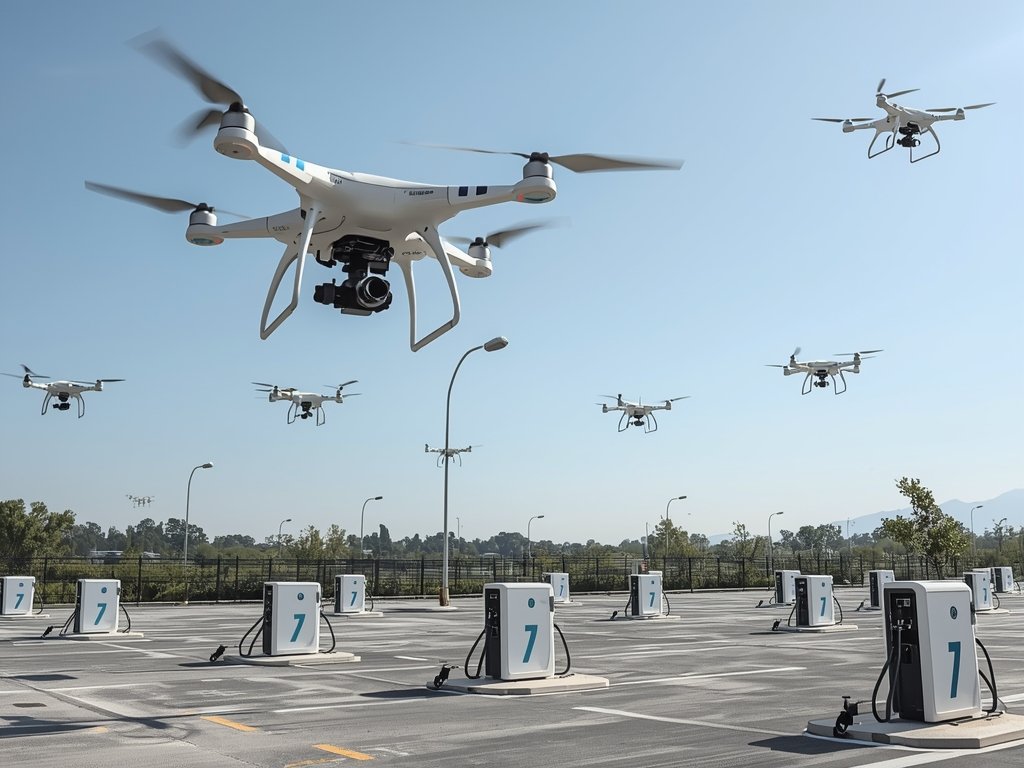
When a flight comes up short, the fix depends on which wall you hit, and the symptoms differ. If the video feed breaks up and the controller warns of weak signal while the battery is still above 50 percent, signal is your limit: you are flying behind obstructions or through interference, and the cure is height, position, or a clearer line of sight — not a bigger battery. If the link holds but the low-battery warning comes on before you have covered the planned distance, the battery is your limit: the outward leg was too long, you flew into a headwind, or the pack is old. If you lose sight of the aircraft while link and battery are both fine, the law is your limit: you have flown beyond VLOS, and no equipment upgrade changes that.
Work through the three in order before every long flight: can I see it, can the radio hold it, can the battery bring it home. A pilot who buys a range-extending antenna to fix a battery problem has spent money on the wrong wall, and a pilot who buys a bigger battery to fix a VLOS problem has spent money on a limit the law sets, not the aircraft. Log your own numbers — distance, signal strength, battery on return — for a few flights, and your fleet’s real range will replace the internet’s within a month.
How to Fly Farther Without Breaking the Rules
Within the legal limits, there are honest ways to get more out of the range you have. Fly from high ground with a clear line of sight, and keep the aircraft up where the signal clears rooftops rather than skimming along behind them. Point the controller’s antennas correctly — flat side toward the aircraft, not the tips — because antenna orientation is worth more range than any accessory. Fly the efficient cruise band rather than hovering or sprinting: a moderate, steady speed covers more ground per minute of battery than either extreme. Plan the route so the return leg has a tailwind, and set the return-to-home altitude high enough to clear obstacles on the way back.
What does not work is worth saying plainly. Third-party signal boosters and modified antennas sit in a grey area with FCC equipment rules and can make the link worse rather than better. Flying beyond visual line of sight on the strength of the video feed is not a technique, it is a violation, and it is also how aircraft get lost: our drone flyaway guide explains how a link loss at distance turns into a lost aircraft, and the longer the distance, the worse the outcome.
Frequently Asked Questions
What is the longest range of any consumer drone? The DJI Mavic 4 Pro is rated at up to about 19 miles (30 km) of transmission range under FCC rules, the highest of any current consumer drone. That is a radio figure in ideal conditions, not a usable flight distance: suburban signal, battery round trip, and the visual-line-of-sight rule all bind far earlier — one to two and a half miles, four to six miles, and about a third of a mile.
Can I fly my drone two miles away? The radio and the battery can often do it, but the law usually cannot. In the United States you must keep the drone within visual line of sight, roughly 500 metres for a small drone. Flying two miles out on the video feed alone breaks that rule, even if the link holds perfectly.
Why does my drone lose signal at less than a mile? Almost always obstructions or interference: houses, trees, hills, or competing Wi-Fi on the same bands. Climb higher to clear the obstructions and move to a position with a clear line of sight. If the signal drops while the drone is still close and low, it is interference, not distance.
Does the CE range limit apply to me? Only if you fly in Europe. The same drone is rated lower under CE rules because European transmitter-power limits are stricter; in the United States the FCC figure applies. The difference is a reminder that the rated number is a regulatory figure, not a property of the aircraft alone.
Will a bigger battery double my range? No. A bigger battery adds weight the motors must lift, so the range gain is always less than the capacity gain, and the signal and legal limits do not move. The Mini 5 Pro’s Plus battery is the clearest example: it extends flight time past 50 rated minutes but pushes take-off weight past 250 g, switching registration on. Range is a system of four limits, and improving one does not move the other three.
Join Our Pilot Community
Connect with fellow drone enthusiasts, share your aerial shots, and get access to free PDF ebook guides.