How high can a drone legally fly? In the United States, the answer most pilots give is 400 feet — and for most flights, that is the right answer. But the full rule has exceptions, and the exceptions matter: there are situations where you can legally fly higher, situations where the limit is lower, and situations where the height is measured differently than you expect. This guide explains the US rules as they stand in 2026, for both recreational and Part 107 pilots, and the practical reasons the limits exist.
One thing to know first: the limit is about safety, not about stopping you from getting a good shot. Manned aircraft fly low more often than people think — helicopters, crop dusters, and aircraft on approach to an airport can all be below 500 feet — and the 400-foot limit exists to keep a separation between them and your drone. That is the reason behind every part of the rule.
The Short Answer: 400 Feet Above Ground Level
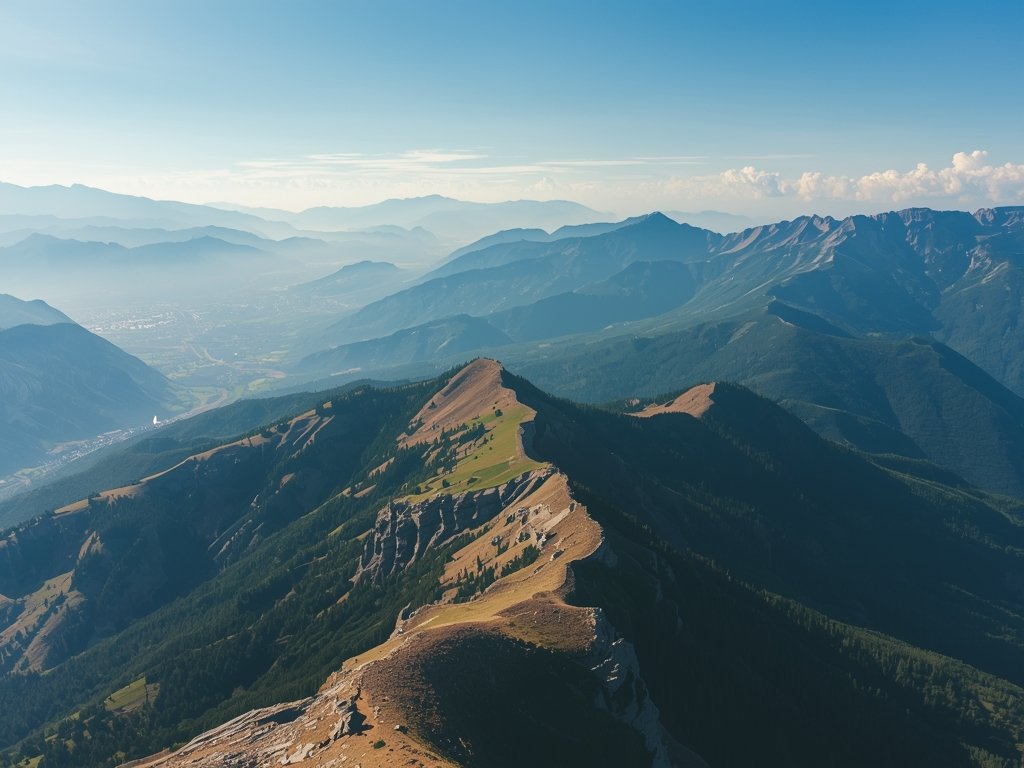
The basic rule is the same for recreational and Part 107 pilots: a drone must not fly higher than 400 feet above ground level, usually written as 400 feet AGL. That is the height above the ground directly below the drone — not above sea level, and not above the takeoff point. If you take off from a hill and fly out over a valley, the ground below the drone drops away, and the 400 feet is measured from that lower ground, not from where you launched.

The distinction matters more than it sounds. A drone that takes off from a clifftop and flies out over the sea is still limited to 400 feet above the sea, even though it may be hundreds of feet below the takeoff point. And a drone flying over a tall building is limited to 400 feet above the ground, not 400 feet above the roof — the building does not raise the limit, except in the one case the rules allow, which is explained below.
The 400-foot limit applies in uncontrolled airspace. In controlled airspace — near airports, for example — the limit can be lower, and it is set by the authorisation you receive. That is why checking the airspace before you fly matters: the limit for your location may not be 400 feet at all.
The Structure Exception: 400 Feet Above a Structure
There is one important exception to the 400-foot rule. A Part 107 pilot may fly up to 400 feet above a structure, provided the drone stays within 400 feet horizontally of that structure. So a pilot inspecting a 300-foot tower may legally fly at 700 feet above the ground — 400 feet above the top of the tower — as long as the drone stays close to the tower.

The exception exists for inspection work: a pilot needs to be above a tall structure to photograph its top, and the rule allows it. But the conditions are strict. The drone must stay within a 400-foot radius of the structure, and the pilot must have the authorisation to be in that airspace. Flying 400 feet above a structure in controlled airspace still needs the right authorisation — the exception does not override the airspace rules.
Recreational pilots do not get this exception. The structure rule is a Part 107 provision, and a recreational pilot flying for fun is limited to 400 feet above ground level regardless of what is nearby. That is one of the practical differences between recreational and commercial flying, and one of the reasons many regular pilots take the Part 107 test even when they do not fly for money.
When the Limit Is Lower Than 400 Feet
The 400-foot limit is a maximum, not a guarantee. In controlled airspace, the limit is whatever the authorisation says — and near airports it is often much lower. In some areas the limit is zero, meaning no drone flight at all without a specific authorisation. The airspace around an airport is divided into a grid, and each square of the grid has its own maximum altitude, which can range from the surface up to 400 feet.

That is why the airspace check is not optional. A pilot who takes off in controlled airspace without checking may be flying illegally from the first second, even at 50 feet. Our guide to how to check airspace before you fly explains how to do it, and the FAA’s drone pages link to the tools you need.
There are also places where the limit is effectively lower because of the other rules. You must keep the drone in visual line of sight, and at 400 feet a small drone is hard to see — in practice, many pilots fly lower than the limit simply because they cannot see the aircraft clearly at the top of it. And you must give way to manned aircraft, which means descending immediately if one appears, whatever altitude you are at.
How Height Is Actually Measured
The height a drone reports is not always the height the rule means. Most drones measure altitude from the takeoff point — the height above where they launched. That is a useful number for flying, but it is not the legal measure. The legal measure is the height above the ground directly below the drone, and the two can be very different when the ground is not flat.
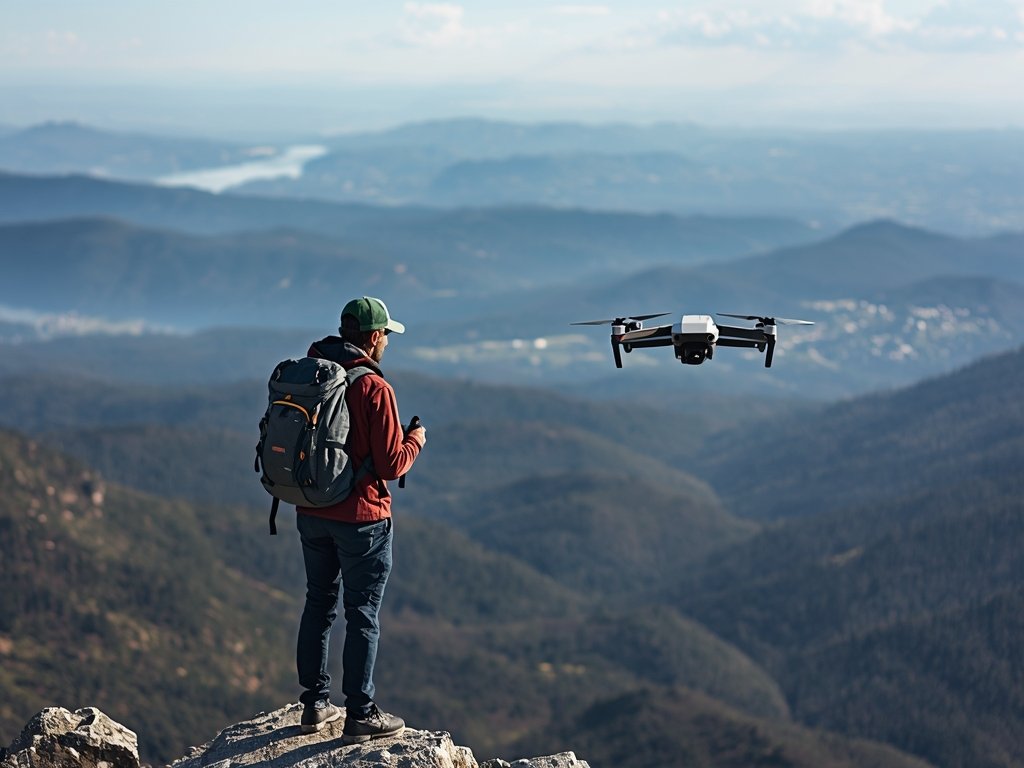
Consider a pilot who takes off from a valley floor and flies up the side of a hill. The drone’s altimeter may read 100 feet, because it has climbed 100 feet from the takeoff point — but if the hillside below it has risen by 200 feet, the drone is actually below the ground level of the hill, and it is nowhere near the 400-foot limit. The opposite is also true: a drone that takes off from a hilltop and flies out over flat ground may read 50 feet on the altimeter while it is actually 400 feet above the ground below it.
The practical rule is to use the altimeter as a guide and your judgement as the limit. If you are flying over changing terrain, keep the drone well below the reported 400 feet, and remember that the ground below the drone is what counts. A drone’s obstacle sensors and its return-to-home altitude are also set relative to the takeoff point, so they need the same care: a return-to-home altitude of 100 feet is 100 feet above the launch point, and it may not clear a hill between the drone and home.
What Happens If You Fly Higher
Flying above the limit is a violation of the rules, and the consequences depend on the circumstances. For a recreational pilot, it can mean a warning, a fine, or the loss of the drone. For a Part 107 pilot, it can mean enforcement action against the certificate — and the loss of the ability to fly commercially. In the worst cases, where a drone interferes with manned aircraft, the consequences are criminal, not administrative.
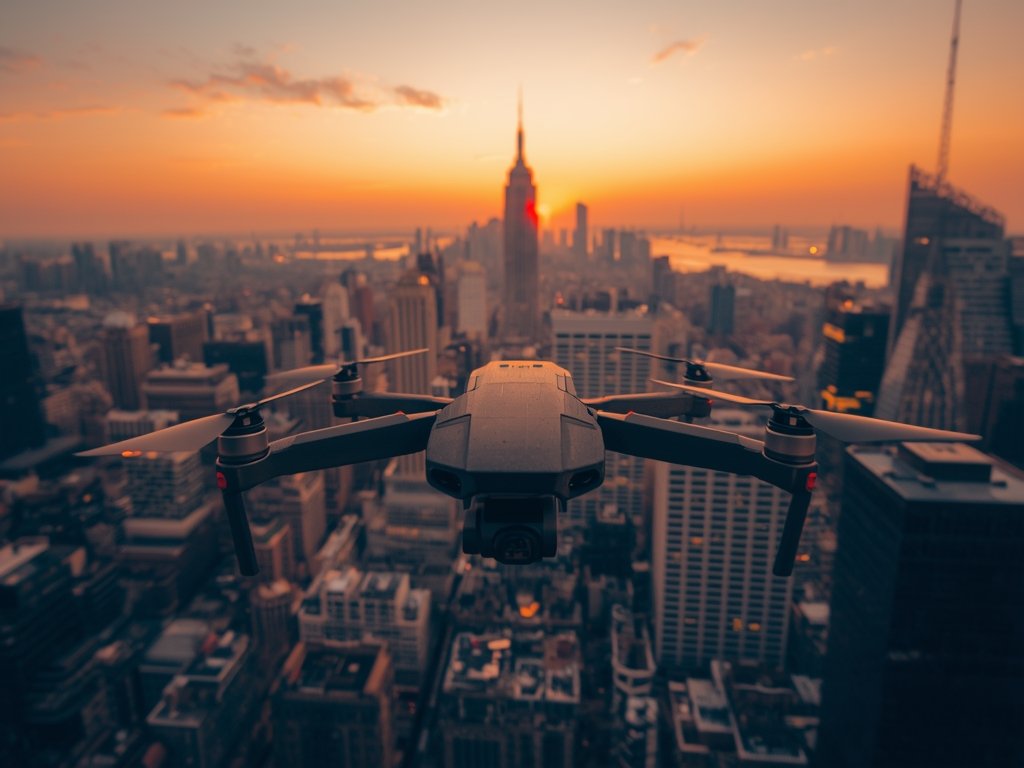
But the practical risk is bigger than the legal one. Above 400 feet, the drone is in airspace where manned aircraft fly, and a small drone is effectively invisible to a pilot in a helicopter or a light aircraft. The drone’s pilot cannot see the aircraft coming, and the aircraft’s pilot cannot see the drone. That is the real reason for the limit, and the reason it is worth respecting even when nobody is watching.
There is also a technical risk. At higher altitudes the wind is stronger, the temperature is lower, and the battery drains faster. A drone that is comfortable at 200 feet may struggle at 400 feet in wind, and the return journey against a headwind can cost more battery than the outward flight. Fly within the limit, and fly with a margin — the limit is a ceiling, not a target.
How High Can Drones Actually Fly?
The legal limit and the physical limit are very different things. Most consumer drones are software-limited to around 400 to 500 metres above the takeoff point — well above the legal limit — and some can be flown higher still. The aircraft itself is capable of far more than the law allows, which is why the limit is a matter of discipline, not of capability.

That capability is also why the rules matter. A drone that can reach 1,000 feet in a minute is a drone that can be in manned airspace before its pilot has thought about it. The height limit is set in software on some drones, and it can be changed — but changing it to fly above the legal limit is not a clever workaround, it is a violation. Leave the software limit where it is, and treat it as a safety net rather than a challenge.
For the full picture of the rules that apply when you fly — registration, the TRUST test, and the weight limits — see our guide to whether you need a license under 250 grams and our TRUST certificate guide.
FAQ
Is the limit 400 feet above sea level or above the ground?
Above the ground directly below the drone — 400 feet AGL. The height above sea level is irrelevant, and the height above the takeoff point is only a guide.
Can I fly higher than 400 feet if there are no planes around?
No. The limit applies whether or not you can see any aircraft. The absence of traffic does not change the rule.
Does the 400-foot limit apply to sub-250g drones?
Yes. The altitude limit applies to all drones, whatever they weigh. A small drone at 500 feet is just as much a hazard to a helicopter as a large one.
What about flying over a tall building?
Part 107 pilots may fly up to 400 feet above a structure, staying within 400 feet of it horizontally. Recreational pilots may not — their limit is 400 feet above the ground, regardless of nearby structures.
Join Our Pilot Community
Connect with fellow drone enthusiasts, share your aerial shots, and get access to free PDF ebook guides.