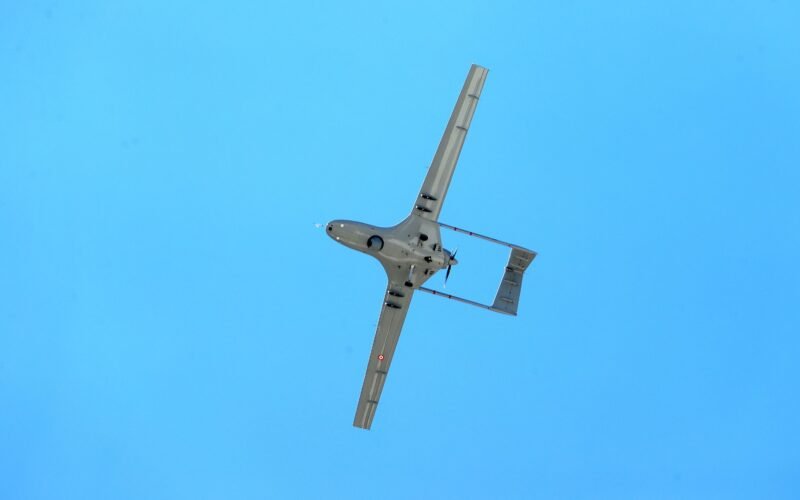
Britain’s Royal Air Force is moving aircraft to hangars and shelters at night to protect them from possible drone threats, The Times newspaper and Sky News reported on Wednesday 25 November, according to Reuters. Troops are also putting up Kevlar anti-drone nets, like those used in Ukraine, around jets left in the open, according to Defence Blog, reporting the same two outlets. Neither outlet named its sources, and the Ministry of Defence did not immediately comment. This is an unconfirmed report, not a confirmed fact — and this article says so throughout, because the distinction is the story.
That caution matters, because the story is already being repeated as if the moves were confirmed. They are not. What is confirmed is that two British news organisations, The Times and Sky News, both reported the measures on the same day, both without citing sources, and that the Ministry of Defence did not immediately respond to a request for comment. What is not confirmed is whether the moves are happening, at which bases, or on whose orders. The Times’ Larisa Brown reported that RAF personnel “stationed across the country” are moving aircraft under cover at night, according to Defence Blog, and Sky News’ Deborah Haynes reported the same moves — but neither outlet named the bases involved, and neither source used for this article names them either. This article does not name bases for the current moves, because the sources do not.
The reports came after Britain’s defence ministry and domestic spy agency MI5 issued a warning on Tuesday about an increased sabotage threat from Russia, and after apparent Iran-linked incidents at military bases in Britain, Reuters reported. That context is the reason the reports are being taken seriously even though they are unconfirmed: the warning, the incidents, and the recent drone activity at RAF Lakenheath together form a pattern that makes the reported hangar moves plausible. Plausible is not the same as confirmed, and this article holds the two apart. The rest of it sets out what the reports say, what happened at the bases in the weeks before, and what the moves would mean if they are real.
The UK is also a central player in the drone war in Ukraine, and the measures reported here borrow directly from it. The Kevlar anti-drone nets the reports describe are, in the reports’ own words, like those used in Ukraine, and Britain has agreed to help build Ukrainian strike drones, as covered in our report on the UK to build Ukrainian strike drones in Britain. The tactics crossing the Channel in both directions — Ukrainian nets protecting British jets, British factories building Ukrainian drones — are part of the same war, fought at different distances.
What The Times and Sky News Reported
Britain’s Royal Air Force is moving aircraft to hangars and shelters at night to protect them from possible drone threats, British media reported on Wednesday, Reuters reported. The Times newspaper and Sky News, which both reported the measures without citing sources, said it also included plans to use anti-drone netting to protect exposed aircraft. The Ministry of Defence did not immediately respond to a request for comment on the reports. That is the whole of the Reuters report: two outlets, the same measures, no named sources, no MoD comment.
Defence Blog’s report, published the same day, adds the detail that the troops are putting up Kevlar anti-drone nets, like those used in Ukraine, around jets that have to stay in the open. The Times’ Larisa Brown reported that RAF personnel “stationed across the country” are moving aircraft under cover at night, according to Defence Blog. Sky News’ Deborah Haynes reported the same moves. Neither outlet named its sources, and the Ministry of Defence did not immediately comment. The phrase “stationed across the country” is the only geographical clue in the reports: the moves, if they are happening, are not confined to one base, but are taking place at RAF stations across Britain. No base is named for the current moves in either source.
The reports also said troops are putting up Kevlar anti-drone nets, like those used in Ukraine, around jets left in the open. That detail is worth pausing on, because it tells us something about the threat the reports describe. A net is not a weapon against a single drone: it is a passive defence against a drone that drops something, or flies into something, or detonates above an aircraft. The nets used in Ukraine are strung over trenches, vehicles and aircraft to catch or deflect small drones and their munitions. If British troops are putting them up around jets, the threat they are guarding against is a small drone dropping a munition onto an exposed aircraft — a cheap attack against an expensive target, carried out at night, by an aircraft that costs a fraction of the jet it is attacking.
The timing of the reports is also significant. They came on Wednesday 25 November, the day after the MoD and MI5 warning, and less than two weeks after the suspected drone activity at RAF Lakenheath on 13 November. The reports did not appear in a vacuum: they appeared after a warning, after an incident, and after weeks of security alerts at bases in England used by the US Air Force. That context does not confirm the reports, but it explains why they were published when they were, and why they were taken seriously.
The Warning That Came the Day Before

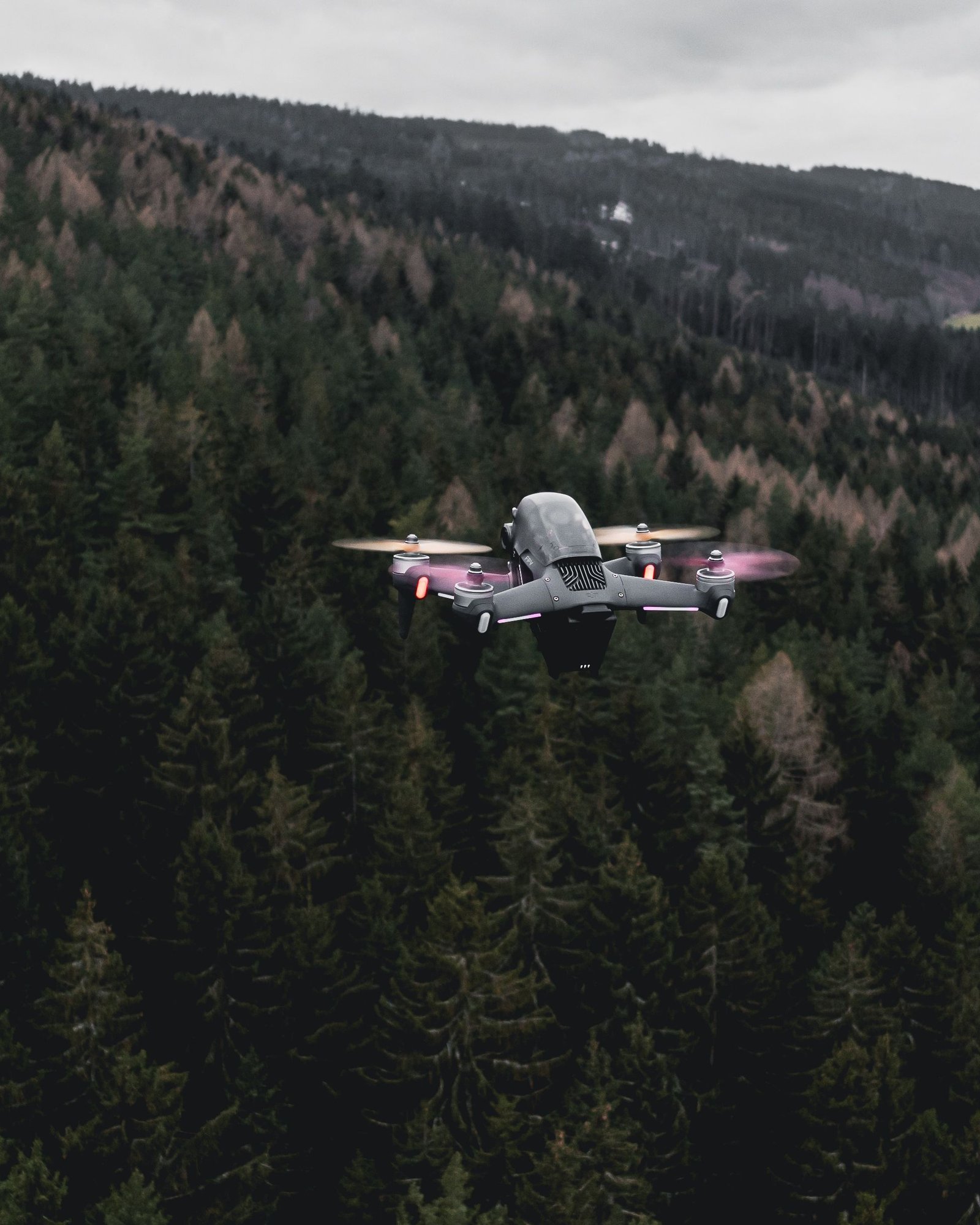
The reports came after Britain’s defence ministry and domestic spy agency MI5 issued a warning on Tuesday about an increased sabotage threat from Russia, Reuters reported. Defence Blog added a detail Reuters did not carry: on Tuesday, Britain’s Defence Ministry and the MI5 security service warned companies that directly support Ukraine’s military of an increased sabotage threat from Russia. The warning was aimed at the defence supply chain — the companies that build, maintain and supply the equipment Ukraine uses — rather than at the general public, and it was about sabotage, not specifically about drones. But it was issued the day before the hangar reports, and the two are connected in the reporting: a raised sabotage threat, followed by reports of aircraft being moved under cover.
The warning also came after apparent Iran-linked incidents at military bases in Britain, Reuters reported. That phrase — “apparent Iran-linked incidents” — covers two episodes described in the sources: the suspected drone activity at RAF Lakenheath on 13 November, and the arrests near RAF Fairford in September, which British counterterrorism police said was “highly likely” to involve Iran. The warning, the incidents and the hangar reports are three separate things, and they should not be merged into a single claim. The warning was about sabotage from Russia. The incidents were, according to the authorities, linked to Iran. The hangar moves are about possible drone threats, from an unnamed source. The three overlap in time, and they overlap in the sense that all three concern the security of British military bases — but they are not the same threat, and this article does not present them as one.
The distinction between the Russian sabotage warning and the Iran-linked incidents matters for another reason. If the hangar moves are a response to the Russian warning, they are about protecting aircraft from sabotage, including drone sabotage, by Russian agents or proxies. If they are a response to the Iran-linked incidents, they are about protecting aircraft from Iranian-linked drone activity. The reports do not say which, and the sources do not resolve it. The most that can be said is that the RAF is reported to be moving aircraft under cover at a moment when both threats are in the news, and the MoD has not said which threat, if either, prompted the moves.
For readers of a drone site, the warning is also a reminder that the threat to military bases is no longer only about aircraft in the sky. Sabotage, in the MoD and MI5 warning, covers a range of activities — physical attacks, cyber attacks, and drone attacks — and the hangar moves, if real, are a response to the drone end of that range. A drone that drops a munition onto a parked jet is a form of sabotage, and a net over the jet is a form of protection against it. The warning and the reported moves belong to the same conversation, even if they are not the same event.
RAF Lakenheath: The Incident That Preceded the Reports
Earlier this month, US Air Force Security Forces at RAF Lakenheath in Suffolk responded to “suspected unauthorized drone activity” on 13 November, according to Defence Blog, and no personnel, aircraft or infrastructure were affected. Reuters reported the same incident in slightly different words: earlier this month, US Air Force personnel responded to “suspected unauthorised drone activity” at the RAF Lakenheath base, just days after the US had removed refuelling aircraft from another airbase to RAF Lakenheath. That last detail — refuelling aircraft moved to Lakenheath from another base, days before the suspected drone activity — is the Reuters account, and it is the version this article uses.
A former British Army pilot later said three light aircraft he was flying with may have set off the alert, according to Defence Blog. That is an important caveat, and it is one that the reporting itself carries: the “suspected unauthorised drone activity” at Lakenheath may not have been a drone at all. Three light aircraft, flying together, could have been mistaken for drones by a sensor or an observer — and a former Army pilot said that is what may have happened. The incident is therefore not a confirmed drone intrusion. It is a suspected one, with a plausible non-drone explanation, and no personnel, aircraft or infrastructure were affected either way.
That uncertainty does not make the incident unimportant. Whether the alert was triggered by a drone or by light aircraft, it showed that the security forces at Lakenheath are on alert for drone activity, that they respond to it, and that the response is taken seriously enough to be reported. It also showed that the identification problem — telling a drone from a light aircraft, or from a bird, or from a false alarm — is real and unresolved. A counter-drone system that cannot tell a light aircraft from a drone will generate false alarms, and false alarms will be reported as suspected drone activity. That is a problem for the bases, and it is a problem for the reporting.
The Lakenheath incident also fits a longer pattern. Drones have dogged US-operated bases in eastern England before, according to Defence Blog. In November 2024, groups of up to 20 drones appeared over RAF Mildenhall, Lakenheath and Feltwell for several nights, and Britain sent about 60 troops to help defend the installations. That was a confirmed, multi-night, multi-base event, with groups of up to 20 drones — a very different thing from a single suspected incident that may have been light aircraft. The 2024 event is the precedent that makes the current reports plausible: drones have appeared over these bases before, in numbers, for several nights, and the response then was to send troops. The response now, if the reports are true, is to move aircraft under cover.
RAF Fairford and the Iran-Linked Incidents


Last month, US President Donald Trump said a threat linked to Iran had prompted the removal of American B-1 bombers from RAF Fairford after an incident in September, Reuters reported. Five men were arrested near Fairford after reports of suspicious activity around the base, an incident authorities say may have been linked to Iran. Defence Blog added that British counterterrorism police said it was “highly likely” Iran was involved, and the US Air Force’s B-1 bombers later left the base. Those are the facts as reported: an incident in September, five arrests, a “highly likely” Iranian link according to counterterrorism police, and the departure of the B-1 bombers.
The Fairford incident is different from Lakenheath in an important way. At Lakenheath, the suspected activity was a drone, or possibly light aircraft, and nothing was affected. At Fairford, the incident was suspicious activity around the base — five men arrested — and the link was to Iran, according to counterterrorism police, not to a drone. The two incidents are not the same kind of event, and they should not be conflated. What connects them is the pattern: two US-operated bases in England, two security incidents within weeks of each other, both with a possible foreign link, and both followed by a visible change — bombers leaving one base, suspected drone activity at the other.
The departure of the B-1 bombers from Fairford is also a measure of how seriously the US Air Force took the incident. B-1 bombers are strategic aircraft, and moving them is not a trivial decision. The fact that they left after the September incident, and that the President himself linked their removal to an Iranian threat, shows the incident was treated as a real security concern at the highest level. The bombers’ departure is also the reason lawmakers called this month for more hardened aircraft shelters, according to Defence Blog — a call that connects directly to the hangar moves reported on 25 November.
Hardened aircraft shelters are reinforced concrete and steel hangars built to protect jets from bombs and, increasingly, drones, according to Defence Blog. Only a handful of British bases have them, and lawmakers called this month for more after US bombers were pulled out of RAF Fairford. That is the infrastructure behind the story: Britain has few hardened shelters, the ones it has are at a handful of bases, and the call for more came after the Fairford incident. If the RAF is moving aircraft into hangars and shelters at night, it is doing so with a limited number of shelters to move them into — which is why the reports also mention Kevlar nets for the jets that have to stay in the open. The nets are the fallback for the aircraft that cannot be sheltered.
The Kevlar Nets: Protection for Jets Left in the Open
Troops are reportedly putting up Kevlar anti-drone nets, like those used in Ukraine, around jets left in the open, according to the reports carried by Defence Blog. The nets are the second half of the reported measures, and they deserve attention of their own, because they are the measure that applies to the aircraft that cannot be moved under cover. A hangar protects the aircraft inside it; a net protects the aircraft that has to stay outside. Together, the two measures cover the whole flight line: the sheltered jets and the exposed ones.
The comparison with Ukraine is explicit in the reports, and it is the reason the nets are Kevlar rather than ordinary netting. In Ukraine, Kevlar nets are strung over trenches, vehicles and aircraft to catch or deflect small drones and their munitions, and the material is chosen because it is strong enough to stop or slow a falling munition while remaining light enough to be put up quickly by troops in the field. The reports say the nets being put up around British jets are like those used in Ukraine, which means the RAF is reported to be adopting a battlefield expedient, developed under fire, for use at home. That is a notable transfer of tactics: a measure invented to protect Ukrainian positions is now, reportedly, protecting British aircraft.
The nets also reveal the scale of the shelter shortage. Only a handful of British bases have hardened aircraft shelters, according to Defence Blog, and the shelters that exist are reinforced concrete and steel hangars. If every jet at a base could be moved into a shelter, there would be no need for nets. The fact that the reports describe both measures — aircraft moved under cover, and nets put up around the jets left in the open — shows that the shelters are not enough for the aircraft on the base, and that the RAF is reported to be protecting the remainder with the cheapest available cover. The nets are not a substitute for a shelter; they are what you use when the shelters are full.
The parliamentary call for more shelters, made this month after the B-1 bombers were pulled out of RAF Fairford, is the longer-term answer to the same shortage. Lawmakers called for more hardened aircraft shelters, according to Defence Blog, and that call is now part of the public record alongside the reported hangar moves. Whether the call leads to funding, and how long new shelters would take to build, is not stated in the sources, and this article does not speculate. What can be said is that the reported moves, the nets, and the call for more shelters are three responses to the same problem — too few protected places to put aircraft — at three different timescales: tonight, this week, and the coming years.
What the Moves Would Mean If They Are Real


If the reports are true, the moves are a sensible precaution, not a sign of panic. Moving aircraft under cover at night, when they are not flying and are most vulnerable, is a low-cost way to reduce the risk from a cheap drone attack. A jet parked in the open is an easy target for a small drone carrying a munition; the same jet inside a hardened shelter is not. The Kevlar nets are the same logic applied to the aircraft that cannot be sheltered: a net strung over a jet will catch or deflect a small drone or its munition, and it costs far less than the aircraft it protects. Both measures are passive, cheap, and borrowed from Ukraine, where they have been used for two years.
The measures also say something about the threat. A drone attack on a parked aircraft is not a sophisticated operation: it needs a small drone, a small munition, and a pilot or an autonomous flight plan that can find the base. The defences against it are equally unsophisticated: a roof, a net, and a darkened ramp. The fact that the RAF is reported to be using those defences suggests the threat is assessed as real but low-tech — a small drone, not a missile, and a munition, not a bomb. That is consistent with the incidents described in the sources: small groups of drones over bases, suspected drone activity, and suspicious activity around a perimeter, rather than a large-scale attack.
For the wider drone world, the story is a further sign that counter-drone thinking has moved from the battlefield to the home base. The Nordic countries are building interceptors for Ukraine, covered in our report on the Nordic K200 drone interceptor for Ukraine, and the drone swarm threat is driving military investment across Europe, covered in our report on drone swarm military technology. But the RAF story is about something simpler: not intercepting drones in the air, but hiding the targets on the ground. That is the cheapest form of counter-drone defence, and it is the one that can be put in place tonight, with a hangar door and a net, rather than in five years, with a procurement programme. Our guide to tactical military drone capabilities sets out the systems that make the threat, and the hangar moves are the low-tech answer to it.
The story also has a limit that should be stated plainly. Moving aircraft into hangars at night protects them at night. It does not protect them during the day, when they are flying or being serviced in the open, and it does not protect the base itself — the fuel, the munitions, the personnel, the runways. A hangar is a point defence for a single aircraft, not a shield for a base. If the threat is a sustained drone campaign against British bases, hangars and nets are a first step, not a solution. The solution, in the longer term, is the counter-drone systems that the UK and its allies are buying — the interceptors, the sensors, and the legal authority to use them, which is the subject of our companion story on the EU drone wall.
What to watch next. First, watch for a Ministry of Defence comment: the MoD did not immediately respond to the reports, and a confirmation or a denial would settle the central question of whether the moves are happening. Second, watch for named bases: neither outlet named the bases involved, and the first report that does will show whether the moves are concentrated at the US-operated bases in eastern England or spread across the RAF. Third, watch for the next incident at a British base, and whether it is a confirmed drone intrusion or another suspected one with a non-drone explanation. Fourth, watch for the parliamentary call for more hardened aircraft shelters, and whether it leads to funding. And fifth, watch for any official statement about the Iran-linked incidents at Fairford, and whether the “highly likely” assessment is followed by charges or further action.
Frequently Asked Questions
Is the RAF really moving aircraft into hangars at night? That is what The Times and Sky News reported on Wednesday 25 November, according to Reuters and Defence Blog — but neither outlet named its sources, and the Ministry of Defence did not immediately comment. The moves are unconfirmed reports, not confirmed facts. This article reports them as reports, and does not present them as established. A Ministry of Defence confirmation or denial would settle the question.
What are the Kevlar anti-drone nets? Troops are reportedly putting up Kevlar anti-drone nets, like those used in Ukraine, around jets left in the open, according to the reports. The nets are a passive defence: strung over a parked aircraft, they catch or deflect a small drone or the munition it drops. They are the fallback for aircraft that cannot be moved into a hangar or a hardened shelter, and only a handful of British bases have hardened aircraft shelters, which are reinforced concrete and steel hangars built to protect jets from bombs and, increasingly, drones.
What happened at RAF Lakenheath on 13 November? US Air Force Security Forces at RAF Lakenheath in Suffolk responded to “suspected unauthorized drone activity” on 13 November, according to Defence Blog, and no personnel, aircraft or infrastructure were affected. A former British Army pilot later said three light aircraft he was flying with may have set off the alert. The incident came just days after the US had removed refuelling aircraft from another airbase to RAF Lakenheath, according to Reuters. The activity is suspected, not confirmed, as a drone intrusion.
What happened at RAF Fairford? Five men were arrested near RAF Fairford after reports of suspicious activity around the base in September, and British counterterrorism police said it was “highly likely” Iran was involved, according to Defence Blog. Last month, US President Donald Trump said a threat linked to Iran had prompted the removal of American B-1 bombers from RAF Fairford after the September incident, according to Reuters. Lawmakers called this month for more hardened aircraft shelters after the bombers were pulled out.
Why are these reports appearing now? The reports came after Britain’s defence ministry and domestic spy agency MI5 issued a warning on Tuesday about an increased sabotage threat from Russia, and after apparent Iran-linked incidents at military bases in Britain, according to Reuters. They also follow the November 2024 event in which groups of up to 20 drones appeared over RAF Mildenhall, Lakenheath and Feltwell for several nights, and Britain sent about 60 troops to help defend the installations. The warning, the incidents and the 2024 precedent together make the reported moves plausible — but plausibility is not confirmation, and the Ministry of Defence has not confirmed them.
Join Our Pilot Community
Connect with fellow drone enthusiasts, share your aerial shots, and get access to free PDF ebook guides.