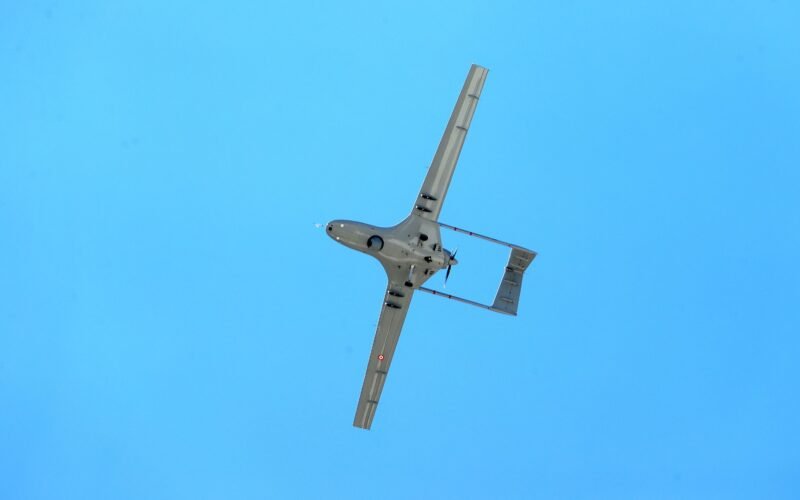
The Federal Communications Commission said on Friday 20 November that 71 companies have now been cleared in 2026 to sell equipment its Covered List would otherwise bar, and 23 of them make drones or drone components. The other conditional approvals went to 24 router companies, 17 robotics companies and seven power-inverter makers. Every approval depends on a plan to move production to the United States, and the 71 companies have together promised $4.4 billion in investment and 4,700 jobs, according to DroneXL.
For drone pilots, the headline is both encouraging and narrow. Twenty-three drone makers can now sell in the United States despite the Covered List — but none of them is DJI or Autel, the two names most pilots actually fly, and DroneXL notes that it cannot find a consumer camera drone among the 23 approvals at all. They are mostly sprayers, heavy lifters, delivery aircraft and inspection systems sold to businesses, plus a classroom drone and a light-show drone. Eleven months after the FCC barred every new foreign-made drone, no drone cleared by this process replaces a Mini 5 Pro.
The announcement is also a different FCC action from the one we reported earlier this week. The published story on the FCC’s drone spectrum package covered the Commission’s adoption of new spectrum rules at 450 MHz and 24 GHz — a separate decision about the airwaves drones use. This week’s news is about equipment authorisation: which companies are allowed to sell their hardware in the United States at all. The two actions share a regulator and a week, but they do different things, and they should not be confused.
71 Companies Cleared, 23 of Them Drone Makers

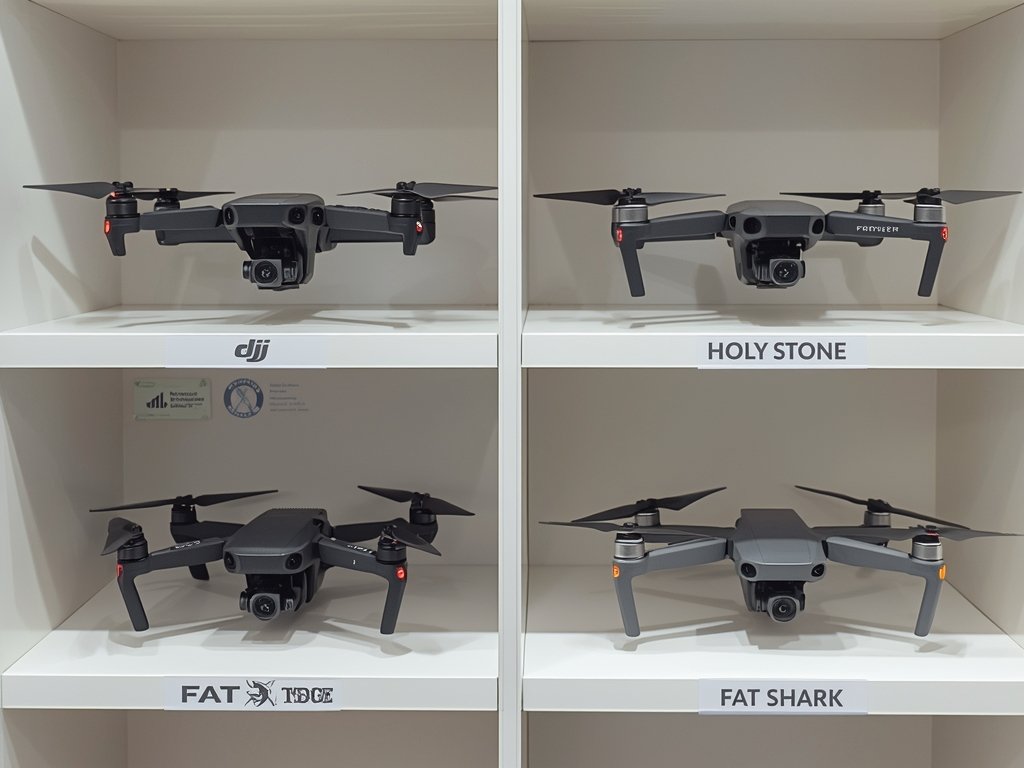
The FCC’s announcement, made on Friday 20 November, brings the year’s total to 71 companies cleared to continue importing drones, wireless routers, robots and power inverters that would have been barred under US national security restrictions, Reuters reported. The US telecommunications regulator is trying to push Chinese gear out of technology supply chains and spur domestic manufacturing, and the Covered List has become one of the most significant parts of that effort.
Five approvals were added this week, under Public Notice DA 26-1243: the FB3 drone, routers from EnGenius and Zyxel, and robots from Syncrobotic and Bluepath Robotics. The first four drone approvals were dated 17 March, and the latest, the FB3, was cleared on 18 November. The average case now takes 24 days, the FCC says, down from 40 three months ago — a sign the process is speeding up as more companies apply.
FCC Chair Brendan Carr said the list has produced “a surge in investment in American manufacturing”. The FCC said the companies that have won approvals have agreed to invest $4.4 billion and create 4,700 jobs to move tech equipment production as a condition of approval for the waivers. “The FCC’s Covered List has proven to be an essential tool in our national security toolkit, protecting America’s networks and communications infrastructure from dangerous products,” Carr said, adding that it has “also generated a surge in investment in American manufacturing.” Almost all of the 71 companies relied on foreign production before they applied, the FCC says — which is the point of the exercise.
What the Exemptions Do — and Do Not — Cover

The first thing to understand is that these are conditional approvals, not pardons. Each approval is a specific determination by the Department of War that the device does not pose a national security risk, and the review covers the applicant’s ownership and cybersecurity as well as its onshoring plan. Applicants send the FCC information on their ownership, their cybersecurity and their onshoring plan, and the Department of War and the Department of Homeland Security review it.
Drone approvals carry no end date, while every router approval in the appendix expires within about 18 months. The notice says an approval without a termination date stays in force as long as the company follows its onshoring plan and its products pass updated vetting. A company that misses its plan, or made a false statement in its application, can have its equipment returned to the Covered List. In other words, the exemption lasts exactly as long as the factory plan does.
The relief is also conditional and model-specific, not a universal import exemption. Each approval covers a named device from a named company, and it does not open the door for other products from the same maker, let alone for other makers. That is why the absence of DJI and Autel matters so much: no DJI or Autel product appears among the 23, and both companies sit on the Covered List under a separate entry, Section 1709 of the fiscal 2025 defence bill. The Covered List itself has been growing all year: foreign-produced drones were added in December 2025, routers in March 2026, robots in July 2026, and power inverters after that. Reuters has reported that the FCC could use the list next to bar new models of Chinese optical transceivers, which data centres depend on.
For anyone buying a drone, the practical upshot is simple. The 23 cleared makers are real, and their aircraft can be sold legally in the United States — but they are business tools, not the consumer camera drones most pilots fly. If you are shopping for a work aircraft, our guide to the best commercial drones for business use is the place to start, and the Remote ID rules explained still apply to everything you fly, cleared or not.
The FB3 and the Rest of the Drone List
The newest drone on the list is the FB3, a heavy lifter from Italy’s FlyingBasket that carries up to 220 pounds (100 kilograms). It was cleared on 18 November. FlyingBasket’s own product page says the FB3 is made in Europe and that US production starts in early 2027 — which means the aircraft cleared on 18 November will be built in Europe until FlyingBasket’s US line starts next year. That detail is the whole debate in miniature: if the aircraft is safe today, what does the factory have to do with security?
The rest of the drone table is a catalogue of working aircraft. It holds Flock Safety’s Alpha, Manna’s delivery aircraft, Percepto’s Air Max, Exedy’s Ayre CX sprayer, ABZ Innovation’s L50 and the VEX AIR classroom drone. The pattern is consistent: sprayers, heavy lifters, delivery aircraft and inspection systems sold to businesses, plus a classroom drone and a light-show drone. There is no consumer camera drone among them, and no drone cleared by this process replaces a Mini 5 Pro — which is the aircraft most recreational and prosumer pilots actually want to buy.
That gap is not an accident. The Covered List was designed to keep insecure equipment from adversary countries out of US networks, and the consumer drone market is dominated by Chinese manufacturers. The exemption process, as it stands, is clearing the business and industrial aircraft whose makers are willing to build in America, while the consumer market stays barred. Whether that changes depends on whether a consumer maker applies — and whether the FCC would clear it.
The $6 Billion Figure With No Breakdown
The FCC’s release also says $6 billion has been invested in US drone manufacturing since December, with 5,700 jobs. It names no company or project behind those figures, and that absence is worth noting, because the release is more specific about other sectors. It names Amazon’s robotics sites in Texas and Illinois and a 130,000-square-foot Foundry Robotics plant. It counts more than $119 million and more than 2,000 jobs in routers, and about $600 million and more than 1,200 jobs in power inverters. For drones, there is a headline number and nothing behind it.
The figure has a history. A July fact sheet put it above $4 billion, and the FCC’s senior national security counsel said $5 billion to $6 billion in October. That figure came from Adam Chan, who gave it in an interview published on 30 October, without a breakdown either. The release does not split the $4.4 billion in pledges by sector or by company. DroneXL’s verdict is blunt: the FCC’s release counts dollars and jobs, and it does not describe one security threat that an approval removed.
That criticism has an official voice. Commissioner Anna Gomez, a Democrat, said on Thursday that the Covered List was meant to keep insecure equipment from adversary countries out of US networks. She said the administration now uses it to win concessions unrelated to security, and that it has “instead become an industrial policy tool”. Reuters reported her remarks, and the FCC’s own numbers support her argument: each drone approval is a Department of War finding that the aircraft poses no national security risk, and the review covers ownership and cybersecurity — but every approval is also conditional on the onshoring plan, and a company that misses its plan goes back on the list.
Congress is looking at the list too. On 23 September, House Energy and Commerce Chairman Brett Guthrie and ranking member Frank Pallone introduced the Communications and Technology Transparency Act. Their summary says equipment could be added to the list when Congress or the Commerce Department, working with national security agencies, deems it malicious, and that Congress would get more oversight of additions and removals. Reuters reported that the bill signalled congressional concern about how the FCC uses its authority.
A Different FCC Move From the Spectrum Package
Because the FCC has now made two big drone announcements in the same week, it is worth spelling out the difference. The spectrum package, covered in our earlier report, is about the airwaves: it adopted new rules for drone operations at 450 MHz and 24 GHz, giving drones dedicated spectrum to fly on. It is a technical decision about frequencies, and it affects every drone that flies in the United States.
This week’s Covered List announcement is about hardware: which companies are allowed to sell their equipment in the United States at all. It is an equipment-authorisation decision, made company by company and model by model, and it affects which drones you can buy, not which frequencies they use. The two actions come from the same regulator and the same policy push — reducing dependence on Chinese technology — but they operate on different parts of the industry, and a pilot who confuses them will misunderstand both.
The spectrum decision is, in a sense, the more durable of the two. Frequencies do not expire, and a spectrum allocation does not depend on a company’s factory plan. The Covered List exemptions, by contrast, last only as long as the onshoring plan does, and they can be revoked. That is why the 23 drone approvals should be read as the start of a process, not the end of one: the list will keep growing, companies will keep applying, and the FCC will keep deciding, model by model, who gets to sell.
What This Means for Pilots and Buyers

For pilots, the list shows where this is heading. The 23 cleared drones are business aircraft — sprayers, heavy lifters, delivery aircraft, inspection systems — and the process is clearing more of them every month, with the average case now down to 24 days. If you run a business that needs a sprayer or a heavy lifter, the list is genuinely useful, and it is growing. If you fly for fun or for photography, the list does not yet help you, and it may not for a while: no consumer camera drone has been cleared, and no cleared drone replaces a Mini 5 Pro.

For buyers, the practical advice is to check the list before you buy. A drone that is on the Covered List cannot be sold new in the United States, and the exemption list is the only way back in. The FCC publishes the approvals as public notices — the latest is DA 26-1243 — and the list is the authoritative source. Do not rely on a seller’s claim that a model is cleared; check the notice.
For the industry, the bigger question is the one Commissioner Gomez raised: whether the Covered List is still a security tool or has become an industrial policy tool. The FCC’s own numbers support her argument, as DroneXL notes, because the release counts dollars and jobs and does not describe one security threat that an approval removed. If the list is really about security, then the factory should not matter. If it is really about factories, then the security language is doing work it was not designed for. That debate will now play out in Congress, where the Guthrie-Pallone bill would give lawmakers more oversight of additions and removals — and in the market, where pilots will decide whether the cleared aircraft are worth buying. For now, the most useful thing a pilot can do is the simplest: know how far a drone can fly, know the rules that apply to it, and check the list before spending money.
What to watch next. The first thing to watch is the next batch of approvals: the process is now running at 24 days a case, and the FCC has shown it will keep adding names. The second is whether any consumer camera drone maker applies — and whether the FCC clears it. The third is the Guthrie-Pallone bill in Congress, which would change how the list works. And the fourth is the $6 billion figure: whether the FCC ever names a company or a project behind it, or whether it stays a headline number with nothing underneath.
Frequently Asked Questions
What did the FCC announce on 20 November? The FCC said 71 companies have now been cleared in 2026 to sell equipment its Covered List would otherwise bar — 23 drone and drone-component makers, 24 router companies, 17 robotics companies and seven power-inverter makers. Every approval depends on a plan to move production to the United States, and the 71 companies together promised $4.4 billion in investment and 4,700 jobs.
Are DJI or Autel drones cleared? No. No DJI or Autel product appears among the 23 drone approvals, and both companies sit on the Covered List under a separate entry, Section 1709 of the fiscal 2025 defence bill. The 23 cleared drones are mostly business aircraft — sprayers, heavy lifters, delivery aircraft and inspection systems — and DroneXL notes there is no consumer camera drone among them.
What is the Covered List? The Covered List is the FCC’s list of communications equipment that poses an unacceptable risk to US national security and cannot be authorised for sale in the United States. Foreign-produced drones were added in December 2025, routers in March 2026, robots in July 2026, and power inverters after that. Companies can apply for a conditional approval by submitting ownership, cybersecurity and onshoring information for review by the Department of War and the Department of Homeland Security.
Is this the same as the FCC’s drone spectrum package? No. The spectrum package, reported earlier this week, adopted new rules for drone operations at 450 MHz and 24 GHz — it is about the airwaves drones use. This week’s announcement is about equipment authorisation: which companies are allowed to sell their hardware in the United States. They are separate decisions from the same regulator.
How long do the exemptions last? Drone approvals carry no end date, while every router approval expires within about 18 months. A drone approval without a termination date stays in force as long as the company follows its onshoring plan and its products pass updated vetting. A company that misses its plan, or made a false statement in its application, can have its equipment returned to the Covered List.
Join Our Pilot Community
Connect with fellow drone enthusiasts, share your aerial shots, and get access to free PDF ebook guides.