



Ten drone operators who ignored temporary airspace restrictions during Leicester’s Diwali celebrations have been prosecuted following action by Leicestershire Police, and all ten drones were seized. The prosecutions were announced on 20 November, and they are the largest single enforcement action against drone pilots at a UK public event that has been reported this year.
The celebrations in Leicester attract tens of thousands of people to the city, and a specialist counter-drone team was deployed as part of the policing operation. Despite warnings being issued ahead of the event, officers detected a number of drones being flown within the restricted airspace. Using specialist technology, officers were able to track the drones, identify the pilots and intercept them on the ground. All ten drones were seized and the operators were prosecuted.
The case is a warning to every drone pilot in the UK. Temporary airspace restrictions are put in place around major events to protect the public and ensure emergency aircraft can operate safely, and they apply whether or not a pilot knew about them. The ten operators in Leicester found that out the hard way, and their drones are now in police hands while the prosecutions proceed.
What the sources do not say is what happened to the ten operators after they were prosecuted. No fines, sentences or court dates have been stated, and it is not known whether the drones were seized temporarily as evidence or permanently confiscated. This article does not invent those outcomes. What is known is that ten operators were prosecuted and ten drones were seized, and that the police have made an example of them.
Ten Operators, Ten Seized Drones

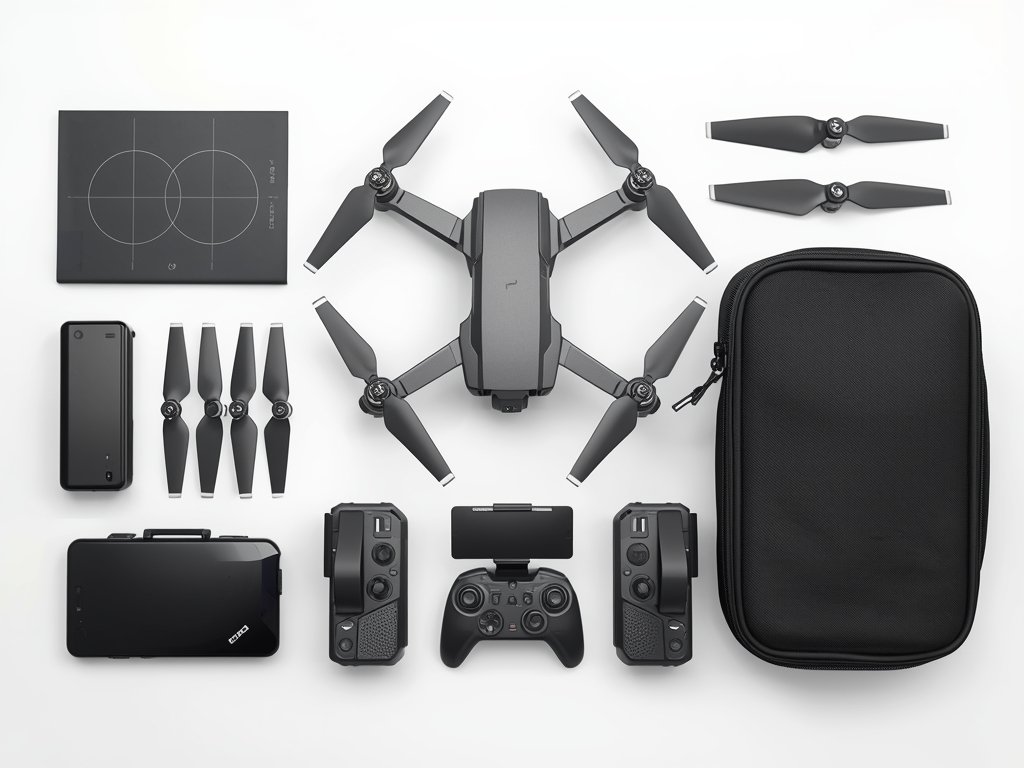
The operation was run by a specialist counter-drone team, and it worked the way counter-drone operations are supposed to work. The team detected drones being flown within the restricted airspace, tracked them using specialist technology, identified the pilots and intercepted them on the ground. That sequence, detection, tracking, identification and interception, is the core of counter-drone work, and in Leicester it produced ten prosecutions in a single night.
Sergeant James Wakefield, Counter Drone Commander for the operation, said: “Temporary airspace restrictions are put in place for one simple reason: to keep people safe. Pilots should not assume their controller will automatically tell them they are entering restricted airspace. Before turning your drone on, it is your responsibility to check official airspace information and make sure it is safe and legal to fly. Our specialist teams have technology which can help us locate both a drone and its pilot. The action taken following the Diwali celebrations demonstrates that those who ignore restrictions can expect us to take action.”
Wakefield’s warning about controllers is the most practical advice in the whole case. Many drone pilots assume that their controller or their drone’s app will warn them if they are about to fly into restricted airspace. That assumption is wrong. A controller may not have the latest temporary restriction data, and it may not warn a pilot at all. The responsibility to check official airspace information belongs to the pilot, and it belongs to the pilot before the drone is turned on, not after it is already in the air.
The fact that ten operators were caught in a single night suggests that the problem is not a single careless pilot but a wider failure to check. Ten people, on the same night, in the same place, all flew into the same restricted airspace. That is not a coincidence. It is a sign that many pilots do not know how to check for temporary restrictions, or do not think they need to, or assume that their drone will tell them. The Leicester prosecutions are a message to all of them.
The discussion among UK pilots after the announcement shows the same divide. On the Grey Arrows Drone Club forum, some members said there was little excuse for failing to check, pointing to tools such as Drone Scene and Good2Go that make it easy to see restrictions before flying. Others asked whether all ten operators had knowingly disregarded the rules or whether some were simply unaware of the temporary restriction, and whether the outcome of the prosecutions, including any convictions or fines, would be made public. Those questions have not been answered yet.
The Diwali Restriction
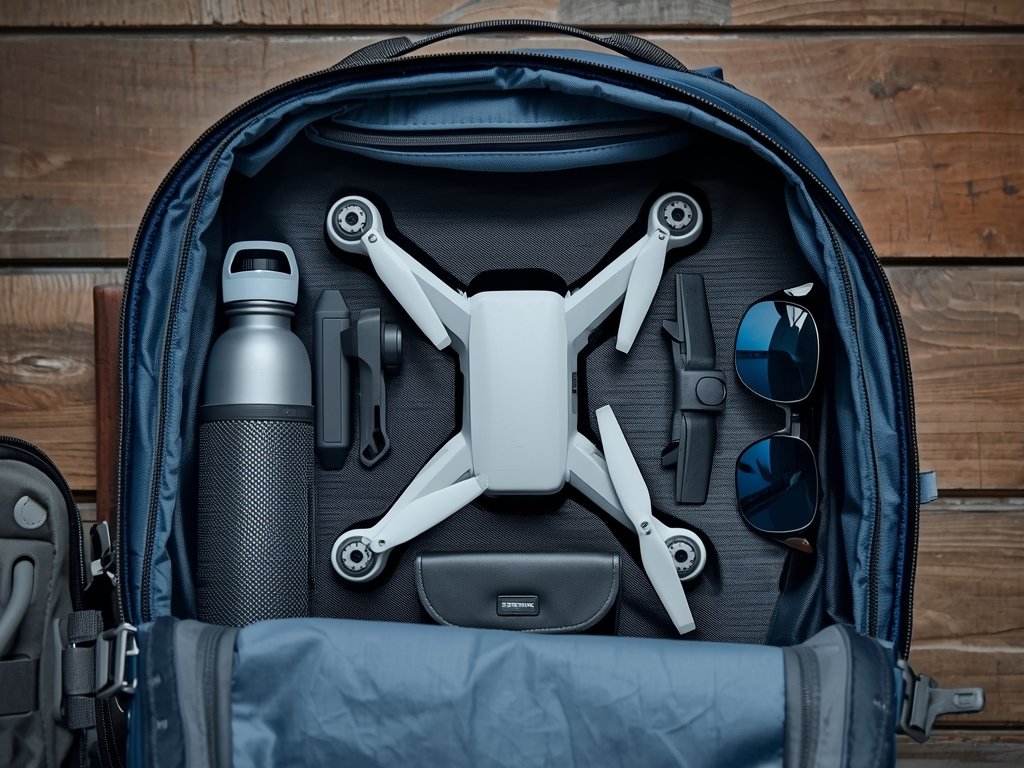
The restriction that the ten operators breached was a temporary airspace restriction put in place for the Diwali celebrations in Leicester. No unmanned aircraft was allowed to fly below 1,300 feet above mean sea level within a one-nautical-mile radius of central Leicester, from 15:00 on 8 November to 02:00 on 9 November 2026. The restriction was made under The Air Navigation (Restriction of Flying) (Diwali Celebrations, Leicester) Regulations 2026, Statutory Instrument 2026 No. 1042, which was made on 23 September 2026. Permission to fly within the restricted area was available from the Leicestershire Police Counter-UAS Bronze Commander.
The restriction was put in place for two reasons. The first was to protect the public: Leicester’s Diwali celebrations attract tens of thousands of people, and a drone losing power, signal or control over a densely packed crowd could cause serious injury. The second was to ensure that emergency aircraft could operate safely. A drone in the air over a major event is a hazard to a police helicopter or an air ambulance, and a collision could be catastrophic. Temporary restrictions are the tool the authorities use to keep the airspace clear when a large crowd is gathered below.
Flying a drone in restricted airspace is not simply a technical breach. As the sUAS News report put it: “Flying a drone in restricted airspace is not simply a technical breach. It can create a genuine risk to public safety. A drone losing power, signal or control over a densely packed crowd could cause serious injury.” That is the point the police are making with these prosecutions. The restriction is not a bureaucratic formality. It is a safety measure, and breaching it puts people at risk.
The restriction was also specific in a way that matters for pilots. It applied below 1,300 feet, which covers the altitudes at which almost all recreational drones fly, and it applied within a one-nautical-mile radius of central Leicester, which covers the area where the celebrations take place. A pilot flying anywhere near the city centre during the Diwali celebrations would have been inside the restriction, and a pilot who checked official airspace information before flying would have known that.
How Police Found the Pilots
The police did not find the ten operators by chance. They used specialist technology to track the drones, identify the pilots and intercept them on the ground. That technology is the same kind of counter-drone equipment that is used at airports, military bases and major events around the world, and it can locate both a drone and its operator. Sergeant Wakefield made that point explicitly: “Our specialist teams have technology which can help us locate both a drone and its pilot.”
That capability is a change from a few years ago, when a drone pilot who broke the rules was hard to find. A drone in the air is small, fast and hard to see, and a pilot on the ground can be anywhere within a wide area. Counter-drone technology closes that gap by detecting the drone’s radio signals, tracking its position and working out where the pilot is standing. In Leicester, that technology turned ten anonymous drones into ten identified pilots, and ten identified pilots into ten prosecutions.
For pilots, the lesson is that flying in restricted airspace is no longer a low-risk offence. The police have the tools to find you, and they are using them. The Leicester operation was not a one-off: it was part of a policing operation for a major event, and the counter-drone team was deployed specifically for that purpose. Other major events in the UK will have similar teams, and pilots who fly into restricted airspace at those events can expect the same treatment.
Why Temporary Restrictions Catch Pilots Out
Temporary airspace restrictions are the most commonly misunderstood part of UK drone law, and the Leicester case shows why. Most pilots know about permanent restrictions, such as the areas around airports, and most know about drone no-fly zones explained on this site. But temporary restrictions are different: they appear for a specific event, they last for a few hours or a few days, and then they disappear. A pilot who checked the airspace last week may not know about a restriction that was made this week.
The problem is compounded by the way restrictions are communicated. A temporary restriction is published as a Statutory Instrument and as a NOTAM, a notice to airmen, but those are not documents that most recreational pilots read. The restriction for Leicester was made on 23 September, six weeks before the event, but a pilot who did not know to look for it would not have found it. The tools that pilots use, such as Drone Scene and Good2Go, are supposed to bridge that gap, but they only help if the pilot checks them before flying.
There is also a gap between what a drone’s controller tells a pilot and what the law says. A controller may show a map with permanent restrictions but not temporary ones, or it may show a warning that is easy to dismiss. Sergeant Wakefield’s warning is direct: “Pilots should not assume their controller will automatically tell them they are entering restricted airspace.” The controller is a tool, not a legal adviser, and the pilot is responsible for checking official airspace information.
The Grey Arrows discussion raised a related point: whether the authorities should do more to communicate temporary restrictions to the pilots who are expected to comply with them. Some members argued that the CAA should provide an authoritative and comprehensible source for temporary restrictions, and that technology such as geofencing could prevent infringements rather than simply detecting them afterwards. Those are fair points, but they do not change the law. Until the system changes, the responsibility to check belongs to the pilot.
What UK Pilots Should Check Before Flying
The Leicester prosecutions are a reminder of the checks every UK pilot should make before flying. The first is to check official airspace information for the area where you plan to fly, including any temporary restrictions. That means checking a source that shows temporary restrictions, not just permanent ones, and checking it on the day of the flight, not a week before. A restriction that was not there last week may be there today.
The second is to check whether the flight is near an airport or a crowd. Flying a drone near an airport is covered in detail on this site, and the rules are strict for a reason. A crowd is a similar case: a drone over a crowd is a drone that can hurt people if it falls, and the law treats it accordingly. Leicester’s Diwali celebrations are an extreme example, with tens of thousands of people in a small area, but the principle applies to any gathering.
The third is to understand that the police have the technology to find you. Remote ID rules explained on this site cover the requirements that apply to drone pilots, and counter-drone technology is a separate capability that lets the police locate a drone and its pilot even without Remote ID. The Leicester operation showed that the police can and will use that technology at major events.
The fourth is to think about insurance. Drone pilots in the insurance industry are a growing market, and insurance does not protect a pilot who breaks the law. A pilot who flies in restricted airspace and causes an injury may find that their insurance does not cover them, and that they are personally liable for the damage. The Leicester operators did not cause an injury, but they are still being prosecuted, and the cost of a prosecution is real even without a fine.
What Happens Next for the Ten Operators

The next step for the ten operators is the prosecution itself, and the sources do not say what that will involve. No court dates have been stated, no fines have been reported, and it is not known whether the drones will be returned or confiscated permanently. The Grey Arrows discussion asked the same questions: whether convictions were secured, whether fines were imposed, and whether the ten drones were seized temporarily as evidence or permanently confiscated. Those questions have not been answered, and this article does not guess at the answers.

What is clear is that the police have made a public example of the ten operators, and that the example is intended to deter other pilots. Sergeant Wakefield’s statement is a warning, not just a report: “The action taken following the Diwali celebrations demonstrates that those who ignore restrictions can expect us to take action.” That is a message to every pilot who is thinking about flying at a major event without checking the restrictions first.
The case is also likely to be watched by other police forces and by the CAA. If ten operators can be prosecuted in a single night at one event, other forces may ask whether they should be doing the same at their own events. The Leicester operation may become a model for how to enforce temporary restrictions, and the ten prosecutions may be the first of many.
What to watch next. Watch for the outcome of the prosecutions, including any fines, convictions or court dates, and for whether the drones are returned or confiscated. Watch also for whether Leicestershire Police or the CAA publish any further guidance on checking temporary restrictions, and for whether other forces adopt the same counter-drone approach at major events.
Frequently Asked Questions
What happened in Leicester during the Diwali celebrations? Ten drone operators ignored temporary airspace restrictions during Leicester’s Diwali celebrations and were prosecuted following action by Leicestershire Police. All ten drones were seized. The prosecutions were announced on 20 November 2026.
What was the airspace restriction? No unmanned aircraft was allowed to fly below 1,300 feet above mean sea level within a one-nautical-mile radius of central Leicester, from 15:00 on 8 November to 02:00 on 9 November 2026. The restriction was made under The Air Navigation (Restriction of Flying) (Diwali Celebrations, Leicester) Regulations 2026, SI 2026 No. 1042.
How did the police find the operators? A specialist counter-drone team used technology to track the drones, identify the pilots and intercept them on the ground. Sergeant James Wakefield, Counter Drone Commander for the operation, said the teams have technology that can help locate both a drone and its pilot.
What did Sergeant Wakefield say pilots should do? He said pilots should not assume their controller will automatically tell them they are entering restricted airspace, and that before turning a drone on, it is the pilot’s responsibility to check official airspace information and make sure it is safe and legal to fly.
What happened to the ten operators after they were prosecuted? The sources do not state any fines, sentences or court dates, and it is not known whether the drones were seized temporarily as evidence or permanently confiscated. The outcomes beyond prosecution were not stated.
Join Our Pilot Community
Connect with fellow drone enthusiasts, share your aerial shots, and get access to free PDF ebook guides.




