TRUST is the one certificate every recreational drone pilot in the United States must have — and it is free, online, and takes about half an hour. Yet it is also the requirement new pilots miss most often, because they hear (correctly) that recreational flying needs no licence, and assume nothing is needed at all. This guide explains what TRUST is, who needs it, what the test covers, and how to get your certificate step by step.
What TRUST Is
TRUST stands for The Recreational UAS Safety Test. It is the FAA’s safety test for recreational drone pilots, introduced as part of the rules for recreational flying. It is not a licence and it does not authorise you to fly commercially — it is a basic safety test that proves you understand the rules for flying a drone for fun.

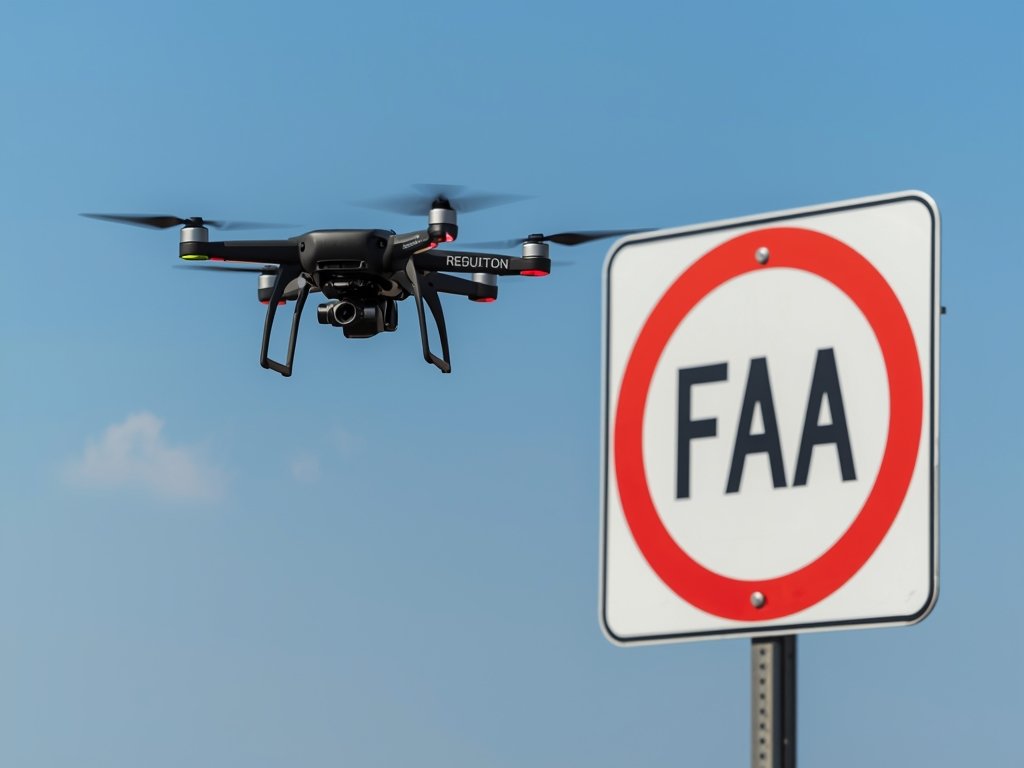
The test is free. It is taken online, through FAA-approved test administrators. It is untimed in the practical sense — most pilots finish in around 30 minutes — and you can retake it as many times as you need until you pass. There is no fail state that locks you out: if you answer a question wrong, the test explains the right answer and lets you continue. Once you pass, you receive a certificate that never expires.
That combination — free, short, impossible to fail permanently — is deliberate. The FAA’s aim is not to filter pilots out but to make sure every recreational pilot has at least been through the rules once. The certificate is the proof that you have.
Who Needs a TRUST Certificate
Every recreational drone pilot in the US needs TRUST. There is no exception for drone weight: pilots of sub-250-gram drones need it just as much as pilots of heavier drones. There is no exception for experience either — even if you have flown for years, the requirement applies.

The only people who do not need TRUST are pilots flying under Part 107. If you hold a Remote Pilot Certificate and fly under Part 107 rules, TRUST does not apply to you — but that also means every flight you make is a Part 107 flight, with Part 107’s requirements. You cannot mix the two: a flight is either recreational (TRUST, recreational rules) or Part 107 (certificate, Part 107 rules).
If you are unsure which category you fall into, the dividing line is purpose. Flying for your own enjoyment is recreational. Flying for work, for a client, or to support a business is Part 107 — and our Part 107 exam guide covers that route. When in doubt, the safe choice is to get TRUST first: it costs nothing, takes half an hour, and it is the right certificate for any pilot who is not sure yet.
What the Test Covers
TRUST covers the rules and safety knowledge a recreational pilot needs. The topics include:

- Airspace basics. Where you can and cannot fly, what controlled airspace is, and how to get authorisation through LAANC when you need it. Our LAANC guide explains the authorisation process in detail.
- Altitude and line of sight. The 400-foot limit in uncontrolled airspace, and the requirement to keep the drone within your visual line of sight at all times.
- Safety rules. Never flying over people or moving vehicles, never flying under the influence, and giving way to manned aircraft.
- Registration and Remote ID. Which drones need to be registered, how Remote ID works, and what applies to your drone.
- Privacy and responsibility. The common-sense rules about not flying over private property in a way that harasses or endangers people, and the pilot’s responsibility for every flight.
None of this is advanced material. If you have read a basic guide to the recreational rules, you already know most of the answers — the test is designed to confirm that knowledge, not to test obscure details. That is also why it is retakable: a wrong answer becomes a teaching moment rather than a failure.
How to Take the Test, Step by Step
Step 1: Find an approved test administrator. TRUST is administered by FAA-approved organisations, not directly by the FAA. The FAA publishes the list of approved administrators on its drone pages at faa.gov/uas. Choose any of them — they all deliver the same test, and all of them are free.

Step 2: Create an account. The administrator will ask you to create a free account, usually with your name and an email address. Use your real name: the certificate is issued in that name, and it should match your identification.
Step 3: Take the training. Before the test itself, most administrators provide a short training section — a series of lessons covering the topics above. Read through it; it is the material the test questions are drawn from, and it takes only a few minutes.
Step 4: Take the test. The test is a set of multiple-choice questions. Answer each one; if you get one wrong, the system explains the correct answer and you continue. There is no time limit that should worry you — take your time and read each question properly.
Step 5: Download and save your certificate. When you pass, the administrator issues your TRUST completion certificate. Download it immediately, save a copy on your phone, and print a copy as a backup. The certificate carries your name and a completion number — keep both safe.
Step 6: Carry proof whenever you fly. You must be able to show your TRUST certificate when asked. A digital copy on your phone is fine; a printed copy is better. Put it with your flight kit and leave it there, so you never have to remember it separately.
How Long It Takes and What Happens If You Fail
Most pilots finish the training and test in about 30 minutes. If you already know the rules, it can be faster; if you read every lesson carefully, it can take a little longer. Either way, it is a single evening’s task, not a course.
You cannot permanently fail TRUST. The test is designed so that a wrong answer triggers an explanation and a second chance. If you find yourself getting several questions wrong, slow down and re-read the training material for that section rather than guessing through it — the material is short, and the questions come directly from it.
One practical note: use the same email address and name across the administrator account and any FAA account you hold, such as FAADroneZone. It avoids confusion if your records are ever compared, and it keeps your drone paperwork consistent.
After You Pass: What to Carry
Once you have your certificate, your flight kit should always include three things: the TRUST certificate (digital or printed), your drone’s registration certificate if the drone is registered, and identification. That is the complete paperwork for a recreational flight.
Keep the certificate somewhere you will not lose it. A screenshot buried in a camera roll is not a reliable way to carry it — save the file in a folder you can find, and keep a printed copy in your drone bag. If your phone dies or you switch devices, the printed copy is your backup.
And note the expiry: there is none. A TRUST certificate does not expire, and there is no renewal process. Once you have it, you have it — unless the FAA changes the rules, in which case they will say so publicly. Check the FAA’s drone pages from time to time to confirm nothing has changed.
TRUST vs Part 107: Which One Do You Need?
TRUST and Part 107 are often confused, so here is the clean distinction. TRUST is for recreational pilots: free, online, about 30 minutes, no expiry, and it only covers recreational flying. Part 107 is the Remote Pilot Certificate for commercial flying: a formal exam taken at an FAA-approved testing centre, with a fee, a study requirement, and a certificate that must be renewed.
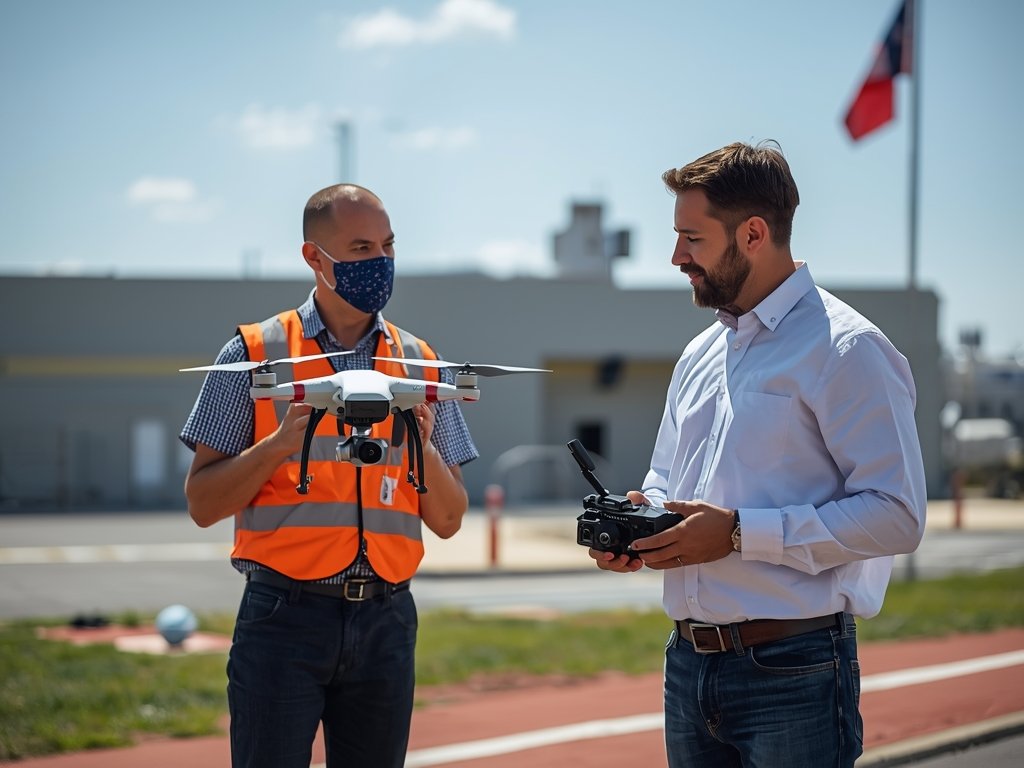
If you only ever fly for fun, TRUST is all you need. If you fly for work — paid jobs, client work, or anything that supports a business — you need Part 107, and TRUST does not substitute for it. Some pilots hold both: TRUST for their recreational flying and Part 107 for their commercial work. That is perfectly fine, and it is the cleanest way to keep the two kinds of flying separate.
One more practical note: if a young pilot in your family wants to fly, take the test together and have an adult handle the account and keep the certificate. The rules for who can hold an account sit with the test administrator, so check theirs before you start.
Common Questions
Is TRUST really free?
Yes. Every FAA-approved administrator offers it free of charge. If a website asks you to pay for TRUST, it is not an approved administrator — use the list on the FAA’s site instead.
Do I need TRUST for a drone under 250 grams?
Yes. The weight exemption covers registration, not TRUST. Every recreational pilot needs TRUST, whatever the drone weighs.
How long is the certificate valid?
It does not expire. There is no renewal. Keep your certificate safe and you are covered.
What if I lose my certificate?
Log back into the administrator’s site where you took the test — your completion record is stored there, and you can download the certificate again. If you cannot remember which administrator you used, the FAA’s list will help you narrow it down; check your email for the original completion message.
Can I fly while waiting to take TRUST?
No — you must hold the certificate before you fly recreationally. Since it takes about half an hour and costs nothing, there is no reason to fly without it.
Join Our Pilot Community
Connect with fellow drone enthusiasts, share your aerial shots, and get access to free PDF ebook guides.