Drone pilot jobs exist, and they pay — but the job titles are not what a new pilot expects, and the work is not what the advertisements promise. The real market is not a single profession called “drone pilot”. It is a set of existing industries — real estate, inspection, agriculture, surveying, public safety, media — that now hire pilots to do a slice of the work they already did another way. Understanding that is the difference between finding work and waiting for a job posting that says “drone pilot wanted” and never appears.
This guide covers the six places pilots actually get paid, the three ways into the work, what employers ask for, and where the listings are. It is honest about pay, because the numbers matter: the figures most often quoted for drone pilots come from job listings and industry surveys, not from a single official table, and this guide says so where it uses them.
The Short Answer: The Work Is Real — the Job Titles Are Not What You Expect

Here is the shape of the market in one paragraph. Most paid drone work is project work for a client, not a salaried job. The employers are estate agencies, roofing and inspection firms, survey companies, farms, construction firms, police and fire departments, and media companies — and they hire a pilot to photograph a house, inspect a roof, map a field, or film an event. The full-time salaried drone jobs exist, but they are the minority, and they usually go to pilots who already have a trade the drone serves: a surveyor who flies, a roofer who inspects, an agronomist who maps.
That is the key insight for a job search: the drone is a tool, and the job is the trade it serves. The pilot who gets hired is usually the one who can do the underlying job — read a roof, understand a survey, talk to a farmer — as well as fly. The flying is the entry ticket. The trade is what gets you paid.
What the BLS Numbers Actually Cover

Before the pay figures, a warning about the most quoted numbers. The US Bureau of Labor Statistics publishes an occupational outlook for airline and commercial pilots — its most recent data (verified live, 2026) gives a median annual wage of $123,220 for commercial pilots, and $232,140 for airline pilots, with employment of airline and commercial pilots projected to grow 7 percent from 2025 to 2035. Those are manned-aircraft pilots. They are not drone pilots, and the BLS does not yet publish a separate occupation code or median wage for drone pilots at all.
That matters because the manned figures get quoted for drone work, and they mislead. Drone pay comes from a different market, and the honest figures come from the places that track it: job listings, industry surveys, and the pilots who publish their rates. Our guide to how much drone pilots make gives the range from those sources, with the figures it uses sourced to the BLS data and job listings it checked at the time: the range is wide, and it depends heavily on the kind of work — a real-estate shoot and a survey contract are different jobs with different pay, and any single number that claims to be “the drone pilot salary” is hiding that. The BLS page is still worth reading — it shows the shape of the pilot labour market as a whole — but its numbers belong to the pilots in aeroplanes, not the ones with a controller. See the BLS airline and commercial pilots outlook for the official figures, and read them as the neighbouring profession, not as your own.
The Six Places Drone Pilots Actually Get Paid
First, real estate. The largest single source of paid drone work for new pilots: aerial photographs and short video of houses for sale, for estate agents and for photographers who subcontract the aerial part. The work is regular, the jobs are short, and the barrier is low — a Part 107 certificate, a decent camera drone, and a portfolio of property shots. It pays per job, and the volume makes up for the modest per-job price.
Second, inspection. Roofs, solar panels, wind turbines, power lines, bridges, towers: assets that are expensive or dangerous to inspect by hand, and cheap to inspect from the air. Inspection work pays more per job than real estate, and it asks more of the pilot — the deliverable is not a pretty picture but a report, with the defect marked and photographed — and it is the work that most often leads to a regular contract, because the assets need inspecting on a schedule. Our guide to drone photography pricing gives a feel for what these jobs are worth.
Real estate and inspection are also the two fields where a new pilot can start fastest, for the same reason: the client already knows what they are buying. An estate agent has bought aerial photographs before, or seen them on a competitor’s listing, and knows the price and the deliverable. A roofer knows what an inspection report looks like. Compare that with mapping, where the client needs educating before they buy anything — and the education takes longer than the flight. Start where the buying is already understood, and let the harder sales come when the portfolio is stronger.
Third, mapping and surveying. The highest-skill commercial work: orthomosaic maps, 3D models, stockpile volumes, construction progress. It needs a survey-grade workflow — ground control points, processing software, an understanding of accuracy — and it pays accordingly. It is the work to grow into, not the work to start with.
Fourth, agriculture. Crop scouting, spraying, and livestock monitoring: a growing market, and one where the pilot usually works for a farm or an agronomy firm rather than a client list. Fifth, public safety: police, fire and search-and-rescue departments increasingly employ or contract drone pilots, most often as a second skill on top of a first-responder role — the drone pilot who is also a firefighter is a much more common hire than a pilot alone.
Sixth, media and events. Film and television, weddings, sports, tourism: the most visible drone work and the most competitive. The pay per job can be high, but the work is irregular and the portfolio bar is the highest. Between them, these six cover almost everything a drone pilot is paid for in the US today.
Full-Time, Contract and Gig: Three Ways In
There are three ways into paid drone work, and they suit different pilots. Full-time employment: a company hires you to fly, alongside other duties. This is the most stable route and the hardest to enter cold — employers hiring full-time want a pilot who already has the trade skill, whether that is surveying, inspection, or media production. The drone is part of the job description, rarely the whole of it.
Contract work: a firm hires you for a set of jobs, or a season, or a project — a construction firm mapping a site for six months, a survey company covering a region, an energy company inspecting a fleet of turbines. Contract work pays better than gig work and is steadier, but it comes with expectations: insurance, your own equipment, the ability to deliver on a schedule, and the paperwork to prove it. Gig work: the per-job market, mostly real estate and small commercial jobs, found through pilot networks, marketplaces, and local contacts. The volume is there, the rates are the lowest, and the work goes to the pilot who answers first with the best portfolio. Most pilots start with gig work, use it to build the portfolio, and move toward contract work as their reputation grows.
There is a fourth way in that most guides skip, and it is the most realistic for a pilot with a day job: the drone as a second income. A pilot who already works in a trade — roofing, surveying, farming, estate agency, facilities management — can add drone work to the job they have, before it becomes the job. The surveyor who flies their own sites, the roofer who inspects their own roofs, the farmer who scouts their own fields: each one gets paid for the drone work without the cost of finding clients, and each one builds the portfolio and the reputation that later supports a full-time move. If you already have a trade the drone serves, that trade is the fastest route into paid flying there is.
What Employers Ask For
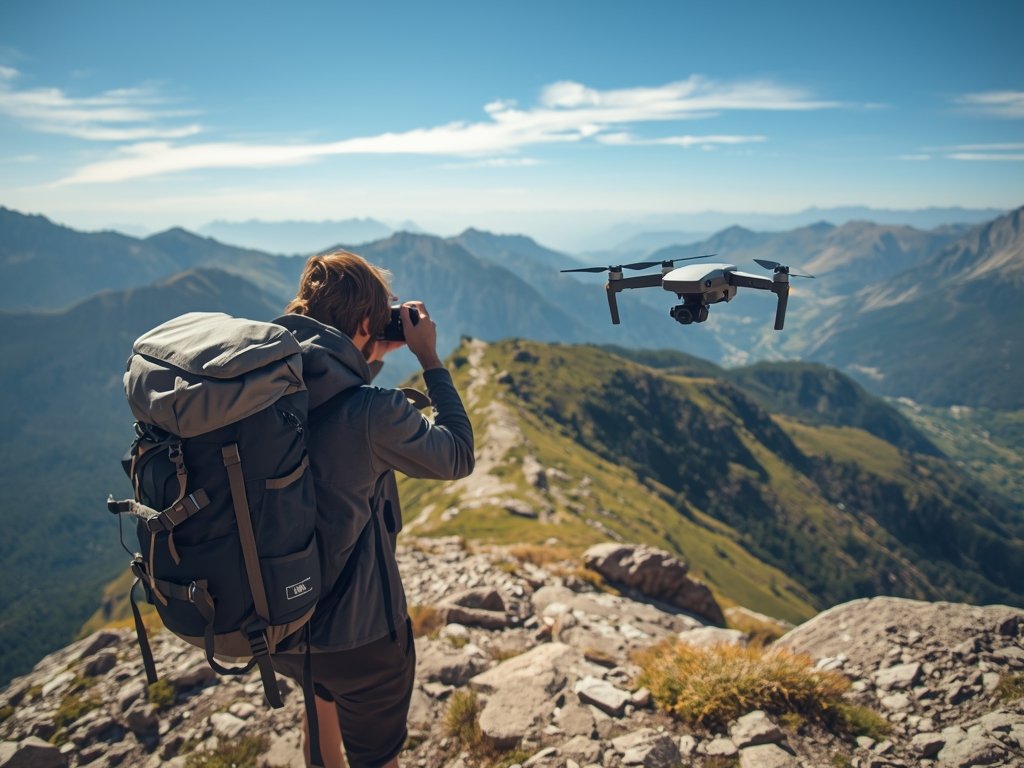
Every serious employer asks for the same three things, in the same order. First, the Part 107 Remote Pilot certificate: no certificate, no job, for any commercial flight at all. The FAA’s own page for becoming a certificated remote pilot lays out the steps, and our two-week study plan covers the preparation. Second, registration and insurance: the drone registered commercially in FAADroneZone — our guide to registering a drone with the FAA covers it — and a liability policy, because employers and clients ask for the certificate of insurance before the job.
Third, proof you can do the work: a portfolio of finished jobs in the employer’s field, and references from people who have hired you. A general reel of pretty flying is not proof; five property shoots, or three roof inspections, or one mapping project delivered properly, is. Employers also ask, increasingly, for the trade skill behind the drone: a surveyor’s licence, a roof inspector’s background, an agricultural qualification. The drone gets you the interview; the trade gets you the job. And the first job itself is a step worth planning: our guide to getting your first drone client covers the order that works — paperwork, portfolio, one service, one channel.
The portfolio an employer wants is different from the one a client wants, and the difference matters. A client wants the pictures: clean, well-composed, flattering. An employer wants the work: the same pictures, plus the flight log, the deliverable, and the proof that the job was done properly and on time. Show both: the photographs first, and then the evidence behind them — the map, the report, the log, the client’s name. And bring the references to the interview rather than waiting to be asked: a named person who will say you delivered is worth more than a second page of photographs, because the employer is hiring reliability, not imagery.
Where the Listings Are

The listings are scattered, and that is part of the job. General job boards carry drone roles, usually under the employer’s industry — search for the industry plus “UAS” or “drone”, not for “drone pilot” alone, because the posting often says “survey technician — UAS experience preferred” or “field inspector — drone”. Specialist pilot networks and marketplaces list per-job gigs, and they are worth joining for the volume, but they are competitive and the rates are transparent — which is to say, low. The best listings are the ones nobody posts: the local survey firm, the roofing company, the estate agency that has never hired a pilot. Those are found by walking in, portfolio in hand, and asking.
A practical routine: set up alerts for the job titles in your field, check the specialist networks weekly, and spend the rest of the time on the local market — because the employer who hires you will usually be within fifty miles, and the relationship is worth more than the listing. Keep your alerts narrow — one field, one area — or the inbox fills with roles you would never take, and the one you would take gets buried. And treat every application as the start of a conversation, not the end of one: the follow-up email, the phone call, the visit with the portfolio, are what separate the pilot who gets hired from the pilot who gets filed. Keep a record of every application and every enquiry, and follow up: the pilot who follows up politely gets the job that the pilot who applied and waited does not.
The Ladder: From First Gig to a Career
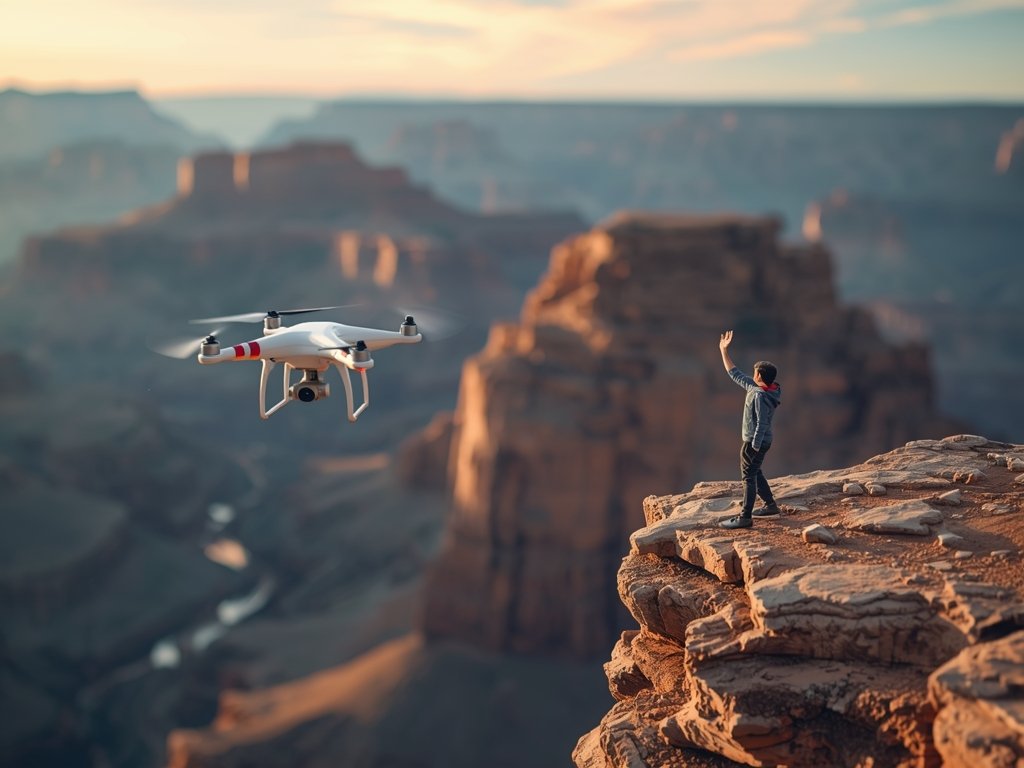
The ladder is short and honest. First gig: a real-estate shoot, a roof inspection, for a local client, at a modest price, done well. First contract: a repeat client, or a firm that books you regularly, because the first job proved you deliver. Specialisation: one field — surveying, inspection, agriculture — where you learn the trade behind the drone and the pay rises with it. And for some, the full-time role: the employer who hires you because you already do their work, with a drone, every week.
The steps are the same at every rung: the certificate, the portfolio, the insurance, the referral. The pilots who make a career of this are not the ones with the biggest drone or the most followers — they are the ones who did the first job well enough to be asked back, and the second well enough to be recommended. That is the whole market, and it is open to anyone who flies well, works honestly, and keeps showing up.
Join Our Pilot Community
Connect with fellow drone enthusiasts, share your aerial shots, and get access to free PDF ebook guides.