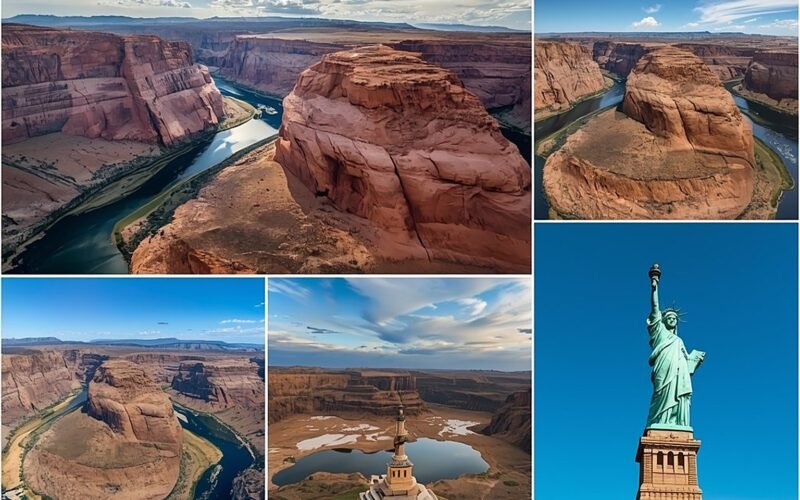
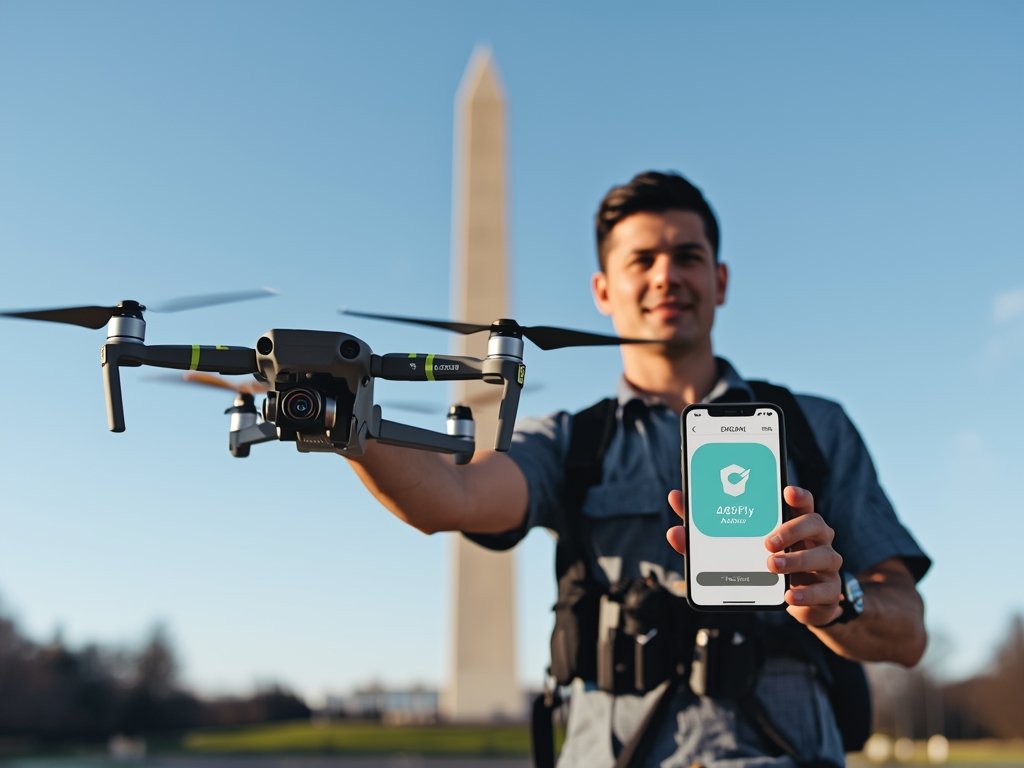
Every long-range drone advertises a number in kilometres, and almost every buyer misunderstands it — so this guide starts with the correction. The DJI Mavic 4 Pro’s O4 transmission is rated up to roughly 15–20 km depending on model and region. US law does not care: you must keep the drone within visual line of sight, which for a small aircraft in real conditions means a few hundred metres to perhaps a mile for a good eye in clear desert air. So why does the big number matter? Because transmission range is really signal margin — the headroom that keeps your video feed clean and your control link solid at legal distances, through interference, humidity and antenna misalignment, instead of pixelating at 500 metres like cheap systems do. Buy range for robustness, fly it within sight, and if your work genuinely needs distance, use the BVLOS path described below. Here are the aircraft, the physics, and the habits.

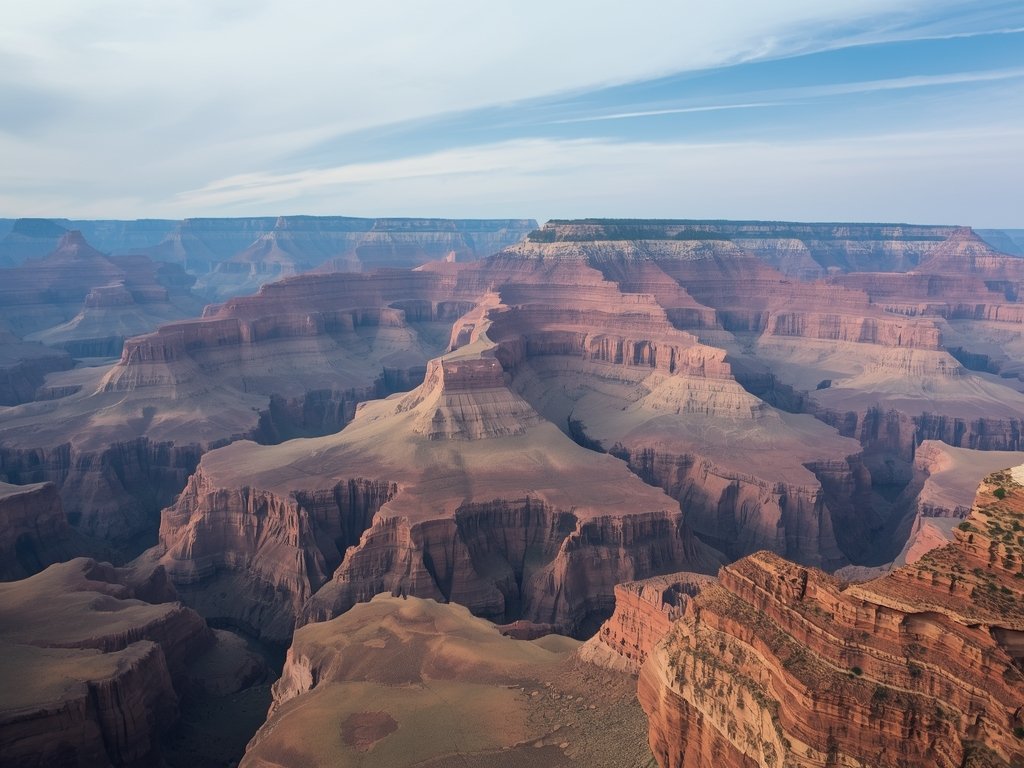
Two Different “Ranges” — Keep Them Separate
- Transmission range (the brochure number): the maximum distance the radio link can hold under ideal conditions — open terrain, no interference, antennas aligned. It measures the radio, not your permission.
- Legal range (the rule): visual line of sight, unaided except glasses — you (or a co-located visual observer in genuine communication) must be able to see the aircraft’s position and orientation at all times. First-person-view screens do not extend it.
- Practical range (your reality): the shorter of the two, further trimmed by battery — a drone that can signal 15 km cannot fly out and back on a 40-minute battery with reserves, which is why our battery life guide is this page’s natural companion.
- What margin buys you: at one-tenth of rated range, a strong system laughs at conditions — urban Wi-Fi noise, light obstruction, a turned shoulder — that end flights on weak links. That is the honest product being sold, and it is genuinely worth paying for.
The Aircraft: Current Transmission Generations
DJI O4 generation — Mavic 4 Pro, Air 3S, Mini 5 Pro
DJI’s O4 (OcuSync 4) link is the current benchmark: 1080p live feed, strong interference rejection through frequency agility, and maximum ranges rated in the 15–20 km class (FCC) across the current lineup. For this page’s purpose the three carriers differ in everything except the link: the Mavic 4 Pro pairs O4 with the flagship camera and 51-minute endurance; the Air 3S is the value carrier with dual cameras; the Mini 5 Pro puts the same link generation in a sub-249 g airframe, where its practical limit is the pilot’s eyes long before the radio. Choose on camera and budget; the signal story is shared.
Autel SkyLink — EVO Max series
Autel’s current SkyLink transmission (the EVO Max generation that replaced the EVO II this page used to recommend) is rated in a comparable maximum-range class and adds a different proposition: no manufacturer geofencing, and multi-band operation aimed at congested industrial RF environments. For operators whose flying is legal-distance but interference-heavy — plants, ports, urban infrastructure — that robustness profile is the reason to cross-shop, and it is assessed the same way: by feed stability at working distance, not by the brochure maximum.
Signal Physics: What Actually Kills Your Link
- Obstruction. Radio at these frequencies is near-line-of-sight: terrain, buildings and even wet tree canopy between you and the drone eat signal fast. A ridge crossing that looks fine on the video feed can end the link in one step.
- The Fresnel zone. The link needs an elliptical corridor around the direct line, not just the line itself — flying low and far with ground or rooftops intruding into that corridor degrades signal before anything visibly blocks your view.
- Antenna orientation. Controller antennas radiate broadside, not from their tips: the flat of the antenna should face the aircraft. Pointing the sticks “at” the drone like a TV remote is the classic self-inflicted range cut.
- Interference. Urban RF noise (dense Wi-Fi, industrial emitters) raises the floor your signal must clear; it’s why the same drone flies “forever” in the desert and argues at 800 m downtown — and why frequency-agile systems earn their price there.
- Altitude restores links. Climbing usually clears obstructions and the Fresnel corridor — the first move on a weakening feed, within your 400-foot ceiling, is up and toward home, not further out.
Maximising Your Legal Range: Field Habits
- Pick the environment first: open, elevated launch points with clear lines across your working area beat any hardware upgrade. Height at the launch end is free range.
- Keep the antenna discipline: face the aircraft, flat side forward, nothing metallic between controller and sky, phone in airplane-mode-plus-Wi-Fi-off configurations where your system prefers it.
- Set failsafes on the ground: RTH altitude above the tallest obstruction on the return path, behaviour on link loss chosen deliberately (RTH, not hover, for distance work) — the full routine lives in our pre-flight checklist.
- Respect weather as an RF factor too: heavy rain and wet foliage attenuate signal on top of everything else they do — see our weather checks guide.
- Fly the feed, honestly: the moment the feed degrades, the flight is over for planning purposes. Margin is consumed by conditions, not by optimism.
Choosing by Use Case

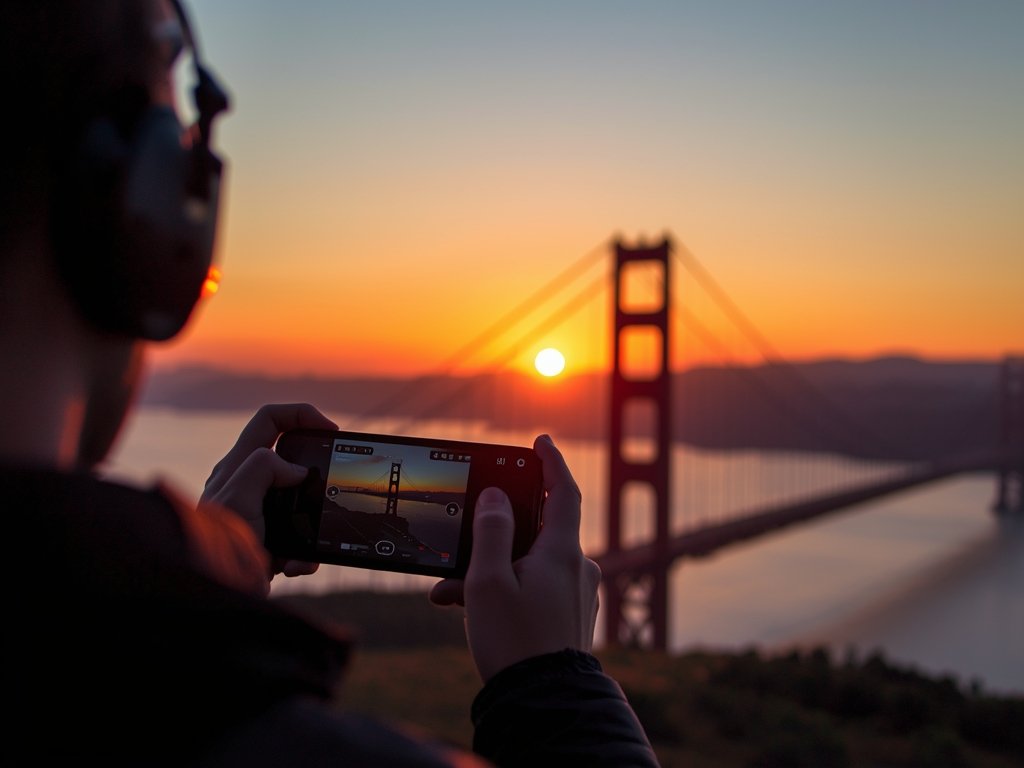
- Landscape and travel: any O4-carrying DJI. Your compositions live inside a few hundred metres; you are buying feed reliability in valleys, forests and coastal interference, not kilometres.
- Rural property, ranch and farm work: the one setting where practical sight-lines genuinely stretch — big, open, your own land. Endurance and link margin both matter; the Air 3S class is the sweet spot, with agricultural operations following their own Part 137 framing where applicable.
- FPV long-range culture: a real and skilled corner of the hobby abroad — but US VLOS rules apply to FPV exactly as to camera drones (a spotter does not extend them beyond the pilot’s own sight requirement for recreational flight under the community-based framework). Admire the footage; fly the legal version.
- Corridor and infrastructure work: skip to the BVLOS section — your constraint is authorisation, not equipment.
A Word on Cellular-Linked Drones
Network-augmented transmission — 4G dongles and cellular fallback links offered for some enterprise and consumer models in various markets — routes the command and video path over the mobile network when the direct link fades. Where supported and lawful it genuinely hardens connections in cluttered terrain. Two cautions: availability and carrier support vary by country and model (US support has been limited), and a cellular link changes nothing about line-of-sight law. It is a robustness technology, in exactly the same sense as O4’s margin — not a licence to roam.
The Accessory Question, Answered Plainly
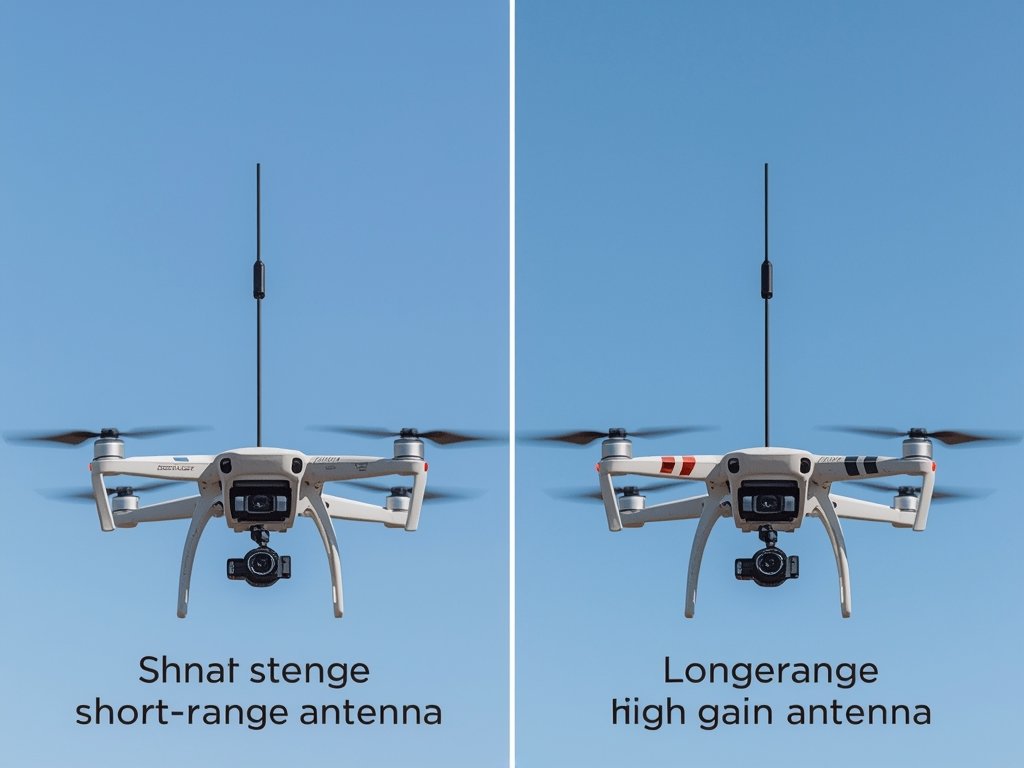
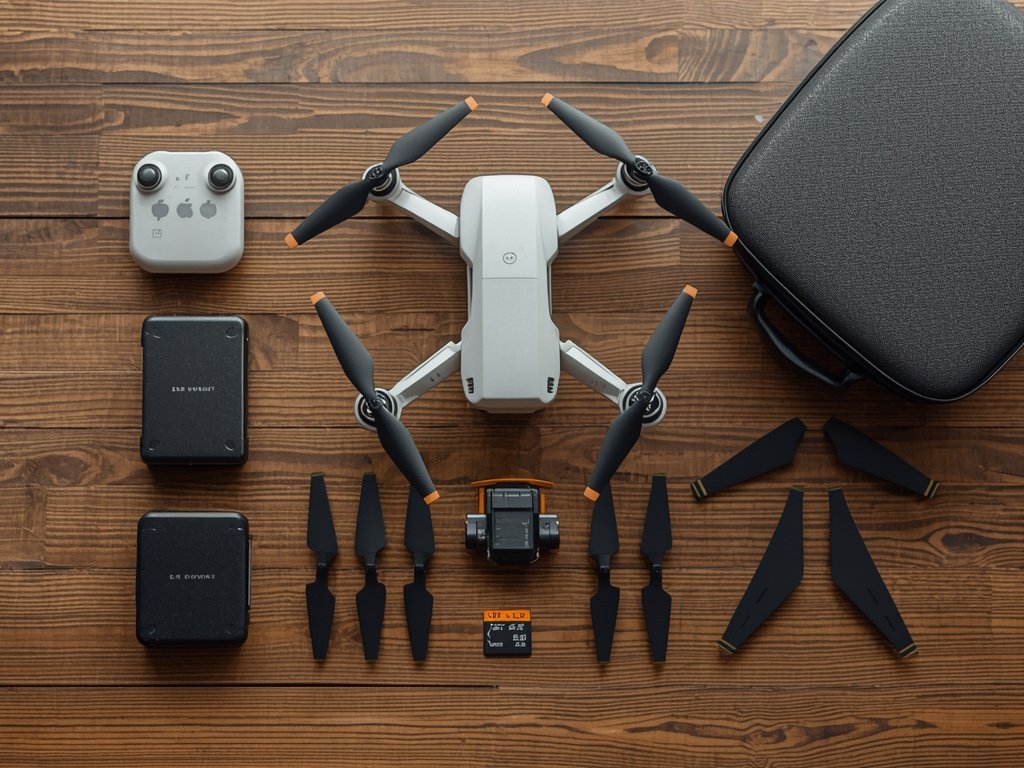
Every long-range pilot eventually shops for signal accessories, so: passive parabolic reflectors that clip over controller antennas do concentrate the signal forward and can add real margin in open country — at the cost of making antenna aim more critical, not less. Active amplifiers and boosted transmitters are a different matter: they can push a setup outside its FCC equipment authorisation, void warranties, and convert a rules misunderstanding into an equipment violation. The legitimate upgrade path is less exciting and more effective — a current-generation link, a controller with proper antennas kept correctly oriented, and launch-point selection. In field after field, the pilots with the “best range” turn out to be the pilots standing in the best place.
When You Genuinely Need Distance: The BVLOS Path
Some work — pipeline and power-line patrol, long survey corridors, delivery — is meaningless inside visual range. The legal route is not a stronger radio; it is authorisation: Part 107 BVLOS waivers for specific operations, or certified programmes (Part 135 carriers, Part 137 agricultural operations) with approved aircraft, detect-and-avoid systems and trained crews. Our BVLOS guide maps that landscape, including where rulemaking is heading. What never becomes legal by equipment is simply flying beyond sight on a consumer link and hoping — the transmission’s capability is not a defence, and the flight data is recorded.
The Bottom Line
Buy the current transmission generation for the margin, choose the aircraft on camera and endurance, fly well inside your sight, and treat every kilometre of brochure range beyond that as what it is: insurance you hope conditions never fully test.
FAQ
What is the maximum legal range for drones in the US?
There is no fixed distance in the rules — the limit is visual line of sight. You must be able to see the drone and judge its orientation unaided (glasses excepted). For most small drones that is a few hundred metres in typical conditions, up to around a mile in exceptional clarity with larger aircraft — always shorter than the transmission rating.
Can I fly my long-range drone over national parks?
No — National Park Service policy prohibits launching, landing and operating drones from park land, regardless of the drone’s range or your intentions. The gateway communities and surrounding national forests are the usual legal alternative, under standard rules.
How can I improve my drone’s signal strength?
Fly from open, elevated positions; keep the controller antennas’ flat side facing the aircraft; avoid terrain and structures between you and the drone; gain altitude when the feed weakens; and choose frequency-agile current-generation links for interference-heavy areas. Aftermarket antenna mods exist but can breach FCC equipment rules and warranties — the legal gains are all in position and discipline.
What should I do if I lose connection with my drone?
Stay calm and stay put: most links re-establish as geometry changes, and your pre-set failsafe (which should be RTH at a safe altitude for distance work) brings the aircraft home. Do not drive toward it or power-cycle the controller mid-failsafe. Afterwards, review the flight log — the obstruction or interference that caused it will be visible, and it is a planning lesson, not bad luck.
Are there any restrictions on flying drones at night?
Night flight is permitted with the required anti-collision lighting visible for at least 3 statute miles; recreational pilots follow the same rule, and commercial pilots operate under Part 107’s night provisions (updated training/testing covers it). One practical range note: your VLOS shrinks at night to what the lighting honestly supports — the legal range is shorter after dark, whatever the radio can do.
Transmission range figures are manufacturer ratings under FCC configurations and ideal conditions at the time of writing; real-world performance varies with environment and interference. Confirm current specifications on the linked official pages.
Join Our Pilot Community
Connect with fellow drone enthusiasts, share your aerial shots, and get access to free PDF ebook guides.