



Prime Minister Andy Burnham pledged 1,000 long-range drones for Ukraine at a meeting of the Coalition of the Willing in Berlin on Thursday 19 November, according to the Kyiv Post. The drones can fly up to 1,000 km and carry heavier warheads, and are intended to strike military production sites deep inside Russia. The package is worth £260 million, about $342 million, and also includes maritime, logistics and surveillance drones, with more than 80 percent of the money to be spent in the United Kingdom, according to the Kyiv Post and The Nation. It is one of the largest single drone commitments Britain has made to Ukraine, and it was announced on the same day President Volodymyr Zelensky told the same press conference that a Russian drone had damaged a cathedral and two embassy buildings in Kyiv.
The Pledge: 1,000 Drones, £260 Million

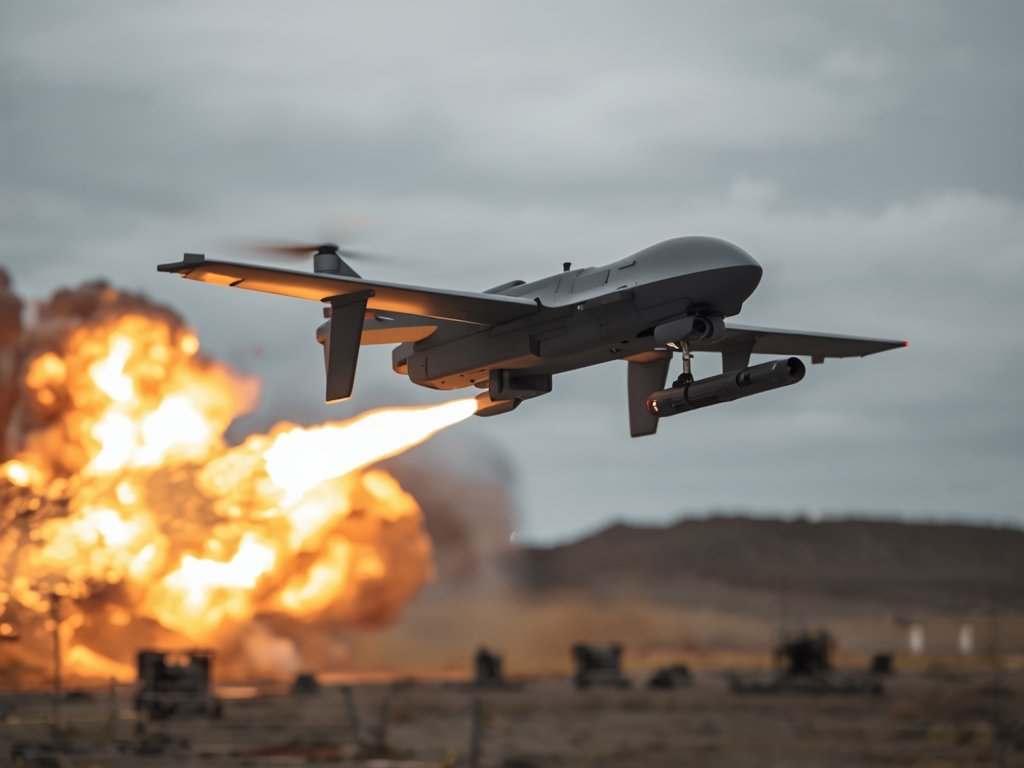
According to the Kyiv Post, the pledge was made by Prime Minister Andy Burnham at the Coalition of the Willing meeting in Berlin on Thursday 19 November. The headline numbers are striking: 1,000 long-range drones, in a package worth £260 million, or about $342 million. The scale puts it among the biggest drone transfers of the war, and the framing matters too — this is not a delivery of short-range battlefield quadcopters, but of long-range strike systems designed to reach targets far behind the front line. The Kyiv Post reported the announcement from the Berlin meeting, and The Nation carried the same figures, confirming the size of the package and its value.
The package goes beyond the 1,000 long-range drones. According to the Kyiv Post, it also includes maritime drones, logistics drones and surveillance drones, covering the sea, the supply chain and the intelligence picture as well as the strike mission. That breadth is significant: a long-range strike drone is only useful if the operator knows where to send it, and surveillance and logistics systems are what make the strike systems effective. The inclusion of maritime drones also points to the Black Sea, where Ukraine has used uncrewed vessels to good effect against Russian naval targets, although no detail has been given about which maritime systems are included.
The announcement came from a Coalition of the Willing meeting, the grouping of allied nations that has coordinated military support for Ukraine. Holding the announcement in Berlin, at a meeting of that coalition, signals that the pledge is part of a wider allied effort rather than a standalone British initiative. Our global military drone market analysis puts this kind of commitment in context: long-range one-way attack drones have become one of the fastest-growing categories in military aviation, and the sums involved now run into the hundreds of millions for a single package.
What the Drones Can Do: 1,000 km Reach
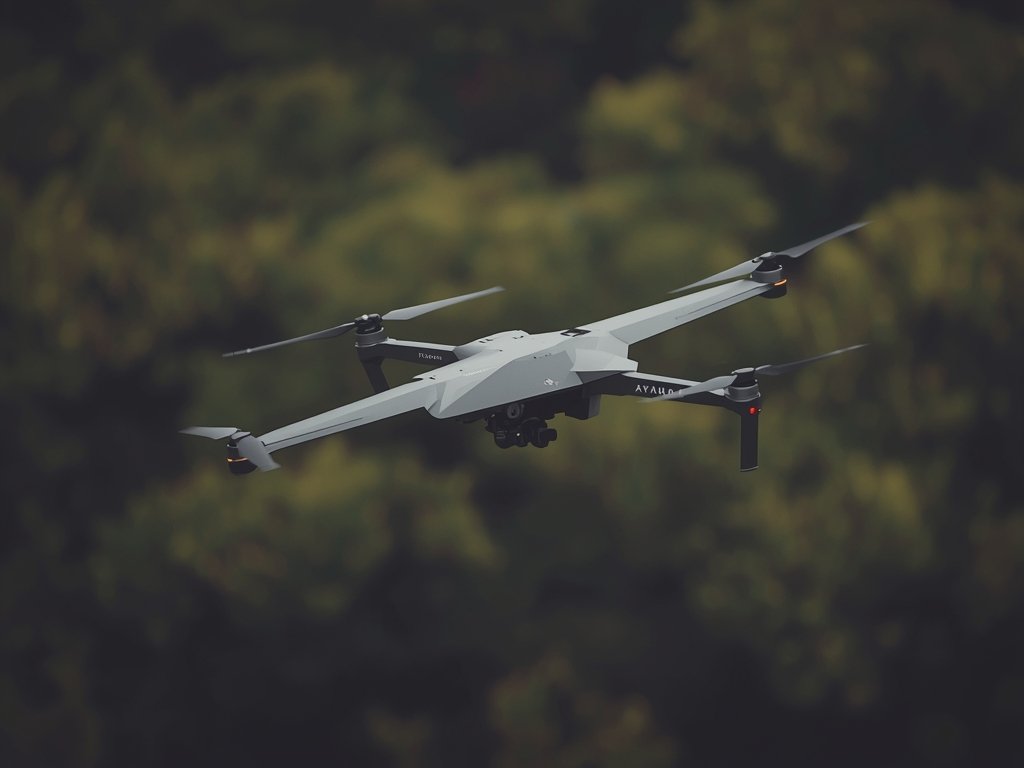
The drones at the centre of the package can fly up to 1,000 km and carry heavier warheads, according to the Kyiv Post. A 1,000 km range puts targets deep inside Russia within reach from Ukrainian territory, and the stated purpose is to hit military production sites — the factories and facilities that make the weapons Russia uses against Ukraine. Heavier warheads mean the drones can do more damage to hardened or industrial targets than the lighter systems that have been used for front-line strikes. The combination of range and payload is what makes this pledge different from the thousands of smaller drones already in Ukrainian service.
Long-range one-way attack drones have become a defining weapon of this war. Ukraine has used them to strike oil refineries, airfields, ammunition depots and factories hundreds of kilometres inside Russia, while Russia has used its own long-range drones against Ukrainian cities and infrastructure on a near-nightly basis. The British pledge adds to Ukraine’s capacity on the offensive side of that exchange, and the explicit mention of military production sites suggests the drones are intended to degrade Russia’s ability to sustain the war, rather than to hit targets on the battlefield itself. That is a strategic mission, not a tactical one, and it is the mission that long range and heavy warheads are built for.
What the drones are, exactly, has not been said. The government has not named the models or the manufacturers, and no technical specification beyond range and warhead weight has been published. That gap is normal for an announcement of this kind — details of military systems are often withheld — but it means the pledge should be read as a commitment of scale and capability, not as a shopping list. Our guide to military drone types and specifications explains the difference between the long-range one-way attack category and the smaller tactical systems that dominate the front line, and why range and payload are the two numbers that matter most for a strike mission.
Where the Money Goes: Over 80% Spent in the UK
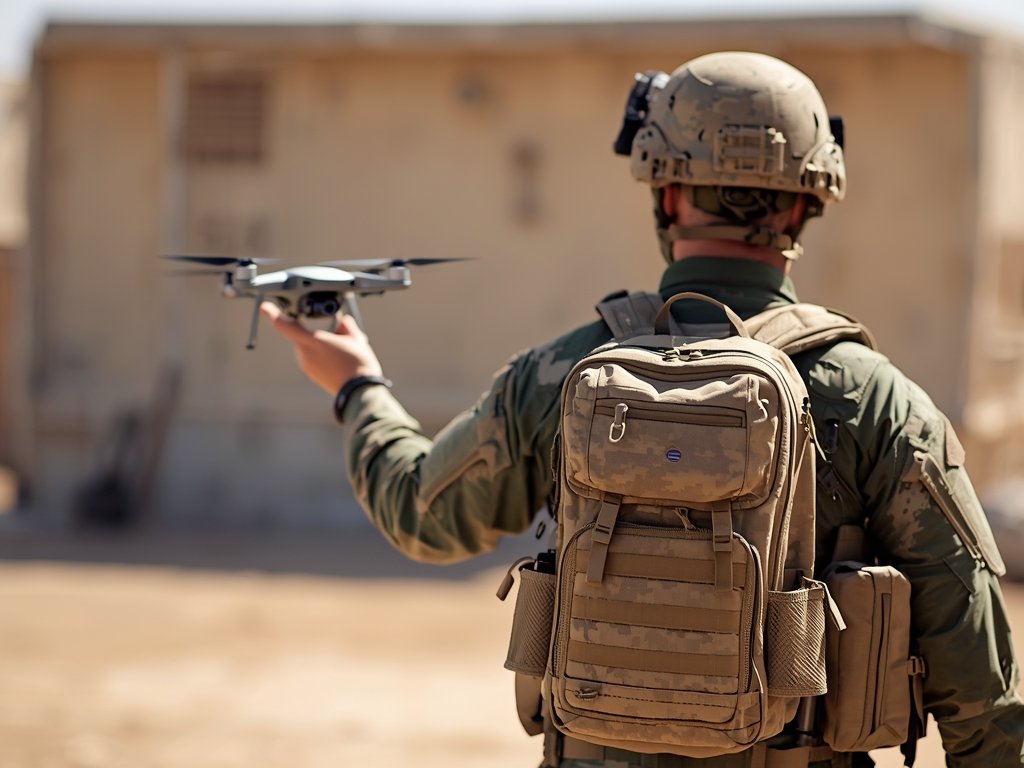
More than 80 percent of the £260 million will be spent in the United Kingdom, according to the Kyiv Post and The Nation. That figure is as much a domestic industrial announcement as a foreign-policy one: the pledge is intended to support British manufacturing jobs and to build up the UK’s own drone production base. For a government announcing a large overseas military commitment, the domestic spending share is a deliberate part of the message, and it reflects a wider trend in which allied governments are using Ukraine aid to rebuild their own defence industries.
The domestic angle also matters for delivery. A package that is mostly built in the UK depends on British factories being able to produce the drones at the required rate, and on the supply chains behind them. No delivery deadline has been given, so it is not yet possible to say when the first of the 1,000 drones will reach Ukraine, or how quickly the full number will be delivered. The absence of a timetable is one of the main unknowns in the announcement, and it will be the first thing to watch as the package moves from pledge to production.
The industrial picture is part of a larger shift. Across Europe, governments are investing in drone production at a pace not seen in decades, driven by the war in Ukraine and by the realisation that uncrewed systems are now central to warfare. Britain’s pledge fits that pattern: a large order, placed with domestic industry, for a system that has proved itself in combat. Our guide to drone swarm military technology covers how these systems are evolving beyond single aircraft into coordinated groups, a direction that long-range strike programmes are increasingly following.
The Berlin Meeting: Coalition of the Willing
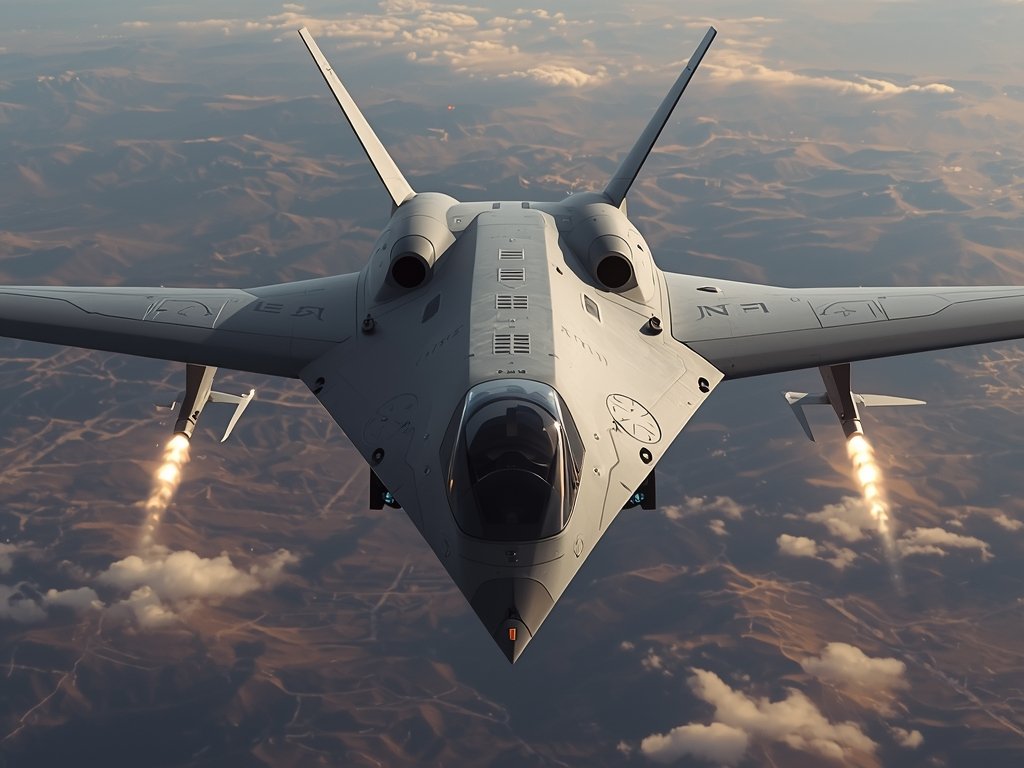
The pledge was announced at a meeting of the Coalition of the Willing in Berlin, according to the Kyiv Post. The coalition is the grouping of allied nations that has coordinated military support for Ukraine, and Berlin was the venue for its latest meeting on Thursday 19 November. Announcing a package of this size at a coalition meeting, rather than in a standalone statement, is a deliberate choice: it presents the commitment as part of a collective effort, and it puts pressure on other members to match it with their own announcements.
The setting also explains the tone of the announcement. Coalition meetings are where allied leaders align their support and send signals to Moscow as well as to Kyiv. A pledge of 1,000 long-range drones, with the stated purpose of striking military production sites deep inside Russia, is a signal in itself: it tells Russia that allied support for Ukraine’s long-range strike capability is growing, and it tells Ukraine that its partners are willing to back strikes beyond the front line. The political message is inseparable from the military one, and both were delivered from the same press conference.
For the drone industry, the Berlin announcement is another sign of how central uncrewed systems have become to allied defence planning. A decade ago, a coalition meeting would have announced fighter jets, tanks or artillery. Now the headline item is a thousand drones. That shift is reflected in procurement across NATO, where drone programmes that were once niche are now among the largest items in defence budgets. Our guide to tactical military drone capabilities explains how the technology has moved from the margins to the centre of military planning in the space of a few years.
The Other Side of the Press Conference: Strikes on Kyiv

At the same press conference, President Zelensky said a Russian drone had damaged St Volodymyr’s Cathedral and the Austrian and Dutch embassy buildings, according to the Kyiv Post. The statement was a reminder of the other side of the drone war: while Britain was announcing long-range strike drones for Ukraine, Russia was using its own drones against targets in the Ukrainian capital, including a cathedral and diplomatic buildings. The juxtaposition was not accidental. Zelensky’s remarks framed the British pledge as a response to an ongoing campaign of strikes on Ukrainian cities, and they underlined the argument that Ukraine needs long-range capability to hit back at the sources of those attacks.
The damage to a cathedral and two embassy buildings carries a diplomatic weight beyond the physical destruction. St Volodymyr’s Cathedral is one of Kyiv’s most important religious sites, and the Austrian and Dutch embassies are the sovereign premises of two European states. A strike that damages both in the same attack is the kind of incident that hardens allied resolve, and it is the kind of detail that gets repeated in the press conferences that follow. Zelensky’s decision to raise it at the same event as the British pledge linked the two stories: the damage in Kyiv, and the drones that will be sent in response.
The episode also illustrates the asymmetry of the drone war. Russia’s long-range drone campaign against Ukrainian cities has been running for years, with hundreds of drones launched in single nights. Ukraine’s long-range strikes into Russia have been effective but smaller in scale, constrained by the number of systems available. A pledge of 1,000 long-range drones, if delivered in full, would narrow that gap — and the stated target set, military production sites, is aimed at the factories that make the drones and missiles Russia launches at Kyiv. The war of drones is, increasingly, a war against the other side’s drone factories.
What We Still Don’t Know

Several important details were not included in the announcement. The government has not named the drone models or the manufacturers, so it is not yet possible to say which British companies will build the systems or what their exact capabilities are. No delivery deadline has been given, so the pace of delivery is unknown — whether the drones will arrive in weeks, months, or over a longer period. And no breakdown has been published of how the £260 million is split between the long-range strike drones and the maritime, logistics and surveillance systems that make up the rest of the package.
Those gaps are worth stating plainly, because they are the difference between a pledge and a delivery. Announcements of military aid are often followed by long production and delivery timelines, and the history of this war includes pledges that took far longer to arrive than the headlines suggested. The 80 percent domestic spending figure suggests the drones will be built in Britain rather than bought off the shelf, which points to a production timeline rather than an immediate transfer. Until a delivery schedule is published, the pledge should be treated as a commitment, not as hardware on the ground.
There are also questions about how the drones will be used. The stated purpose is to hit military production sites deep inside Russia, but the rules governing those strikes — which targets are authorised, and who authorises them — have not been described. Previous long-range strike programmes have operated under restrictions on target selection, and it is not yet clear whether this package carries any. Those questions will be answered in the months ahead, as the first drones are delivered and the first strikes are reported. Until then, the facts are the numbers: 1,000 drones, 1,000 km, £260 million, and more than 80 percent spent in the UK. For pilots and enthusiasts, the wider lesson is about endurance: a drone that can fly 1,000 km is an extreme version of the same flight-time problem that limits every aircraft, and our guide to long flight time drones explains how range, payload and battery trade off against each other at every scale.
Frequently Asked Questions
How many drones is the UK sending to Ukraine? Prime Minister Andy Burnham pledged 1,000 long-range drones, according to the Kyiv Post. The package is worth £260 million, about $342 million, and also includes maritime, logistics and surveillance drones.
How far can the pledged drones fly? The drones can fly up to 1,000 km and carry heavier warheads, according to the Kyiv Post. They are intended to strike military production sites deep inside Russia.
How much of the money will be spent in the UK? More than 80 percent of the £260 million will be spent in the United Kingdom, according to the Kyiv Post and The Nation. The pledge is intended to support British manufacturing as well as Ukrainian defence.
Which drone models are included? The government has not named the models or the manufacturers, and no delivery deadline has been given. Those details have not been published, and this article does not speculate about them.
What did Zelensky say at the same press conference? According to the Kyiv Post, President Zelensky said at the same press conference that a Russian drone had damaged St Volodymyr’s Cathedral and the Austrian and Dutch embassy buildings in Kyiv.
Join Our Pilot Community
Connect with fellow drone enthusiasts, share your aerial shots, and get access to free PDF ebook guides.




