Real estate is where most drone pilots earn their first paid flight, and it is also where most of them undercharge. The work looks simple — a dozen aerial stills of a house — and the price looks like it should be simple too. It is not. The same job is worth $75 as an add-on to a photographer’s shoot and $500 as a standalone video package, and the difference is not the flying: it is what is delivered, who is buying, and how the job is quoted. This guide gives the 2026 numbers as the market reports them, explains what moves them, and shows how to quote a job so the price covers the work.
A note on the numbers first. There is no official rate card for drone work, and the sources disagree with each other — by design, because they are measuring different things in different markets. The figures below are attributed to the source that published them: PropPhoto’s marketplace data, Fash’s cost guide, Thumbtack’s national averages, and the 2026 rate guides that compiled them. Where they disagree, the guide says so.
The Short Answer: $150 Standalone, $75–$200 as an Add-On

PropPhoto, a marketplace where photographers publish their prices, computes typical prices from packages that contain exactly one service. Its page, last updated in October 2026 from 992 packages by 488 photographers, puts typical standalone drone photography at $150, with most standalone packages between $125 and $250, and typical drone video at $250. Added to a regular photo shoot, drone work is cheaper: usually $50 to $250 depending on the state. PhotoFounder’s 2026 rate guide gives the same shape with wider bands: $150 to $350 for standalone aerial stills, $250 to $500 for stills plus a short video, and $500 to $1,000 or more for a full video production, with an add-on to an existing shoot at $75 to $200.
Those numbers are the market for a standard residential property. Large homes, land sold by the acre, and photo-plus-video packages run $250 to $800 or more, and commercial or luxury properties run higher still. But the shape is stable across every source: the add-on is the cheap job, the standalone stills package is the standard job, and the video package is where the money is. If you are starting out, price the add-on first — it is the fastest way to a first client.
What the Price Buys: Stills, Video, and Deliverables

Price is set by deliverables, not by flight time, and the first thing to define in any quote is what the client receives. A stills package is usually fifteen to twenty-five edited aerial photographs, delivered ready for the listing. The standard package across the guides is twenty edited stills plus a ninety-second video for $300 to $450; the budget tier — fifteen edited stills, no video — runs $150 to $250. A premium package, twenty-five or more stills with a two-to-three-minute video and a twilight add-on, runs $600 to $800.
Video changes the price because it changes the work. A thirty-to-sixty-second clip cut from the same flight is a small increment. A one-to-three-minute cinematic video with editing, music, and colour grading is a different job, priced as one: $500 to $1,000 or more for a full production. Turnaround matters too — same-day or next-day delivery typically carries a surcharge, and rush delivery is one of the few things agents will pay a premium for without negotiation. Travel is the other: a rural location more than thirty miles from the photographer’s base typically carries a $50 to $150 surcharge. And airspace: a listing near a regional airport that needs a LAANC authorisation can add cost and time, and one guide prices that step at up to $75 on complex jobs — although LAANC itself is free, and the fee, where it appears, is the operator’s time, not a government charge.
Pricing by Property Type
Property type moves the price more than any other single factor. A standard residential home under 3,000 square feet is the bread-and-butter job: $100 to $200 as an add-on, $150 to $350 standalone, a quick flight, five to eight shots. A large residential property — 3,000 square feet or more, with acreage — runs $150 to $300 as an add-on and more standalone, because there is more flight time, more angles to cover, and more ground to show.
Land and farms are priced differently again. Some photographers charge by the acre for farm and land work — one South Carolina photographer cited in the guides charges $10 an acre with a 30-acre, $300 minimum — because the job is coverage, not a single house. Commercial property runs $300 to $600 or more for stills, and $500 to $1,000 or more with video, because the client budgets are larger and the deliverables are used in marketing beyond the listing. Luxury property is the top of the range: the guides put it at $400 to $1,200 per shoot, and the reason is not the flying — it is the production value, the twilight shots, and the expectation that the video will carry the listing. Price the property, not the drone: the same flight over a $200,000 house and a $2,000,000 house is not the same job, because the client, the deliverables, and the stakes are different.
Pricing by Package: Add-On vs Standalone vs Full Production
How you sell the work matters as much as what you charge for it, and the three packages are three different businesses. The add-on is drone photography sold to a photographer or an agent who is already paying for a shoot: $50 to $100 on Fash’s figures, $75 to $200 on PhotoFounder’s, for five to fifteen aerial images. It is the cheapest job because the photographer is already there, and it is the easiest to sell because the agent is already spending. New pilots should start here.
The standalone package is drone photography sold on its own: $100 to $300 for photos only on Fash’s figures, $150 for a typical standalone package on PropPhoto’s data. October AI’s pricing guide compiles PropPhoto, Fash and Thumbtack data into a single comparison, and its bands match the ones above. It is a dedicated visit, ten to fifteen photographs, light editing, and a delivery window of a few days. The full production is the top tier: $250 to $500 for photos and video on a small property, $350 to $800 on a large one, and $500 to $1,000 or more for a full cinematic production. The rule across all three is the same: quote the deliverables, not the hours — agents buy photographs and video, and the price that wins the job is the price attached to a clear list of what they receive. Our guide to drone photography pricing generally covers the same three tiers across all kinds of work, and the real estate numbers here fit inside that framework.
What Moves the Price Up or Down
Five factors move the price consistently: the deliverable type, the site complexity, the required accuracy, the turnaround time, and the operator’s experience and equipment. Deliverable type is the biggest: a set of stills costs far less than a video package, and a video package costs far less than a map or a 3D model. Site complexity is next: an urban property near an airport, a large rural property, a site with obstacles or restricted airspace all cost more than a suburban house on an open lot. Turnaround is the third: same-day delivery carries a premium.
Experience and equipment are the fourth and fifth, and they are the ones a new pilot controls least. A first-year pilot building a portfolio charges $75 to $150 as an add-on — lower rates to build sample work. A professional with three or more years and cinematic capability charges $300 to $500 or more, and the difference is visible in the work: the shots are better composed, the video is smoother, the edit is faster. Location is the last factor, and it is the one the guides disagree on most: PhotoFounder’s state-by-state add-on table puts California at $100 to $250, and the same job in a smaller market can be $50 less — so check the local market, not the national average, before you set a rate. And remember the market itself: listings with drone photographs sell faster than those without — one guide puts the figure at 68 percent faster — which is the argument for the price, not the price itself.
The Law Comes First: Part 107, Registration, Remote ID

None of the pricing matters without the paperwork, because commercial drone work without it is illegal and voids any insurance coverage. Every commercial operation — including a single paid real estate shoot — requires an FAA Part 107 Remote Pilot Certificate. The test fee is approximately $175, the certificate is valid for 24 months, and our two-week Part 107 study plan covers the preparation. Every drone that requires registration must be registered — $5 per drone, valid for three years — and since September 2023 every drone that requires registration must also broadcast Remote ID during flight.
Verify a pilot’s certificate before booking, and expect a client to verify yours. Real estate agents who hire unlicensed pilots are taking a risk they do not understand, and the pilot who flies without a certificate is the one who pays for it: the FAA’s civil penalty can reach $27,500 per violation. Insurance is the other half of the paperwork: commercial liability cover is expected on professional jobs, and a policy that covers an illegal flight does not exist. For the market context — what pilots earn across all kinds of work, not just real estate — our guide to how much drone pilots make sets out the salary picture.
How to Quote a Job (and What to Put in Writing)
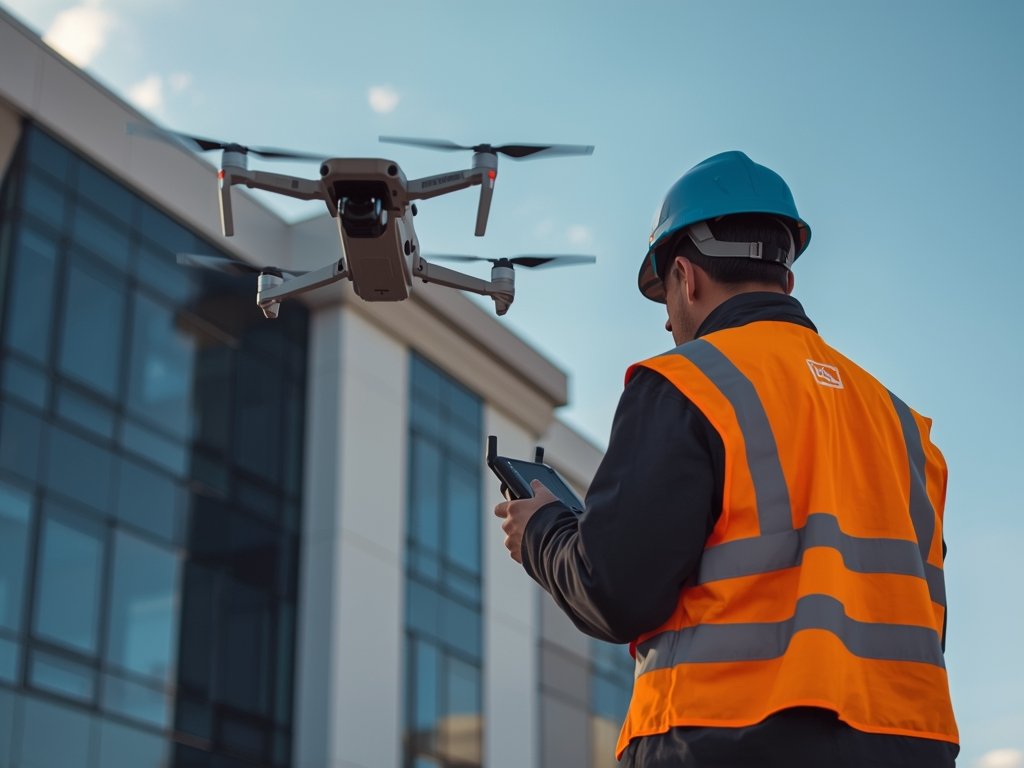
Quote the job after you have seen the property, not before. A satellite view tells you the size and the shape, but it does not tell you the trees, the power lines, the neighbour’s roof, or the airport three miles away that means a LAANC authorisation. Ask for the address, check the airspace, and give the client a written quote that lists the deliverables — the number of stills, the length of the video, the turnaround time, and the number of revision rounds included — plus the price, the travel surcharge if any, and the cancellation term for weather. A written quote protects both sides.
Price the whole job, not the flight. The flight is fifteen minutes. The edit is an hour, the delivery and the revisions are another hour, and the drive is what it is. A price that covers only the flight is a price that loses money on every job. Include the editing, the delivery, and one round of revisions in the base price, and charge for more. And put the usage in writing: the photographs are licensed for the listing and the agent’s marketing, not for resale to a third party, and a licence that is written down is a licence that can be charged for. If the client wants the raw files, that is a separate line on the quote, not a favour.
Getting the First Real Estate Clients
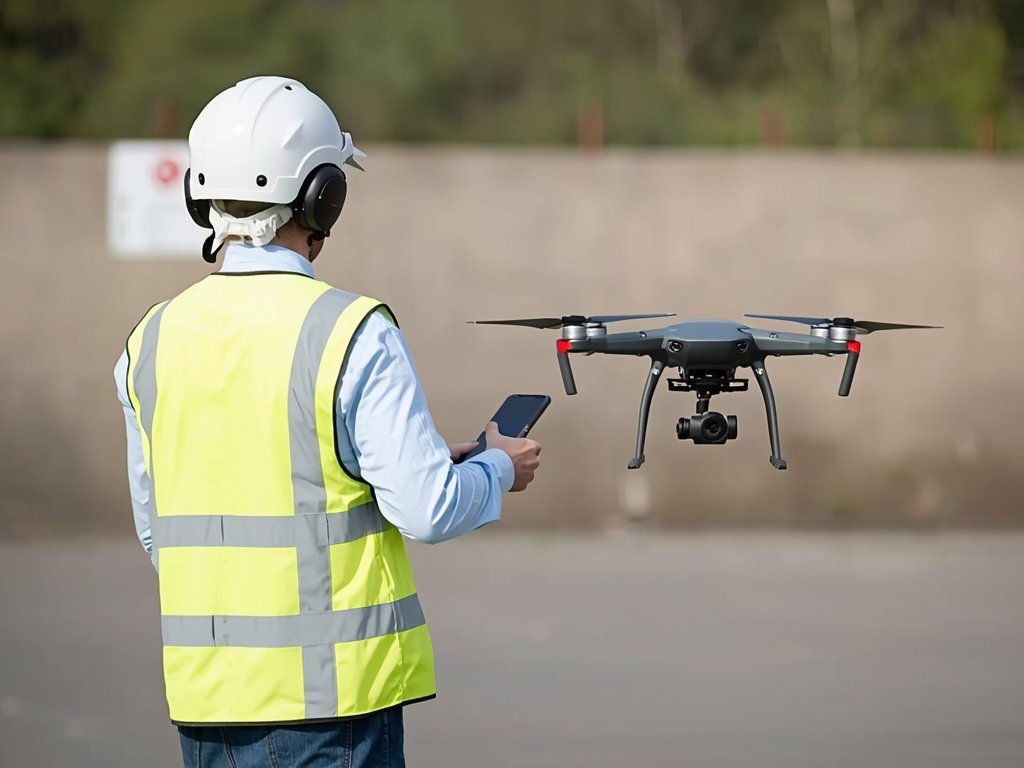
The first clients are the hardest, and the advice is the same as for any drone service: one portfolio, one offer, one channel at a time. Build five clean shots before you have a client — five aerial photographs of houses, land, and neighbourhoods that show what you can do — and show them to the people who already sell to your clients: estate agents, photographers, and property managers. The add-on is the way in: offer it to a photographer who is already shooting listings, at a rate that makes it easy to say yes, and let the work sell the next job. Our guide to getting your first drone client covers this in full.
Price the first jobs to win them, not to maximise them. A first-year pilot charging $75 to $150 as an add-on is not undercharging — they are buying a portfolio and a testimonial, and both are worth more than the difference. Raise the rate as the portfolio grows, and raise it in steps the work justifies: add video, add twilight, add a faster turnaround, and charge for each one. The agents who hire the same pilot twice are the business, and the pilot who delivers on time, with clean photographs and a clear quote, is the pilot they call twice. For the aircraft itself, our guide to the best drone for real estate photography covers what to fly — and it matters less than the pilot realises, because the agent is buying the photographs, not the drone.
The bottom line is simple: real estate drone photography pays $150 for a standalone stills package, $75 to $200 as an add-on, and $250 to $500 with video — and the pilots who earn the top of the range are the ones who quote the deliverables, deliver on time, and hold the certificate.
Join Our Pilot Community
Connect with fellow drone enthusiasts, share your aerial shots, and get access to free PDF ebook guides.