A note before the calendar, because honesty is the price of this page: the previous version listed a season of specific events — named races in named cities with confident dates. We could not verify those events exist, and a calendar you can’t trust is worse than none. So this page does the job properly: it documents how the real US racing season is structured, when each phase typically runs, and points you to the official listings where actual dates live and are updated by the organisers themselves. The racing is entirely real — it’s the fake precision that has been retired.

The Backbone: MultiGP and the Chapter System
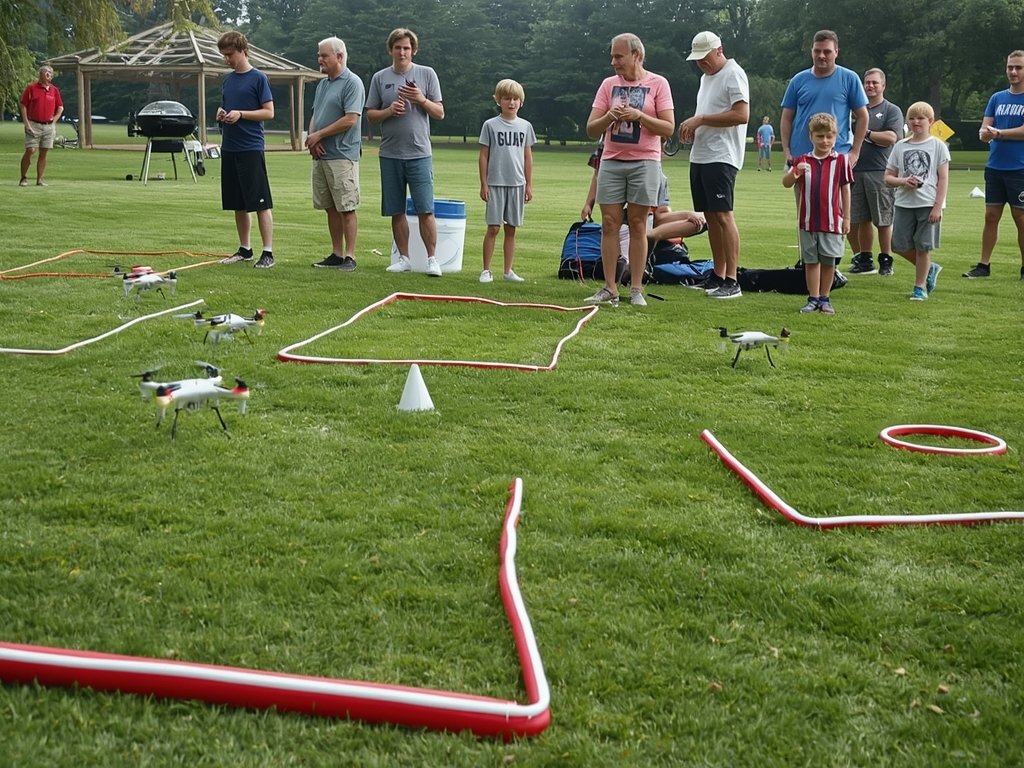
American FPV racing runs on MultiGP: a sanctioning body with hundreds of local chapters whose volunteer organisers run races on chapter fields all season. This is the calendar that matters to 95% of pilots — chapter racing: weekly or monthly local races, run what-you-brung classes alongside spec and whoop classes, modest entry fees (typically $20–50 at local level), and the same faces improving together. MultiGP’s site hosts the live event listings and chapter finder; that database, filterable by your state, is the real “full calendar,” updated as organisers schedule — which is why any static web page (including this one) should only ever be the map, never the territory.
The Championship Ladder
- Chapter races (all season): your home ground — standings, practice under pressure, and where Global Qualifier form is built.
- Global Qualifiers (typically spring–summer): designated regional events where pilots post times on a standardised track against a national leaderboard — the meritocratic door into the championship tier.
- MultiGP Championships (typically autumn): the season’s summit, with Pro and Sport classes, where qualifier results convert into invitations. Dates and venue for the current year are announced through MultiGP’s official channels — check there rather than trusting any third-party summary, this one included.
- Spec and street-league classes run inside the same structure — identical-aircraft racing that rewards thumbs over wallets, and a genuinely kind on-ramp for new racers.
How the Season Flows (the Typical Shape of a Year)
- Winter: whoop season — indoor tiny-whoop leagues carry the sport through the cold months in much of the US, and it’s the cheapest, friendliest entry point on this entire page. Off-season is also build-and-simulator season (our simulator guide is winter homework).
- Spring: outdoor chapters restart in earnest; qualifier tracks are published and the first Global Qualifier events appear; community gatherings resume.
- Summer: peak season — qualifiers in full swing, the big community meet-ups and freestyle gatherings (the Rotor Riot community’s events are the famous flavour of these), and collegiate racing through the CDRA for student pilots.
- Autumn: championship season — MultiGP’s title events headline the calendar, chapters run their finales, and the leaderboard freezes into invitations and bragging rights.
- Year-round: chapter racing in milder states barely pauses; the desert Southwest and Florida race through winter outdoors.

Classes You’ll Meet on a 2026 Listing
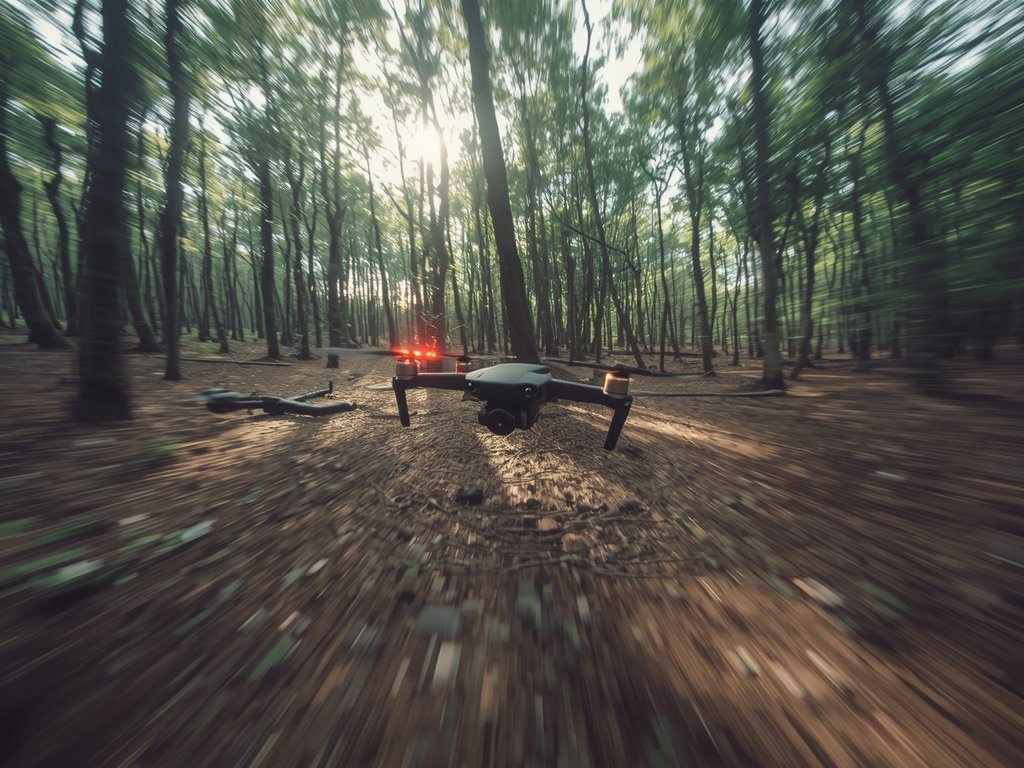
- Open class: the classic — 5-inch aircraft, your build, your tune. Where the fastest local pilots live.
- Spec classes: a mandated identical aircraft and battery (MultiGP’s spec racing is the flagship example): the purest test of thumbs, and mercifully cheap to enter because the aircraft is a known quantity.
- Whoop classes (65/75 mm): indoor and small-field racing with its own ladders — and, per the season section, the winter backbone of the sport.
- Freestyle (judged): not timed racing at all — scored acrobatics at community gatherings, run alongside races rather than inside the ladder.
- Team and endurance formats: occasional chapter experiments — shared aircraft, relay heats — worth trying once for the chaos alone.
Reading a Real Event Listing
The fields that tell you what a day will actually be: class and aircraft rules (does your quad fit?), VTX power cap (25 mW is the common event standard — plan for it), channel plan (assigned channels, changed between rounds), format (qualifying by fastest consecutive laps vs head-to-head brackets — they reward different skills), pilot cap and waitlist (popular qualifiers fill; register when registration opens, not the week of), and venue notes (shade, power for charging, field rules). A listing missing most of these is a casual fun-fly wearing a race’s clothes — which can be a lovely day, as long as you pack for the day it actually is.
About the Televised League (DRL)
The Drone Racing League built the sport’s television era — spec aircraft, stadium production, pilots as personalities. Its live-event cadence in recent seasons has been reduced and restructured compared with its peak years, and its current schedule should be taken from DRL’s own announcements rather than from habit or from articles like this one. We flag it because a calendar page that pretends otherwise would be doing exactly what this rewrite exists to stop. The grassroots structure above, by contrast, runs every week regardless of television.
Following the Season From Home
You can spectate the ladder without travelling: chapters and organisers stream race days, qualifier leaderboards update publicly as results post, and — the connoisseur’s option — the standardised qualifier tracks are published for the major simulators, so the exact course the nation’s pilots are attacking this month can be on your screen tonight. Flying the current qualifier track in Velocidrone or Liftoff while the real leaderboard fills in is the closest spectating in any sport gets to participation, and it doubles as legitimate preparation for entering the real thing next season.
Entering Your First Event
- Find your chapter on MultiGP’s chapter map and attend once as a spectator or volunteer (corner marshals see the whole sport in one afternoon).
- Register for a local race in the class your aircraft fits — whoop and spec classes are the kindest first doors. Many US events also ask for AMA membership for insurance (the Academy of Model Aeronautics is the national body) — check your event’s listing.
- Tech and impound: expect a failsafe check (radio off = motors off), a VTX channel/power assignment you’ll be held to (pit mode discipline matters), and a quick airworthiness look. Our beginner racing pathway walks through exactly what race day demands.
- Bring: the aircraft, 4–6 charged packs, spares (props above all), your radio/goggles, and a chair. The beginner picks guide covers what the aircraft itself should be.
- The night before: inspect the aircraft, charge everything, and change nothing — no firmware updates, no tune experiments, no new props you’ve never flown. Race morning should contain zero untested variables; the calendar’s gift is repetition, so experiments have their own weekends.
Planning a First Season
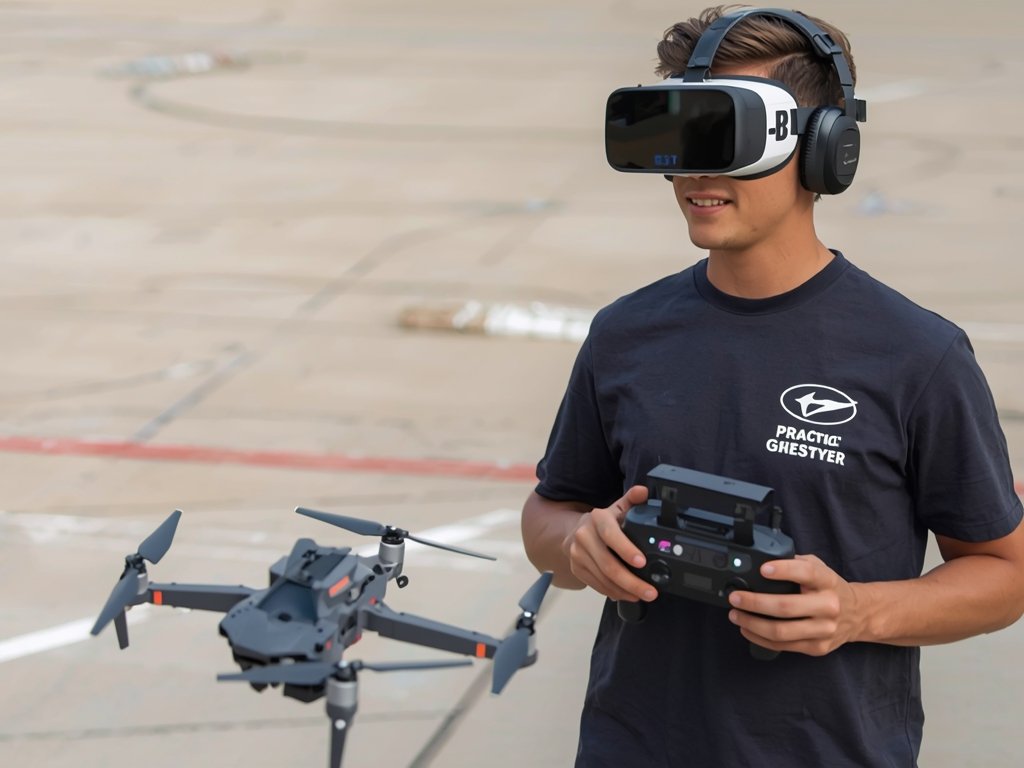
A realistic rookie year, mapped onto the calendar above: winter in the simulator and at whoop nights, learning rates and race lines cheaply; spring for your first chapter races with a single goal — finish every heat, because consistency data is what a first season is actually for; summer for one Global Qualifier entered as education (the standardised track humbles everyone the first time, and the leaderboard tells you exactly where you stand nationally); autumn for spectating or marshalling the championships, watching how the best organise a pit and a race day. Spend across the year follows the same arc: aircraft first, battery fleet second, travel last — the pilots who reverse that order own excellent luggage and three packs.
If There’s No Chapter Near You
Gaps exist, and the sport has standard answers: race with the neighbouring chapter monthly (pilots routinely drive an hour or two — carpool culture is real), fly with an AMA club that runs drone programmes, join a university CDRA team if you’re a student, or — the move that built half the map — talk to MultiGP about starting a chapter: a field, a handful of pilots and an organiser willing to run a timing loop is genuinely how chapters begin. The calendar’s white spaces are not closed doors; they’re unclaimed ones.
The Race-Day Rhythm
A typical chapter day: gates open early for setup and the pilots’ meeting (format, channels, safety — attend it; the day’s rules live there and nowhere else), open practice in seeded groups, qualifying heats through the middle of the day with batteries rotating on chargers like a small logistics exercise, then mains or brackets, podiums and pack-down by mid-afternoon. Between your heats you are expected to marshal corners and spot for other pilots — the sport’s labour exchange, and the fastest education available: an afternoon of watching fast pilots’ lines from three metres away teaches things no video has. If you’re pre-aircraft entirely, step zero is our FPV beginner’s guide.
FAQ
What equipment do I need to start FPV drone racing?
A race-legal aircraft for your class (whoop or 5-inch BNF are the usual starts), radio, goggles, a battery fleet and spares — the full staged list is in our beginner pathway guide. At chapter level, nobody inspects your gear for fashion; they inspect it for failsafes and channel discipline.
How much does it cost to get into FPV drone racing?
The aircraft ecosystem runs roughly $250–450 (whoop route) to $700–1,100 (full 5-inch), as costed in our picks guide; event entry at local level is typically $20–50, with qualifier and championship events costing more. Season costs are dominated by batteries, props and travel, in that order.
Are there age restrictions for FPV drone racing events?
Chapter racing is broadly all-ages with guardian presence for minors, and junior pilots are a normal sight at whoop races; specific classes and venues set their own terms in their listings. Check the event page — which, per this article’s whole argument, is where real details live.
Can I spectate at FPV drone racing events without participating?
Yes — spectating and volunteering are the recommended first contact. Many venues run spectator screens showing the live feeds (racing is one of the few sports where the audience can literally see through the competitors’ eyes), and events run on volunteer labour that newcomers are welcomed into.
How can I find local FPV drone racing events near me?
MultiGP’s event listings and chapter finder, filtered by your state, are the authoritative source — supplemented by your local hobby shop’s noticeboard and chapter social pages. If a listing can’t be found on the organiser’s own platform, treat it the way this page now treats its own predecessor: as unverified.
This guide describes the season’s structure as it has run in recent years; organisers announce each year’s confirmed dates through their own channels, which outrank anything written here.
Join Our Pilot Community
Connect with fellow drone enthusiasts, share your aerial shots, and get access to free PDF ebook guides.