
Take Flight: The Ultimate Beginner’s Guide to FPV Drones
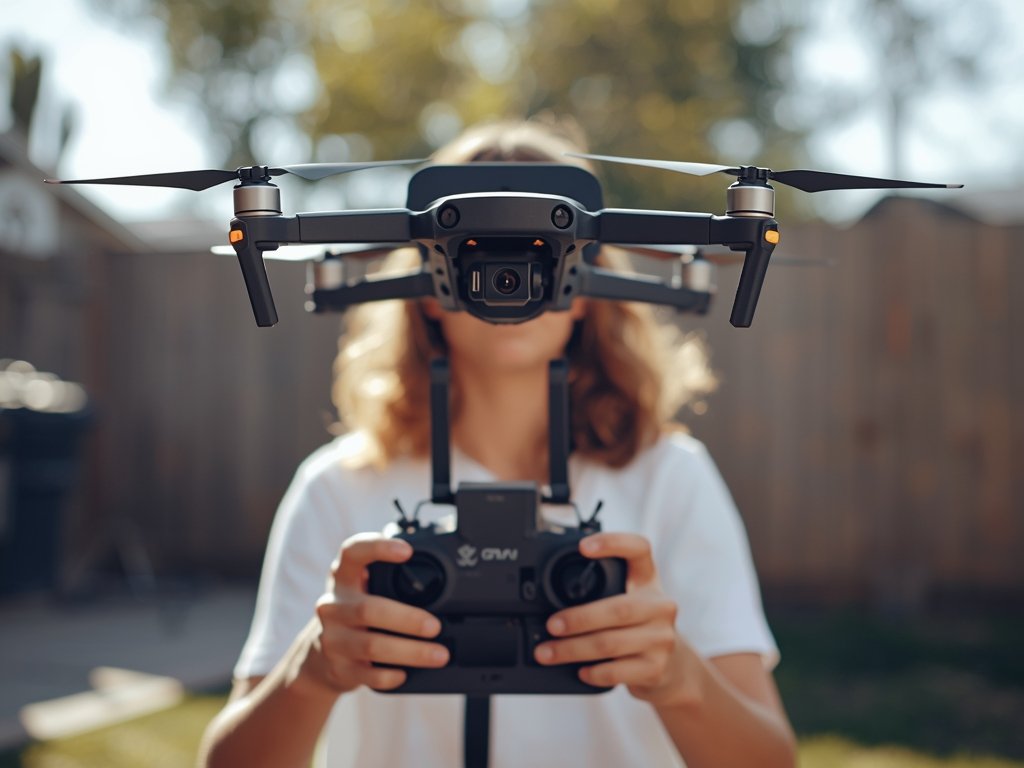
Ready to see the world from a whole new perspective? First-person view (FPV) drones aren’t just for pros anymore. With the right gear and a bit of practice, you can be soaring through the skies like a pro in no time. But where do you start? We’ve done the legwork to bring you the best FPV drones for beginners that are easy to set up and even easier to fly. Let’s dive in!
Why FPV Drones Are a Game-Changer for Beginners
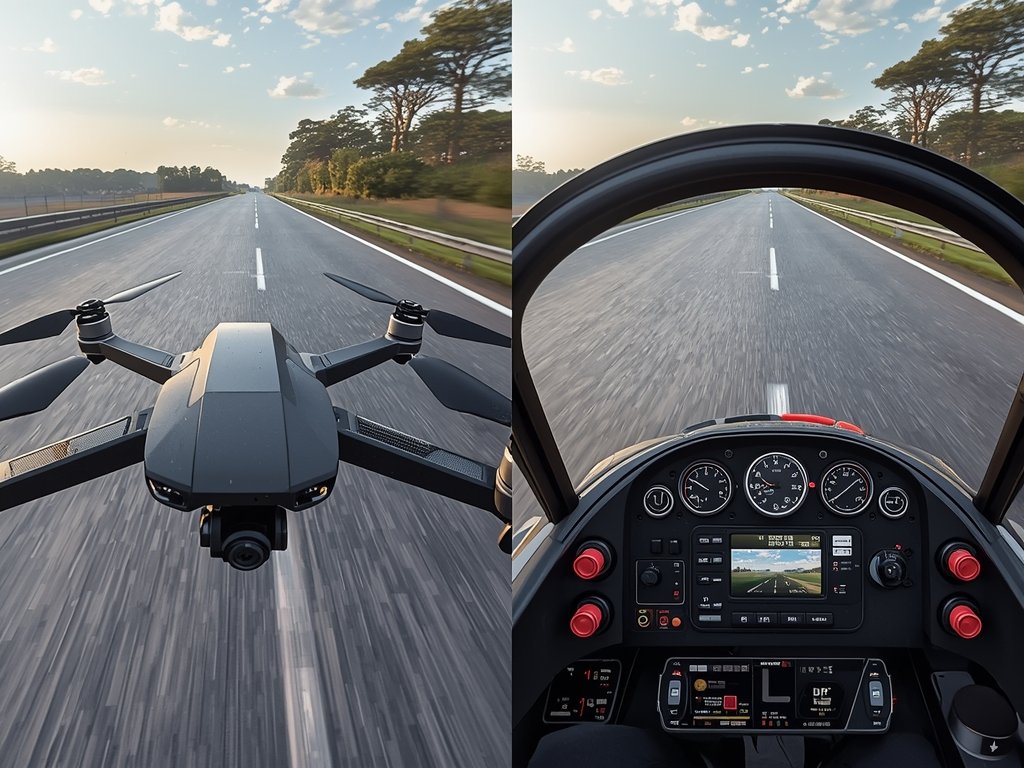
FPV drones aren’t just toys—they’re gateways to a thrilling hobby. Unlike standard drones, FPV models let you see exactly what the drone sees in real-time, giving you a pilot’s-eye view of the action. It’s like being in the cockpit of your own miniature aircraft, minus the need for a pilot’s license.
For beginners, FPV drones offer a unique blend of excitement and accessibility. Modern models are designed with user-friendly features, making them perfect for those just starting out. Plus, the learning curve is part of the fun—every crash, every twist, and every turn teaches you something new.
What to Look for in Your First FPV Drone
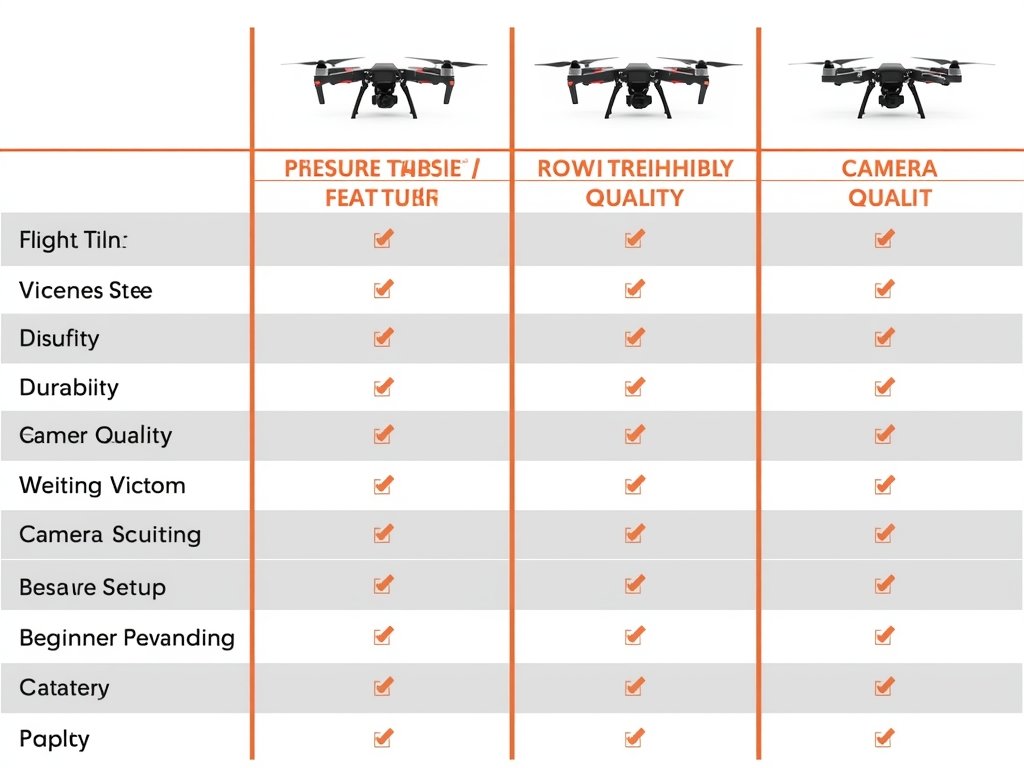
Not all FPV drones are created equal, especially when it comes to beginner-friendliness. Here’s what to keep in mind as you shop:
- Durability: You’re going to crash—a lot. Look for drones with sturdy frames and replaceable parts.
- Ease of Setup: Nobody wants to spend hours assembling a drone. Opt for models that come ready-to-fly or require minimal assembly.
- Flight Time: Longer battery life means more time in the air and less time waiting for recharges.
- Camera Quality: A clear, lag-free video feed is essential for an immersive FPV experience.
- Price: You don’t need to break the bank. There are plenty of affordable options that don’t skimp on quality.
Top Picks: Best FPV Drones for Beginners in 2026
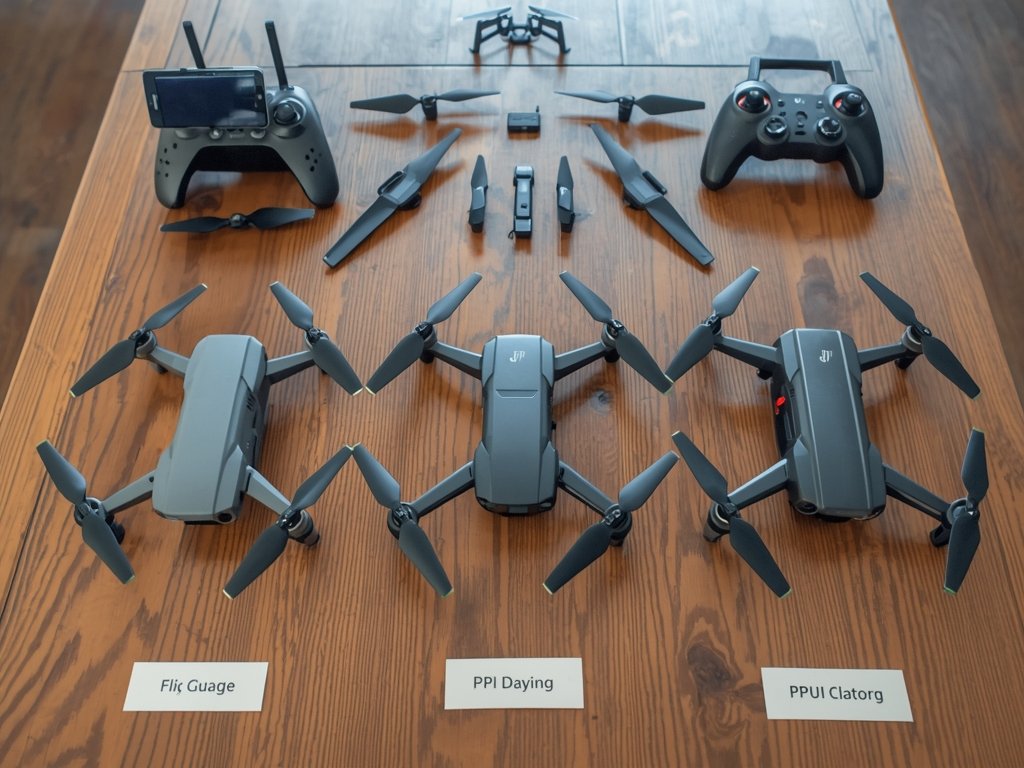
1. BetaFPV Cetus Pro: The All-in-One Starter Kit
If you’re looking for a drone that’s ready to fly right out of the box, the BetaFPV Cetus Pro is a top contender. This kit includes everything you need—drone, goggles, controller, and batteries—all in one package. The Cetus Pro is incredibly durable, thanks to its lightweight yet robust frame, and its intuitive controls make it perfect for first-timers.
The built-in GPS and altitude hold features are a lifesaver for beginners, helping you maintain stability even when you’re still getting the hang of things. Plus, the included simulator lets you practice flying without risking a crash.
2. Eachine Novice II: Budget-Friendly and Fun
For those on a tighter budget, the Eachine Novice II is a fantastic option. This drone strikes the perfect balance between affordability and performance, offering a smooth FPV experience without breaking the bank. Its compact size makes it easy to fly indoors or out, and the durable design can handle the occasional bump or crash.
The Novice II comes with a 4K camera, ensuring a clear and immersive view. The included controller is ergonomic and easy to use, making it a great choice for beginners who want to focus on flying rather than fiddling with settings.
3. DJI FPV Combo: Premium Experience for Beginners
If you’re willing to invest a bit more, the DJI FPV Combo is the ultimate beginner-friendly drone. DJI is known for its high-quality drones, and this model is no exception. The FPV Combo includes a powerful drone, goggles, and a controller, all designed to work seamlessly together.
What sets the DJI FPV apart is its advanced safety features, like emergency brake and hover, which give beginners added peace of mind. The drone’s 4K camera and smooth flight controls make for an unparalleled FPV experience, whether you’re racing through the park or just exploring your backyard.
Setting Up Your FPV Drone: A Step-by-Step Guide
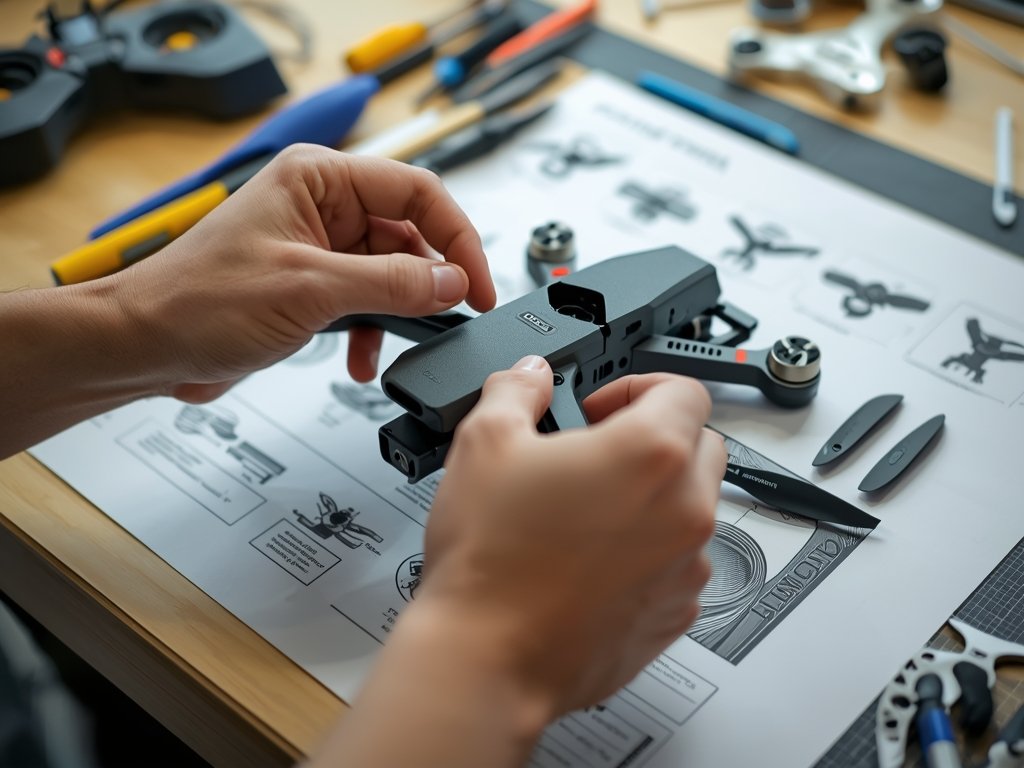
Once you’ve chosen your drone, it’s time to get it up and running. Here’s a simple step-by-step guide to help you get started:
- Unbox and Inspect: Carefully unbox your drone and check for any damage. Make sure all parts are included and in good condition.
- Charge Batteries: Before your first flight, fully charge the drone’s battery and any additional batteries you have.
- Assemble (if needed): Some drones come ready-to-fly, while others require minimal assembly. Follow the instructions carefully.
- Pair Controller and Goggles: Sync your controller and goggles with the drone according to the manufacturer’s instructions.
- Test in an Open Space: Find a wide, open area for your first flight. Avoid crowded places or areas with obstacles.
- Start Slow: Begin with basic maneuvers like hovering and gentle turns. Gradually work your way up to more advanced moves.
Tips for Safe and Fun Flying
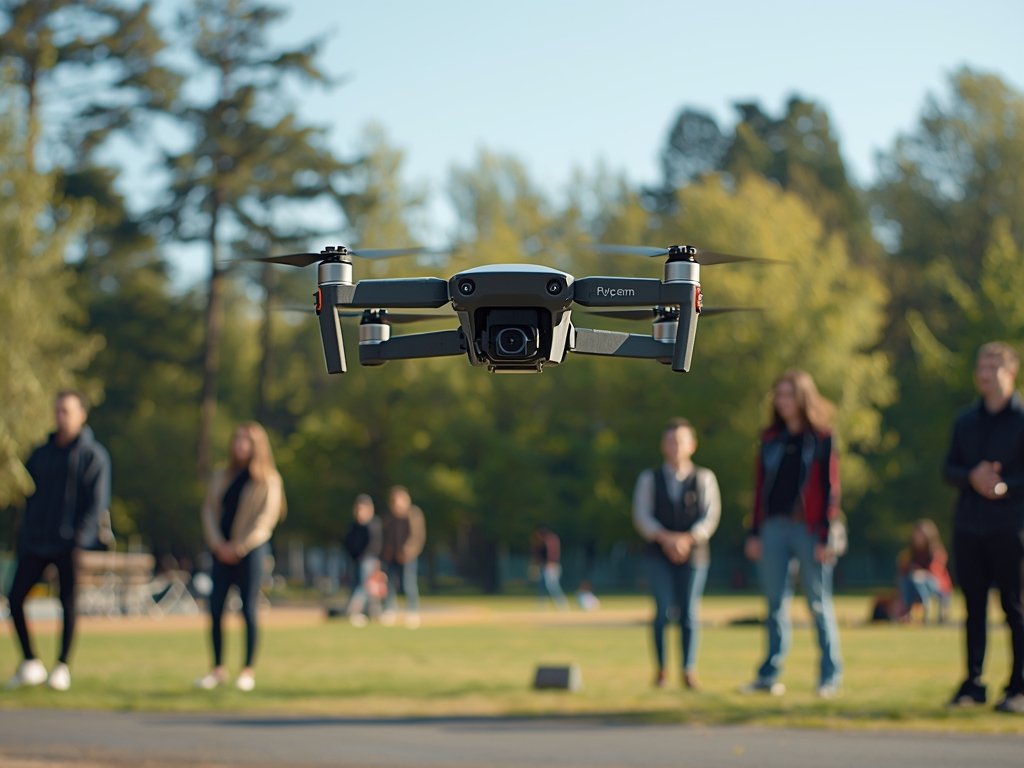
Flying an FPV drone is a blast, but safety should always come first. Here are some tips to ensure a fun and accident-free experience:
- Know the Rules: Familiarize yourself with local drone regulations. In the U.S., the FAA requires registration for drones over 0.55 lbs.
- Fly in Open Spaces: Avoid crowded areas, airports, and no-fly zones. Always keep your drone within line of sight.
- Check the Weather: Wind and rain can affect your drone’s performance. Fly on calm, clear days for the best experience.
- Practice Regularly: Like any skill, flying takes practice. Set aside time each week to hone your skills.
- Join a Community: Connect with other FPV enthusiasts online or in person. You’ll learn valuable tips and make new friends.
FAQ: Your Burning Questions Answered
How much does a beginner FPV drone cost?
Beginner FPV drones range from $100 to $500, depending on features and brand. Budget-friendly options like the Eachine Novice II are great for starters, while premium models like the DJI FPV Combo offer more advanced features.
Do I need any special skills to fly an FPV drone?
Not at all! FPV drones are designed to be beginner-friendly. With a bit of practice and patience, anyone can learn to fly one. Many models also come with safety features to help you get the hang of it.
How long does it take to learn FPV drone flying?
Most beginners can get the basics down within a few hours of practice. Mastering more advanced maneuvers can take weeks or even months, but the learning process is part of the fun!
Can I fly my FPV drone indoors?
Yes, but it’s best to start in a large, open space with minimal obstacles. Smaller drones like the Eachine Novice II are better suited for indoor flying, while larger models are best used outdoors.
What should I do if my drone crashes?
Don’t panic! Most beginner drones are built to withstand crashes. Inspect the drone for damage, replace any broken parts, and get back to flying. It’s all part of the learning process.
Join Our Pilot Community
Connect with fellow drone enthusiasts, share your aerial shots, and get access to free PDF ebook guides.