Yes, you can fly a drone in a city — but a city flight has two layers of rules, and most pilots who get into trouble only checked one of them. The first layer is federal: the Federal Aviation Administration sets the rules for the airspace over every city in the United States, and those rules do not change when you cross a city boundary. The second layer is local: the city, the county and the park authority decide where you may take off and land.
The Short Answer: Yes, With Two Layers of Rules

Flying in a city is legal when both layers are satisfied, and illegal when either one is broken. The federal layer asks whether the aircraft and the pilot are compliant — registration, the TRUST certificate, Remote ID, the 400-foot ceiling, visual line of sight, and staying clear of people and moving vehicles. The local layer asks where the flight starts and ends — whether the take-off point is a park that bans drones, a street where launching is prohibited, or private land where the owner has not given permission.
The practical consequence is that a city flight needs two checks before takeoff, not one: the airspace check, done in an app that shows controlled airspace and LAANC availability, and the ground check — the rules of the place your feet are standing on. Pilots who skip the second check are the ones stopped by a ranger or a police officer while their app shows a clean green map, because the app only knows about the sky.
The FAA Baseline: The Five Rules That Apply in Every City
The federal baseline is the same in a city of eight million people and a town of eight thousand, and it has five parts. First, registration: any drone weighing 250 grams or more must be registered with the FAA, and the registration number must be marked on the aircraft. Drones under 250 grams flown for recreation do not need registration, but that is the only exemption — the other four rules still apply to them. Second, TRUST: every recreational pilot must hold a TRUST certificate, the free online test the FAA requires of all recreational flyers, and must carry proof of it when flying. There is no exception for a small drone or a short flight.
Third, Remote ID: most drones must broadcast their identity and location while flying, a requirement that has applied since September 2023, with enforcement from March 2024. If your drone has built-in Remote ID, it broadcasts automatically; if it does not, you need a separate broadcast module. Fourth, the flight limits: stay below 400 feet above ground level, keep the drone within your visual line of sight at all times, and fly only in daylight or civil twilight unless you meet the conditions for night flight. Fifth, stay clear of people and moving vehicles: do not fly over people or over moving traffic, a rule that matters more in a city than anywhere else, because a city is full of both. Our guide to whether you can fly a drone over people explains the categories, the exceptions and the operations over people rules in full.
One more federal point matters for city pilots planning commercial work: any flight for business — real estate photos, roof inspections, paid video — is a commercial operation and needs a Part 107 certificate plus registration of the aircraft, whatever it weighs. Beyond-visual-line-of-sight flying is a separate question: Part 108, the rule that would create a routine path for it, is not in effect — proposed as a notice of proposed rulemaking in August 2025, with a draft final rule at the Office of Information and Regulatory Affairs since July 2026 — so long corridor or delivery flights beyond visual line of sight still need a waiver today.
Controlled Airspace in a City: LAANC, Authorisation and the 400-Foot Ceiling
Most large cities sit under or beside controlled airspace, because cities have airports, and airports have controlled airspace around them. New York sits under Class B airspace, Chicago sits under Class B around O’Hare and Midway, and most mid-size cities have Class C or Class D airspace over part of the metro area. Flying a drone in controlled airspace without authorisation is a federal violation, and it is the most common way a city flight breaks the law — the pilot launches from a legal park, climbs to 200 feet, and is inside controlled airspace the whole time without knowing it.
The fix is LAANC, the Low Altitude Authorization and Notification Capability, which gives near-instant authorisation for recreational and Part 107 flights in controlled airspace, up to the altitude shown on the facility map for that grid square — often 100, 200 or 400 feet, sometimes zero, which means no drone flight at all in that square. The check takes a couple of minutes in a LAANC app: enter the location, see the grid altitude, request authorisation, and fly only within the approved altitude. Our LAANC authorisation guide walks through the request, and the FAA’s own LAANC page lists the providers. Where LAANC is not available, the fallback is a manual authorisation request through the FAA DroneZone portal, which takes days rather than minutes, so plan city flights in new areas ahead of time.
The 400-foot ceiling deserves a specific warning for city pilots. Four hundred feet is measured above ground level at the drone’s position, not above your rooftop launch point — launching from a tall building does not add the building’s height to your allowance. In a city of towers, the ground-level reference is the street below the drone, and the safe habit is to fly well under the ceiling in built-up areas, where helicopters, cranes and building tops share the same low airspace. Temporary flight restrictions can close the airspace over a city with hours of notice — stadium events, presidential visits and emergency scenes — so check for them alongside LAANC.
City Rules in Practice: New York, Chicago and Your City
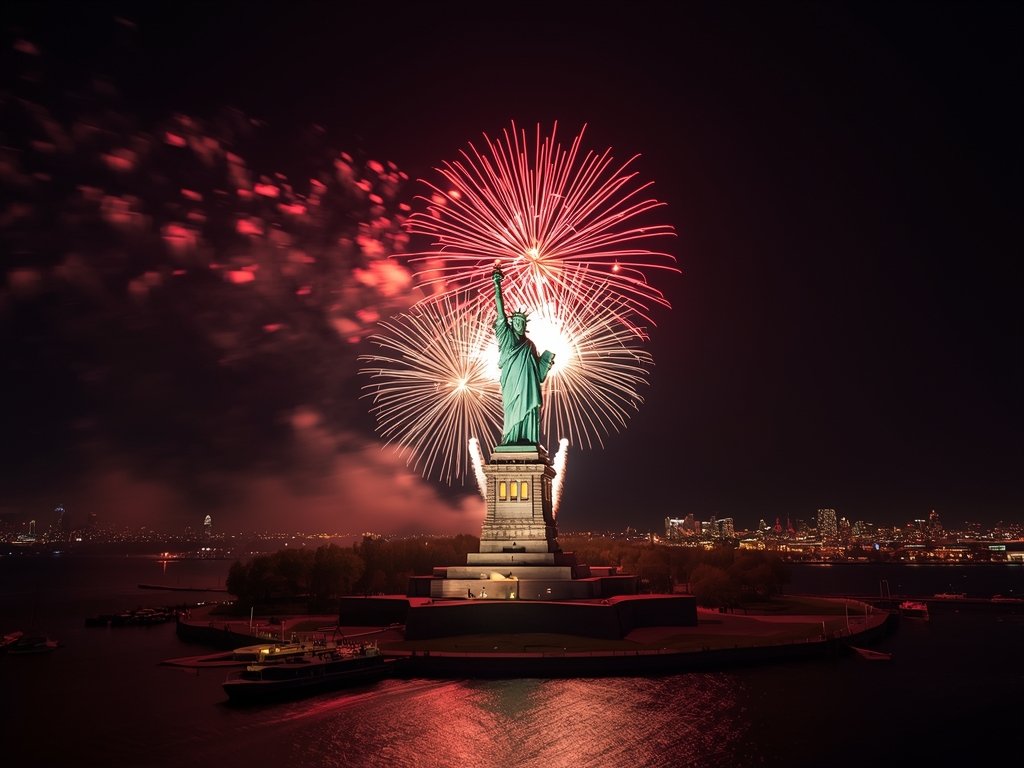
Three real cities show how local rules differ, and why there is no single national answer to “can I fly here?” New York City is the strictest large city in the country: local law, Administrative Code section 10-126, restricts drone take-off and landing, and flying in the city generally requires a permit from the New York Police Department, with much of Manhattan sitting in Class B controlled airspace that needs LAANC or DroneZone authorisation on top.
Chicago is strict in a different way: its Municipal Code, section 10-36-400, sets the city’s own drone rules, and the city sits under the Class B airspace of O’Hare and Midway, so authorisation is needed across much of the metro area. Boulder, Colorado shows the park side: its Open Space and Mountain Parks rules ban drone launches from open-space land, as the City of Boulder’s own drone-use page states.
Your own city will have its own version, and finding it takes one search, not one flight: look for the municipal code section on unmanned aircraft, the parks department’s drone policy, and the airport’s airspace map, in that order. If the municipal code is silent, the state law, the park rules and the federal rules still apply.
Parks, Streets and Rooftops: Where You Can Take Off and Land
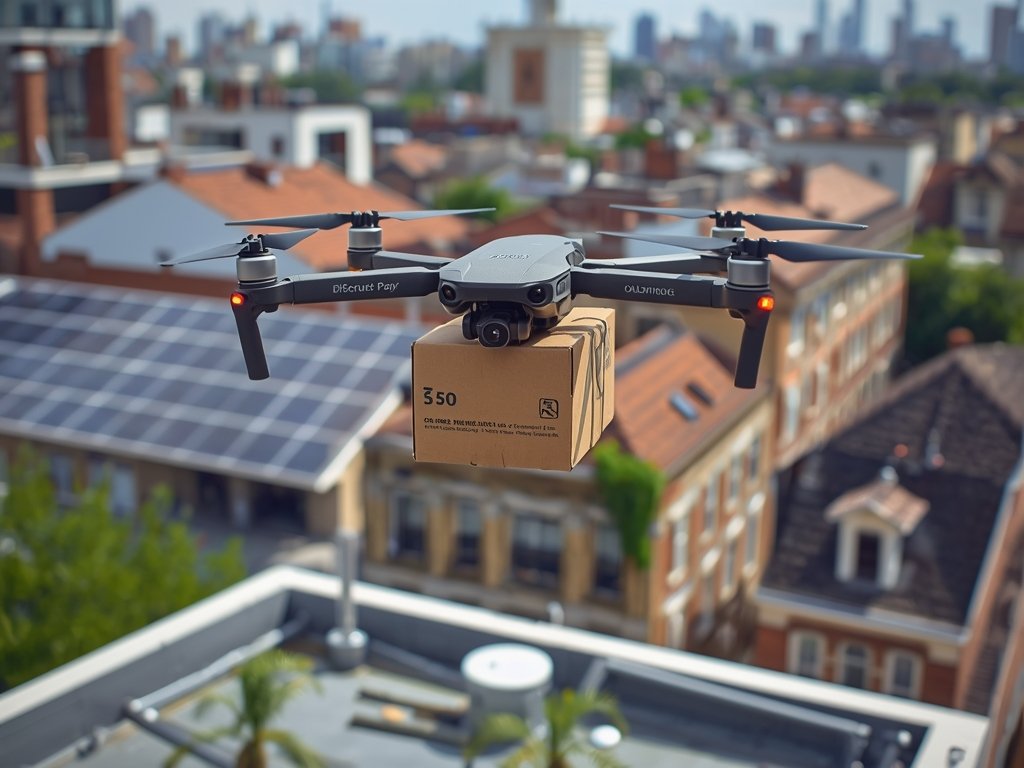
The take-off point is where most city flights are decided, and the answer is rarely the obvious spot. National parks ban drone take-offs and landings outright, and many state parks do the same or require a permit — our guide to flying a drone in a state park covers the state-by-state picture, but the rule to remember is that a park that looks empty is not a park that allows drones. City parks follow the same logic: the parks department can ban launches from its land, and in many cities it has, even where the airspace above the park is open.
Streets and sidewalks are no easier. Launching from a public sidewalk puts you in the way of pedestrians, and flying over the street puts you over moving vehicles, which the federal rules prohibit. Rooftops look like the answer — high, clear, private — but they are not: a rooftop launch still needs the building owner’s permission, and the altitude problem described above means the height you gain does not help you legally. The best city launch points are the boring ones: private land with the owner’s permission, a designated flying field, or open ground outside the controlled airspace and away from crowds — and if none of those is available, the right decision is not to fly that day.
Homeowners associations add a further wrinkle for pilots who fly from home. An HOA can restrict launches from common areas and from your own yard under its rules, but it cannot ban overflight of the neighbourhood — the airspace is federal, and the HOA’s power stops at the ground. If you fly from your own property, check the HOA rules first; if you fly from a park, check the park rules first.
Privacy, Noise and People: The Rules That Catch Pilots Out
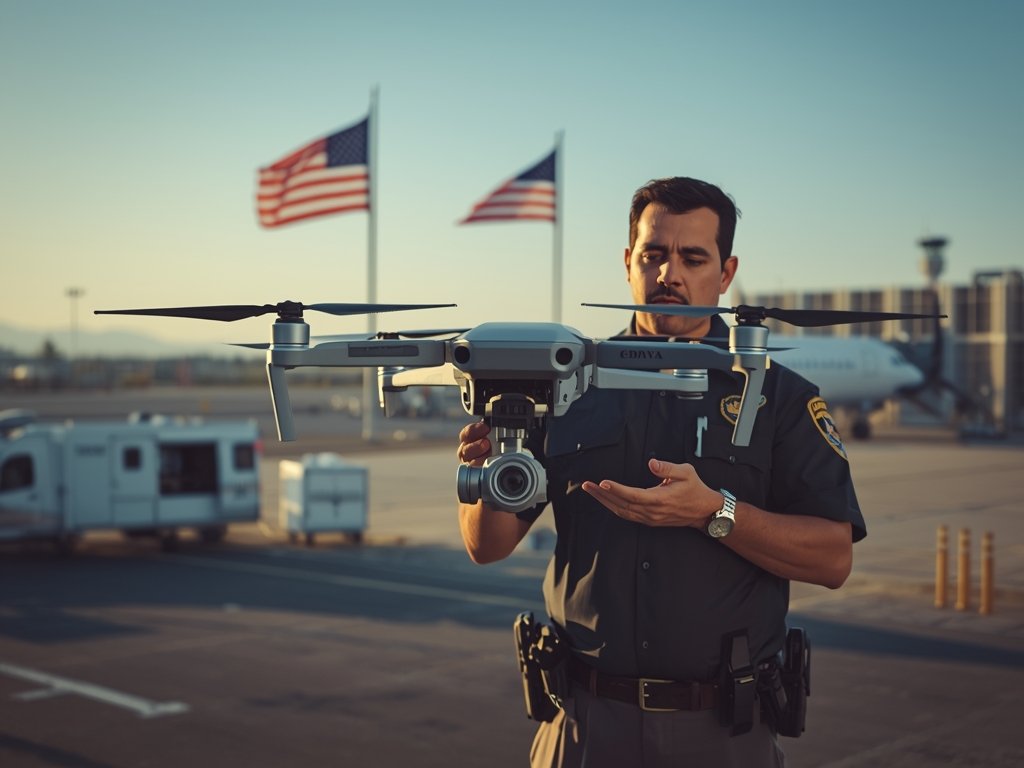
The rules that catch city pilots out are rarely the ones about altitude. They are the privacy rules, the noise rules and the people rules, and they are enforced by the people on the ground, not by the FAA. Privacy is the first: hovering outside a window, over a garden or above a private courtyard is the fastest way to turn a legal flight into a confrontation, and several states have specific laws against using a drone to observe people where they have a reasonable expectation of privacy. The federal rules do not cover privacy at all, which is exactly why pilots miss it. The safe habit is simple: do not point a camera at a home, a garden or a window, and do not hover over private property even if the flight path over it is legal.
Noise is the second. A drone at 100 feet over a quiet street is loud enough to draw complaints, and complaints are what produce local bans — many of the city rules in this guide exist because residents complained about noise. Fly high rather than low over residential streets, keep the flight short, and do not circle a neighbourhood while you set up a shot. People are the third: the rule against flying over people is easy to break in a city, because people appear — a street fills, a crowd gathers, a bus stops. If people move underneath your flight path, move the drone, not the people.
The Pre-Flight Checklist for a City Flight
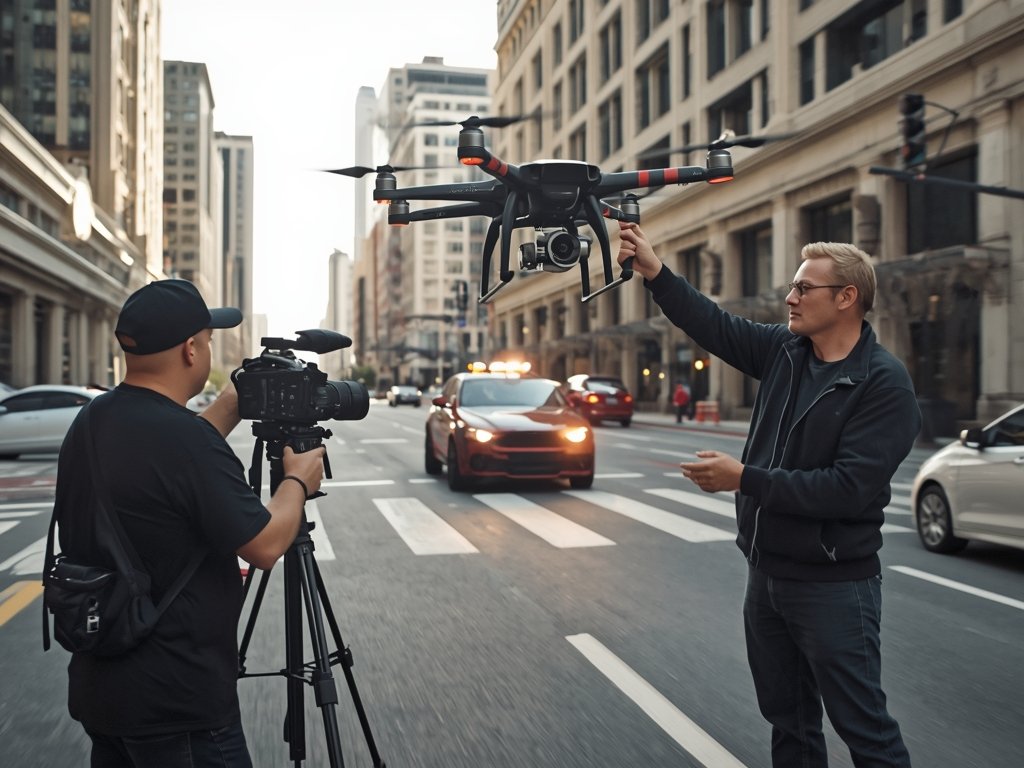
Run six checks before any city flight, in this order. First, the airspace check: open a LAANC app, confirm whether the location is controlled airspace, and get authorisation if it is — if the grid square shows zero, do not fly there. Second, the local ordinance check: confirm the city code does not restrict take-off and landing at your spot, and check the parks department rules if the spot is a park. Third, the temporary restriction check: look for stadium, emergency or VIP restrictions covering the area today. Fourth, the registration and TRUST check: confirm the aircraft is registered if it weighs 250 grams or more, the TRUST certificate is on your phone, and Remote ID is broadcasting.
Fifth, the flight plan check: set the return-to-home altitude above the tallest building between you and the furthest point you will fly, confirm the home point is recorded where you are standing, and confirm the battery is enough for the flight out and back against the wind at rooftop height, which is stronger than the wind at street level. Sixth, the people check: look at the ground under your planned path, confirm it is clear of crowds and moving traffic, and pick a landing spot you can reach on foot if the drone has to come down early. Our pre-flight checklist puts the general checks on one list; the six above are the city additions, and they take about five minutes together.
Frequently Asked Questions
Can I fly a drone in New York City? Effectively no for casual recreational flying: local law restricts take-off and landing, a police permit is generally required, and much of Manhattan sits in Class B controlled airspace.
Do I need LAANC authorisation for every city flight? Only where the airspace is controlled — around airports and in the Class B, C and D airspace that covers many cities. In uncontrolled Class G airspace, no authorisation is needed, but the other federal rules and the local ground rules still apply.
Can my HOA stop me flying my drone? It can stop you launching from property it controls, including common areas and your own yard. It cannot ban overflight, because the airspace is federal.
What is the fine for flying a drone illegally in a city? It depends on which layer you break. Federal violations can bring FAA civil penalties, and local violations bring city fines under the municipal code or the park rules. The amount varies by city — a permit or a LAANC authorisation costs a few minutes, while a fine does not.
Join Our Pilot Community
Connect with fellow drone enthusiasts, share your aerial shots, and get access to free PDF ebook guides.