
The Sky’s Secret Weapon: Why ND Filters Are a Pro Pilot’s Best Friend
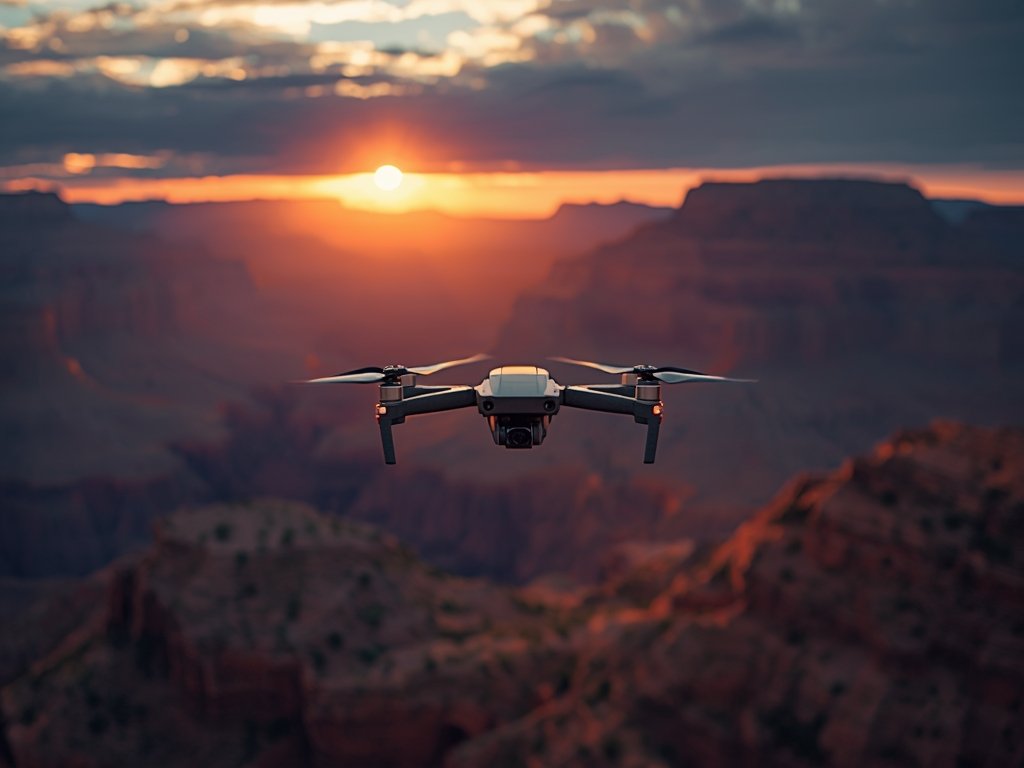
If you’ve ever marveled at a professional drone video—the kind where the sun dips below the Manhattan skyline or the waves crash against the Malibu shore in perfect exposure—you’ve witnessed the magic of an ND filter. These unassuming pieces of glass are the unsung heroes of aerial cinematography, and every pro pilot in the US swears by them. But why? Let’s dive into the world of ND filters and uncover why they’re as essential as a pilot’s license.
What’s the Big Deal About ND Filters?
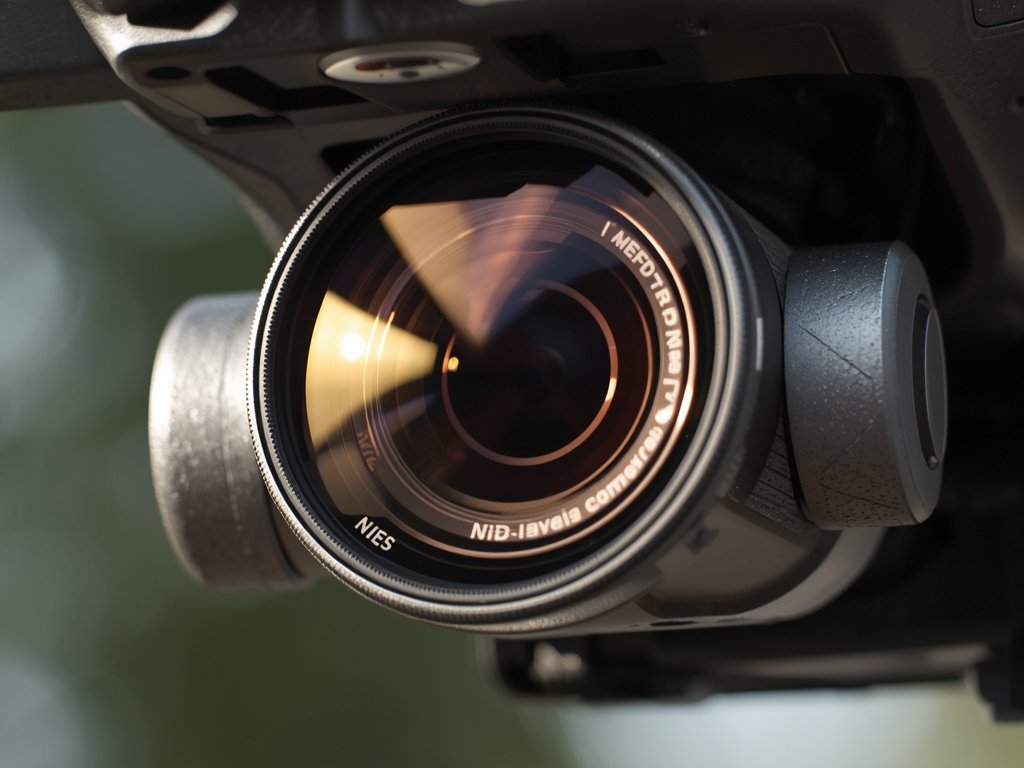
ND stands for Neutral Density, but think of it as sunglasses for your drone’s camera. These filters reduce the amount of light entering the lens without altering the colors. In the bright, sun-soaked skies of California or the harsh midday light of Florida, this is a game-changer. Without an ND filter, your footage can end up overexposed, with blown-out highlights and lost details.
But it’s not just about exposure. ND filters allow pilots to achieve those dreamy, cinematic effects—like smooth water or cloud movement—by slowing down the shutter speed. It’s the difference between a snapshot and a masterpiece.
The Science Behind the Magic
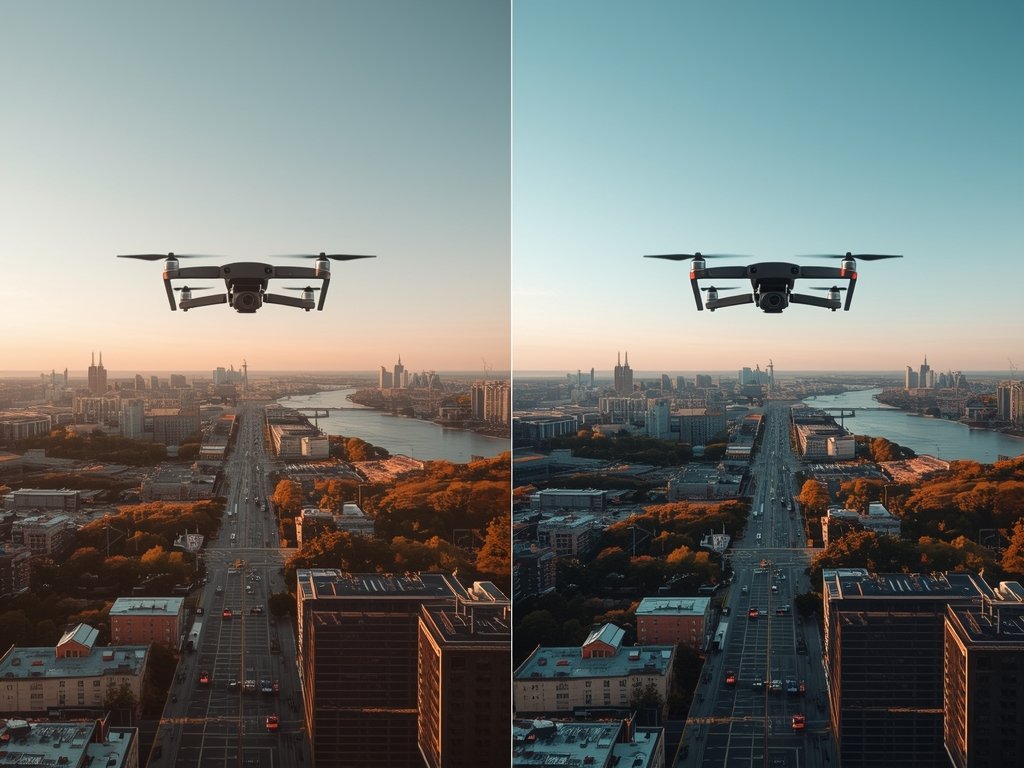
How ND Filters Work
At their core, ND filters are simple. They’re made of high-quality glass or resin with a coating that reduces light transmission. The strength of the filter is measured in stops—the higher the number, the more light it blocks. For instance, an ND8 filter reduces light by 3 stops, while an ND32 cuts it by 5 stops.
This light reduction gives pilots more control over their camera settings. By slowing down the shutter speed, they can capture motion blur in moving subjects like rivers or cars, creating a sense of dynamism. It’s a technique that’s particularly popular in the bustling streets of Chicago or the serene landscapes of Montana.
The Shutter Speed Sweet Spot
Pro pilots aim for a shutter speed that’s twice the frame rate of their video. For example, if you’re shooting at 30 frames per second (fps), a shutter speed of 1/60th of a second is ideal. This rule, known as the 180-degree shutter rule, ensures natural motion blur and a cinematic look. ND filters make this possible, even in the brightest conditions.
Real-World Applications: Where ND Filters Shine
Urban Landscapes
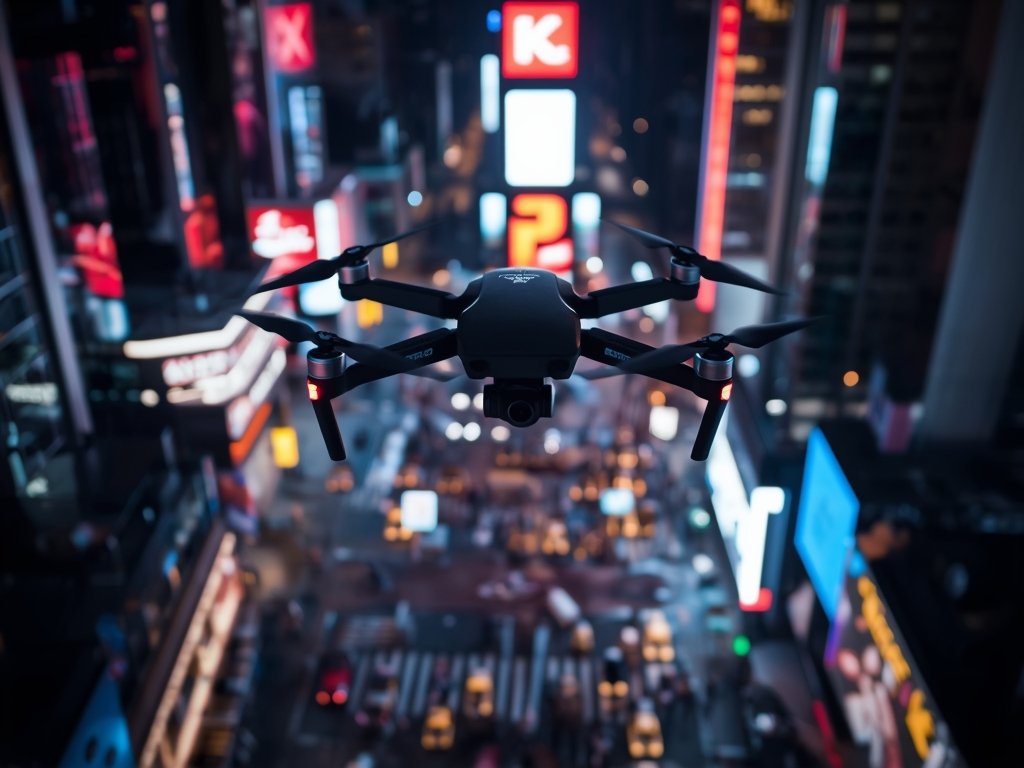
Imagine trying to film the neon lights of Las Vegas or the towering skyscrapers of New York City at noon. Without an ND filter, the harsh sunlight would wash out the vibrant colors and details. With one, pilots can maintain a balanced exposure, highlighting the contrast between light and shadow that makes urban scenes pop.
Nature’s Wonders
From the snow-capped peaks of Colorado to the lush forests of Oregon, ND filters help capture nature’s beauty in its full glory. They allow pilots to slow down the shutter speed, turning cascading waterfalls into silky smooth flows and transforming cloud movements into mesmerizing timelapses.
Sports and Action
Whether it’s a surf competition in Hawaii or a football game in Texas, ND filters are essential for capturing fast-paced action. They enable pilots to maintain a consistent exposure, even when the sun is directly overhead, ensuring every moment is crisp and clear.
Choosing the Right ND Filter for Your Drone
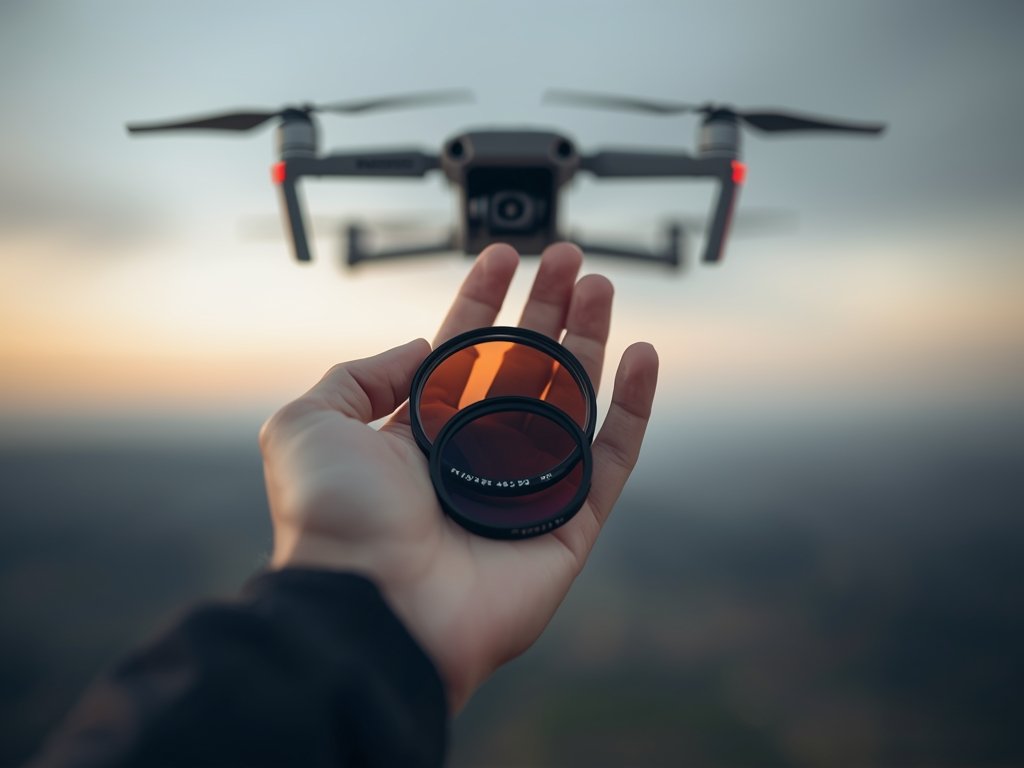
Not all ND filters are created equal. The right one depends on your drone, camera, and shooting conditions. Here’s what to consider:
- Filter Strength: Higher ND values (like ND64 or ND1000) are ideal for extremely bright conditions, while lower values (like ND4 or ND8) work well for partially cloudy days.
- Quality Matters: Cheap filters can degrade image quality. Invest in high-quality, multi-coated filters from reputable brands like PolarPro or DJI.
- Compatibility: Ensure the filter fits your drone’s camera lens. Many filters are designed specifically for popular models like the DJI Mavic or Phantom series.
Pro Tips for Using ND Filters Like a Boss
Know Your Lighting
The key to mastering ND filters is understanding your lighting conditions. Golden hour—the period shortly after sunrise or before sunset—is a favorite among pilots, but even then, an ND filter can enhance your shots by balancing exposure and adding depth.
Experiment with Settings
Don’t be afraid to tweak your camera settings. Play with different shutter speeds and ND filter strengths to achieve the look you want. Remember, practice makes perfect, and every location offers unique challenges and opportunities.
Carry a Variety
Pro pilots always carry a range of ND filters. Weather can change quickly, especially in regions like the Midwest or the Pacific Northwest. Having options ensures you’re prepared for any lighting scenario.
FAQ: Your Burning Questions Answered
What’s the difference between ND and polarizing filters?
While ND filters reduce light, polarizing filters cut glare and enhance colors. They serve different purposes, though some filters combine both functions.
Can I use ND filters at night?
ND filters are primarily for daytime use. At night, they’d block too much light, making it difficult to capture well-exposed shots. Instead, rely on manual camera settings to control exposure.
Do ND filters work with all drones?
Most modern drones with interchangeable lenses or filter mounts can use ND filters. However, always check compatibility with your specific model.
How do I clean my ND filter?
Use a soft microfiber cloth and lens cleaning solution to gently remove dust and smudges. Avoid harsh chemicals or abrasive materials that could scratch the filter.
Are ND filters worth the investment?
Absolutely. For anyone serious about drone photography or videography, ND filters are a must-have. They elevate your work from amateur to professional, ensuring every shot is perfectly exposed and visually stunning.
Join Our Pilot Community
Connect with fellow drone enthusiasts, share your aerial shots, and get access to free PDF ebook guides.