Taking Flight: How Drones Are Revolutionizing the US Oil & Gas Industry
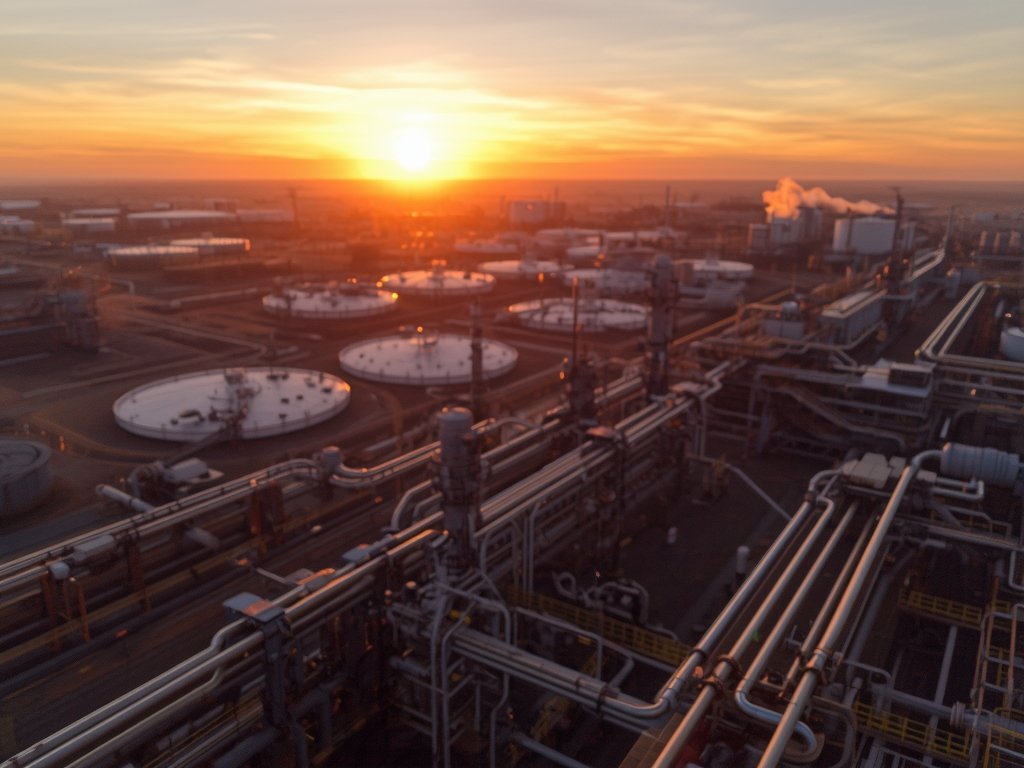
The American oil and gas industry, a cornerstone of our energy landscape, is undergoing a quiet revolution. Forget dusty hard hats and clunky machinery – the future is taking flight, literally. Commercial drones are soaring into the skies, transforming how we inspect, maintain, and optimize operations across the entire hydrocarbon lifecycle.
From the vast oil fields of Texas to the intricate pipelines crisscrossing the Midwest, drones are proving to be invaluable assets. They’re not just gadgets for stunning aerial photography; they’re powerful tools that enhance safety, boost efficiency, and drive down costs.
Eyes in the Sky: Unparalleled Inspection Capabilities
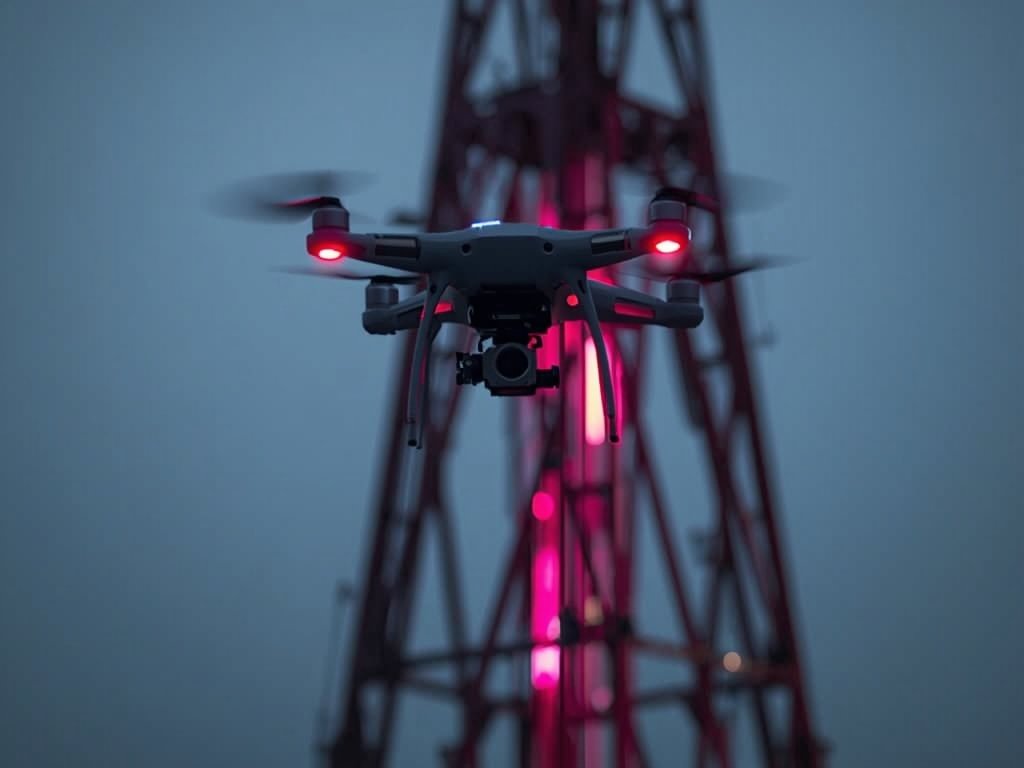
Imagine inspecting a miles-long pipeline stretching across rugged terrain, or climbing a towering oil rig hundreds of feet in the air. Traditionally, these tasks were time-consuming, dangerous, and often required costly shutdowns. Enter drones, equipped with high-resolution cameras, thermal imaging, and LiDAR technology.
These aerial workhorses can access hard-to-reach areas with ease, providing detailed visual inspections of pipelines, storage tanks, and infrastructure. They can detect cracks, corrosion, leaks, and other anomalies with pinpoint accuracy, allowing for proactive maintenance and preventing costly disasters.
Beyond the Visible Spectrum: Thermal Imaging and More
Drones aren’t limited to the visible spectrum. Thermal imaging cameras can identify hotspots indicative of equipment malfunctions or potential leaks, even in complete darkness. LiDAR technology creates detailed 3D models of assets, enabling precise measurements and identifying structural deformities.
This data-driven approach to inspections not only enhances safety but also optimizes maintenance schedules, minimizing downtime and maximizing operational efficiency.
Data Deluge: Transforming Insights into Action
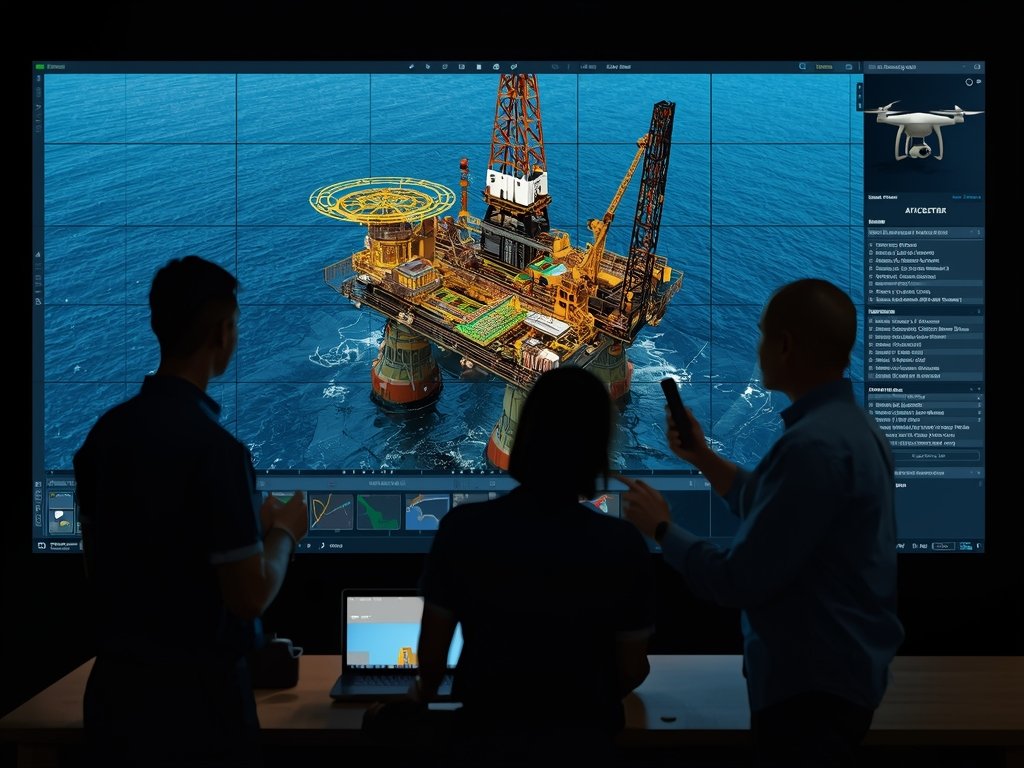
Drones don’t just collect data; they generate a treasure trove of information. High-resolution imagery, thermal maps, and 3D models provide a comprehensive view of assets, enabling data-driven decision-making.
This data can be integrated with existing systems, feeding into predictive maintenance models and optimizing asset performance. By identifying potential issues before they escalate, companies can avoid costly repairs and unplanned outages.
From Data to Dollars: The Bottom Line Impact
The financial benefits of drone technology are undeniable. Reduced inspection costs, minimized downtime, and improved safety all contribute to significant cost savings. Additionally, the data gathered by drones can lead to more efficient resource allocation, optimized production processes, and ultimately, increased profitability.
Think of it as a bird’s-eye view of your operations, allowing you to identify areas for improvement and make informed decisions that directly impact your bottom line.
Safety First: Protecting Workers and the Environment
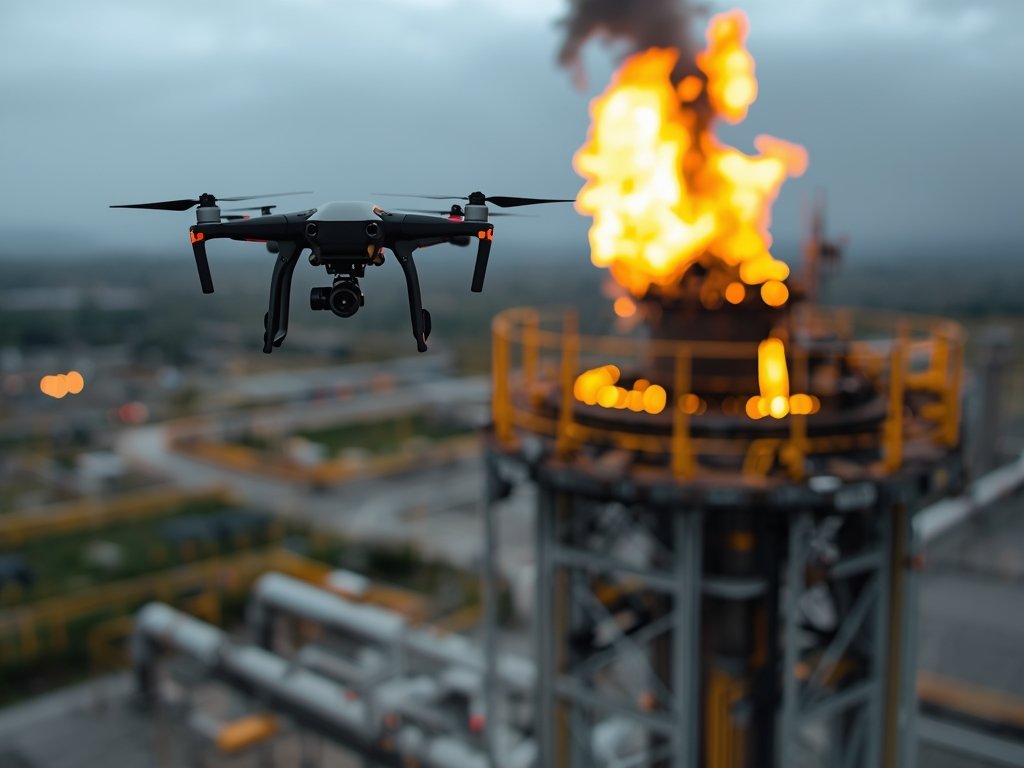
The oil and gas industry is inherently risky. Workers often face hazardous conditions, from confined spaces to towering structures. Drones act as a force multiplier for safety, removing personnel from dangerous situations.
They can inspect confined spaces, high-altitude structures, and hazardous environments without putting human lives at risk. This not only protects workers but also minimizes the potential for accidents and environmental incidents.
Environmental Stewardship: Monitoring and Mitigation
Drones are also powerful tools for environmental monitoring. They can detect leaks, track wildlife activity near pipelines, and monitor air quality. This real-time data allows for swift response to potential environmental threats, minimizing the impact of spills or leaks.
Regulatory Landscape: Navigating the Skies

As with any emerging technology, the use of drones in the oil and gas industry is subject to regulations. The Federal Aviation Administration (FAA) has established guidelines for commercial drone operations, ensuring safety and responsible use.
Companies must obtain the necessary certifications and adhere to airspace restrictions. However, the FAA recognizes the benefits of drone technology and is working to streamline the regulatory process, making it easier for businesses to leverage this powerful tool.
The Future Takes Flight: A Sky Full of Possibilities
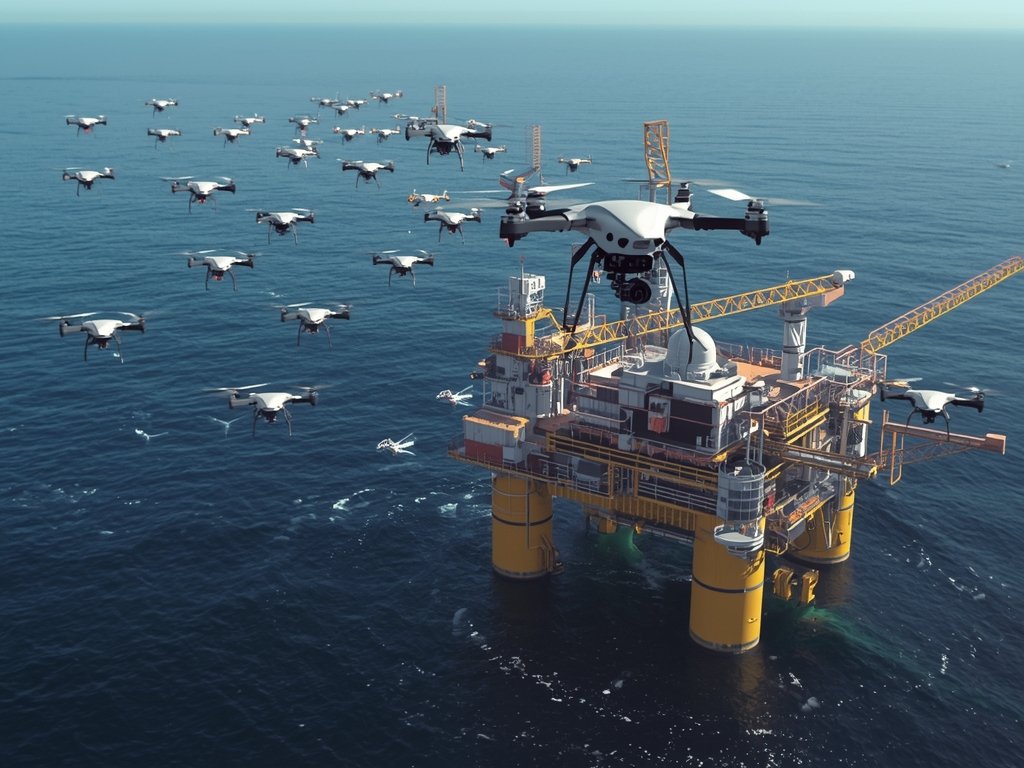
The future of drones in the US oil and gas industry is brimming with potential. As technology advances, we can expect even more sophisticated drones with enhanced capabilities.
Imagine drones equipped with advanced sensors for real-time gas detection, autonomous inspection routines, and even payload delivery for remote repairs. The possibilities are endless, and the industry is poised to reap the rewards of this aerial revolution.
FAQ
What are the main benefits of using drones in the oil and gas industry?
Drones offer numerous advantages, including enhanced safety, reduced inspection costs, minimized downtime, improved data collection, and environmental monitoring capabilities.
What types of inspections can drones perform?
Drones can inspect pipelines, storage tanks, oil rigs, flare stacks, and other infrastructure. They can detect cracks, corrosion, leaks, thermal anomalies, and structural deformities.
Are there any regulations governing drone use in the oil and gas industry?
Yes, the FAA regulates commercial drone operations. Companies must obtain necessary certifications and adhere to airspace restrictions.
What is the future of drone technology in this industry?
The future holds exciting possibilities, including advanced sensors, autonomous inspections, and payload delivery for remote repairs.
How can I learn more about implementing drone technology in my oil and gas operations?
Contact reputable drone service providers specializing in the oil and gas industry. They can provide tailored solutions and guidance on regulatory compliance.

Your definitive resource for drone technology. From expert reviews of the latest DJI models to professional Part 107 flight training and industry regulations