The Sky’s the Limit: Unlocking the Potential of Next-Gen Commercial Drones
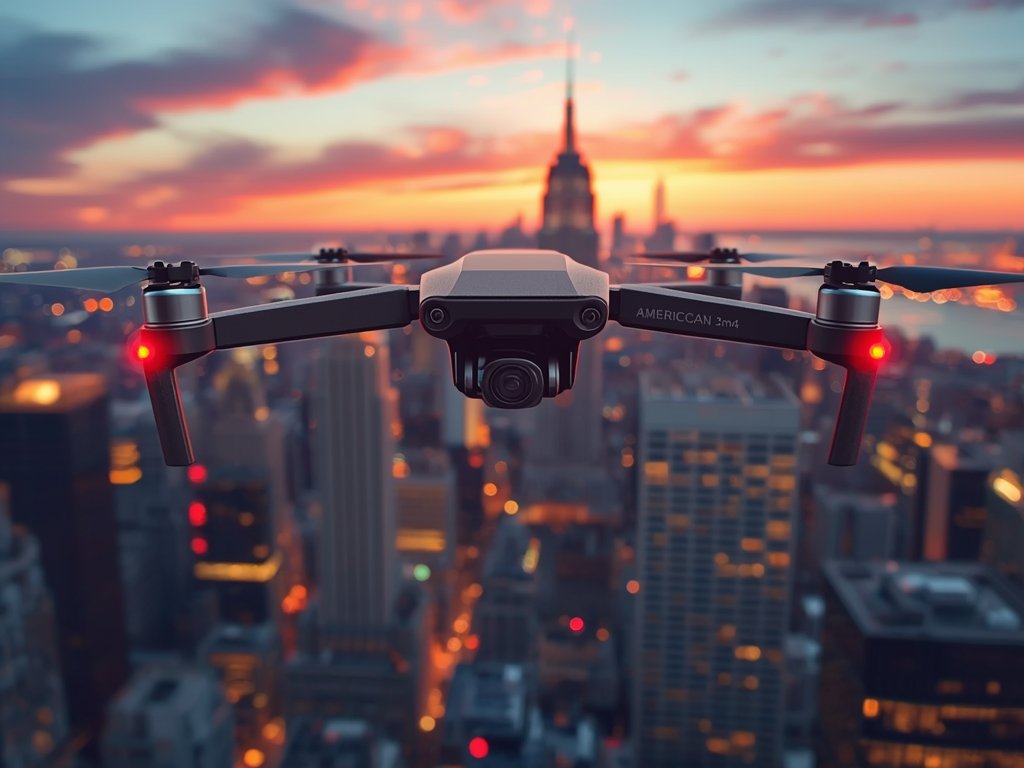
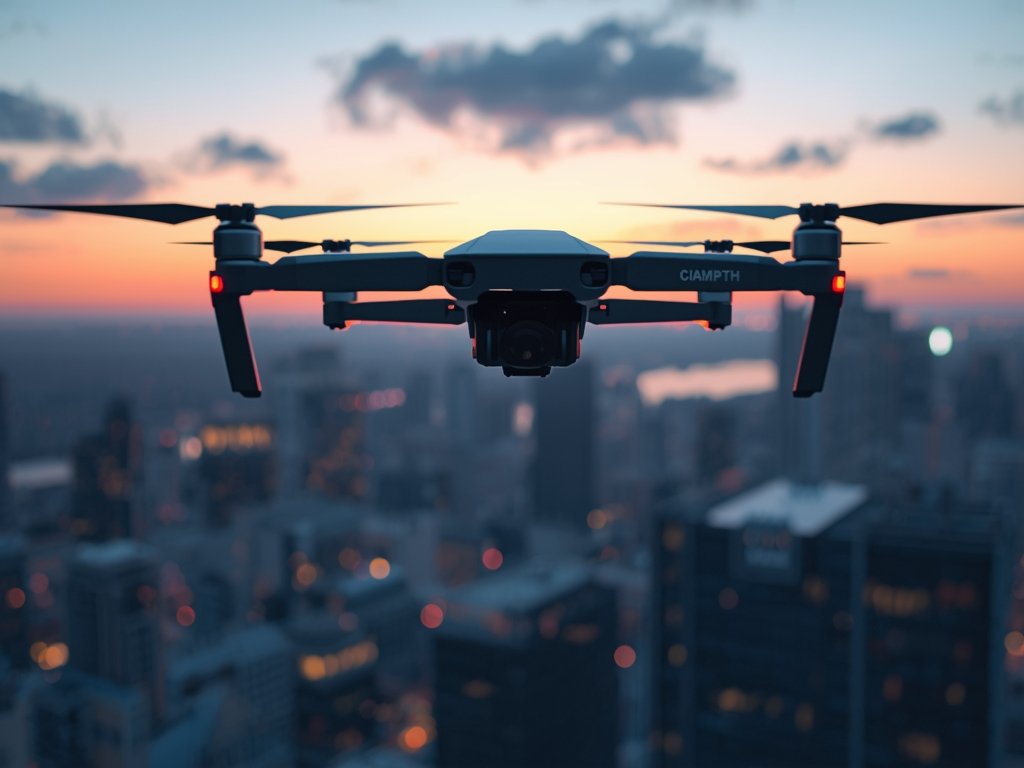
The commercial drone industry is soaring to new heights, with advancements in technology and regulations paving the way for innovative applications. As we look to the future, it’s clear that next-generation commercial drones will play a significant role in shaping various industries across the United States.
Taking Flight: The Evolution of Commercial Drone Technology

Over the past decade, commercial drones have evolved from novelty gadgets to essential tools for businesses. Early models were often limited in their capabilities, but today’s drones boast impressive features, such as high-resolution cameras, advanced sensors, and extended flight times.
Key Technological Advancements
- Improved Battery Life: Modern drones can fly for up to 30 minutes or more on a single charge, enabling longer missions and increased efficiency.
- Enhanced Cameras: High-quality cameras with zoom, stabilization, and low-light capabilities have become standard, allowing for detailed inspections and stunning aerial photography.
- Advanced Sensors: LiDAR, thermal imaging, and other sensors enable drones to collect valuable data for applications like surveying, mapping, and search and rescue.
Industries Taking Off with Commercial Drones
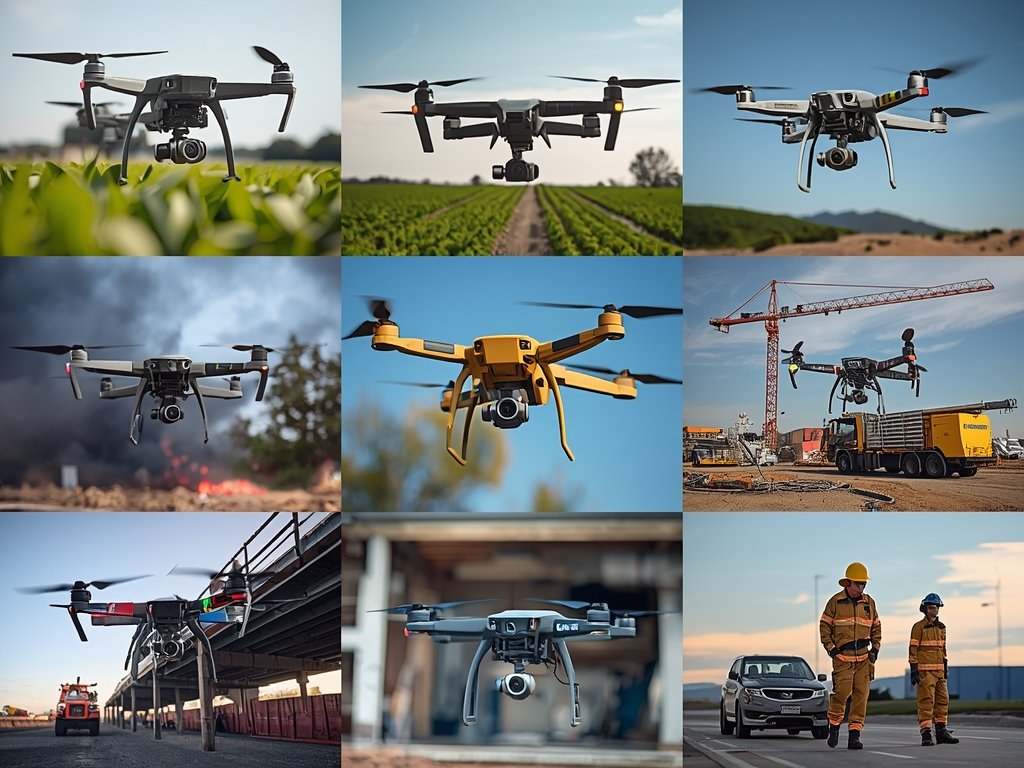
Commercial drones are revolutionizing numerous industries, providing new perspectives and efficiencies. From agriculture to emergency response, these versatile tools are making a significant impact.
Agriculture: Sowing the Seeds of Innovation
In the heartland of America, farmers are using drones to monitor crop health, optimize irrigation, and improve yields. With advanced sensors and cameras, drones can detect pests, diseases, and nutrient deficiencies, enabling targeted interventions.
Construction: Building a Better Future
On construction sites across the country, drones are streamlining processes and enhancing safety. They can conduct site surveys, monitor progress, and inspect hard-to-reach areas, reducing the need for risky manual inspections.
Navigating the Regulatory Landscape: FAA Rules and Beyond
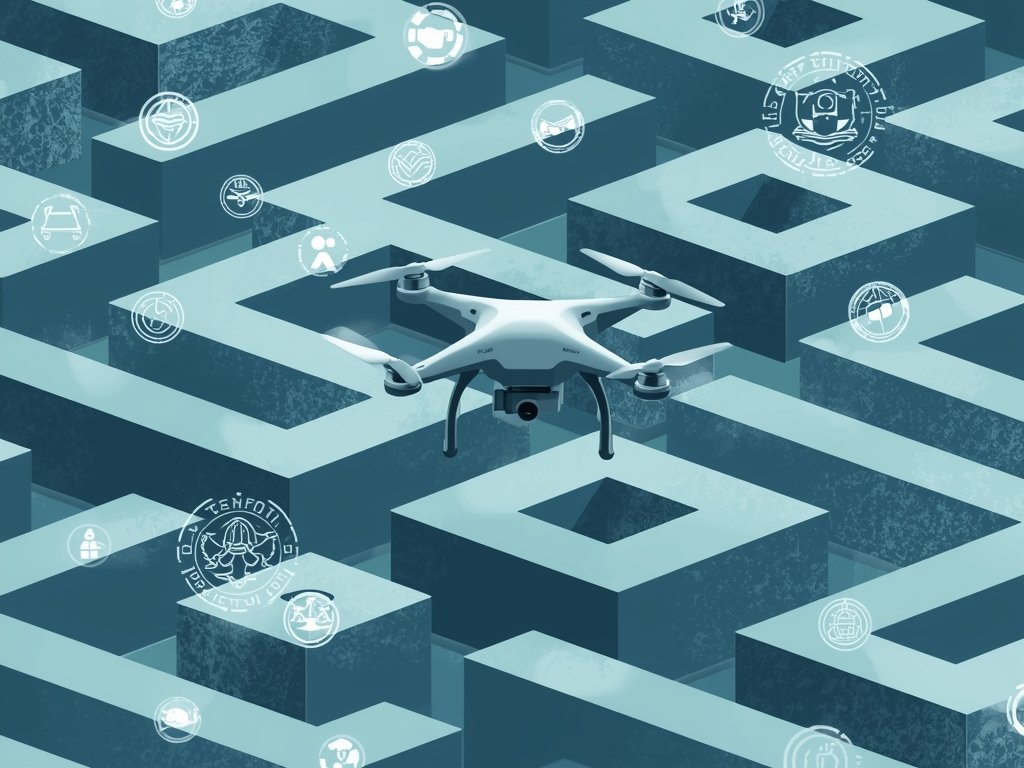
As commercial drone use continues to grow, navigating the regulatory landscape is crucial. The Federal Aviation Administration (FAA) has established rules and guidelines to ensure safe and responsible drone operations.
Key FAA Regulations
- Part 107: This regulation governs commercial drone operations, requiring pilots to obtain a Remote Pilot Certificate and adhere to specific flight rules.
- Airspace Authorizations: Drones must obtain authorization to fly in controlled airspace, ensuring safe integration with manned aircraft.
- Remote ID: A new rule requiring drones to broadcast their location and identification information, enhancing safety and accountability.
The Human Factor: Training and Certification for Drone Pilots
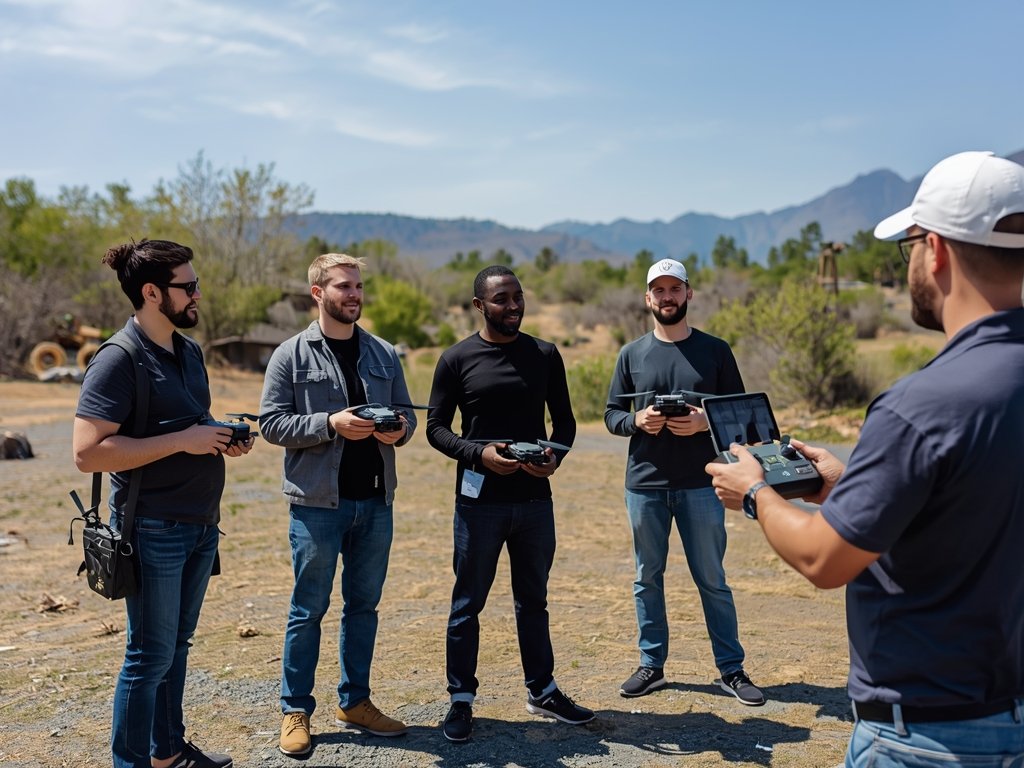
Behind every successful drone operation is a skilled pilot. As the industry grows, the demand for trained and certified pilots is increasing. Proper training ensures safe and effective drone use, mitigating risks and maximizing benefits.
Becoming a Certified Drone Pilot
To operate a commercial drone, pilots must obtain a Remote Pilot Certificate from the FAA. This involves passing a knowledge test, undergoing background checks, and adhering to ongoing training requirements. Many organizations offer comprehensive training programs to help pilots develop the necessary skills.
The Future is Now: Emerging Trends in Commercial Drone Technology
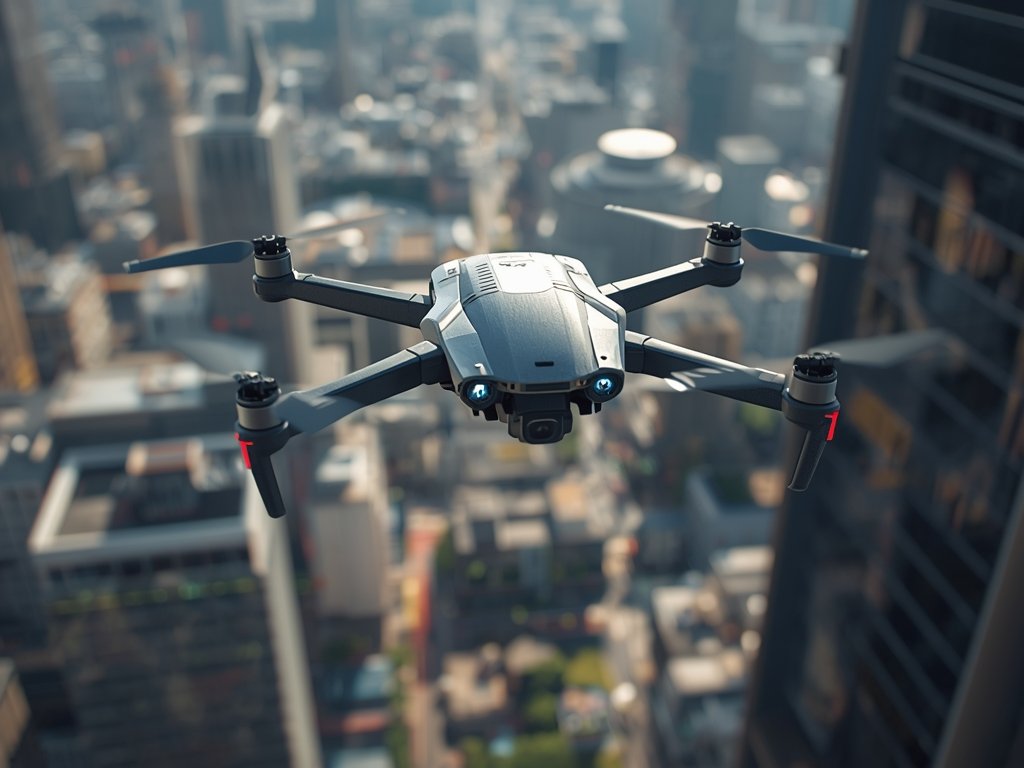
As we look to the future, several emerging trends are poised to shape the commercial drone industry. These innovations will enable new applications, improve efficiency, and drive growth across various sectors.
Swarm Technology: Strength in Numbers
Swarm technology involves coordinating multiple drones to work together, enabling complex tasks and improved efficiency. This approach has applications in areas like search and rescue, agriculture, and entertainment.
Autonomous Navigation: Hands-Free Flying
Advances in autonomous navigation are enabling drones to fly without direct human control. This technology uses sensors, cameras, and AI to avoid obstacles, plan routes, and make real-time decisions, opening up new possibilities for drone use.
FAQ
What are the main industries using commercial drones?
Commercial drones are used in a variety of industries, including agriculture, construction, emergency response, and more. They provide valuable data, improve efficiency, and enhance safety across these sectors.
How do I become a certified drone pilot?
To become a certified drone pilot, you must obtain a Remote Pilot Certificate from the FAA. This involves passing a knowledge test, undergoing background checks, and completing training requirements.
What are the key FAA regulations for commercial drone operations?
The FAA’s Part 107 regulation governs commercial drone operations, requiring pilots to adhere to specific flight rules and obtain necessary authorizations. Additional regulations, such as Remote ID, ensure safe and responsible drone use.
What emerging trends should I watch in the commercial drone industry?
Emerging trends in the commercial drone industry include swarm technology, autonomous navigation, and advanced sensors. These innovations will enable new applications and drive growth across various sectors.
Your definitive resource for drone technology. From expert reviews of the latest DJI models to professional Part 107 flight training and industry regulations