Taking Flight: How Drones Are Revolutionizing Mining Inspections
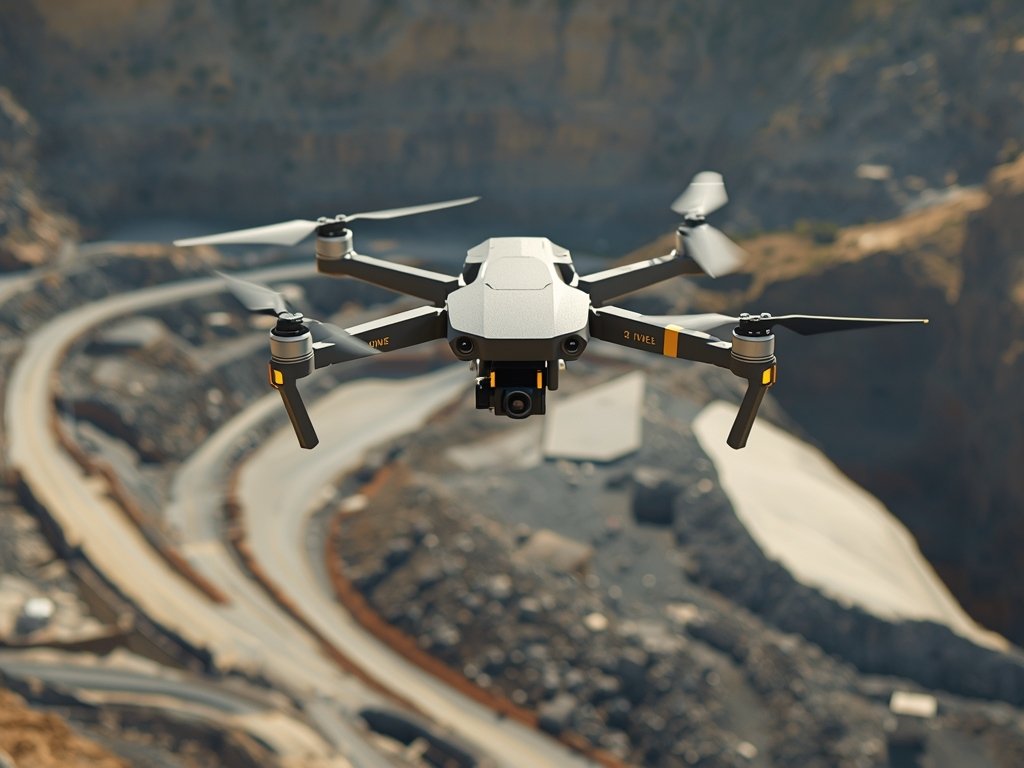
The American mining industry is a cornerstone of our economy, but it’s also an industry facing constant challenges. From ensuring worker safety to maintaining equipment and monitoring environmental impact, mine operators have a lot on their plates. Traditional inspection methods, often involving manual labor and specialized equipment, can be time-consuming, costly, and even dangerous.
Enter the game-changer: commercial drones. These aerial workhorses are transforming mining inspections, offering a safer, faster, and more efficient way to gather critical data.
From Boots on the Ground to Eyes in the Sky: The Advantages of Drone Inspections
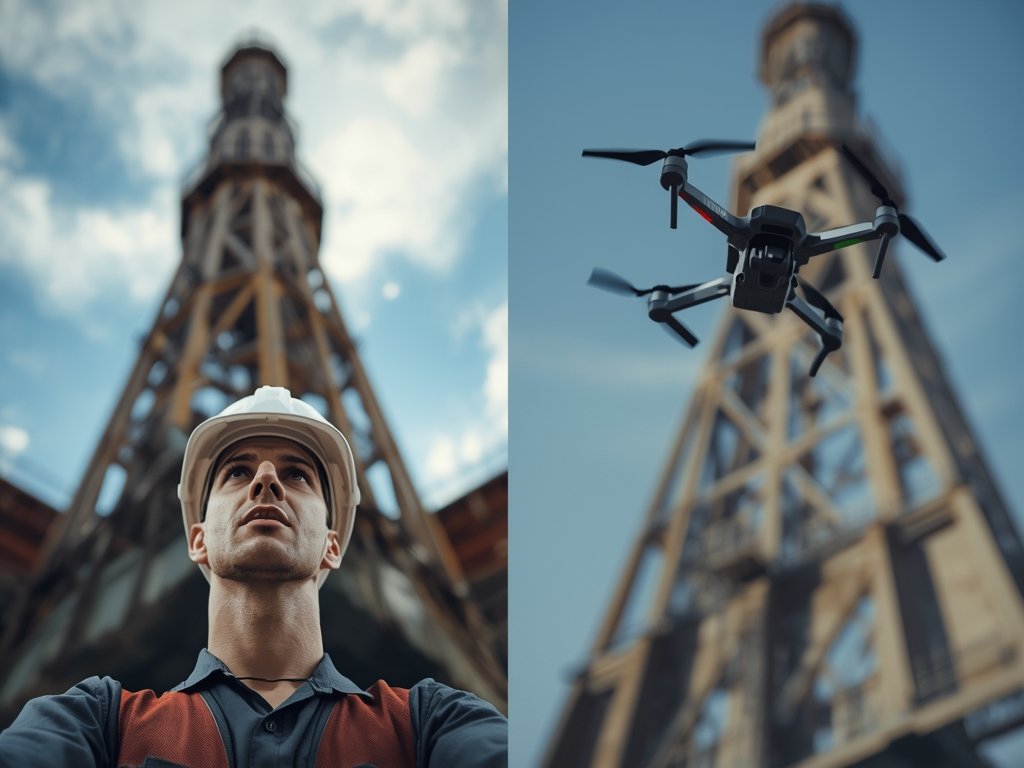
Imagine inspecting a towering tailings dam or a sprawling open-pit mine without putting a single worker at risk. Drones make this a reality. They can access hazardous areas, navigate tight spaces, and reach heights that would be impossible or extremely dangerous for humans.
But safety isn’t the only benefit. Drones equipped with high-resolution cameras, thermal imaging, and LiDAR sensors can capture incredibly detailed data, providing a comprehensive view of mining operations. This data can be used to:
- Identify potential safety hazards: Detect cracks, structural weaknesses, or unstable terrain before they become major problems.
- Monitor equipment health: Inspect conveyor belts, crushers, and other machinery for wear and tear, preventing costly breakdowns.
- Track stockpile volumes: Accurately measure ore stockpiles, optimizing inventory management and planning.
- Monitor environmental impact: Track changes in vegetation, water bodies, and land contours, ensuring compliance with regulations.
The Data Advantage: Turning Insights into Action
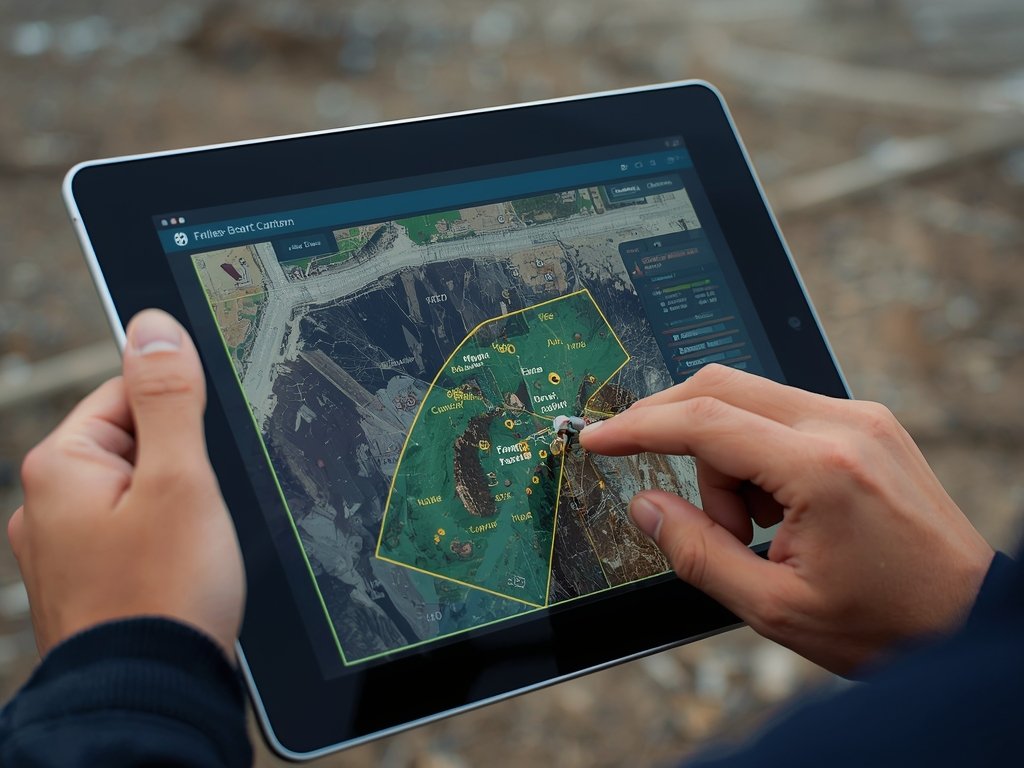
The true power of drone inspections lies in the data they collect. This data can be processed and analyzed to generate detailed reports, 3D models, and thermal maps, providing mine operators with actionable insights.
For example, thermal imaging can reveal overheating equipment, allowing for proactive maintenance. 3D models can be used to plan blasting operations or design new infrastructure. By leveraging this data, mines can optimize their operations, reduce costs, and improve overall efficiency.
Drone Inspections in Action: Real-World Applications in American Mines
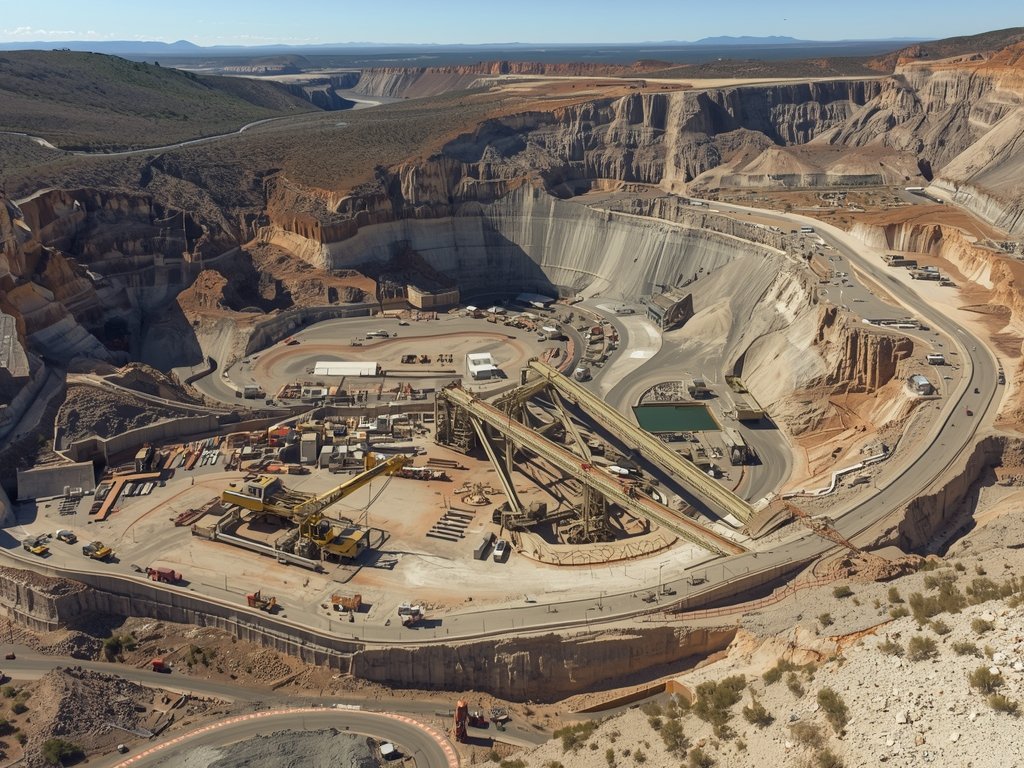
Across the United States, mining companies are embracing drone technology to enhance their operations. Let’s look at some real-world examples:
- Bingham Canyon Mine, Utah: One of the largest open-pit copper mines in the world, Bingham Canyon uses drones for regular inspections of its massive pit walls, identifying potential rockfall hazards and monitoring slope stability.
- Berwind Natural Resources, West Virginia: This coal mining company utilizes drones to inspect highwall hazards, ensuring the safety of workers and preventing accidents.
- Newmont Goldcorp, Nevada: Drones are employed to monitor tailings dams, detect leaks, and assess the overall structural integrity of these critical infrastructure components.
Navigating the Skies: Regulatory Considerations for Drone Use in Mining
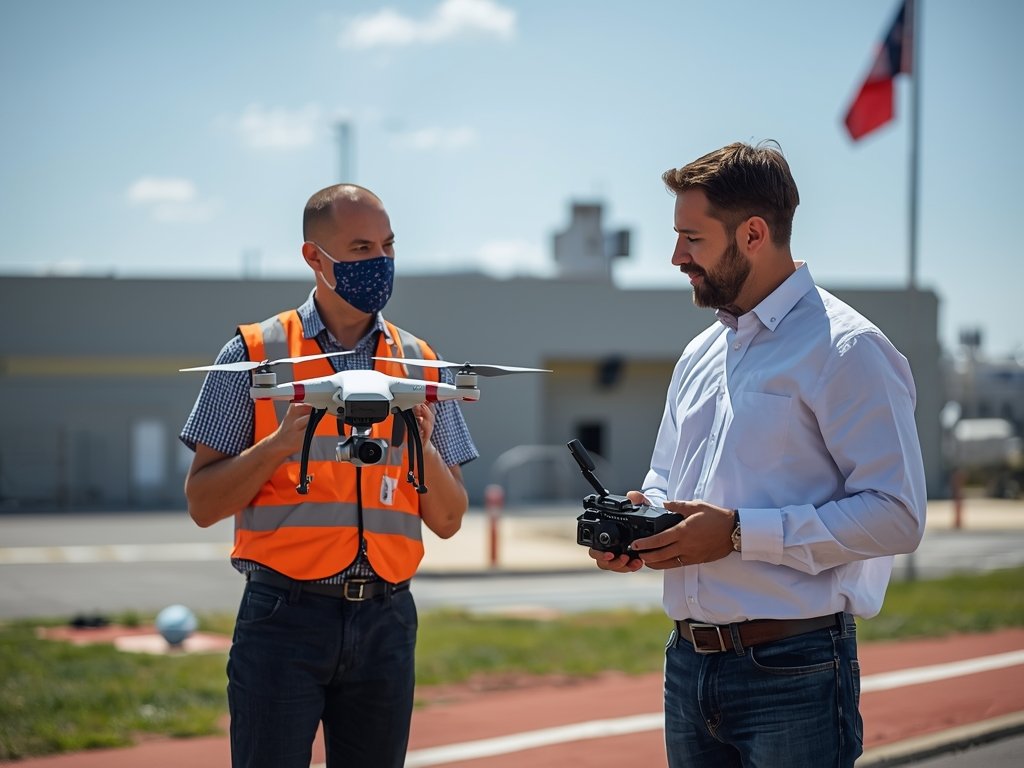
While the benefits of drone inspections are clear, it’s crucial to understand the regulatory landscape. The Federal Aviation Administration (FAA) has established guidelines for commercial drone operations, including those in the mining industry.
Operators must obtain a Part 107 Remote Pilot Certificate and register their drones with the FAA. Additionally, flights must adhere to specific altitude and airspace restrictions. It’s essential to work with experienced drone service providers who are familiar with FAA regulations and can ensure safe and compliant operations.
The Future of Mining Inspections: A Sky Full of Possibilities
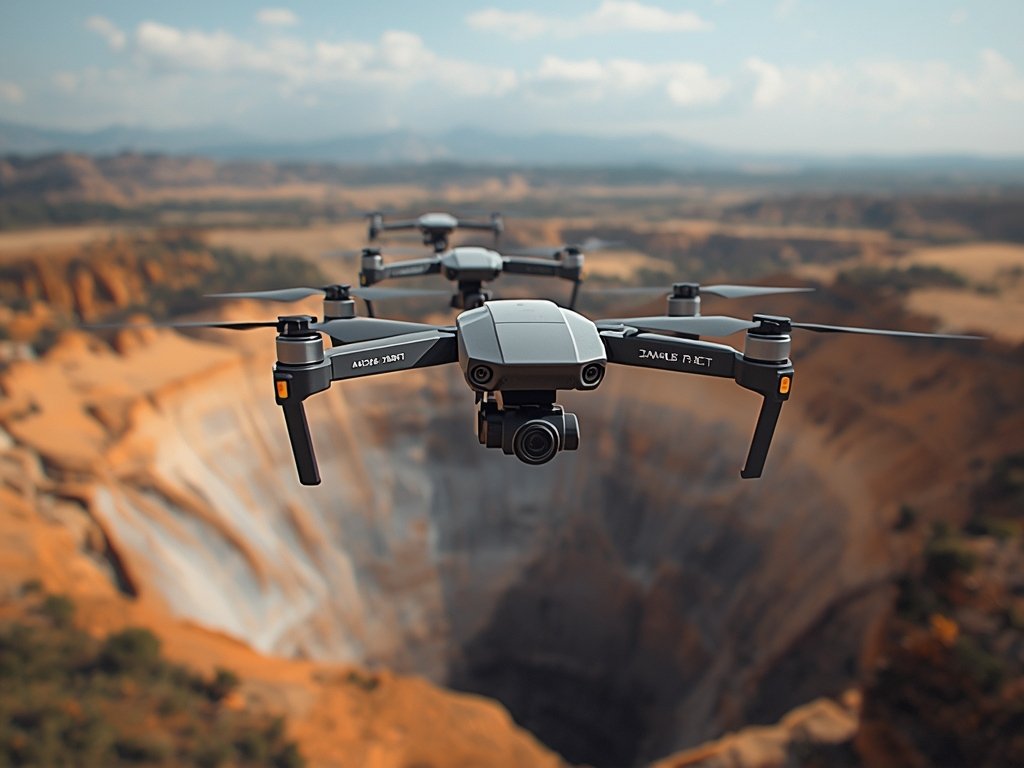
The future of drone inspections in mining is bright. As technology continues to evolve, we can expect even more sophisticated drones equipped with advanced sensors and artificial intelligence capabilities.
Imagine drones that can autonomously inspect entire mine sites, identify anomalies in real-time, and generate predictive maintenance schedules. The possibilities are endless, and the mining industry is poised to reap the rewards of this transformative technology.
FAQ
What are the main benefits of using drones for mining inspections?
Drones offer increased safety, efficiency, and data accuracy compared to traditional inspection methods. They can access hazardous areas, capture detailed data, and provide valuable insights for mine operators.
What types of data can drones collect during mining inspections?
Drones can capture high-resolution images, thermal imaging data, LiDAR scans, and video footage. This data can be used to identify safety hazards, monitor equipment health, track stockpile volumes, and assess environmental impact.
Are there any regulations I need to be aware of when using drones for mining inspections?
Yes, the FAA has established regulations for commercial drone operations. Operators must obtain a Part 107 Remote Pilot Certificate and register their drones. Flights must also adhere to specific altitude and airspace restrictions.
How can I find a reputable drone service provider for mining inspections?
Look for providers with experience in the mining industry, a proven track record of safety and compliance, and a team of certified drone pilots.
What is the future of drone inspections in mining?
The future is bright, with advancements in drone technology leading to even more sophisticated inspections, autonomous operations, and predictive maintenance capabilities.

Your definitive resource for drone technology. From expert reviews of the latest DJI models to professional Part 107 flight training and industry regulations