
The Sky’s the Limit: Unraveling the Military Drone vs Commercial Drone Debate
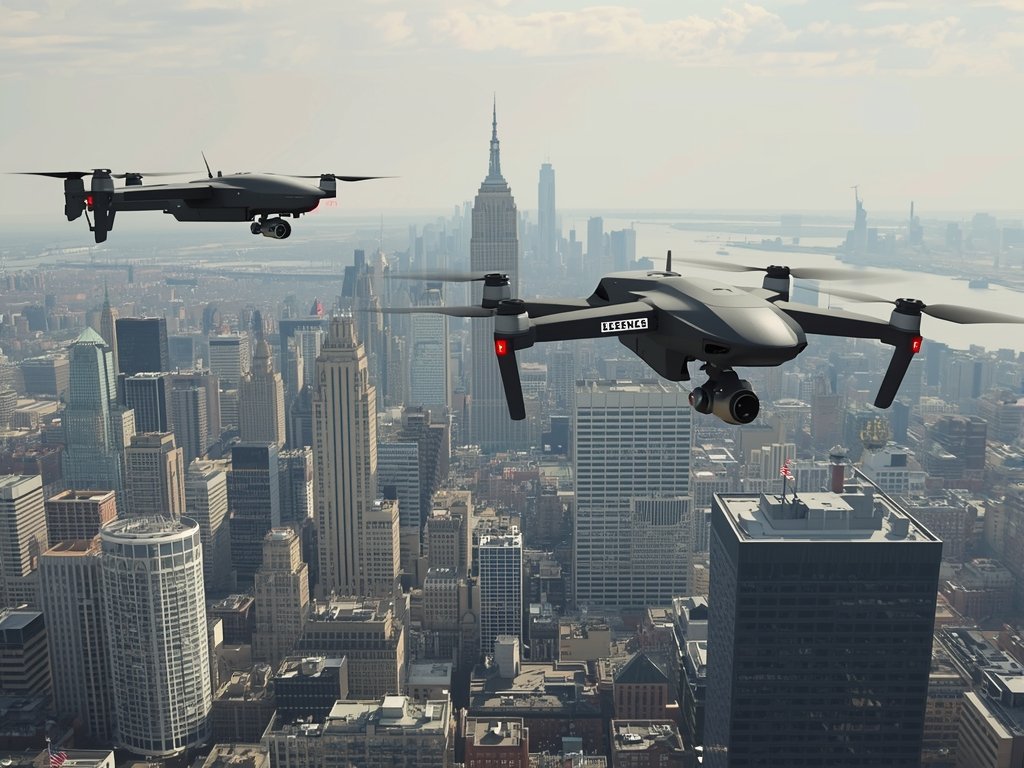
In the vast expanse of the American sky, two types of drones dominate the airspace: military drones and commercial drones. As the use of drones continues to rise across the United States, it’s essential to understand the key differences between these two categories. From their design and capabilities to their applications and regulations, military drones and commercial drones serve distinct purposes that cater to different needs.
The Battlefield Above: Military Drones and Their Mission-Critical Roles

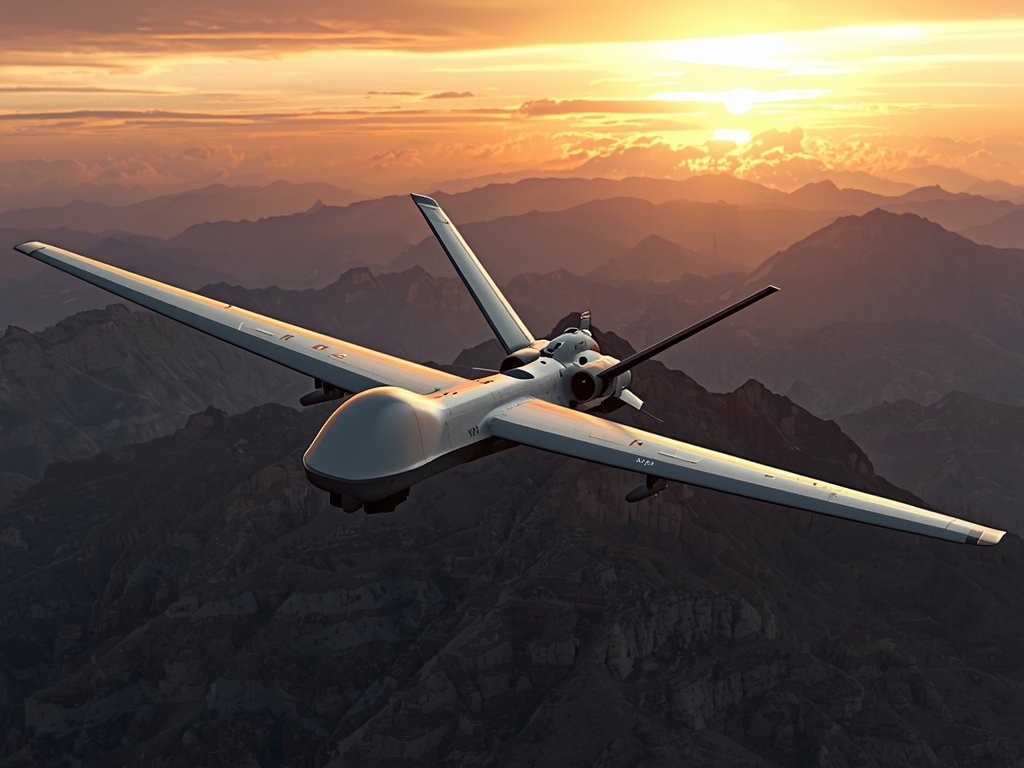
Military drones, also known as Unmanned Aerial Vehicles (UAVs), have become an integral part of the U.S. armed forces. Designed for intelligence, surveillance, and reconnaissance (ISR) missions, these drones provide valuable insights into enemy territories and support troops on the ground.
Built for Battle: Military Drone Design and Capabilities
Military drones are engineered to withstand harsh conditions and carry out complex missions. With features like stealth technology, advanced sensors, and precision-guided weapons, these drones are formidable assets in modern warfare. The iconic MQ-9 Reaper, for example, is a staple of the U.S. Air Force, capable of flying for over 24 hours and striking targets with pinpoint accuracy.
From Amazon to Agriculture: The Rise of Commercial Drones in America
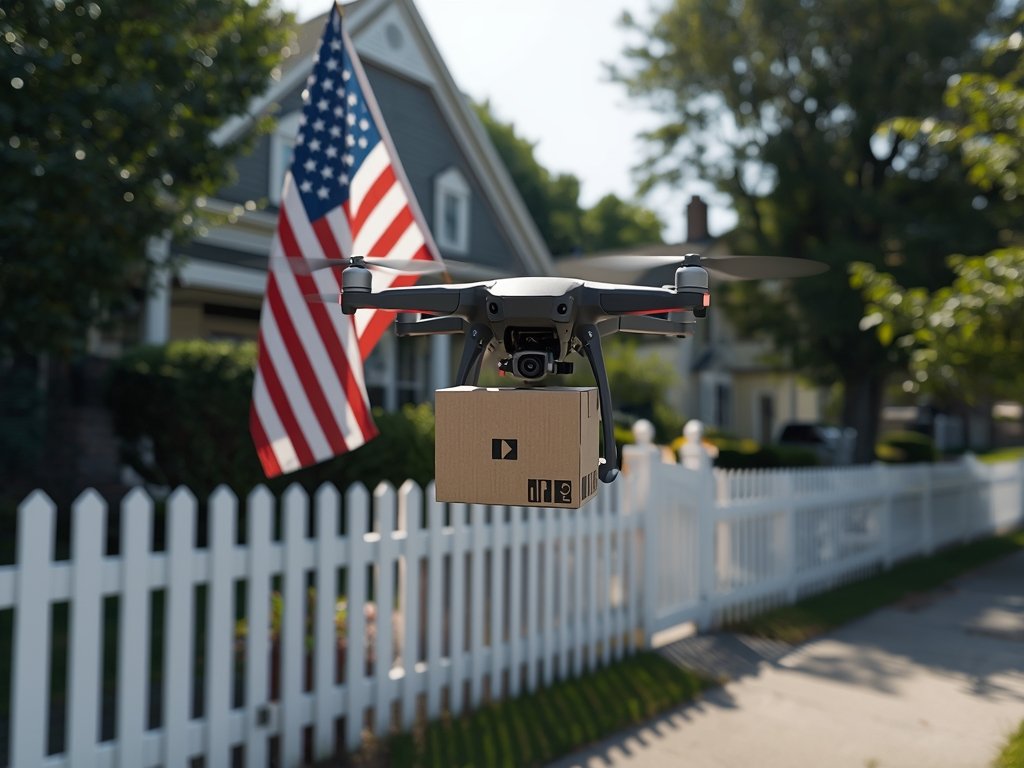
Commercial drones, on the other hand, have revolutionized industries across the United States. From aerial photography and videography to package delivery and agriculture, these drones are transforming the way businesses operate. Companies like Amazon and UPS are investing heavily in drone technology to streamline their delivery services and reduce costs.
Innovations in Commercial Drone Technology
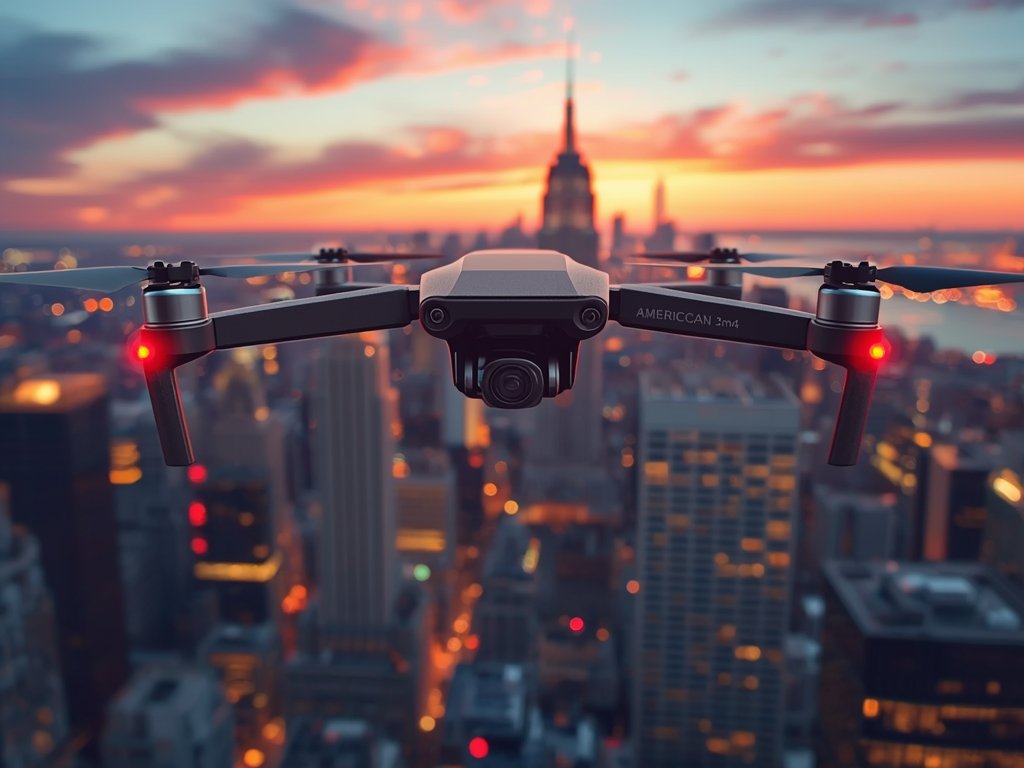
Commercial drones are designed with versatility and affordability in mind. With advancements in battery life, camera technology, and flight control systems, these drones are becoming increasingly accessible to businesses and consumers alike. The DJI Mavic series, for instance, is a popular choice for aerial photographers and videographers, offering high-quality cameras and intuitive controls at a reasonable price point.
Regulations and Restrictions: Navigating the Complex World of Drone Laws
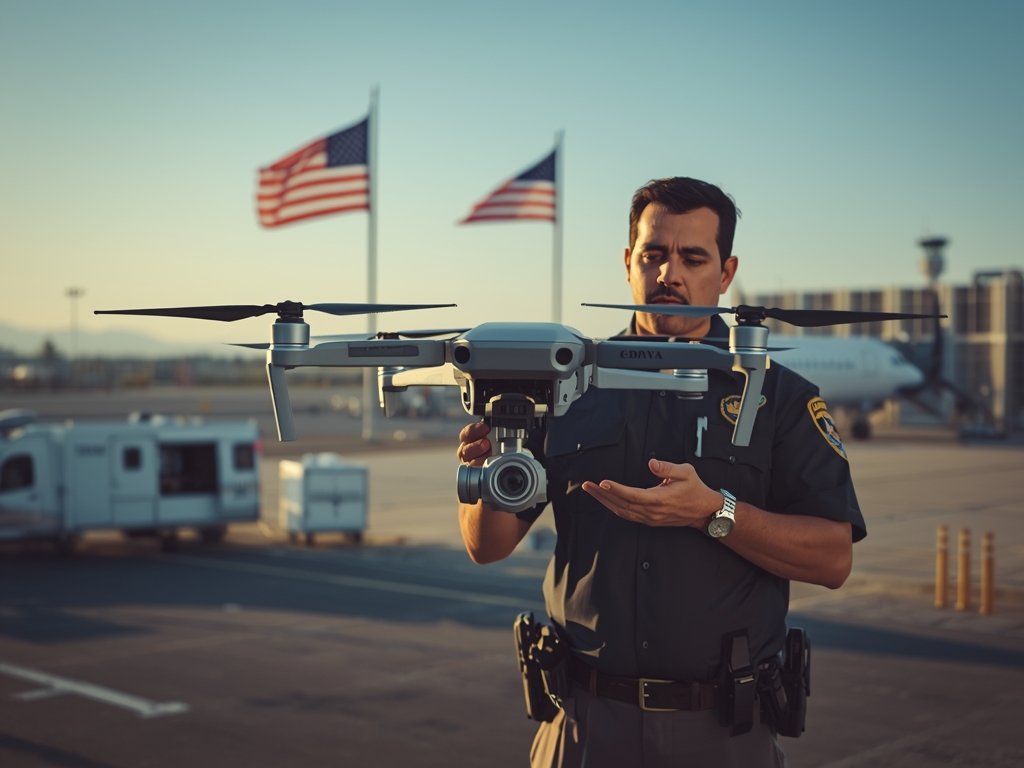
As the use of drones continues to grow, so do the regulations surrounding their operation. The Federal Aviation Administration (FAA) has established strict guidelines for both military and commercial drones, ensuring the safety and security of the national airspace. However, the rules differ significantly between the two categories.
Military Drone Exemptions and Special Permissions
Military drones operate under a separate set of regulations, often exempt from FAA restrictions due to their mission-critical nature. The Department of Defense (DoD) works closely with the FAA to ensure the safe integration of military drones into the national airspace, while also maintaining operational security and flexibility.
Use Cases and Applications: Where Military and Commercial Drones Shine

The distinct designs and capabilities of military and commercial drones lend themselves to different use cases and applications. Understanding these differences is crucial for businesses, government agencies, and consumers looking to leverage drone technology.
Military Drone Applications: Beyond the Battlefield
While military drones are primarily associated with combat operations, they also play a vital role in non-combat missions. From search and rescue operations to disaster response and humanitarian aid, military drones provide critical support in times of crisis. The U.S. Coast Guard, for example, uses drones to locate and rescue distressed vessels in the vast expanse of the American coastline.
The Future of Flight: Emerging Trends in Military and Commercial Drone Technology
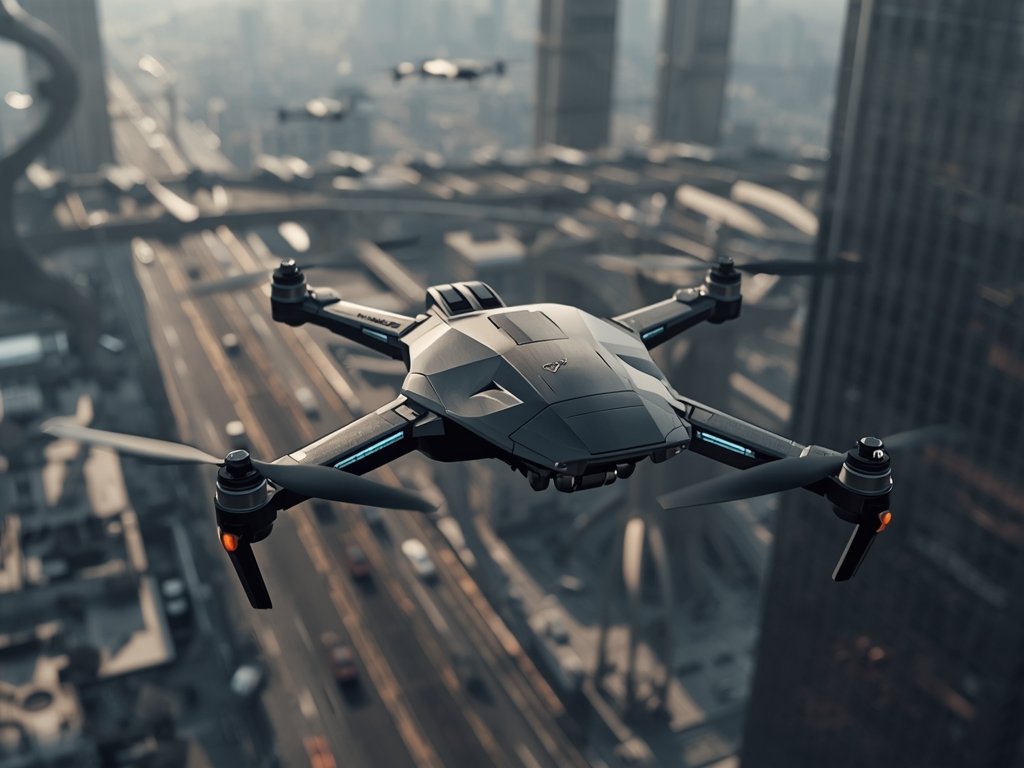
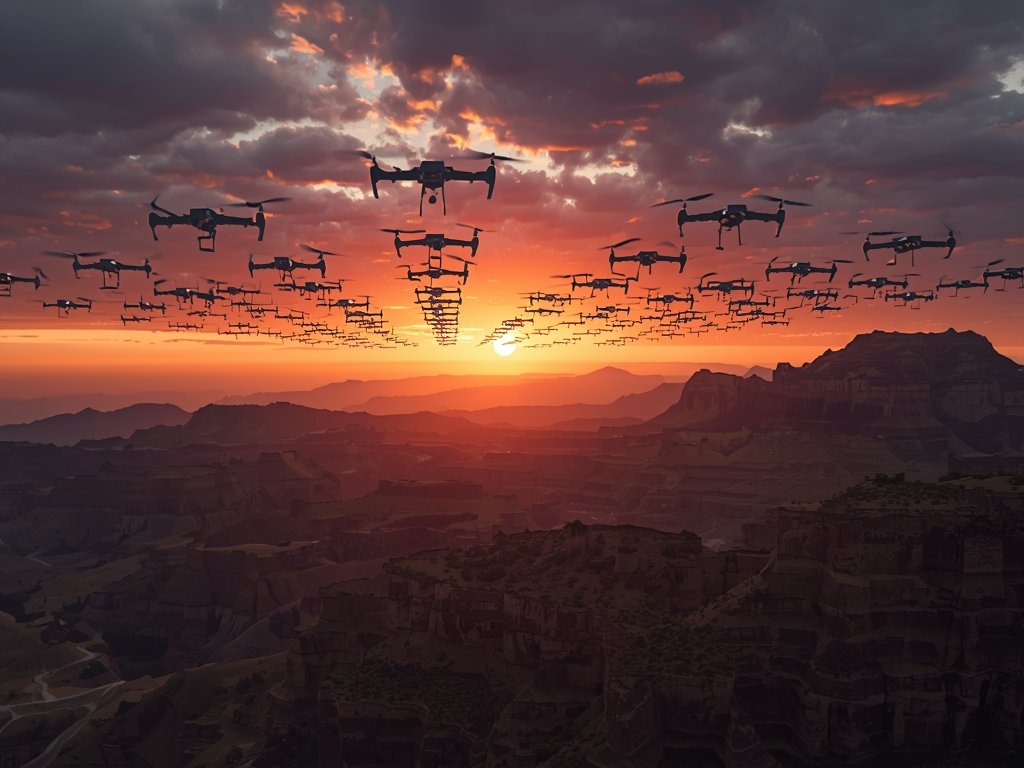
As technology continues to evolve, the lines between military and commercial drones are beginning to blur. Emerging trends, such as hybrid drone designs and advanced AI-powered systems, are paving the way for new applications and use cases. The development of drone swarms, for instance, has significant implications for both military and commercial operations.
The Convergence of Military and Commercial Drone Technologies
The convergence of military and commercial drone technologies is creating new opportunities for innovation and collaboration. As businesses and government agencies explore the potential of drone technology, we can expect to see more cross-pollination between the two domains. The result will be a new generation of drones that combine the best of both worlds, offering enhanced capabilities and versatility.
FAQ
What is the main difference between military and commercial drones?
The primary difference lies in their design, capabilities, and intended use. Military drones are built for mission-critical operations, featuring advanced sensors, weapons, and stealth technology, while commercial drones are designed for versatility, affordability, and accessibility, catering to various industries and consumer needs.
Can commercial drones be used for military purposes?
While commercial drones can be adapted for certain military applications, they are not designed to meet the rigorous demands of combat operations. Military drones undergo extensive testing and certification to ensure they can withstand harsh conditions and carry out complex missions.
What are the regulations surrounding military drone operations in the United States?
Military drone operations are governed by the Department of Defense (DoD) and coordinated with the Federal Aviation Administration (FAA) to ensure safe integration into the national airspace. The DoD works closely with the FAA to obtain necessary exemptions and permissions for military drone missions.
How are commercial drones changing the way businesses operate in the United States?
Commercial drones are transforming industries across the United States, from aerial photography and videography to package delivery and agriculture. By providing cost-effective and efficient solutions, commercial drones are helping businesses streamline their operations, reduce costs, and enhance their services.
What is the future of military and commercial drone technology?
The future of drone technology is expected to be shaped by emerging trends such as hybrid drone designs, advanced AI-powered systems, and drone swarms. As the lines between military and commercial drones continue to blur, we can anticipate new innovations and collaborations that will drive the industry forward.
Join Our Pilot Community
Connect with fellow drone enthusiasts, share your aerial shots, and get access to free PDF ebook guides.