The Great American Drone Signal Challenge
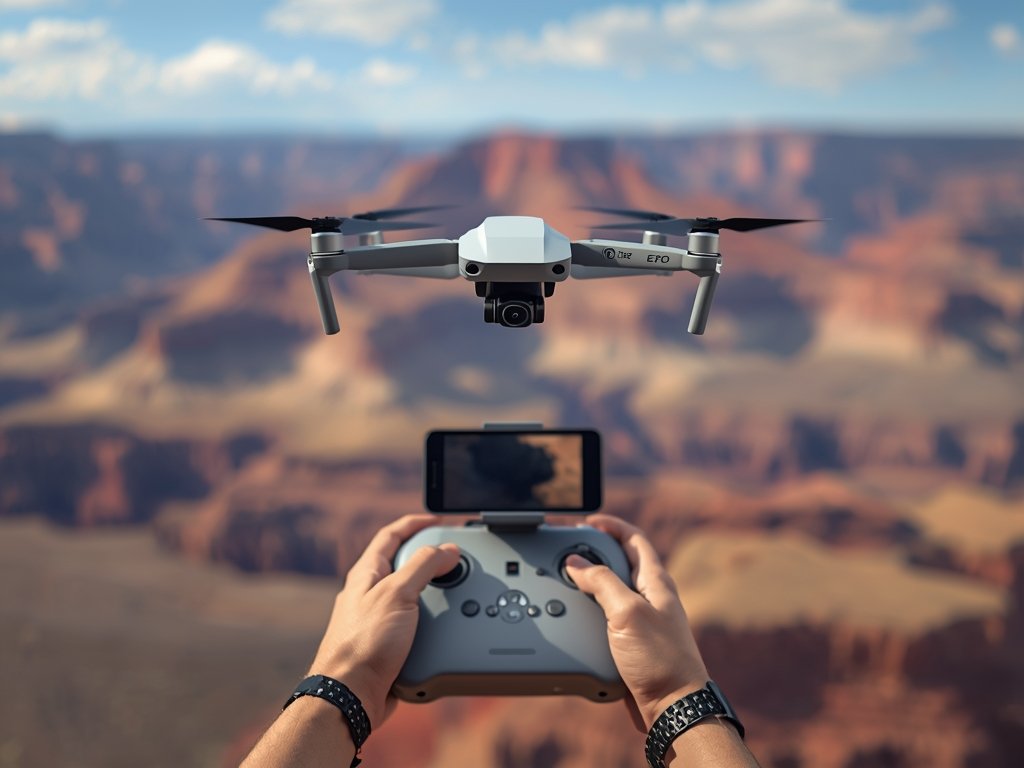
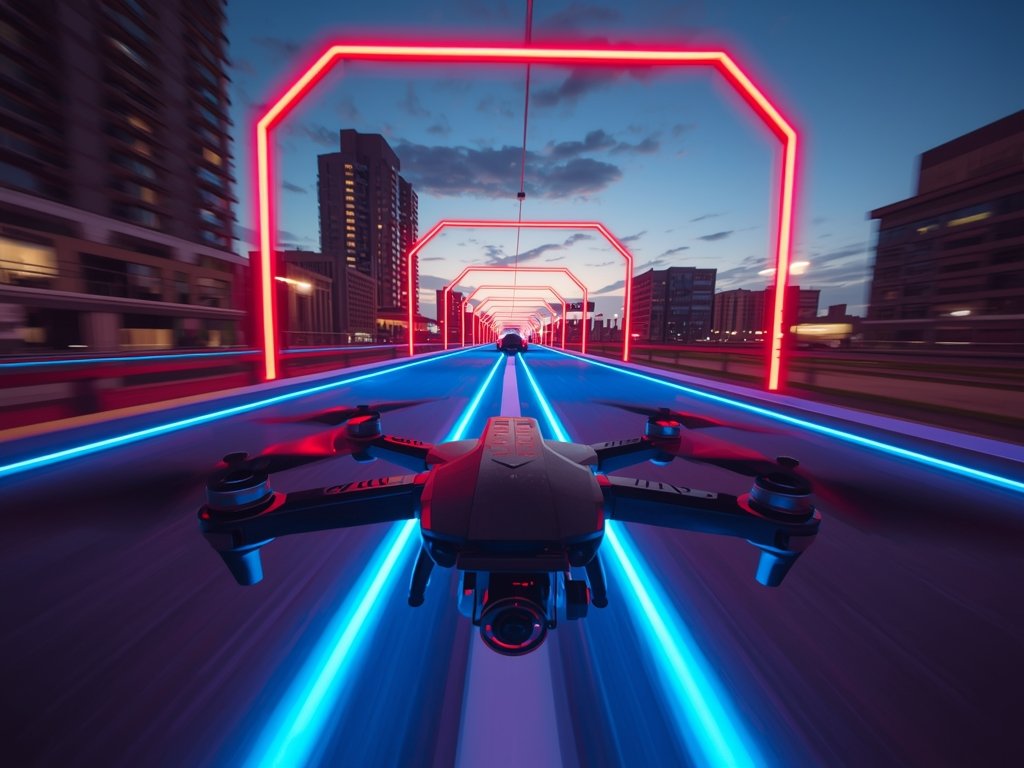
As a drone enthusiast in the United States, you’re likely familiar with the thrill of First-Person View (FPV) drone racing or freestyle flying. However, one common issue that can put a damper on your experience is limited signal range. Whether you’re navigating the urban jungle of New York City or exploring the vast landscapes of the American West, improving your FPV drone’s signal range is crucial for a seamless and safe flight.
Understanding the Signal Range Dilemma

Before diving into solutions, let’s understand the problem. FPV drone signal range is affected by various factors, including frequency, power output, and environmental obstacles. In the US, where diverse terrains and urban environments are commonplace, these factors can significantly impact your drone’s performance.
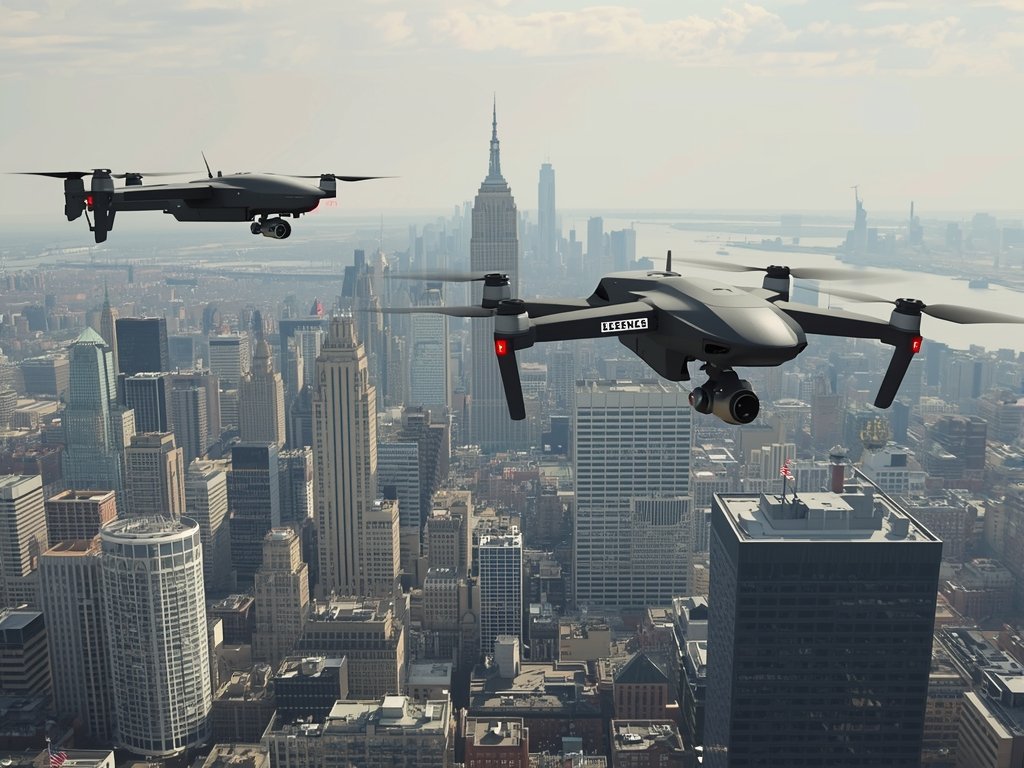
For instance, flying in a densely populated area like Chicago’s Loop can result in signal interference from tall buildings and electronic devices. Conversely, flying in a rural area like Montana’s Big Sky Country may provide fewer obstacles but still pose challenges due to distance and terrain.
Frequency and Power: The Dynamic Duo

Choosing the Right Frequency
In the US, FPV drones typically operate on the 5.8GHz frequency band, which offers a good balance between range and video quality. However, this frequency is susceptible to interference from other devices, such as Wi-Fi routers and cordless phones.
Consider using the less crowded 2.4GHz or 1.3GHz bands, which provide better penetration through obstacles and longer range, albeit with slightly lower video quality. Keep in mind that these frequencies may require additional equipment or modifications to your drone and remote control.
Boosting Power Output
Increasing your drone’s power output can significantly improve signal range. However, be cautious not to exceed the legal limits set by the Federal Communications Commission (FCC). In the US, the maximum allowed power output for FPV drones is 1 watt (30 dBm) on the 5.8GHz band.
Upgrading your drone’s antenna or using a high-gain antenna on your remote control can also help focus the signal and improve range. Just ensure that any modifications comply with FCC regulations and don’t interfere with other devices.
Navigating the Urban Jungle
Overcoming Urban Obstacles
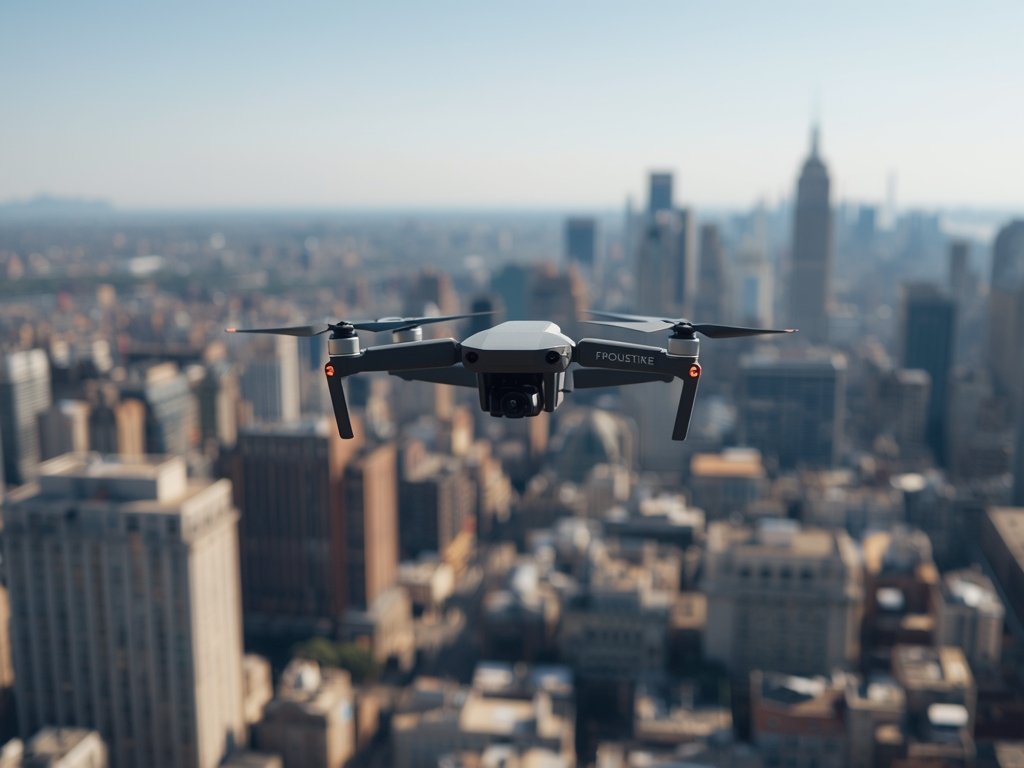
Flying in urban environments like Los Angeles or Boston presents unique challenges due to the high concentration of electronic devices and obstacles. To improve signal range in these areas, consider using a diversity receiver, which combines signals from multiple antennas to provide a more stable and reliable connection.
Additionally, be mindful of your drone’s orientation and try to maintain a clear line of sight with your remote control. Flying at higher altitudes can also help reduce interference from nearby obstacles.
Rural Adventures: Maximizing Range in Open Spaces
When flying in rural areas like the Great Plains or the Appalachian Mountains, distance and terrain become the primary concerns. To maximize signal range in these environments, focus on optimizing your drone’s power output and antenna configuration.
Using a directional antenna on your remote control can help focus the signal towards your drone, improving range and reducing interference. Also, consider using a higher-capacity battery to provide more power to your drone’s transmitter.
Advanced Techniques for Signal Range Improvement
Firmware and Software Optimization
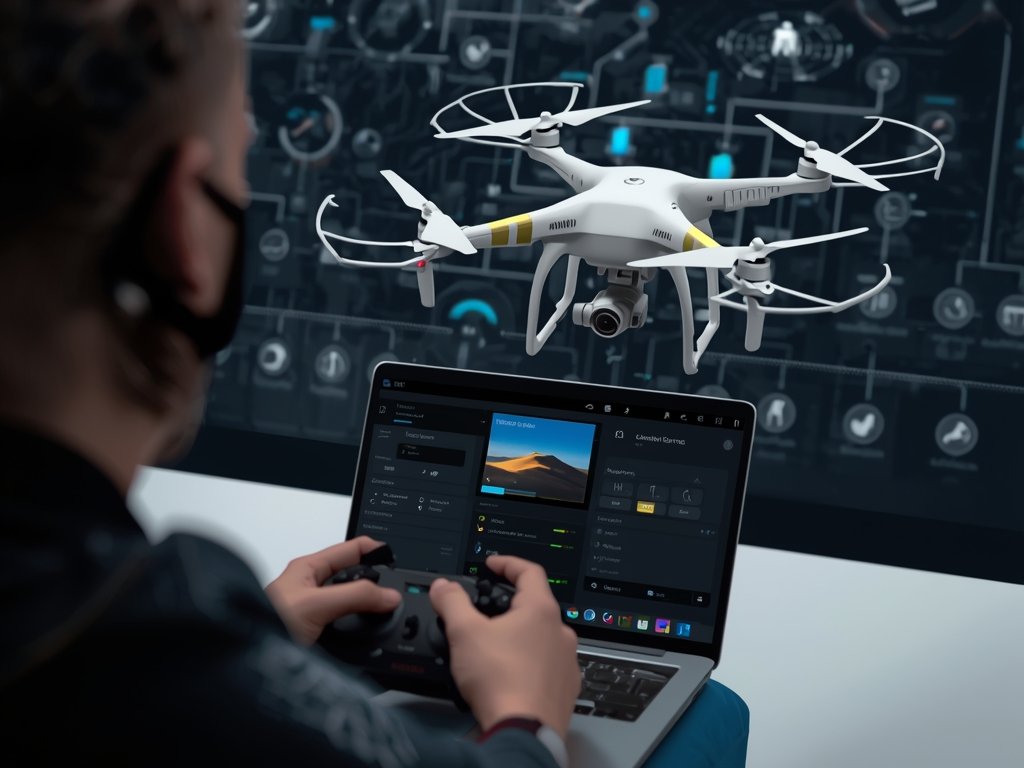
Updating your drone’s firmware and software can provide significant improvements in signal range and overall performance. Manufacturers often release updates that optimize transmitter power, improve antenna switching, and enhance video transmission.
Additionally, consider using third-party software tools that allow you to fine-tune your drone’s settings, such as transmitter power and antenna configuration. These tools can help you squeeze every last drop of performance from your equipment.
Custom Antenna Solutions
For the ultimate signal range improvement, consider building or purchasing custom antennas tailored to your specific needs. This can involve creating directional antennas, such as helical or patch antennas, or experimenting with different materials and designs.
Keep in mind that custom antenna solutions require a solid understanding of radio frequency principles and may involve trial and error. However, the results can be well worth the effort, providing significant improvements in signal range and reliability.
FAQ
What is the maximum allowed power output for FPV drones in the US?
The FCC allows a maximum power output of 1 watt (30 dBm) on the 5.8GHz band for FPV drones in the United States.
Can I use a higher frequency band to improve signal range?
Yes, using the 2.4GHz or 1.3GHz bands can provide better penetration through obstacles and longer range, but may require additional equipment or modifications.
How can I reduce interference when flying in urban environments?
Use a diversity receiver, maintain a clear line of sight, and fly at higher altitudes to reduce interference from nearby obstacles in urban areas.
What are some advanced techniques for signal range improvement?
Firmware and software optimization, custom antenna solutions, and fine-tuning transmitter settings can all contribute to significant improvements in signal range.
Is it legal to modify my drone’s antenna or power output?
As long as modifications comply with FCC regulations and don’t interfere with other devices, it is legal to modify your drone’s antenna or power output.
Your definitive resource for drone technology. From expert reviews of the latest DJI models to professional Part 107 flight training and industry regulations