
Navigating the Skies: Your Ultimate FPV Drone Antenna Selection Guide
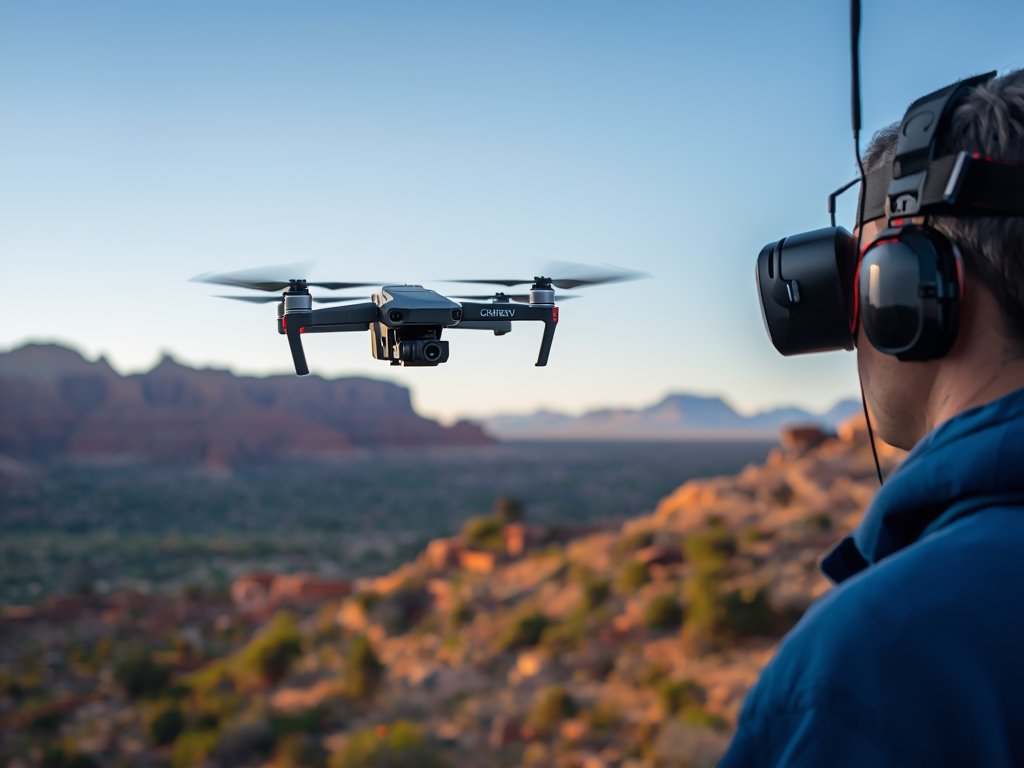
Embarking on the thrilling journey of FPV drone piloting requires more than just a drone and goggles. The unsung hero of your setup? The antenna. In the vast American skies, from the bustling cities of New York to the expansive deserts of Arizona, the right antenna can make or break your flight experience. This guide is tailored for U.S. drone enthusiasts, ensuring you navigate the complexities of antenna selection with ease.
The Basics: Understanding FPV Drone Antennas
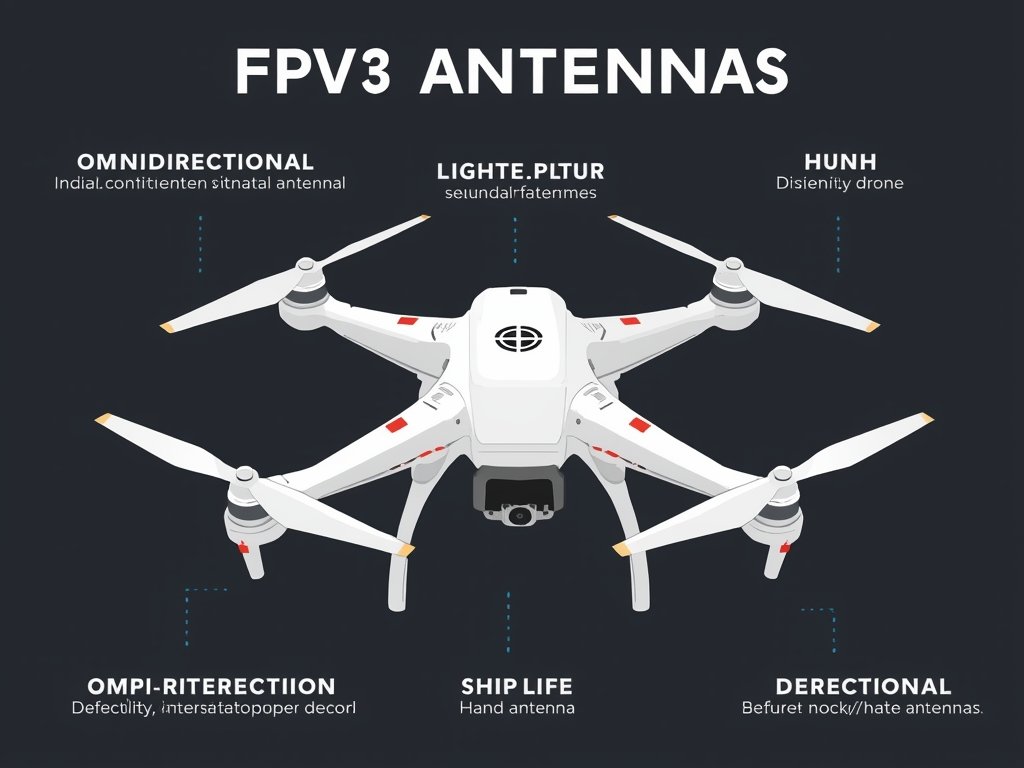
Before diving into the selection process, it’s crucial to understand the basics. FPV drone antennas come in various types, each designed for specific flight conditions and environments. The two primary categories are omnidirectional and directional antennas, each with its own set of advantages.
Omnidirectional antennas, such as the cloverleaf and the pagoda, radiate signals in all directions, making them ideal for freestyle flying and scenarios where the drone’s orientation frequently changes. On the other hand, directional antennas, like the patch and the helix, focus the signal in a specific direction, offering increased range and stability, perfect for long-range flights across open American landscapes.
Polarization: A Key Consideration
Polarization is another critical factor in antenna selection. Linear polarization, found in antennas like the dipole, is sensitive to orientation, requiring the drone and receiver antennas to be aligned. Circular polarization, common in cloverleaf and patch antennas, is less affected by orientation, making it a popular choice among U.S. pilots for its reliability in dynamic flying conditions.
Matching Antennas to Your Flying Style
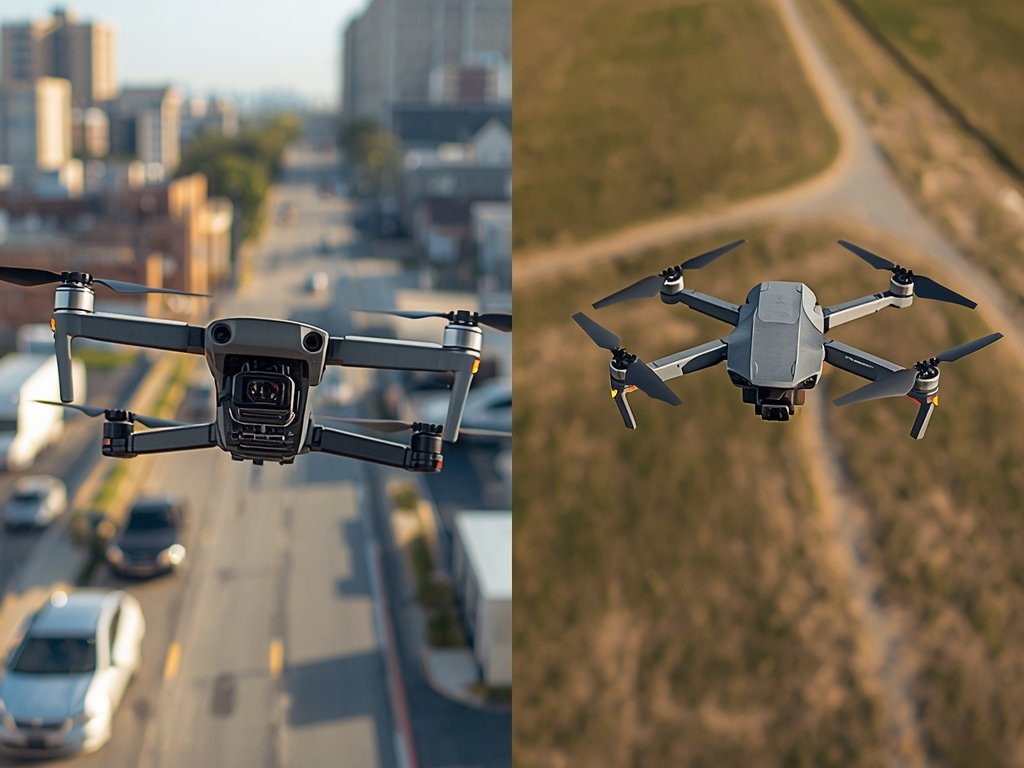
Your flying style significantly influences your antenna choice. Are you a freestyle pilot weaving through the skyscrapers of Chicago, or do you prefer the serenity of long-range flights over the Grand Canyon? For tight, urban environments, omnidirectional antennas offer the flexibility needed for quick maneuvers and changing orientations.
In contrast, if your adventures take you to open spaces, directional antennas can provide the range and signal strength necessary for exploring the vast American wilderness. Consider your typical flying scenarios and choose an antenna that complements your style.
Freestyle vs. Long-Range: Tailoring Your Setup
Freestyle pilots often prioritize agility and responsiveness, making omnidirectional antennas with circular polarization a go-to choice. These antennas ensure consistent video feed regardless of the drone’s orientation, crucial for complex maneuvers. Long-range enthusiasts, however, benefit from directional antennas that can maintain a strong signal over greater distances, essential for exploring remote areas without signal dropout.
Environmental Factors: Navigating the American Landscape
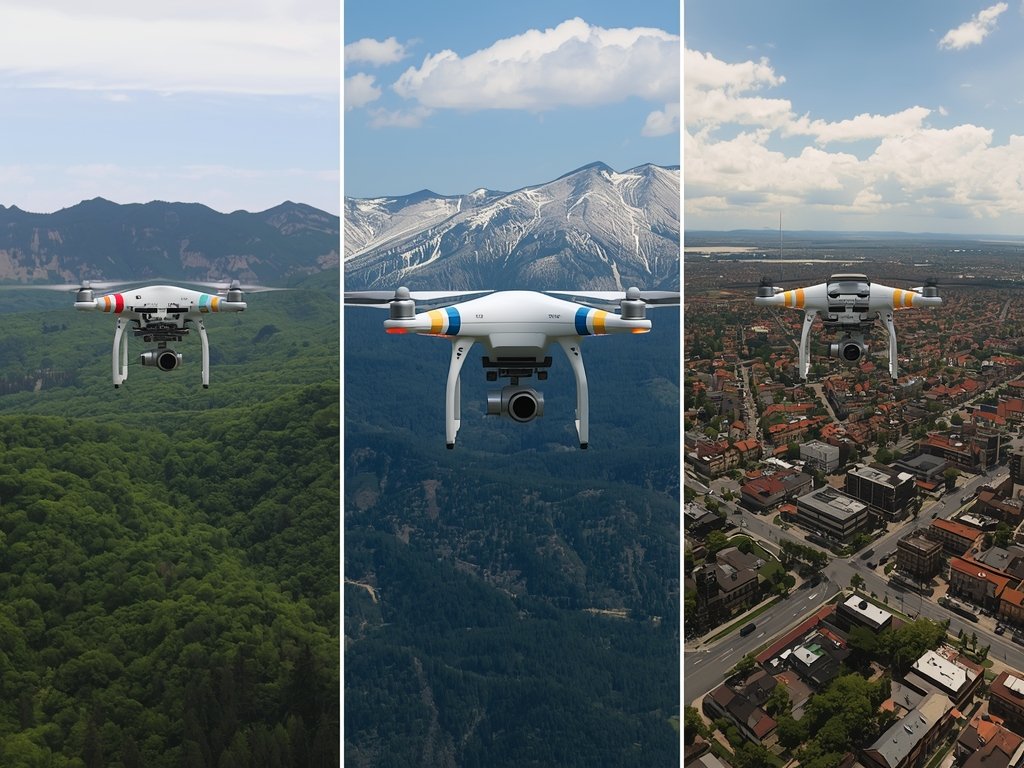
The U.S. offers a diverse range of environments, each presenting unique challenges for FPV drone pilots. From the dense forests of the Pacific Northwest to the urban jungles of Los Angeles, understanding how your surroundings affect antenna performance is key to selecting the right one.
In urban areas, signal reflection and interference from buildings can degrade performance, making high-gain directional antennas a better choice for cutting through the noise. In natural settings, obstacles like trees and hills can block signals, where omnidirectional antennas’ ability to receive signals from multiple directions can be advantageous.
Weather and Terrain: Adapting to Conditions
Weather conditions also play a significant role in antenna selection. Rainy or snowy weather can attenuate signals, requiring antennas with stronger signal penetration. Similarly, flying in mountainous regions or areas with significant elevation changes demands antennas capable of maintaining a stable connection despite the terrain’s challenges.
Technical Specifications: Diving into the Details

When selecting an antenna, technical specifications such as gain, frequency, and impedance are crucial. Gain measures an antenna’s ability to direct the signal, with higher gain antennas offering greater range but narrower focus. Frequency compatibility ensures your antenna works with your drone’s transmission system, typically operating in the 5.8GHz band for FPV.
Impedance matching between the antenna and the transmitter/receiver is essential for maximizing signal efficiency. Most FPV systems use 50-ohm impedance, so choosing an antenna with the same impedance ensures optimal performance.
Advanced Features: Enhancing Your Setup
Some antennas come with advanced features like adjustable gain or polarization, offering flexibility for different flying conditions. Others may include protective casings for durability, a must-have for pilots frequently flying in rugged terrains. Considering these features can enhance your flying experience and extend the life of your equipment.
Installation and Maintenance: Keeping Your Antenna in Top Shape
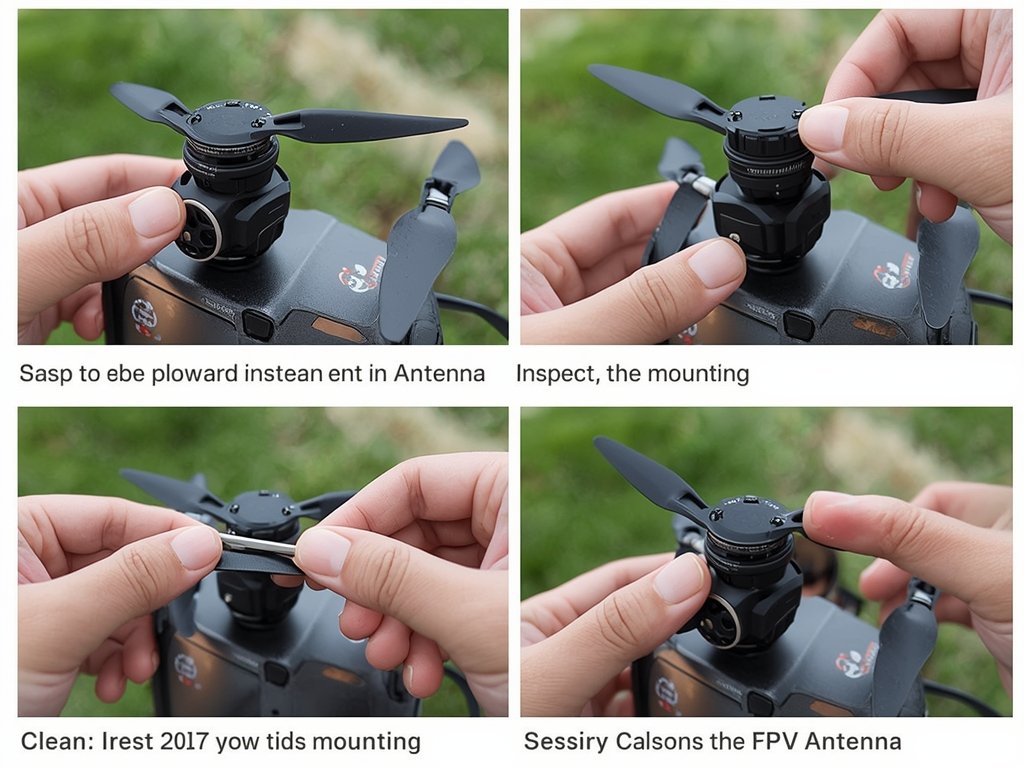
Proper installation and regular maintenance are vital for ensuring your antenna performs at its best. Start by securely mounting your antenna, ensuring it’s aligned correctly for optimal signal reception. Use high-quality connectors and cables to minimize signal loss.
Regularly inspect your antenna for damage, especially after flights in challenging conditions. Clean the antenna and its connections to remove dirt and debris that can affect performance. For directional antennas, periodic realignment may be necessary to maintain the best signal direction.
Troubleshooting Common Issues
If you experience signal dropout or poor video quality, check for loose connections or damage to the antenna. Sometimes, simply repositioning the antenna can resolve issues. For persistent problems, consider upgrading to an antenna better suited to your flying environment or style.
FAQ
What’s the best antenna for beginner FPV pilots in the U.S.?
For beginners, omnidirectional antennas with circular polarization, like the cloverleaf, are highly recommended. They offer ease of use, reliability, and are suitable for a variety of flying conditions across the U.S.
How does weather affect my antenna choice?
Adverse weather conditions can degrade signal quality. In rainy or snowy environments, consider antennas with higher gain or those designed for better signal penetration to maintain a stable connection.
Can I use the same antenna for both freestyle and long-range flying?
While possible, it’s not ideal. Freestyle flying benefits from omnidirectional antennas for their flexibility, whereas long-range flights require directional antennas for extended range and stability. Tailoring your antenna to your specific flying style yields the best results.
How often should I replace my FPV drone antenna?
There’s no set timeline for replacement, but regular inspection is key. Replace your antenna if you notice physical damage, significant performance degradation, or if it no longer meets your flying needs.
Are there legal considerations for FPV drone antennas in the U.S.?
Yes, ensure your antenna operates within the legal frequency bands for FPV drones in the U.S., typically 5.8GHz. Adhering to FCC regulations is crucial to avoid legal issues and interference with other devices.
Join Our Pilot Community
Connect with fellow drone enthusiasts, share your aerial shots, and get access to free PDF ebook guides.