Navigating the Skies: A Comprehensive Guide to Commercial Drone Regulations in the US
As the commercial drone industry continues to soar in the United States, it’s essential for operators to understand the complex web of regulations governing their flights. From FAA guidelines to state-specific laws, this guide will help you navigate the skies with confidence.
The FAA’s Role in Commercial Drone Operations
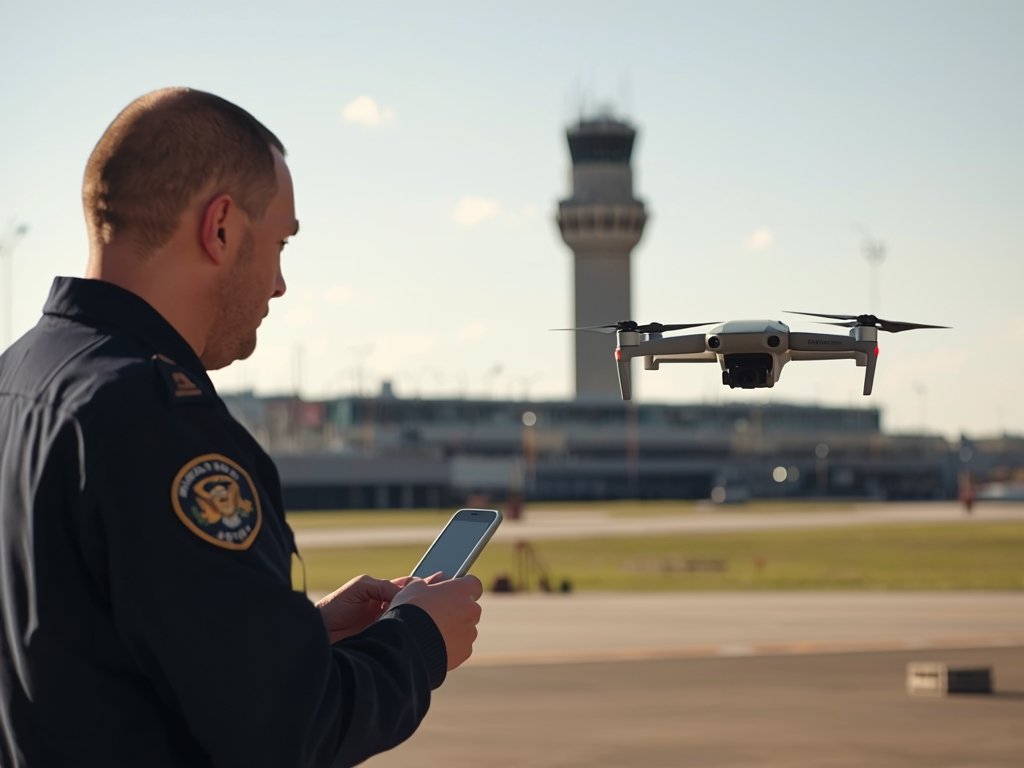
The Federal Aviation Administration (FAA) is the primary regulatory body overseeing commercial drone operations in the US. To operate a drone for business purposes, you must obtain a Remote Pilot Certificate, which requires passing a knowledge test and meeting specific eligibility criteria.
Key FAA Regulations to Keep in Mind
- Part 107 Rules: These regulations govern small unmanned aircraft systems (sUAS) weighing less than 55 pounds. Key provisions include flight restrictions, altitude limits, and operational requirements.
- Airspace Restrictions: Commercial drone operators must be aware of restricted and controlled airspace, including areas around airports, military bases, and national parks.
- Registration Requirements: All commercial drones must be registered with the FAA, and the registration number must be displayed on the aircraft.
State and Local Drone Laws: A Patchwork of Regulations
In addition to federal regulations, commercial drone operators must navigate a patchwork of state and local laws. These regulations can vary significantly, from privacy laws in California to no-fly zones in New York City.
Notable State-Specific Drone Regulations
- California: Requires commercial drone operators to obtain a permit for flights over private property and imposes strict privacy laws.
- Texas: Prohibits drone use for hunting or harassing wildlife, with penalties for violations.
- Florida: Restricts drone flights near critical infrastructure, including power plants and water treatment facilities.
Industry-Specific Drone Regulations: Tailoring Compliance to Your Business
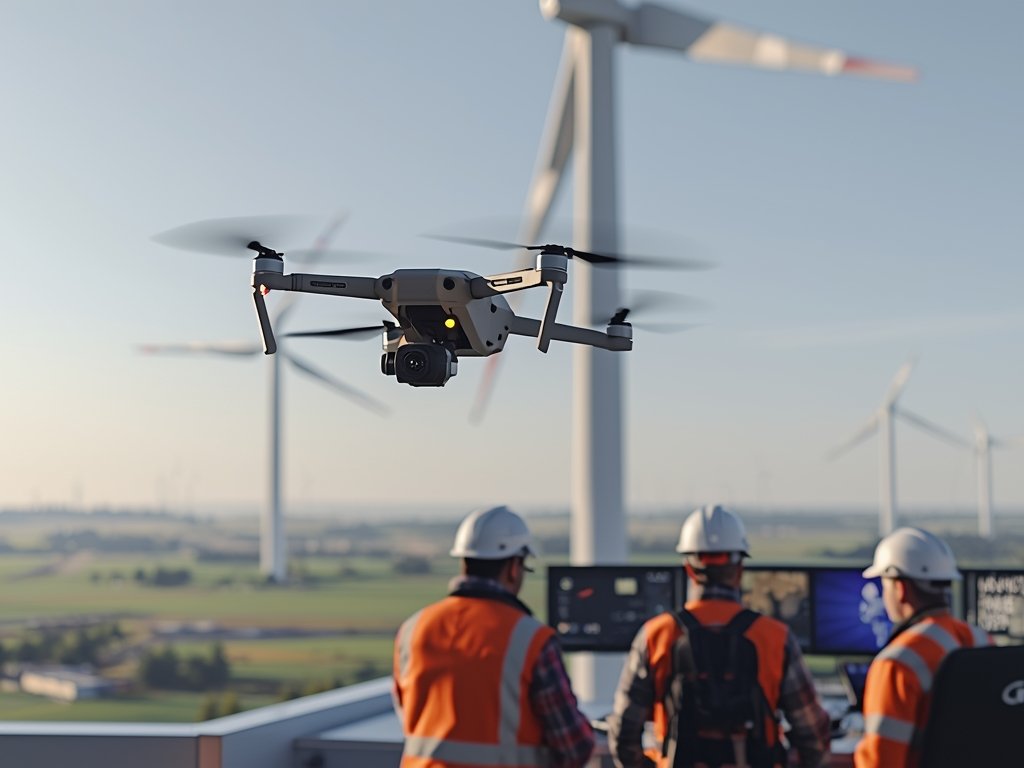
Different industries have unique regulatory requirements for commercial drone operations. Whether you’re in real estate, agriculture, or infrastructure inspection, understanding these industry-specific regulations is crucial for compliance.
Industry-Specific Compliance Considerations
- Real Estate: Drone operators must comply with FAA guidelines for aerial photography, including altitude and proximity restrictions.
- Agriculture: Drones used for crop monitoring and spraying must meet EPA regulations and obtain necessary permits.
- Infrastructure Inspection: Operators must coordinate with local authorities and obtain waivers for flights near critical infrastructure.
Waivers and Exemptions: When Standard Regulations Don’t Apply
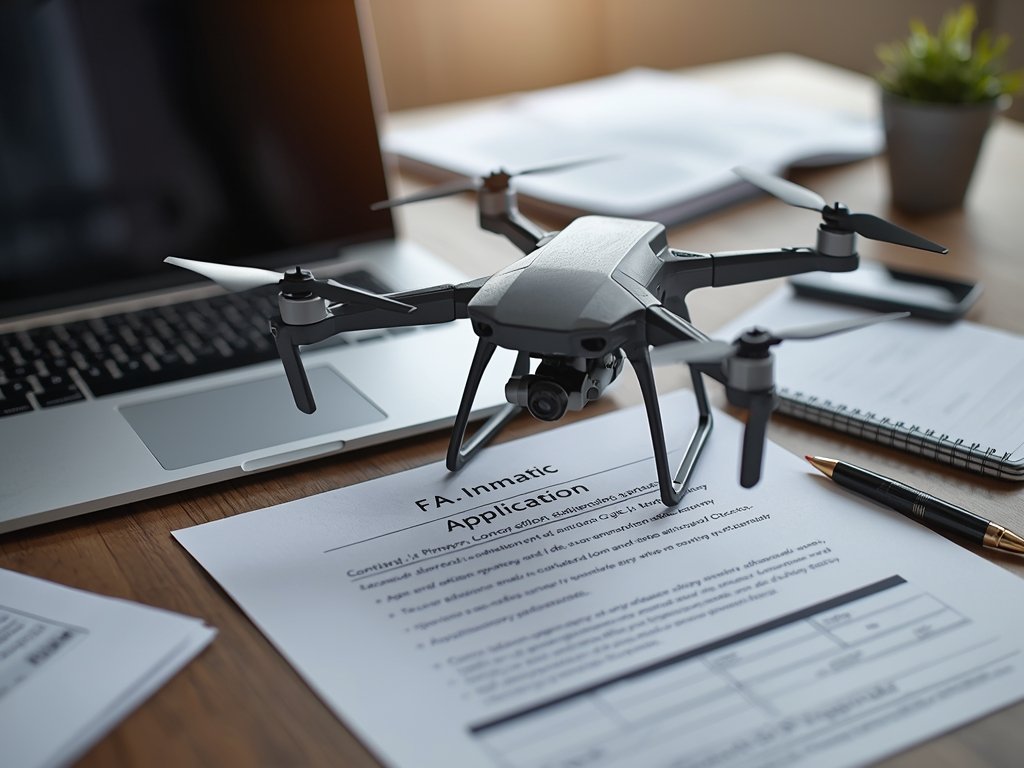
In some cases, commercial drone operators may need to request waivers or exemptions from standard FAA regulations. This process involves submitting a detailed application, outlining the proposed operation, and demonstrating compliance with safety requirements.
Common Waiver and Exemption Scenarios
- Night Operations: Requires a waiver for flights during nighttime hours, with specific lighting and safety protocols.
- Beyond Visual Line of Sight (BVLOS): Exemptions are necessary for operations beyond the pilot’s visual line of sight, requiring advanced safety measures.
- Flight Over People: Waivers are required for flights over non-participating individuals, with strict safety assessments and protocols.
Staying Compliant: Best Practices for Commercial Drone Operators
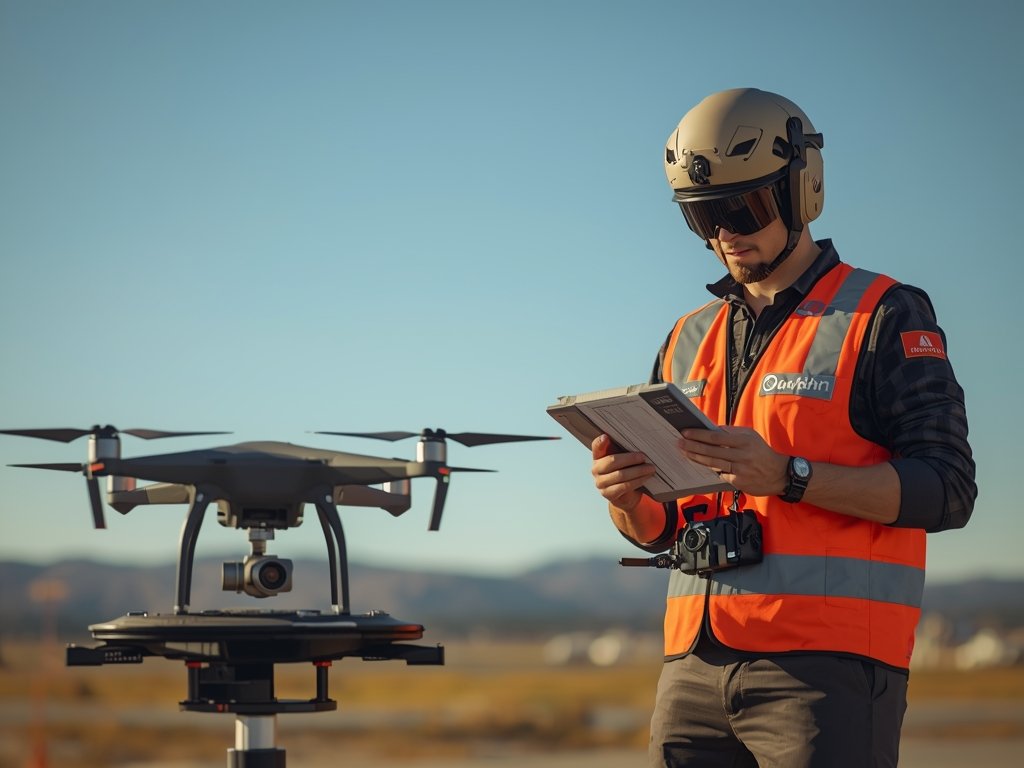
Maintaining compliance with commercial drone regulations requires ongoing diligence and attention to detail. By implementing best practices, operators can minimize risks and ensure a safe, legal operation.
Tips for Maintaining Compliance
- Stay Informed: Regularly review FAA regulations and industry-specific guidelines to stay up-to-date on changes and updates.
- Conduct Thorough Pre-Flight Checks: Ensure your drone is in good working condition and that all necessary permits and waivers are in place.
- Maintain Detailed Records: Keep accurate logs of flights, maintenance, and compliance activities for audit purposes.
FAQ
What is the maximum altitude for commercial drone operations in the US?
Under FAA Part 107 rules, commercial drones cannot fly higher than 400 feet above ground level (AGL) without a waiver.
Do I need a license to operate a drone for commercial purposes?
Yes, you must obtain a Remote Pilot Certificate from the FAA to operate a drone for business or commercial purposes.
Can I fly my drone over private property without permission?
It depends on the state and local regulations. In some areas, you may need explicit permission from the property owner, while others may allow flights under certain conditions.
How do I obtain a waiver for night operations?
You must submit a detailed waiver application to the FAA, outlining your proposed operation, safety protocols, and lighting requirements.
What are the penalties for violating commercial drone regulations?
Penalties can range from fines and revocation of your Remote Pilot Certificate to criminal charges, depending on the severity of the violation.
Your definitive resource for drone technology. From expert reviews of the latest DJI models to professional Part 107 flight training and industry regulations