
Taking Flight: The Ultimate Guide to Choosing Your First Racing Drone in 2026
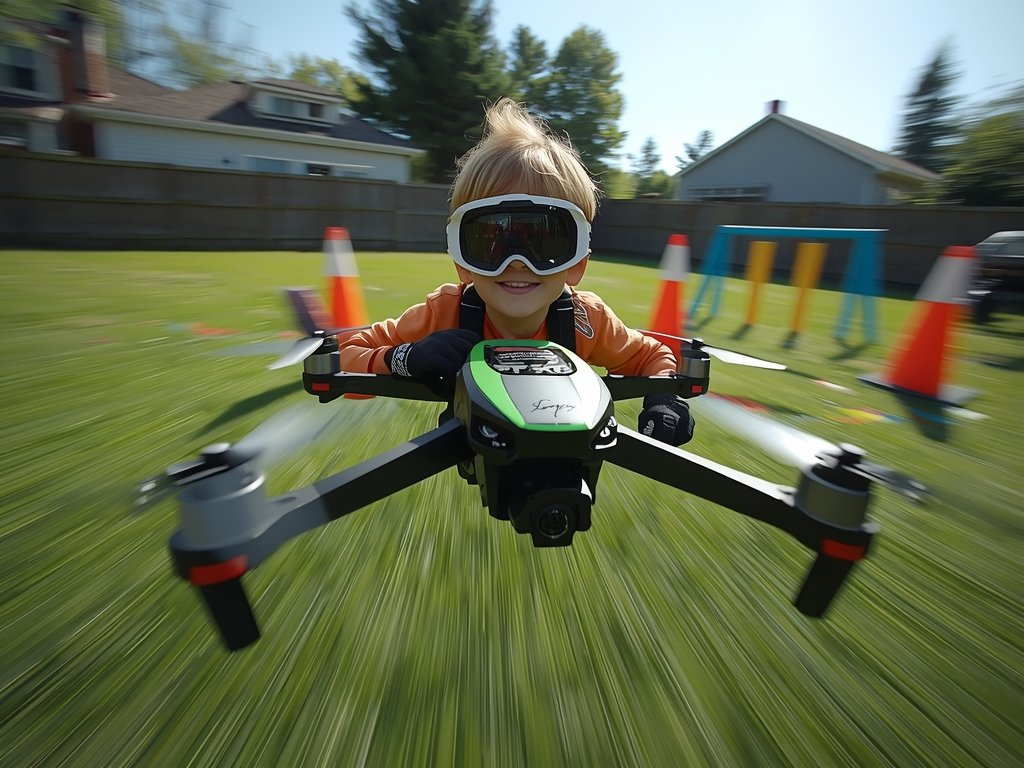
Remember the first time you saw a racing drone tear through the sky, defying gravity with every twist and turn? That adrenaline rush, the sheer speed, the precision – it’s enough to make anyone want to grab a controller and join the fray. But for beginners, the world of drone racing can feel like a labyrinth of technical jargon and expensive gear. Fear not, future pilots! This guide will navigate you through the best racing drones for beginners in 2026, ensuring your first flight is as thrilling as it is successful.
Why Start with a Beginner-Friendly Racing Drone?
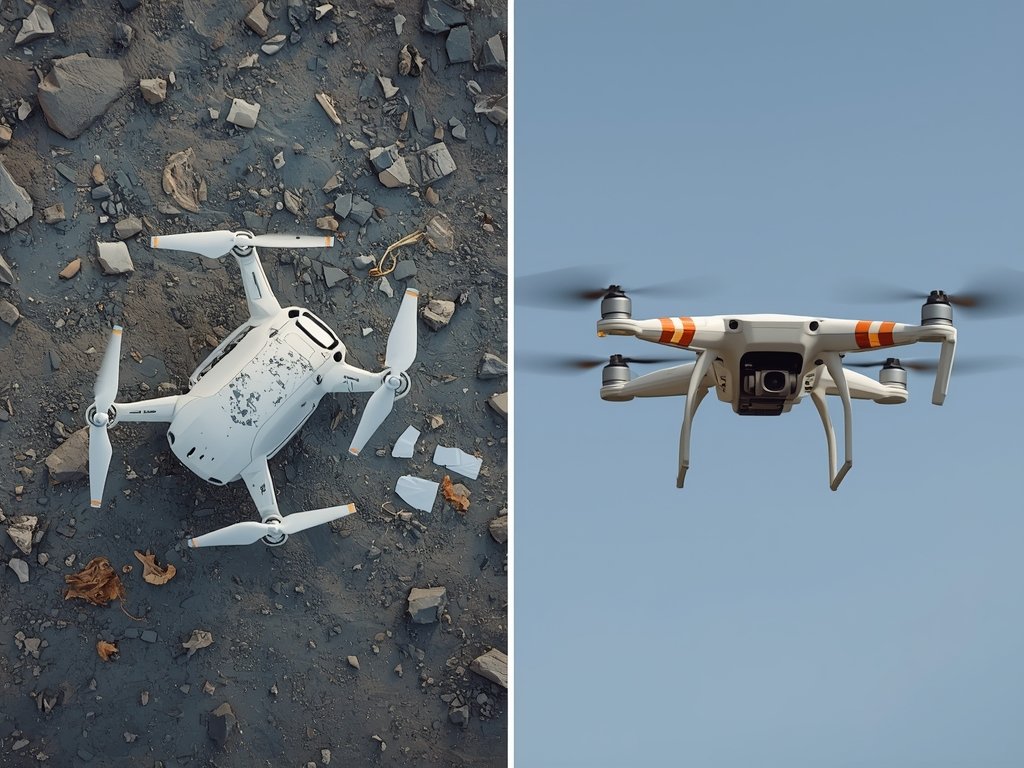
Let’s face it, crashing is part of the learning curve. Beginner-friendly drones are built to withstand those inevitable bumps and bruises. They’re also designed for easier control, allowing you to focus on mastering the basics of flight and FPV (First-Person View) piloting without constantly battling unresponsive controls.
Think of it like learning to drive. You wouldn’t start with a Formula One car, would you? A beginner-friendly racing drone is your trusty learner vehicle, helping you build confidence and skills before you graduate to more advanced machines.
Key Features to Look for in Your First Racing Drone
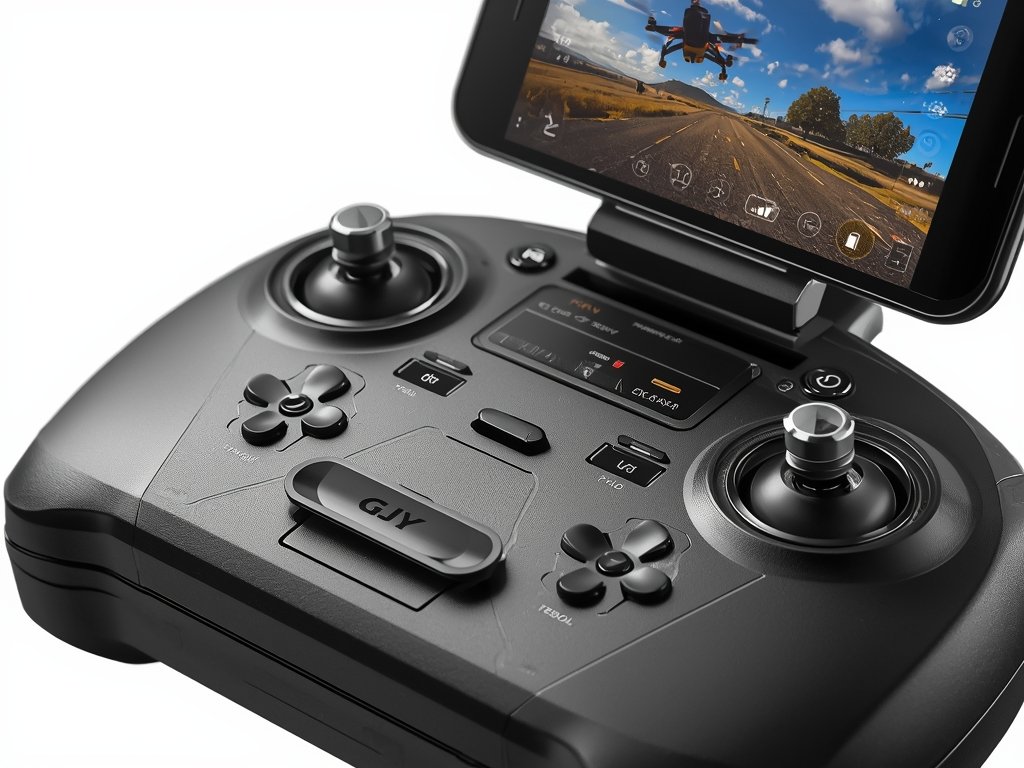
Durability: Built to Last (or at Least Crash)
Carbon fiber frames and durable propellers are your best friends. Look for drones with replaceable parts – it’s cheaper and easier to swap out a broken propeller than an entire drone.
Flight Time: More Air, More Fun
Aim for drones with at least 5-7 minutes of flight time per battery. While it might seem short, those minutes will feel like an eternity when you’re immersed in the FPV experience.
Ease of Use: Intuitive Controls for Smooth Learning
Look for controllers with ergonomic designs and intuitive button layouts. Some drones even offer beginner modes that limit speed and agility, allowing you to gradually build your skills.
FPV Experience: See What Your Drone Sees
A good FPV setup is crucial for the immersive racing experience. Look for drones with clear, low-latency video transmission and comfortable goggles.
Top Picks: The Best Racing Drones for Beginners in 2026
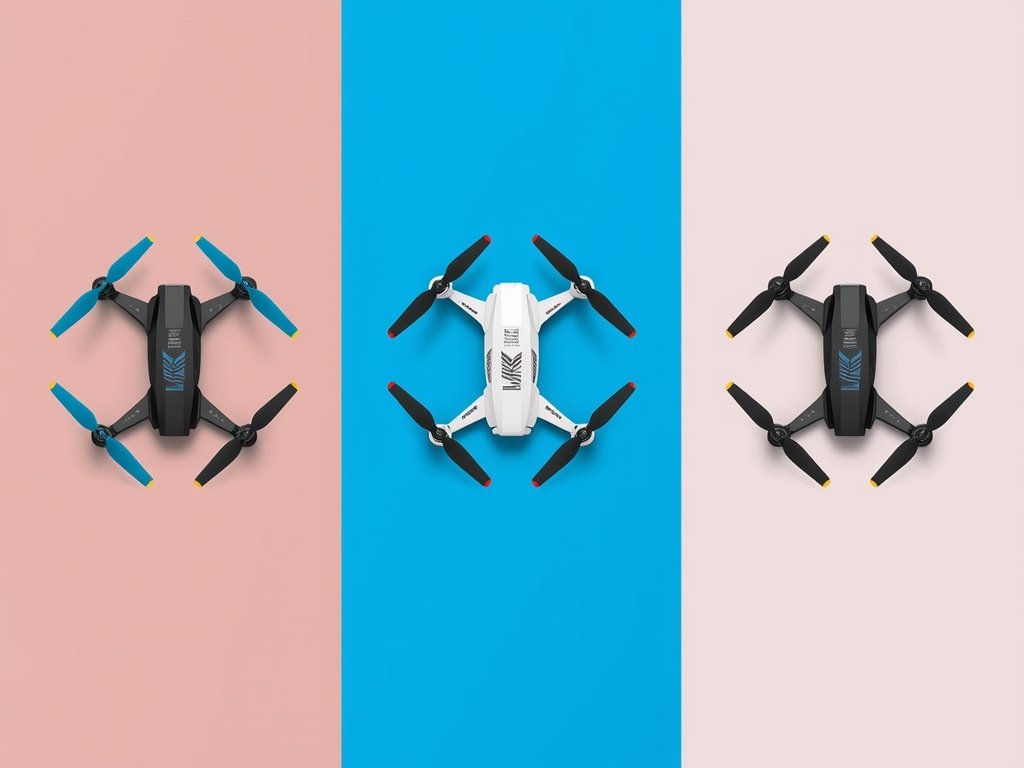
1. BetaFPV Cetus Pro: This compact drone is a favorite among beginners for its durability, ease of use, and impressive flight performance. Its lightweight design makes it forgiving for crashes, while its powerful motors deliver surprising speed and agility.
2. Emax Tinyhawk III: Another excellent choice for newcomers, the Tinyhawk III boasts a durable frame, intuitive controls, and a beginner-friendly flight mode. Its small size makes it perfect for indoor practice sessions.
3. iFlight Nazgul5 V2: For those seeking a more advanced option, the Nazgul5 V2 offers a balance of performance and durability. Its carbon fiber frame can handle rough landings, while its powerful motors provide exhilarating speed and maneuverability.
Beyond the Drone: Essential Gear for Your Racing Journey
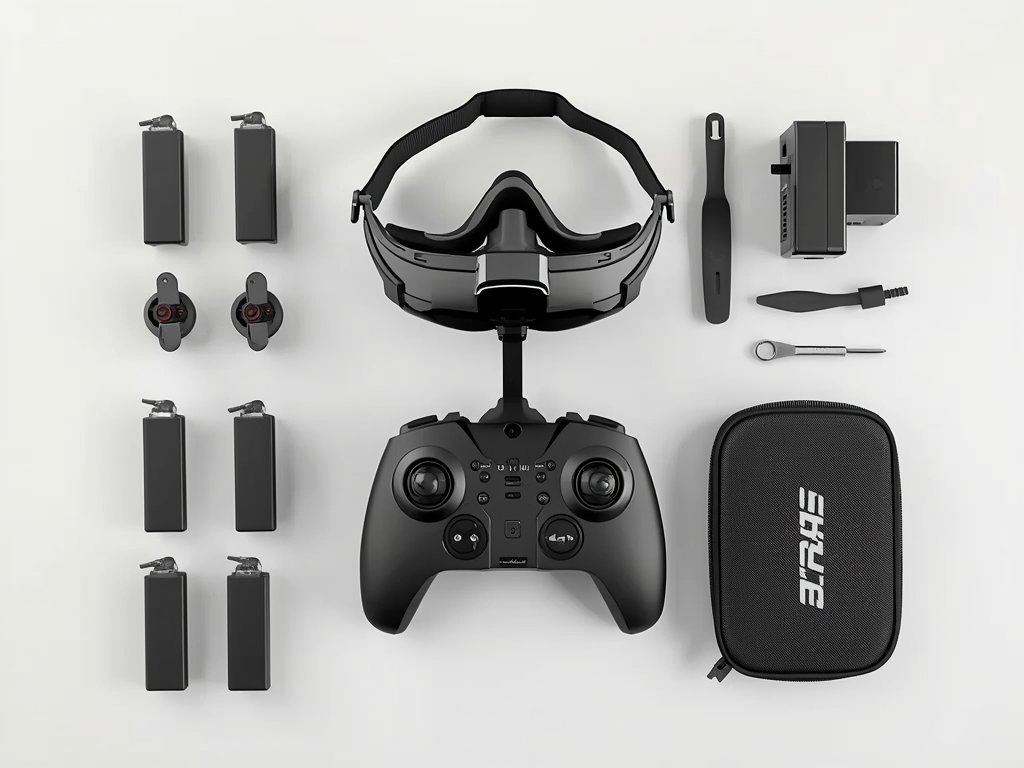
Your drone is just the starting point. To truly immerse yourself in the world of drone racing, you’ll need a few additional pieces of gear:
- FPV Goggles: These allow you to see from your drone’s perspective, putting you right in the pilot’s seat.
- Controller: Choose a controller that feels comfortable in your hands and offers intuitive controls.
- Batteries and Charger: Invest in extra batteries and a reliable charger to maximize your flight time.
- Toolkit: A basic toolkit with screwdrivers and wrenches will come in handy for repairs and maintenance.
Where to Fly: Finding Legal and Safe Spaces
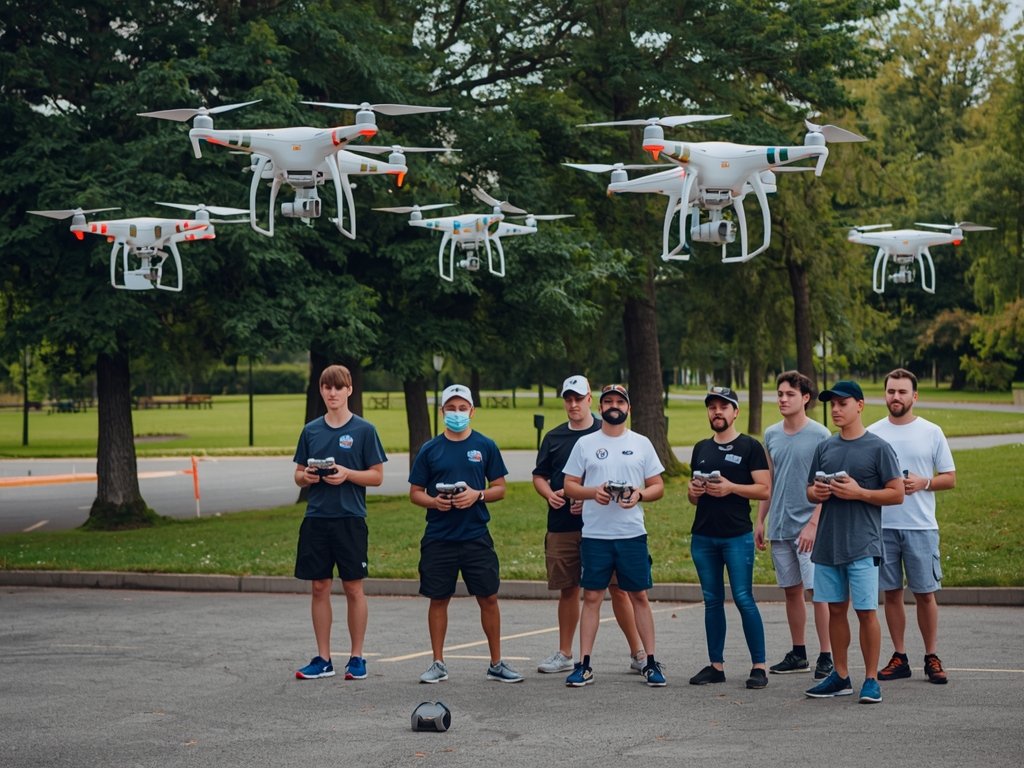
Before you take to the skies, remember to check local regulations regarding drone flight. Many parks and recreational areas have designated drone zones. Joining a local drone racing club is a great way to connect with experienced pilots, find safe flying spots, and learn valuable tips and tricks.
Remember, safety is paramount. Always fly in open areas away from people, animals, and property. Be mindful of your surroundings and respect the privacy of others.
FAQ: Answering Your Burning Questions
How much does it cost to get started in drone racing?
You can expect to spend anywhere from $200 to $500 for a beginner-friendly drone, FPV goggles, and a controller. Additional costs include batteries, chargers, and spare parts.
Do I need any special skills to fly a racing drone?
While some hand-eye coordination and spatial awareness are helpful, drone racing is accessible to anyone willing to learn. Start slow, practice regularly, and don’t be afraid to crash – it’s part of the learning process!
Where can I learn more about drone racing?
Online communities, forums, and YouTube channels are great resources for learning about drone racing techniques, building and repairing drones, and connecting with other pilots.
Is drone racing legal?
Drone racing is legal in most areas, but regulations vary. Always check local laws and fly responsibly.
Join Our Pilot Community
Connect with fellow drone enthusiasts, share your aerial shots, and get access to free PDF ebook guides.