
Catch the Racing Bug: Your Gateway to FPV Drone Thrills
Ready to dive into the adrenaline-pumping world of FPV drone racing? As a beginner, choosing your first racing drone can feel like navigating a maze. But fear not! We’ve got you covered with the best beginner FPV drones that balance performance, durability, and affordability. Whether you’re in New York, Los Angeles, or anywhere in between, these drones will help you catch the racing bug.
Why Start with a Beginner FPV Drone?
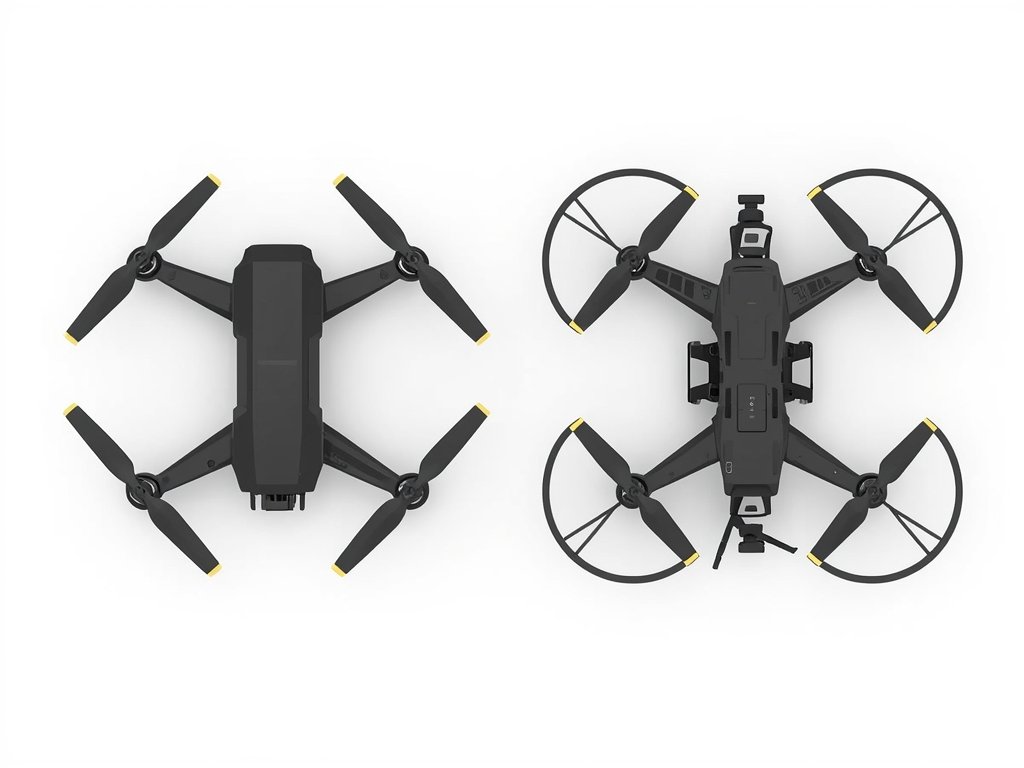
Before we dive into the top picks, let’s talk about why starting with a beginner FPV drone is a smart move. Unlike advanced racing drones, beginner models are designed to be forgiving, durable, and easy to fly. They’re perfect for mastering the basics of FPV flight without breaking the bank—or your drone.
Plus, with the growing popularity of drone racing leagues across the U.S., like the Drone Racing League (DRL), you’ll want a drone that lets you practice safely and confidently before hitting the big leagues.
Top 5 Beginner FPV Drones for Racing in 2026
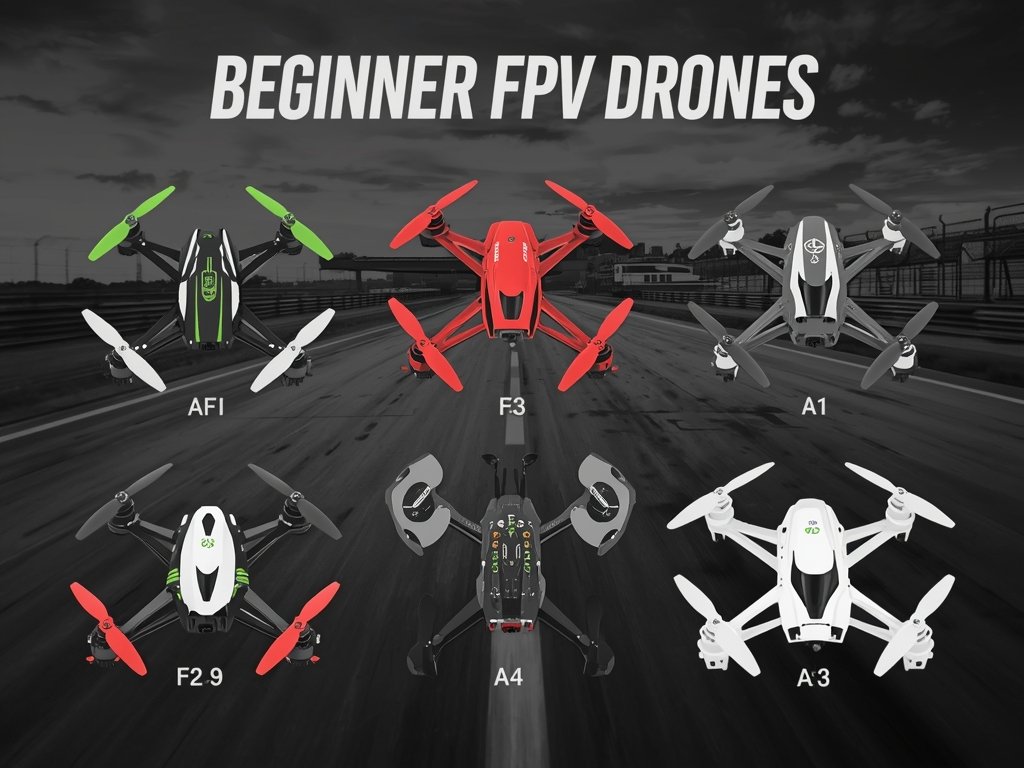
1. BetaFPV Cetus Pro: The All-in-One Starter Kit
If you’re looking for a hassle-free entry into FPV racing, the BetaFPV Cetus Pro is your go-to choice. This kit comes with everything you need: a drone, goggles, and a controller. Its self-leveling mode is perfect for beginners, while the manual mode lets you practice advanced maneuvers.
- Pros: Ready-to-fly, durable, and beginner-friendly.
- Cons: Limited upgrade options.
2. iFlight Nano: Compact Powerhouse
The iFlight Nano is a tiny titan in the FPV racing world. Its compact size makes it ideal for indoor racing or tight outdoor courses. Despite its small frame, it packs a punch with impressive speed and agility.
- Pros: Lightweight, agile, and great for indoor racing.
- Cons: Shorter flight time due to size.
3. Eachine Novice-II: Budget-Friendly Beast
For those on a tight budget, the Eachine Novice-II offers incredible value. This drone is built to withstand crashes, making it perfect for beginners still learning the ropes. Its intuitive controls and stable flight performance make it a top choice for newcomers.
- Pros: Affordable, durable, and easy to fly.
- Cons: Basic features compared to higher-end models.
4. Emax Tinyhawk II: The Crowd Favorite
The Emax Tinyhawk II is a fan favorite for good reason. It’s lightweight, fast, and comes with a range of features that make it a joy to fly. Its modular design allows for easy repairs, so you can get back in the air quickly after a crash.
- Pros: Modular design, great performance, and community support.
- Cons: Requires separate goggles and controller.
5. Happymodel Mobula6: Versatile and Reliable
The Happymodel Mobula6 is a versatile drone that’s perfect for both indoor and outdoor racing. Its brushless motors provide smooth, powerful flight, while its durable frame can handle the occasional crash. It’s a great choice for beginners looking to grow their skills.
- Pros: Versatile, powerful, and durable.
- Cons: Slightly pricier than entry-level models.
What to Look for in a Beginner FPV Drone
Choosing the right beginner FPV drone can feel overwhelming, but focusing on a few key features can simplify the process. Here’s what to look for:
- Durability: Crashes are part of the learning process, so a sturdy frame is a must.
- Flight Time: Longer flight times mean more practice without constant recharging.
- Ease of Use: Look for drones with beginner-friendly features like self-leveling modes.
- Community Support: A strong user community can provide valuable tips and troubleshooting advice.
Tips for Getting Started in FPV Drone Racing
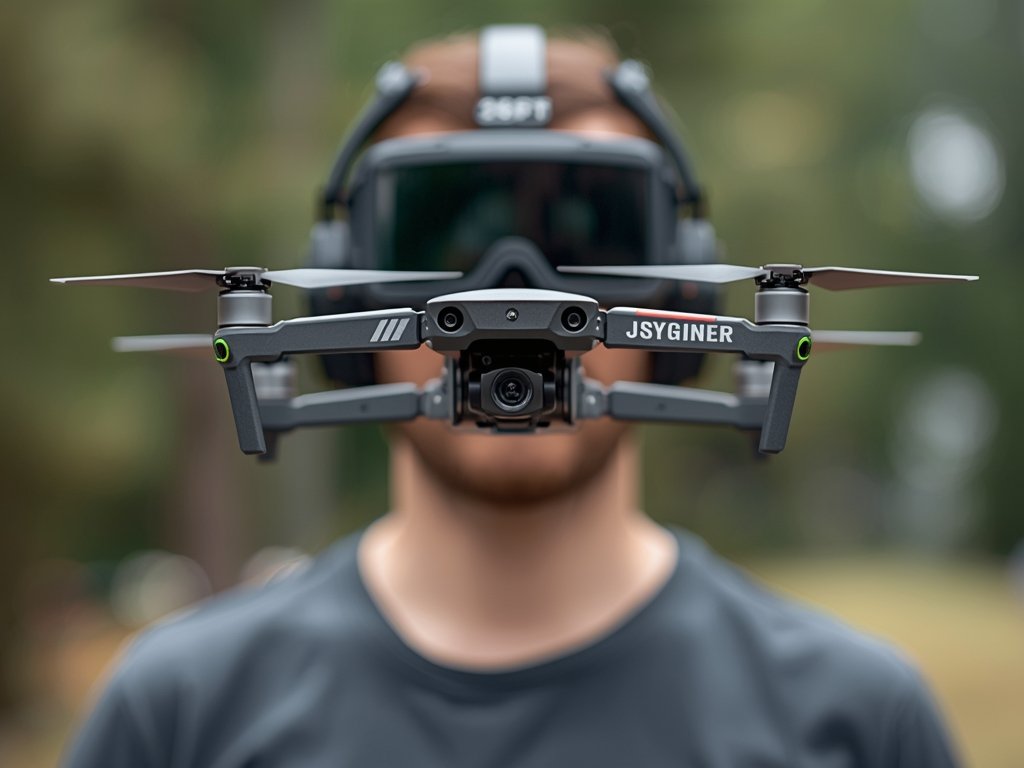
Once you’ve got your drone, it’s time to hit the skies! Here are some tips to help you get started:
- Start Slow: Practice basic maneuvers in an open, obstacle-free area before attempting high-speed races.
- Join a Community: Local drone racing clubs and online forums are great places to connect with fellow pilots and learn from their experiences.
- Invest in Safety Gear: Always wear safety goggles and ensure your drone is in good condition before flying.
- Have Fun: Remember, the goal is to enjoy the thrill of FPV racing, so don’t get too caught up in the competition.
FAQ
What’s the best beginner FPV drone for under $200?
The Eachine Novice-II is an excellent choice for those on a budget. It’s durable, easy to fly, and offers great value for its price.
Do I need any special equipment to start FPV drone racing?
Yes, you’ll need FPV goggles and a controller. Some drones, like the BetaFPV Cetus Pro, come with these included, while others require separate purchases.
How long does it take to learn FPV drone racing?
The learning curve varies, but most beginners can get the hang of basic flight within a few weeks. Mastering advanced maneuvers and racing techniques can take several months of practice.
Can I race my beginner FPV drone indoors?
Yes, smaller drones like the iFlight Nano and Emax Tinyhawk II are perfect for indoor racing. Just make sure you have enough space and remove any fragile items from the area.
Are there any legal restrictions for flying FPV drones in the U.S.?
Yes, the FAA requires all drones weighing over 0.55 pounds to be registered. Additionally, always follow local regulations and avoid flying near airports or restricted areas.
Join Our Pilot Community
Connect with fellow drone enthusiasts, share your aerial shots, and get access to free PDF ebook guides.