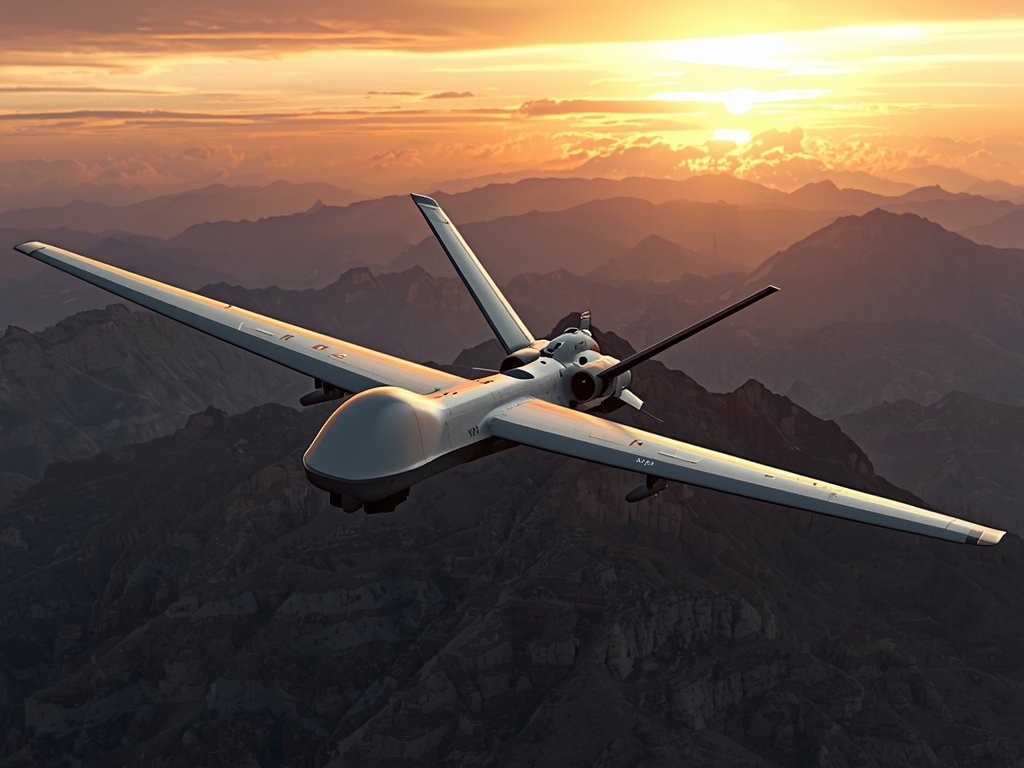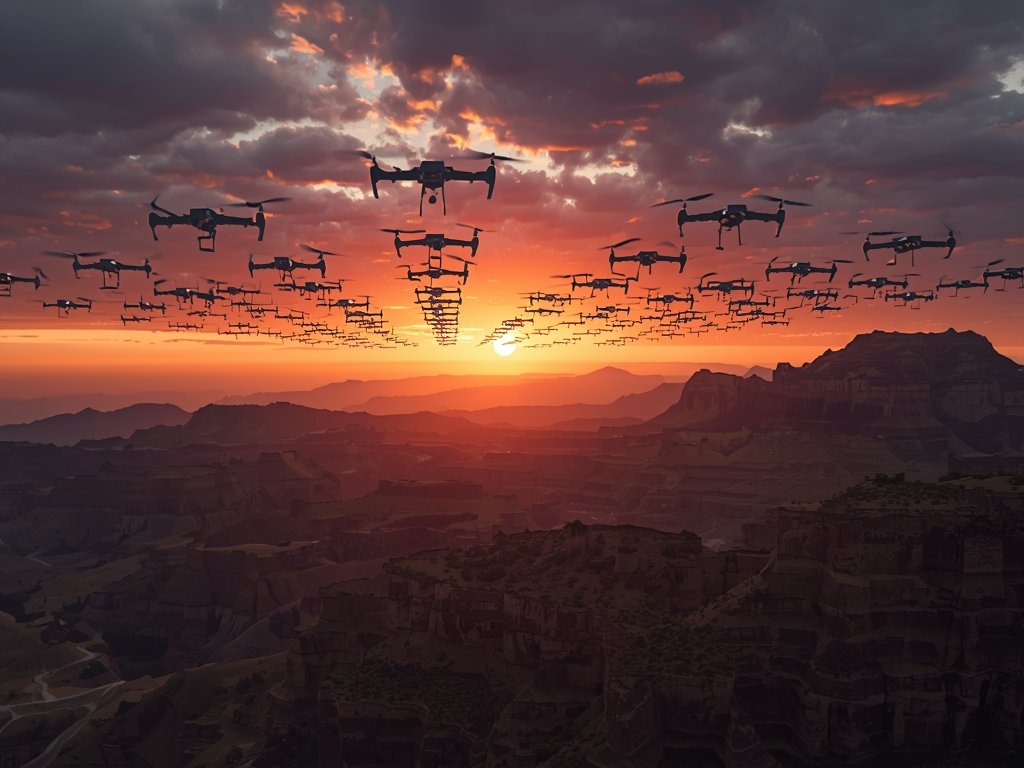

Taking Flight: The Rise of Autonomous Commercial Drones in the US
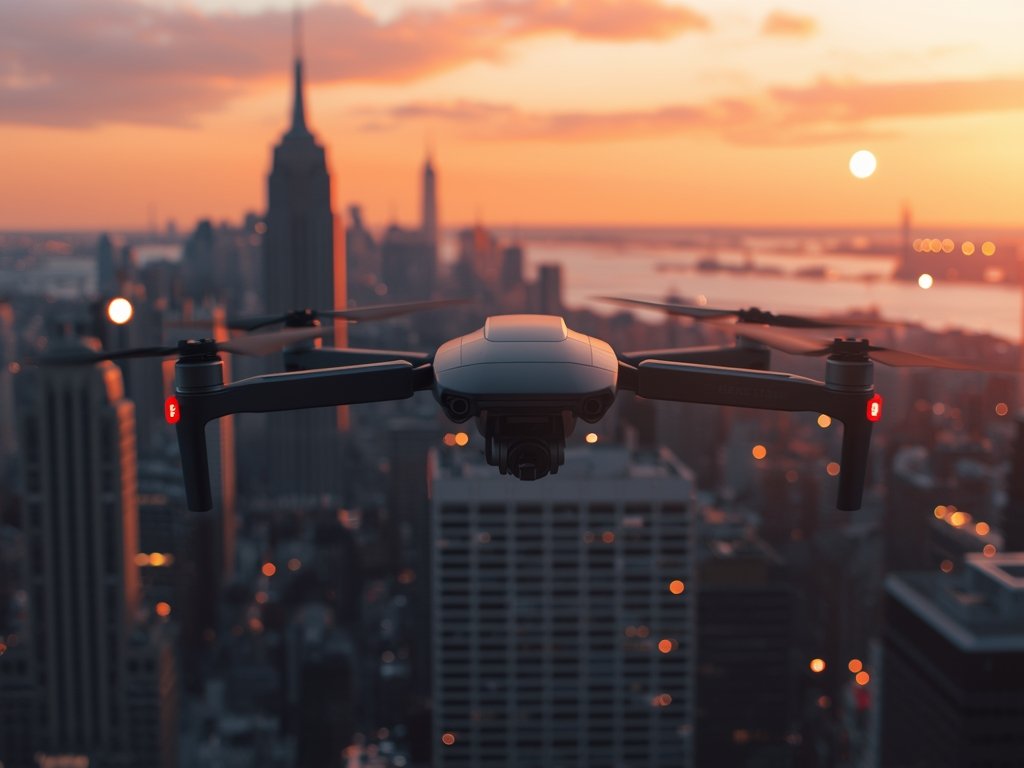
The skies above the United States are buzzing with a new kind of activity. Autonomous commercial drones are no longer a futuristic fantasy; they’re a rapidly growing reality, transforming industries and reshaping the way we live and work. From delivering life-saving medical supplies to inspecting towering wind turbines, these unmanned aerial vehicles (UAVs) are proving their worth across the nation.
Beyond Hobbyist Fun: The Serious Business of Commercial Drones
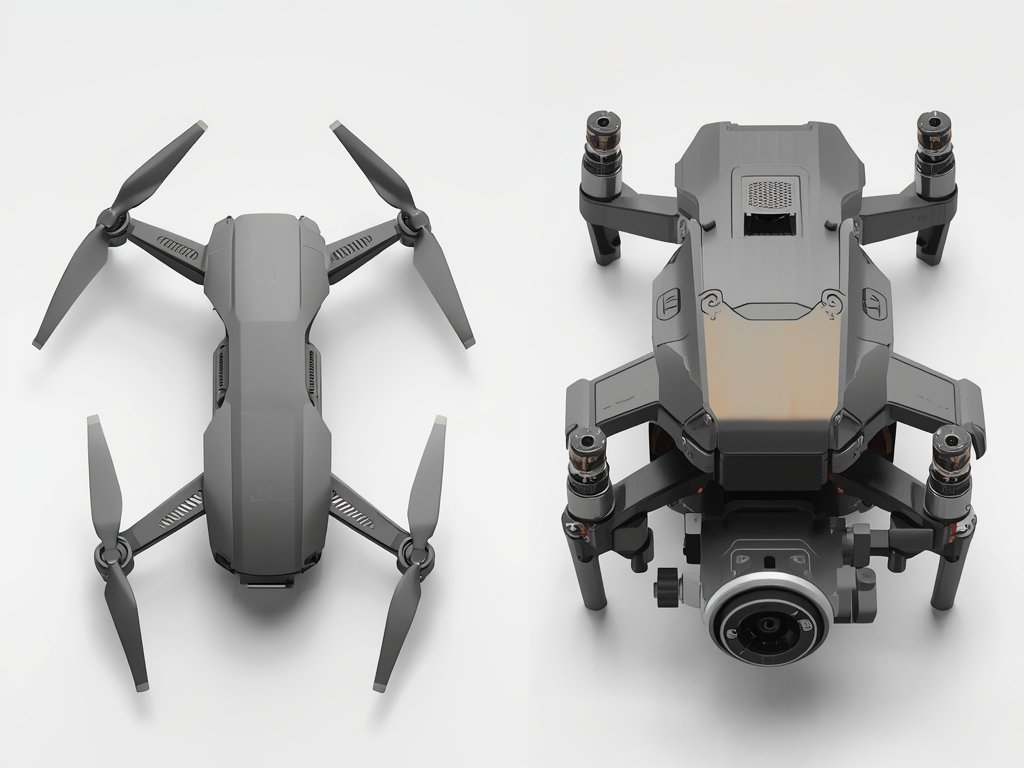
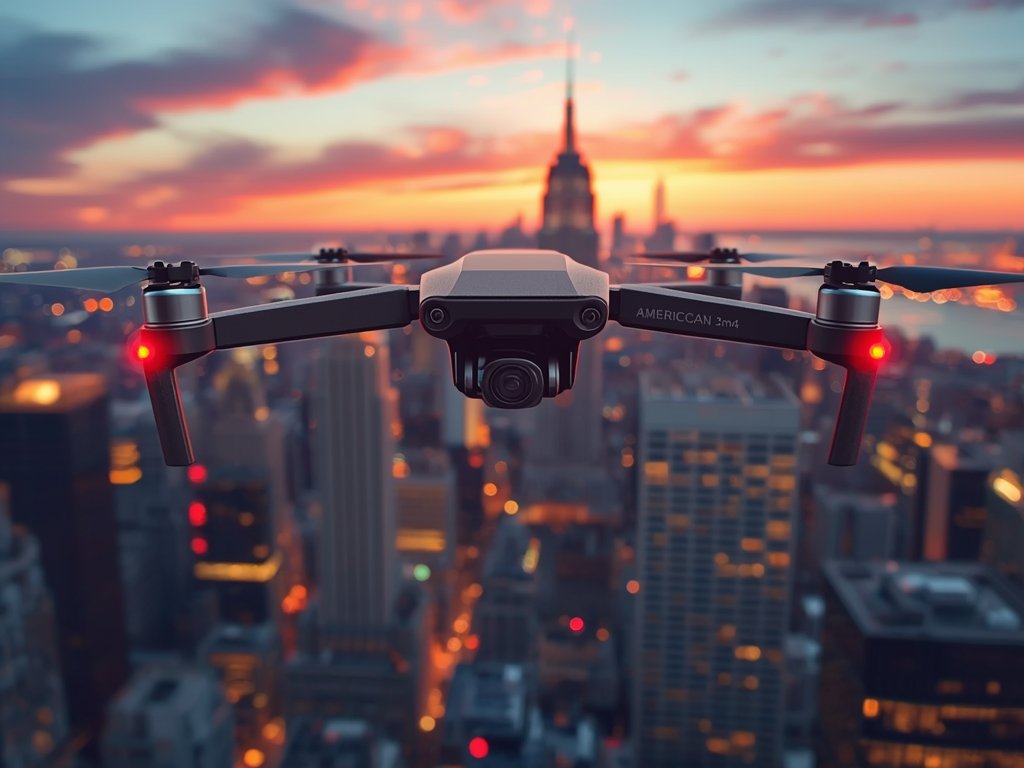
Forget the tiny quadcopters zipping around your local park. Commercial drones are a different breed altogether. These are robust, purpose-built machines designed for specific tasks, capable of carrying heavy payloads and navigating complex environments with precision.
Think of them as the workhorses of the sky, tackling jobs that are too dangerous, time-consuming, or costly for humans. They’re not just toys; they’re powerful tools driving innovation across diverse sectors.
Where Drones Take the Lead: Industries Embracing Autonomous Flight
Delivering the Future: Last-Mile Logistics
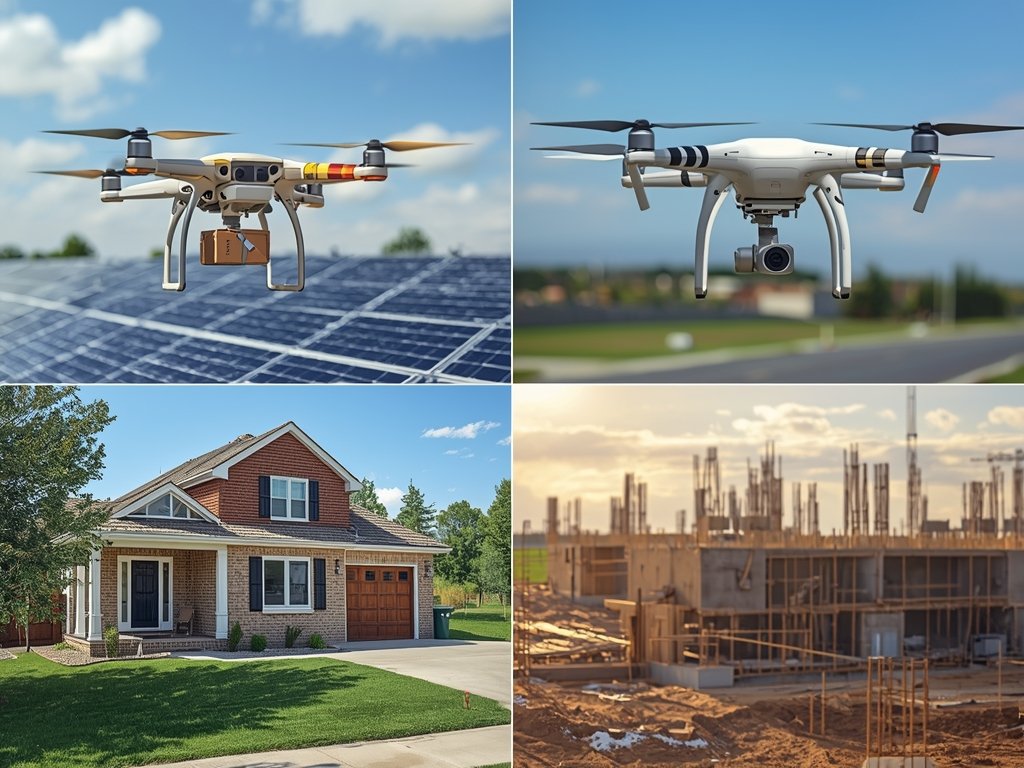
Imagine your online order arriving at your doorstep within minutes, delivered by a whirring drone instead of a delivery truck. Companies like Amazon Prime Air and Wing are pioneering drone delivery services, promising faster, more efficient, and environmentally friendly logistics.
Eyes in the Sky: Inspection and Monitoring
From towering skyscrapers to sprawling pipelines, drones are revolutionizing inspection processes. Equipped with high-resolution cameras and sensors, they can access hard-to-reach areas, identify potential issues, and provide detailed data, all while minimizing risk to human inspectors.
Precision Agriculture: Sowing the Seeds of Efficiency
Farmers are turning to drones to optimize crop yields and reduce environmental impact. These aerial assistants can monitor crop health, identify pest infestations, and precisely apply fertilizers and pesticides, leading to smarter, more sustainable farming practices.
Disaster Response and Emergency Services
In the aftermath of natural disasters, drones play a crucial role in search and rescue operations, damage assessment, and delivering essential supplies to affected areas. Their ability to navigate hazardous terrain and provide real-time aerial footage is invaluable for emergency responders.
Navigating the Regulatory Landscape: The FAA and Drone Operations
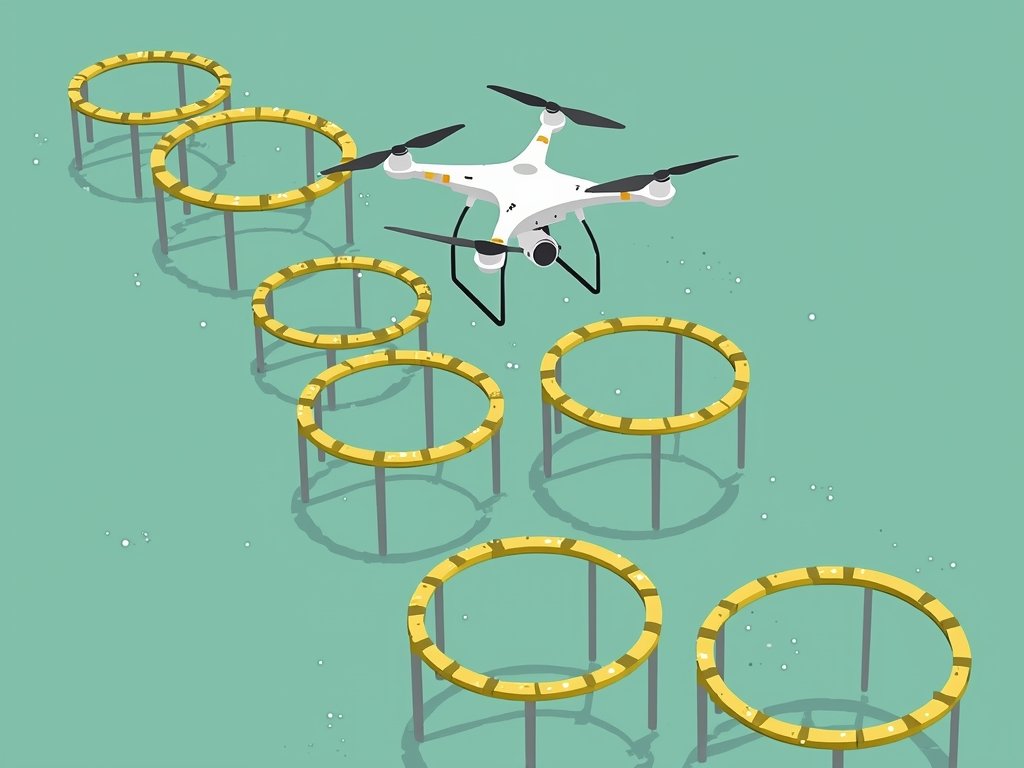
The Federal Aviation Administration (FAA) is the gatekeeper of the skies, responsible for ensuring the safe integration of drones into the national airspace. While regulations are constantly evolving, the FAA has established clear guidelines for commercial drone operations, including pilot certification, flight restrictions, and airspace authorization.
Navigating these regulations can be complex, but it’s essential for businesses looking to harness the power of autonomous drones. Compliance ensures not only legal operation but also public safety and the continued growth of the industry.
The Human Factor: Piloting the Drone Revolution
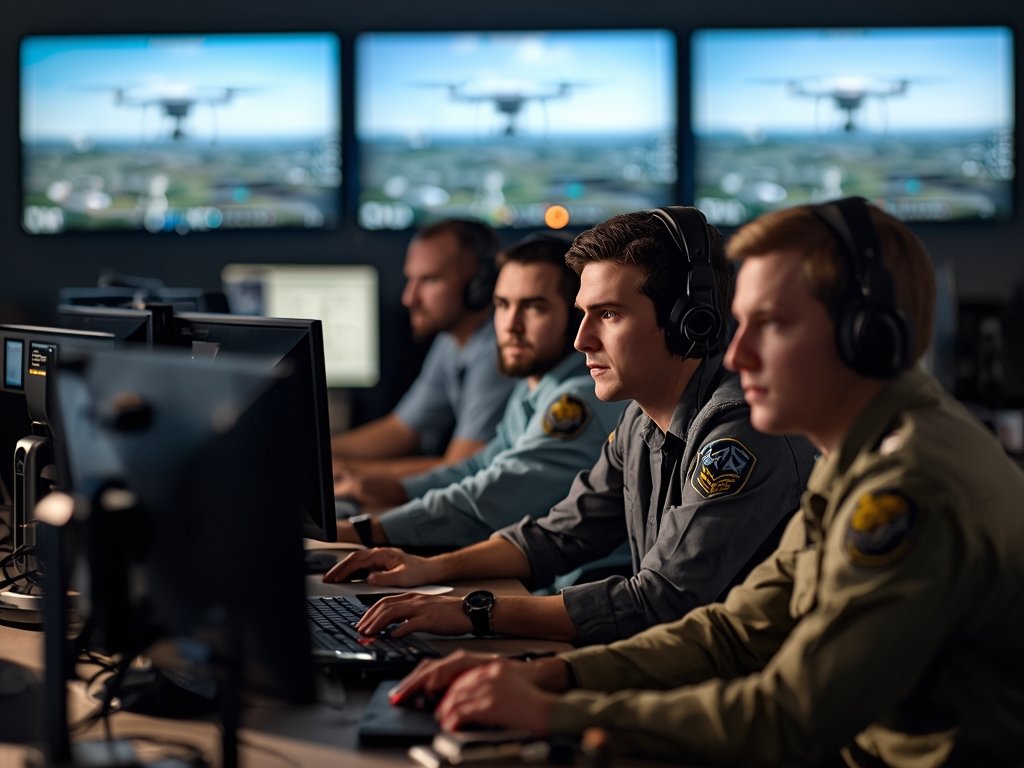
Behind every autonomous drone is a team of skilled professionals. Drone pilots, technicians, and data analysts play vital roles in ensuring safe and successful operations. These individuals are the backbone of the industry, combining technical expertise with a deep understanding of aviation regulations.
As the drone industry continues to expand, the demand for qualified professionals will only grow, creating exciting career opportunities in a rapidly evolving field.
The Future is Flying: What’s Next for Autonomous Drones?

The future of autonomous commercial drones is brimming with possibilities. As technology advances and regulations adapt, we can expect to see even more innovative applications emerge.
From urban air mobility solutions to advanced cargo transport, drones are poised to revolutionize the way we move goods and people. The sky’s the limit for this transformative technology, and the United States is at the forefront of this exciting aerial revolution.
FAQ
What are the main benefits of using autonomous commercial drones?
Autonomous commercial drones offer numerous advantages, including increased efficiency, reduced costs, enhanced safety, and access to previously unreachable areas. They can perform tasks faster, more accurately, and often at a lower cost than traditional methods.
What industries are currently using autonomous drones?
A wide range of industries are embracing autonomous drones, including logistics and delivery, agriculture, construction, inspection and monitoring, emergency services, and filmmaking.
What are the FAA regulations for commercial drone operations?
The FAA requires commercial drone pilots to obtain a Part 107 Remote Pilot Certificate, register their drones, and adhere to specific flight rules, including altitude restrictions, airspace limitations, and visual line-of-sight requirements.
What are the career opportunities in the drone industry?
The drone industry offers diverse career paths, including drone pilot, drone technician, data analyst, software developer, and airspace manager. As the industry grows, demand for skilled professionals will continue to rise.
What does the future hold for autonomous drones?
The future of autonomous drones is incredibly promising, with advancements in technology leading to even more sophisticated applications. We can expect to see drones play a larger role in urban air mobility, cargo transport, and environmental monitoring, shaping a more connected and efficient world.
Join Our Pilot Community
Connect with fellow drone enthusiasts, share your aerial shots, and get access to free PDF ebook guides.