Taking Flight: How Commercial Drone Systems Are Revolutionizing American Agriculture

From the amber waves of grain in Kansas to the citrus groves of Florida, American agriculture is a cornerstone of our economy and culture. But farming isn’t just about tradition; it’s about innovation. Enter commercial drone systems, the latest game-changer transforming how we cultivate our land.
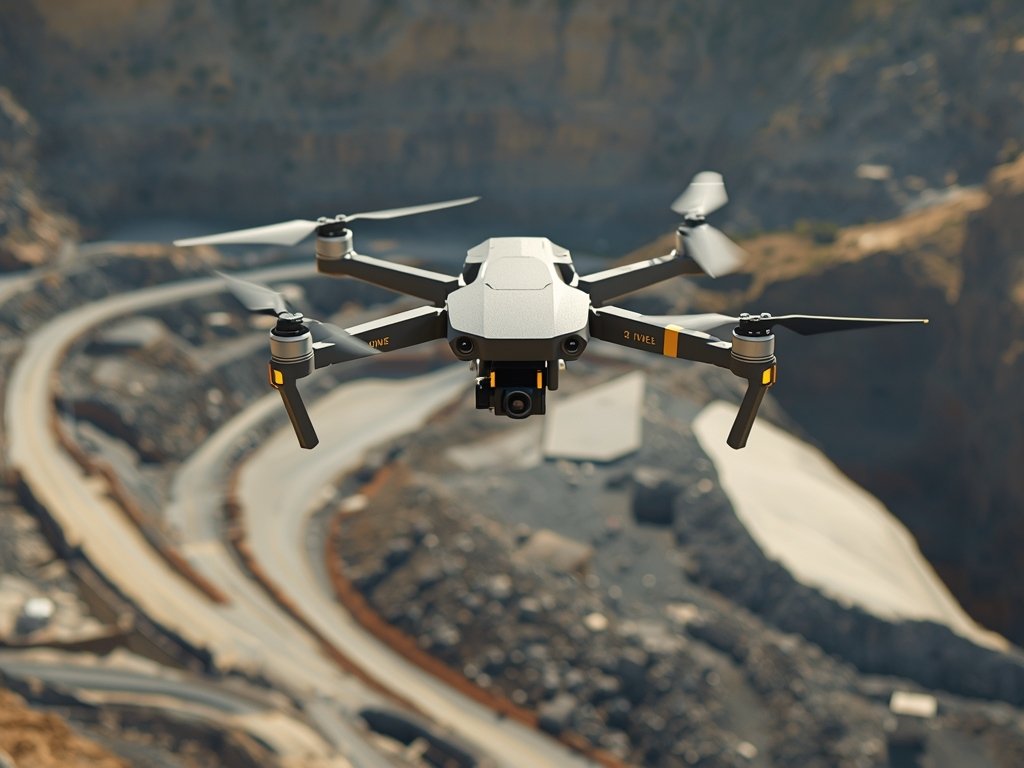
These aren’t your average hobbyist drones. Agriculture commercial drone systems are purpose-built workhorses, equipped with specialized sensors and software designed to tackle the unique challenges faced by farmers across the United States.
Eyes in the Sky: Unlocking Data-Driven Insights
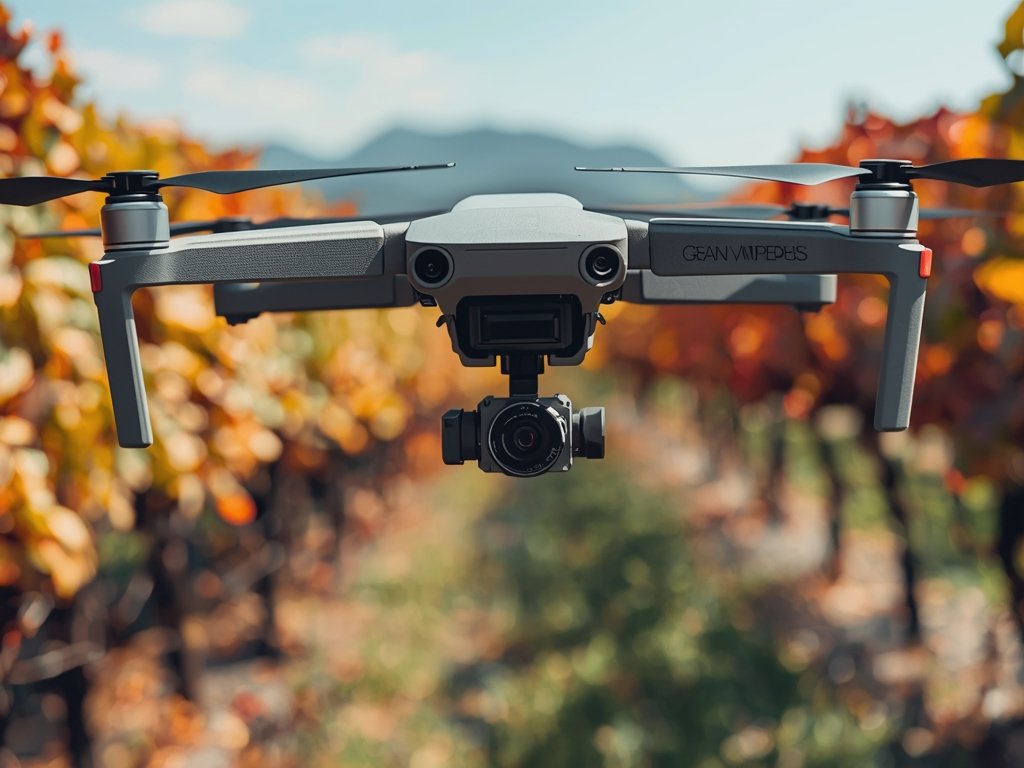
Imagine having X-ray vision for your fields. That’s essentially what agricultural drones offer. Equipped with advanced cameras and sensors, they capture data that’s invisible to the naked eye.
Multispectral and hyperspectral imaging reveal variations in crop health, identifying nutrient deficiencies, pest infestations, and irrigation issues before they become visible problems. This early detection allows farmers to take targeted action, optimizing resource use and maximizing yields.
Beyond the Visible Spectrum: The Power of NDVI
One key metric drones measure is the Normalized Difference Vegetation Index (NDVI). This index compares the amount of red and near-infrared light reflected by plants, providing a clear picture of their health. Healthy vegetation reflects more near-infrared light, resulting in a higher NDVI value.
By analyzing NDVI maps generated by drone imagery, farmers can pinpoint areas of stress, allowing for precise application of fertilizers, pesticides, and water, leading to more sustainable and efficient farming practices.
Precision Agriculture: From Blanket Spraying to Targeted Treatment
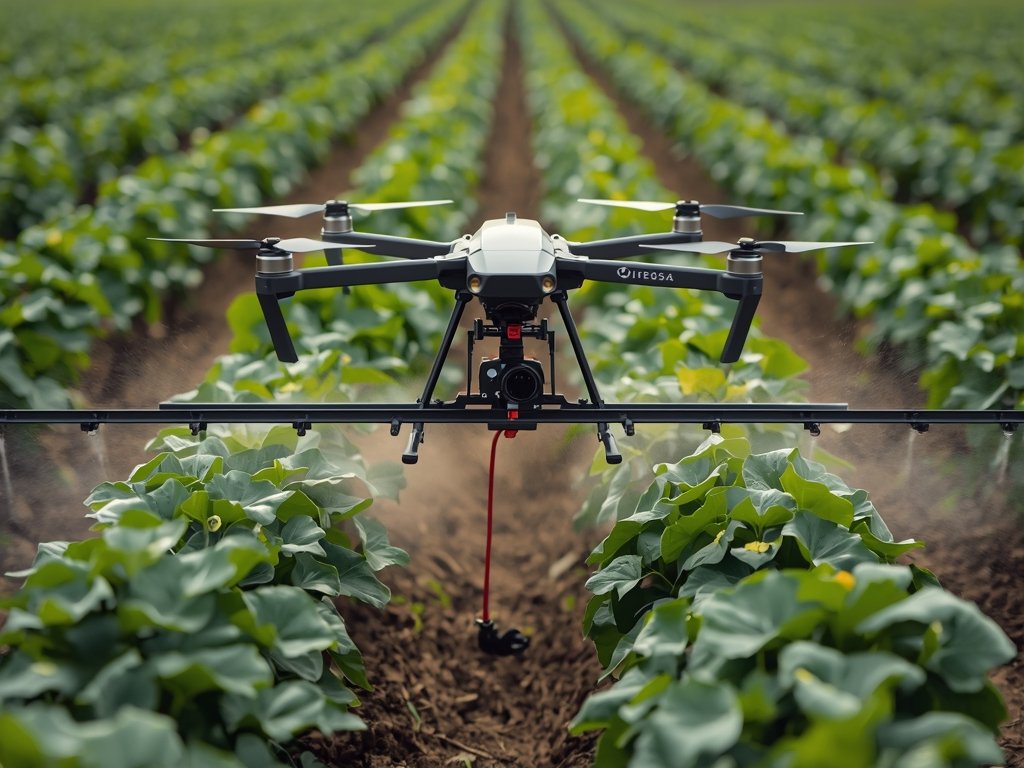
Gone are the days of blanket spraying entire fields with chemicals. Commercial drone systems enable precision agriculture, a data-driven approach that minimizes waste and maximizes effectiveness.
Drones equipped with spraying systems can deliver fertilizers, pesticides, and herbicides directly to the areas that need them, reducing chemical usage by up to 30%. This not only saves farmers money but also minimizes environmental impact, protecting beneficial insects and preventing runoff into waterways.
Seeding the Future: Drone-Assisted Planting
Drones aren’t just for monitoring and spraying; they’re also revolutionizing planting. Drone-assisted seeding systems can plant seeds with incredible precision, ensuring optimal spacing and depth for each crop.
This technology is particularly beneficial for challenging terrains or large-scale operations, reducing labor costs and increasing planting efficiency. Imagine planting thousands of acres in a fraction of the time it would take with traditional methods!
Harvesting Data, Reaping Rewards: The Economic Impact
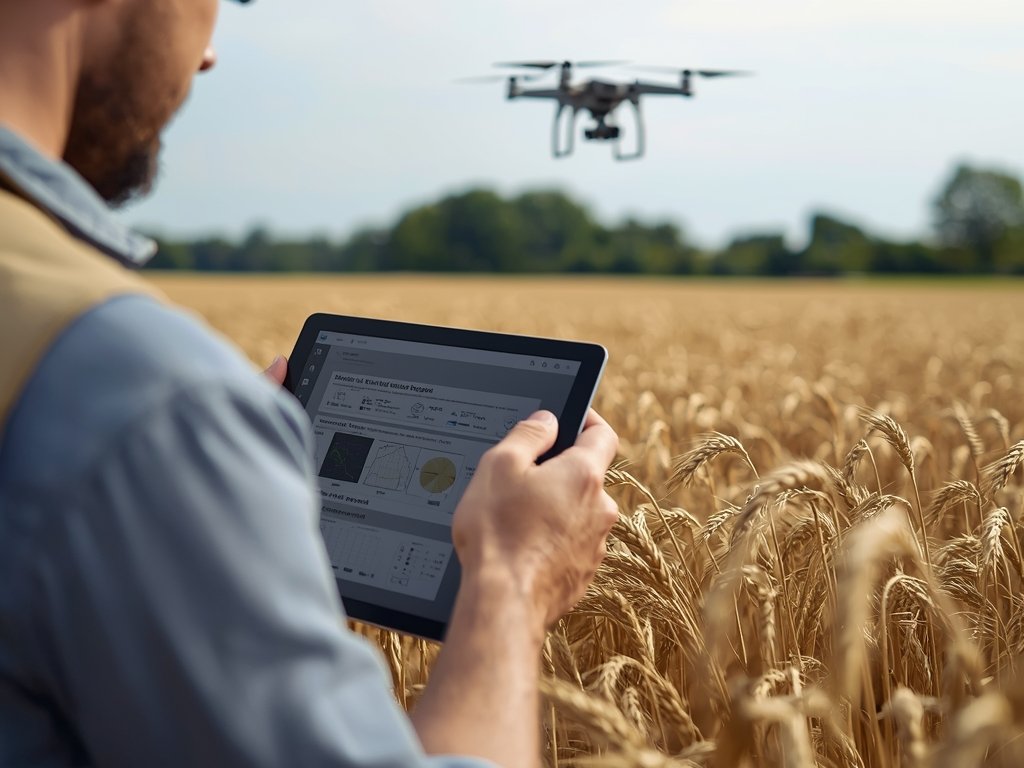
The benefits of agriculture commercial drone systems extend far beyond the field. By optimizing resource use, increasing yields, and reducing labor costs, drones are boosting farm profitability and sustainability.
A study by the American Farm Bureau Federation found that drone technology can increase crop yields by up to 5%, while reducing input costs by up to 10%. This translates to significant financial gains for farmers, allowing them to reinvest in their operations and contribute to the vibrancy of rural communities.
A Level Playing Field: Drones for Small and Large Farms Alike
The beauty of drone technology lies in its accessibility. While large-scale operations may utilize fleets of drones, even small family farms can benefit from these systems. Rental and service providers are making drone technology available to farmers of all sizes, democratizing access to this powerful tool.
Navigating the Skies: Regulations and Considerations
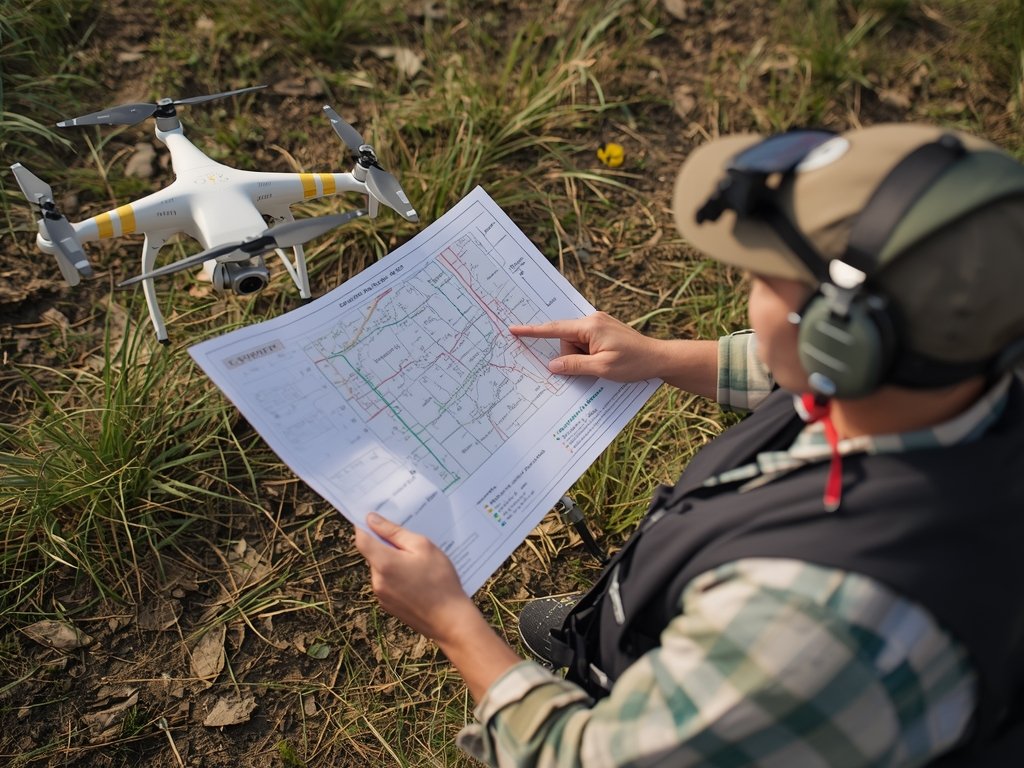
As with any emerging technology, there are regulations and considerations to keep in mind when using commercial drone systems in agriculture. The Federal Aviation Administration (FAA) has established guidelines for drone operation, including weight limits, flight altitudes, and pilot certification requirements.
It’s crucial for farmers to familiarize themselves with these regulations and work with qualified drone pilots to ensure safe and legal operation.
FAQ
How much do agricultural drone systems cost?
Costs vary widely depending on the type of drone, its features, and the services required. Basic drones for data collection can start around $5,000, while more advanced systems with spraying capabilities can cost upwards of $20,000. Rental and service options are also available, making drone technology accessible to a wider range of farmers.
Do I need a license to operate an agricultural drone?
Yes, pilots operating drones for commercial purposes, including agriculture, must obtain a Remote Pilot Certificate from the FAA. This involves passing a knowledge test and meeting other requirements.
What are the limitations of agricultural drones?
While incredibly powerful, drones have limitations. Battery life can be a constraint, limiting flight time and coverage area. Weather conditions can also impact drone operation. Additionally, data analysis and interpretation require specialized software and expertise.
What is the future of drones in agriculture?
The future of agricultural drones is bright. We can expect to see continued advancements in sensor technology, battery life, and autonomous flight capabilities. Integration with other precision agriculture tools, such as robotic harvesters and smart irrigation systems, will further enhance the efficiency and sustainability of farming practices.
Your definitive resource for drone technology. From expert reviews of the latest DJI models to professional Part 107 flight training and industry regulations