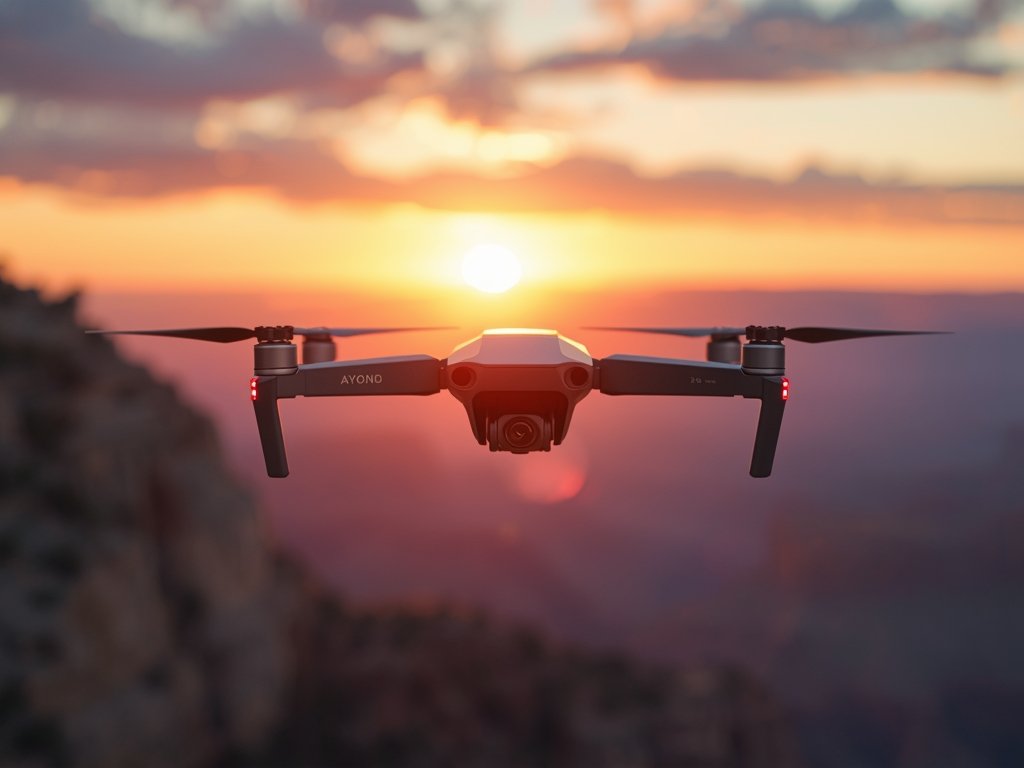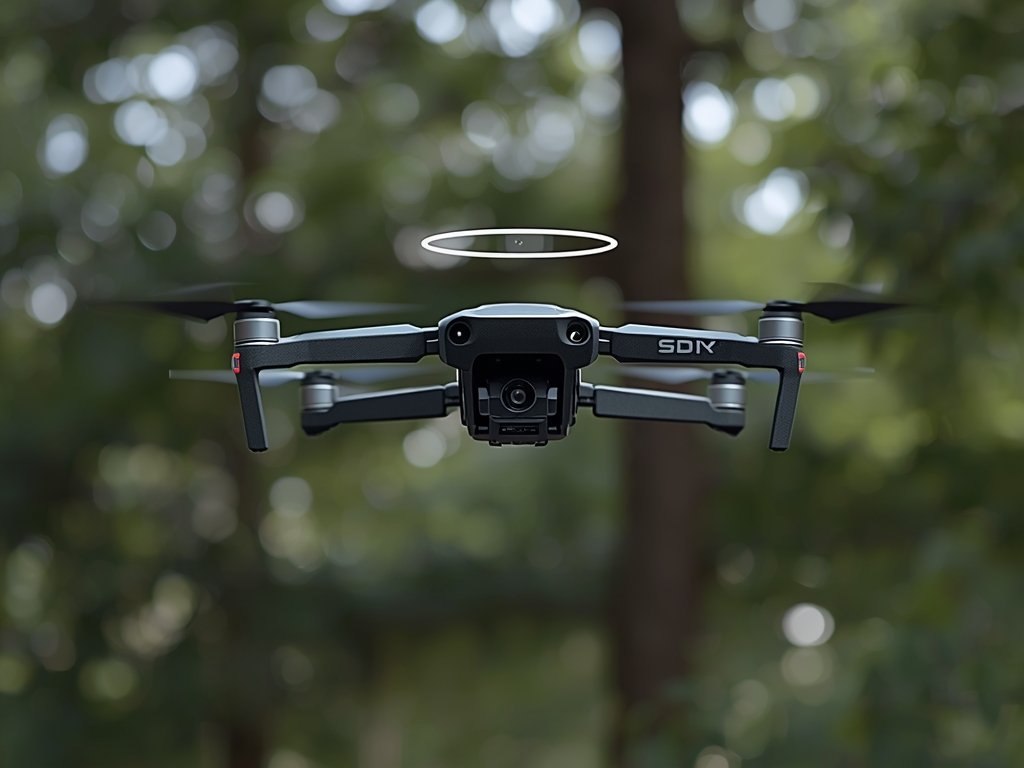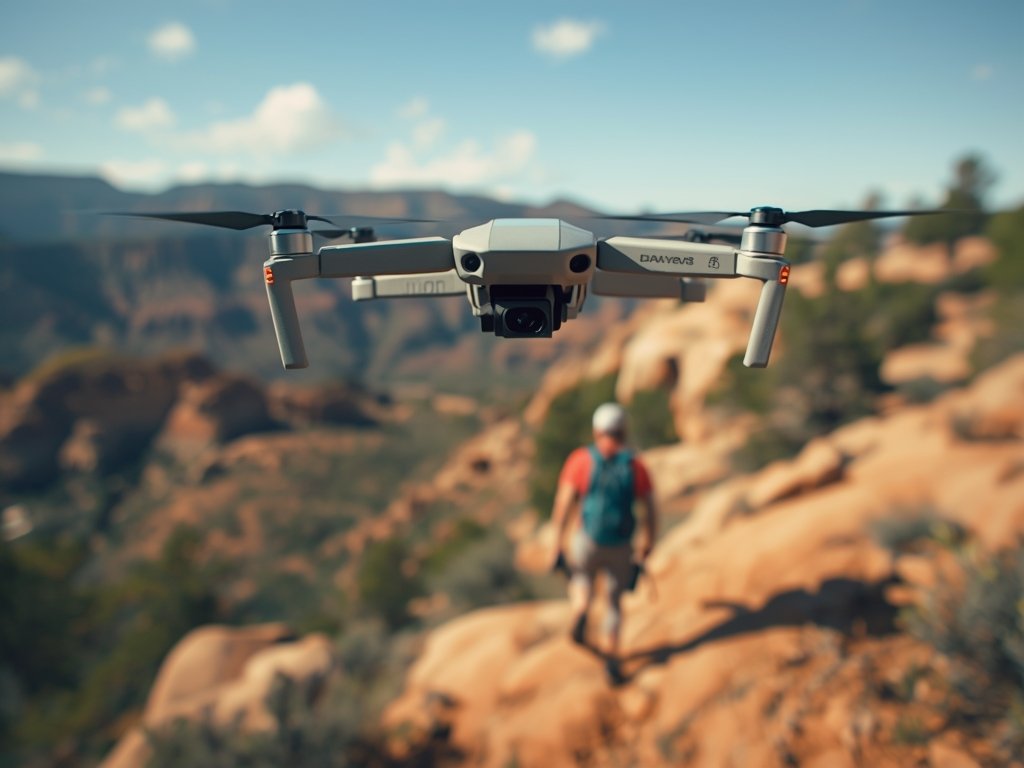

Eyes in the Sky: Revolutionizing Farming with Drones
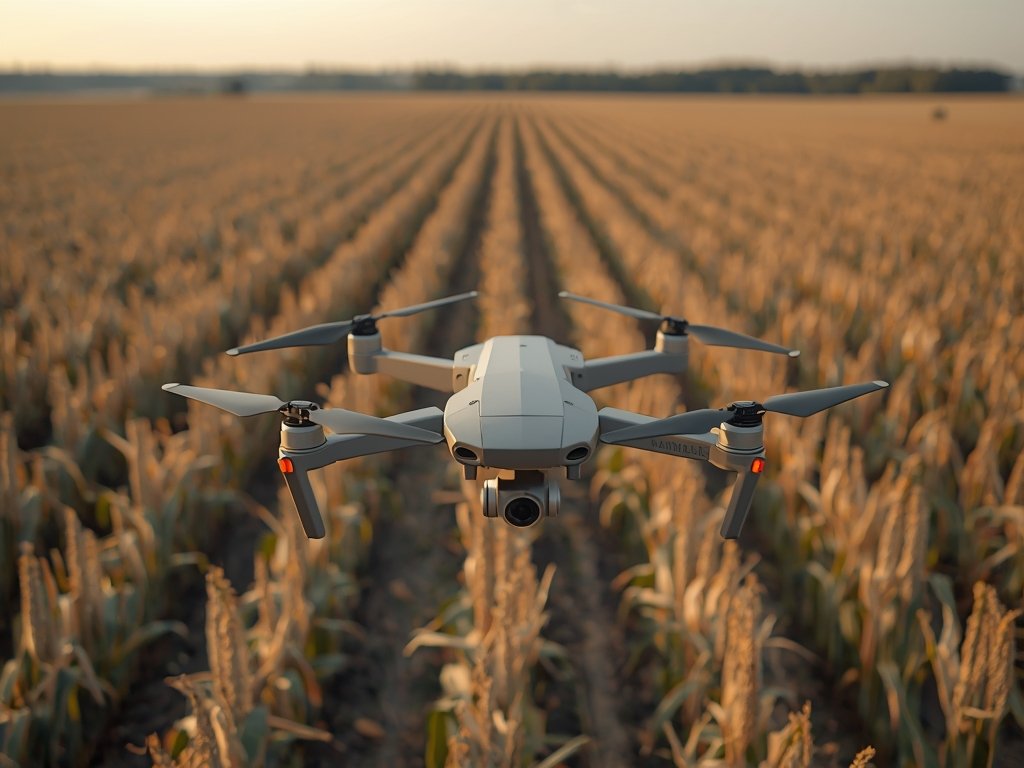
Farming is no longer just about tilling the soil and hoping for the best. Modern agriculture demands precision, and drones are becoming an essential tool for farmers across the United States. These aerial devices offer a bird’s-eye view of fields, helping monitor crop health, optimize resources, and maximize yields. Whether you’re managing acres of soybeans in Iowa or vineyards in California, the right drone can transform your farming practices.
Why Drones Are a Game-Changer for Farmers
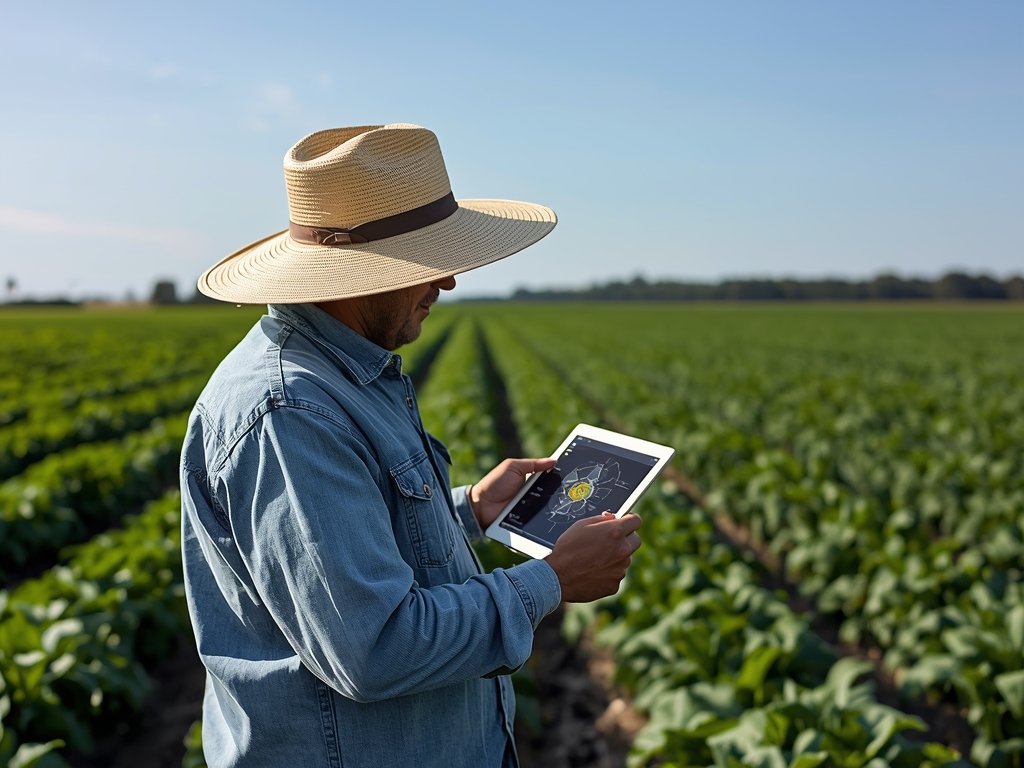
Drones provide real-time insights that were once impossible to obtain without costly equipment or manual labor. They can detect early signs of pests, diseases, or water stress, allowing farmers to take action before issues escalate. With the ability to cover large areas quickly, drones save time and reduce the need for physical inspections. Plus, they’re eco-friendly, minimizing the use of chemicals and water by targeting specific problem areas.
The Economic Advantage
Investing in a drone can lead to significant cost savings in the long run. By identifying crop health issues early, farmers can avoid costly losses and optimize fertilizer and pesticide use. Drones also help in planning irrigation more efficiently, ensuring every drop of water counts—a critical advantage in drought-prone regions like the Midwest.
Key Features to Look for in a Farming Drone
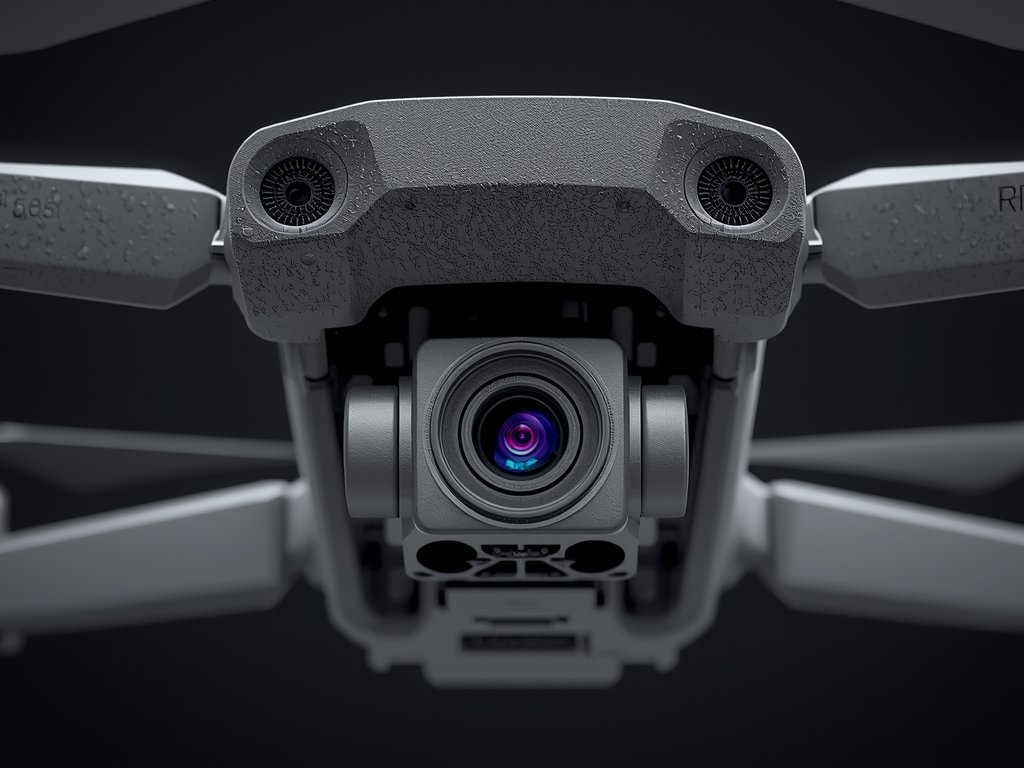
Not all drones are created equal, especially when it comes to farming. Here are the essential features to consider:
- High-Resolution Camera: For detailed crop monitoring, a camera capable of capturing clear images is a must.
- Thermal Imaging: Detects temperature variations, helping identify water stress or disease before it’s visible to the naked eye.
- Long Battery Life: Larger farms require drones that can fly for extended periods without frequent recharging.
- Durability: Weather-resistant designs ensure your drone can handle the harsh conditions of outdoor farming.
- Ease of Use: Intuitive controls and user-friendly software make it easier for farmers to operate the drone without extensive training.
Top Drones for Farming in 2026
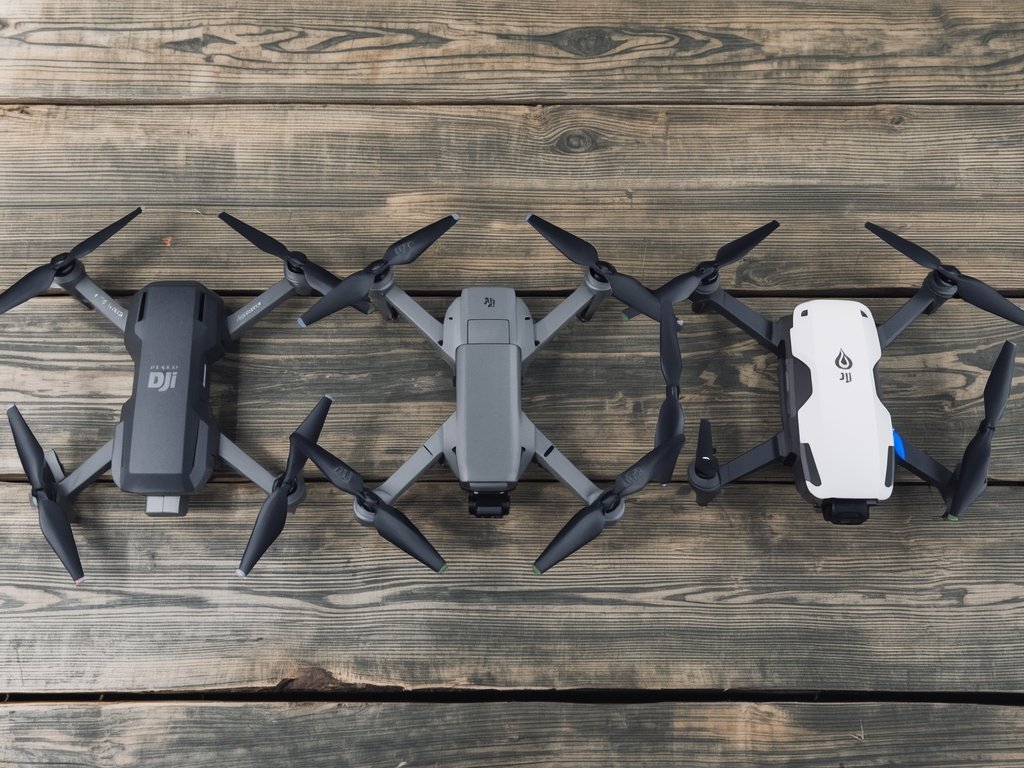
With so many options available, choosing the right drone can be overwhelming. Here are our top picks for farmers in the U.S., based on performance, durability, and value:
1. DJI Agras T40
The DJI Agras T40 is a powerhouse designed specifically for agricultural use. Its advanced spraying system and long flight time make it ideal for large-scale farms. The drone’s AI capabilities allow it to navigate complex terrains with ease, ensuring every inch of your field is covered.
2. Parrot Anafi USA
Built for precision, the Parrot Anafi USA offers 4K HDR video and thermal imaging, making it perfect for detailed crop analysis. Its compact design and lightweight build make it easy to transport and deploy, even in remote areas.
3. SenseFly eBee X
The SenseFly eBee X is a favorite among farmers who need high-precision mapping. With a flight time of up to 90 minutes and the ability to cover large areas, it’s a reliable choice for monitoring extensive crops. Its integrated software provides actionable insights, helping farmers make data-driven decisions.
How to Choose the Right Drone for Your Farm
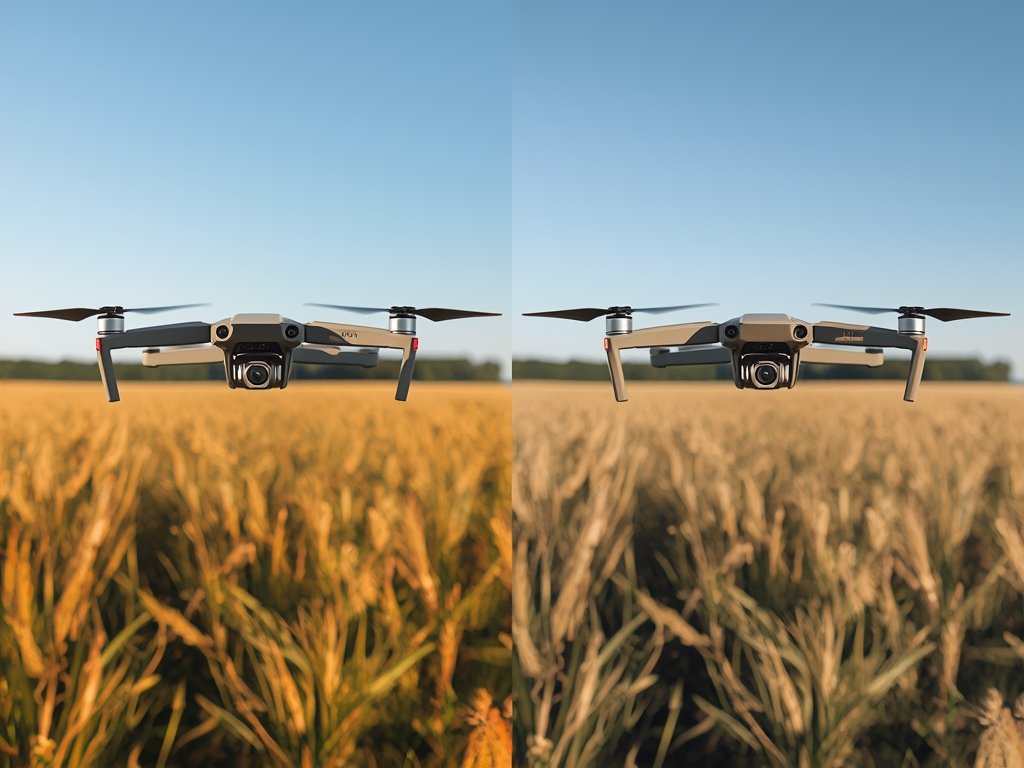
Selecting the perfect drone depends on your farm’s size, crop type, and specific needs. Here’s a quick guide to help you decide:
- Small Farms (Under 100 Acres): Opt for a lightweight, easy-to-use drone like the Parrot Anafi USA. Its portability and high-quality imaging make it ideal for smaller operations.
- Medium Farms (100-500 Acres): The SenseFly eBee X offers the right balance of coverage and precision, making it a great choice for mid-sized farms.
- Large Farms (Over 500 Acres): For extensive fields, the DJI Agras T40’s durability and advanced features are unmatched.
Tips for Maximizing Your Drone’s Potential
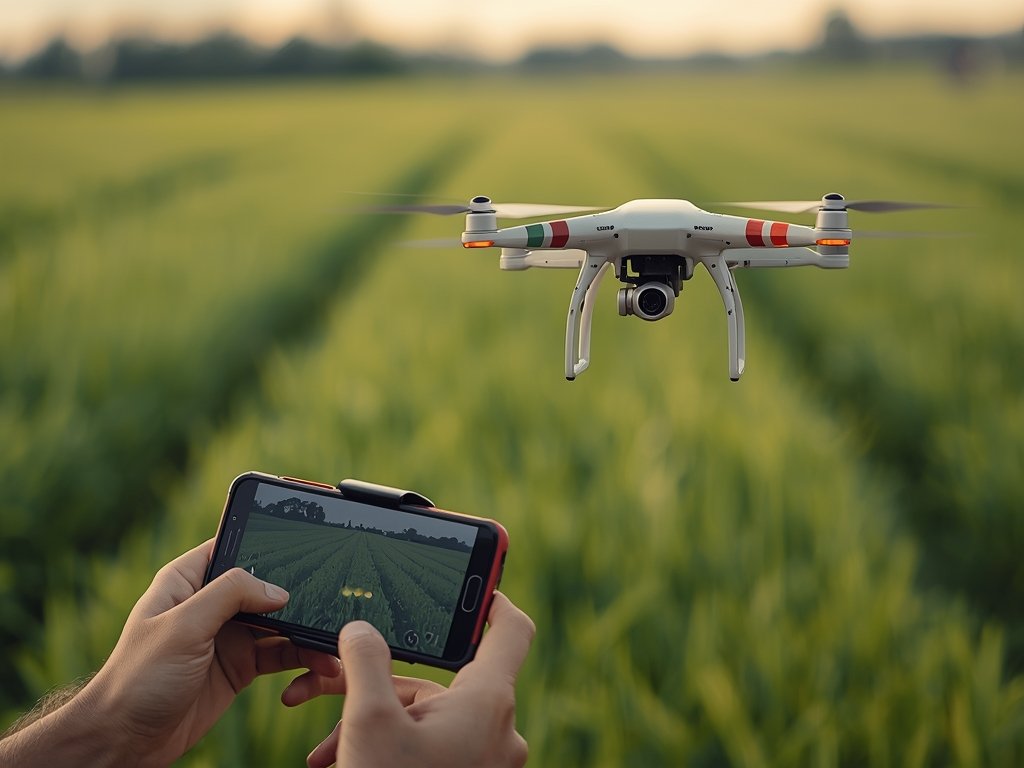
Owning a drone is just the first step. To get the most out of your investment, follow these tips:
- Regular Maintenance: Keep your drone in top condition by cleaning it after each use and checking for any signs of wear and tear.
- Stay Updated: Firmware updates often include performance improvements and new features. Make sure your drone’s software is always up to date.
- Train Your Team: Ensure everyone who operates the drone is properly trained to avoid accidents and maximize efficiency.
- Plan Flights Strategically: Use mapping software to plan flight paths that cover your entire field without overlap, saving time and battery life.
FAQ
What is the best drone for crop monitoring?
The DJI Agras T40 is highly recommended for its advanced features and durability, making it ideal for large-scale crop monitoring.
How much does a farming drone cost?
Prices vary widely, ranging from $1,000 for entry-level models to over $10,000 for high-end drones with advanced capabilities.
Can drones help with irrigation management?
Yes, drones equipped with thermal imaging can detect areas of water stress, helping farmers optimize irrigation and conserve water.
Are farming drones easy to operate?
Most modern farming drones come with user-friendly interfaces and intuitive controls, making them accessible even for beginners.
Do I need a license to fly a drone for farming?
In the U.S., commercial drone use requires a Part 107 Remote Pilot Certificate from the FAA. Check local regulations for specific requirements.
Join Our Pilot Community
Connect with fellow drone enthusiasts, share your aerial shots, and get access to free PDF ebook guides.