
Beyond Line of Sight: The 2026 Guide to Flying Your Drone 50 Miles Away Legally
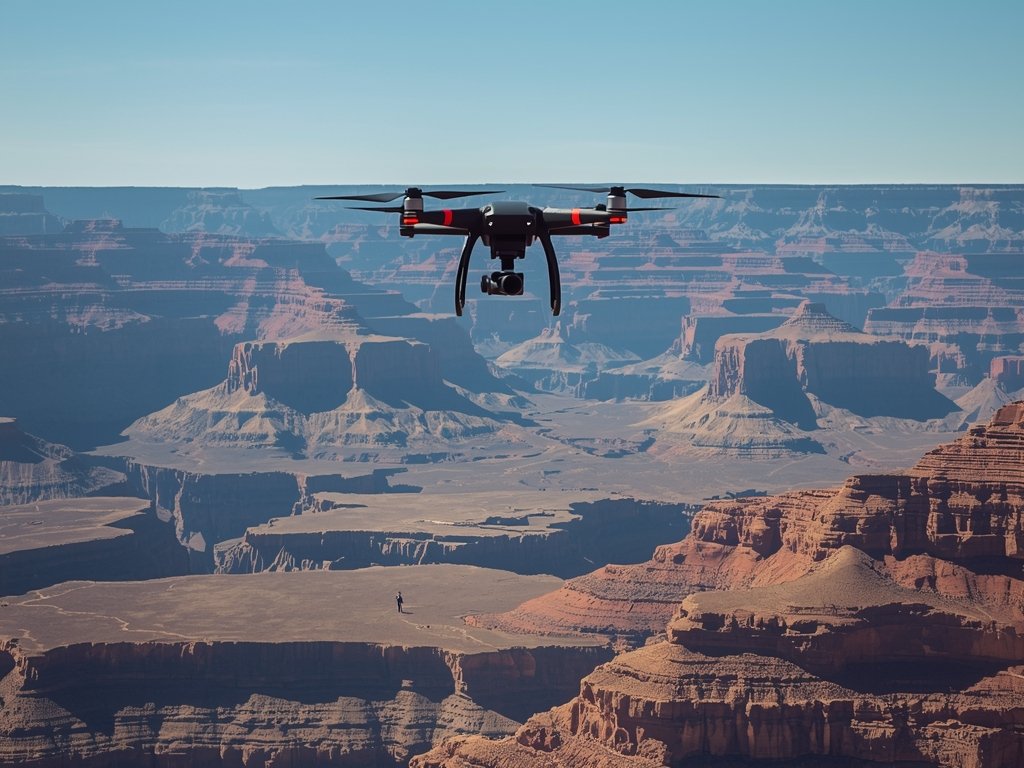
Dreaming of capturing breathtaking aerial footage from miles away or using your drone for long-range inspections? Flying your drone beyond visual line of sight (BVLOS) is no longer science fiction. But before you launch your drone on a 50-mile adventure, understanding the legal landscape is crucial. This comprehensive guide, tailored for US drone enthusiasts, breaks down the regulations, technology, and best practices for BVLOS flights in 2026.
The Legal Landscape: Navigating the FAA’s BVLOS Regulations
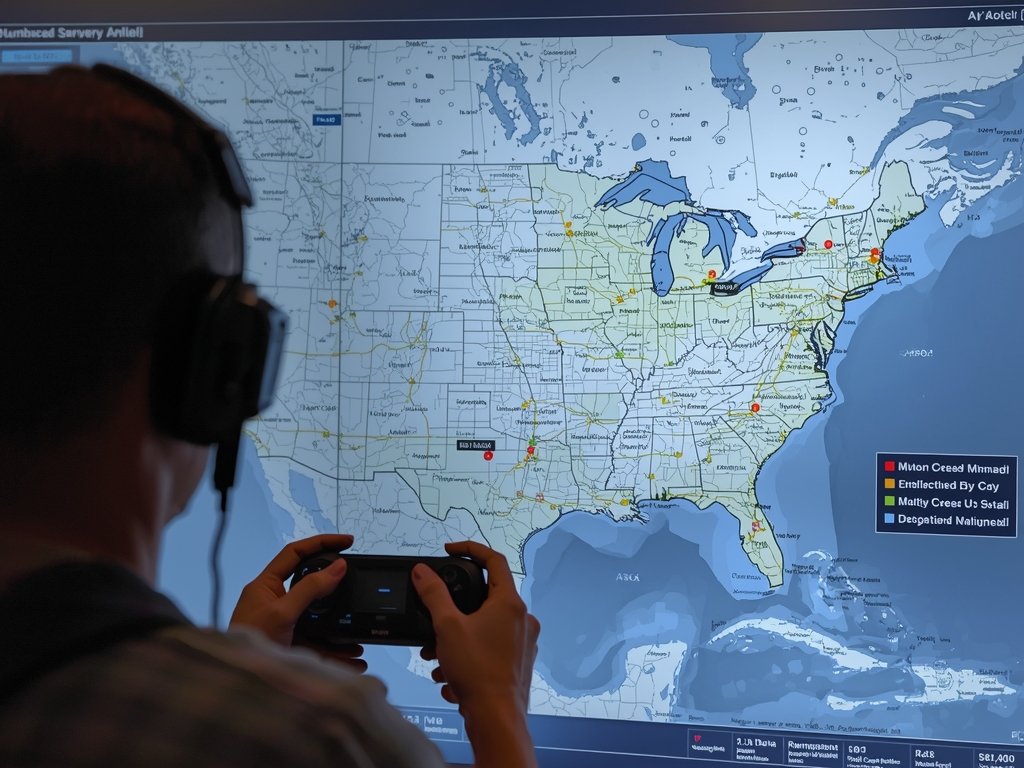
The Federal Aviation Administration (FAA) governs all drone operations in the US, including BVLOS flights. In recent years, the FAA has made significant strides in establishing a framework for safe and legal BVLOS operations. Here’s a breakdown of the key regulations:
- Part 107 Waivers: Currently, BVLOS flights require a waiver from the FAA. This involves a detailed application process outlining your proposed operation, safety protocols, and risk mitigation strategies.
- Remote ID: All drones operating BVLOS must be equipped with Remote ID technology, allowing for real-time tracking and identification.
- Airspace Authorizations: BVLOS flights often require special airspace authorizations, especially in controlled airspace near airports or military bases.
- Pilot Certification: Pilots operating BVLOS drones typically need advanced certifications beyond the basic Part 107 license.
Technology Takes Flight: Enabling BVLOS Capabilities

Flying 50 miles away requires more than just a powerful drone. Advanced technology plays a crucial role in ensuring safe and successful BVLOS operations:
- Long-Range Communication: Reliable long-range communication systems, such as cellular networks or satellite links, are essential for maintaining control and receiving real-time data from your drone.
- Sense and Avoid Systems: These systems, utilizing radar, lidar, or computer vision, allow drones to detect and avoid obstacles autonomously, crucial for safe BVLOS flights.
- Redundant Systems: BVLOS drones should have redundant systems for critical functions like navigation, communication, and power to minimize the risk of failure.
- Autonomous Flight Capabilities: Advanced drones can execute pre-programmed flight paths and make real-time adjustments based on environmental conditions.
Real-World Applications: Where BVLOS Drones Are Making an Impact
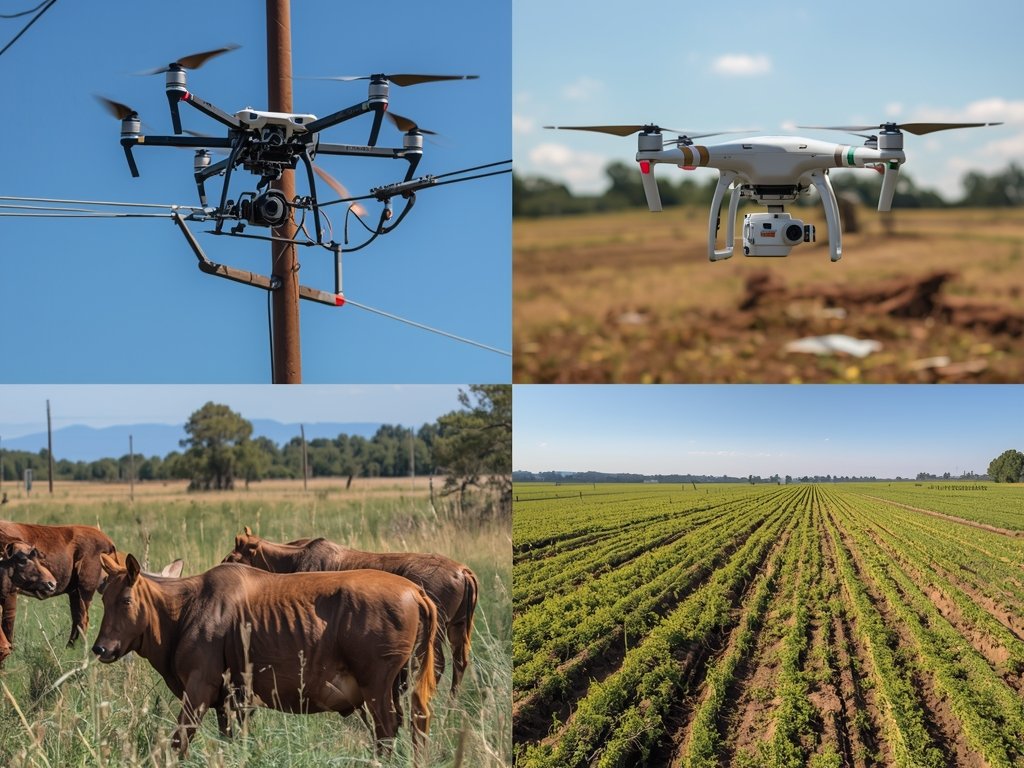
BVLOS drone technology is revolutionizing various industries across the US:
- Infrastructure Inspection: Inspecting bridges, power lines, and pipelines over vast distances, reducing costs and improving safety.
- Search and Rescue: Covering large areas quickly to locate missing persons or assess disaster zones.
- Agriculture: Monitoring crop health, spraying pesticides, and mapping fields with precision.
- Package Delivery: Delivering goods to remote locations, especially in rural areas with limited access.
- Environmental Monitoring: Tracking wildlife populations, monitoring water quality, and mapping land use changes.
Planning Your BVLOS Adventure: A Step-by-Step Guide
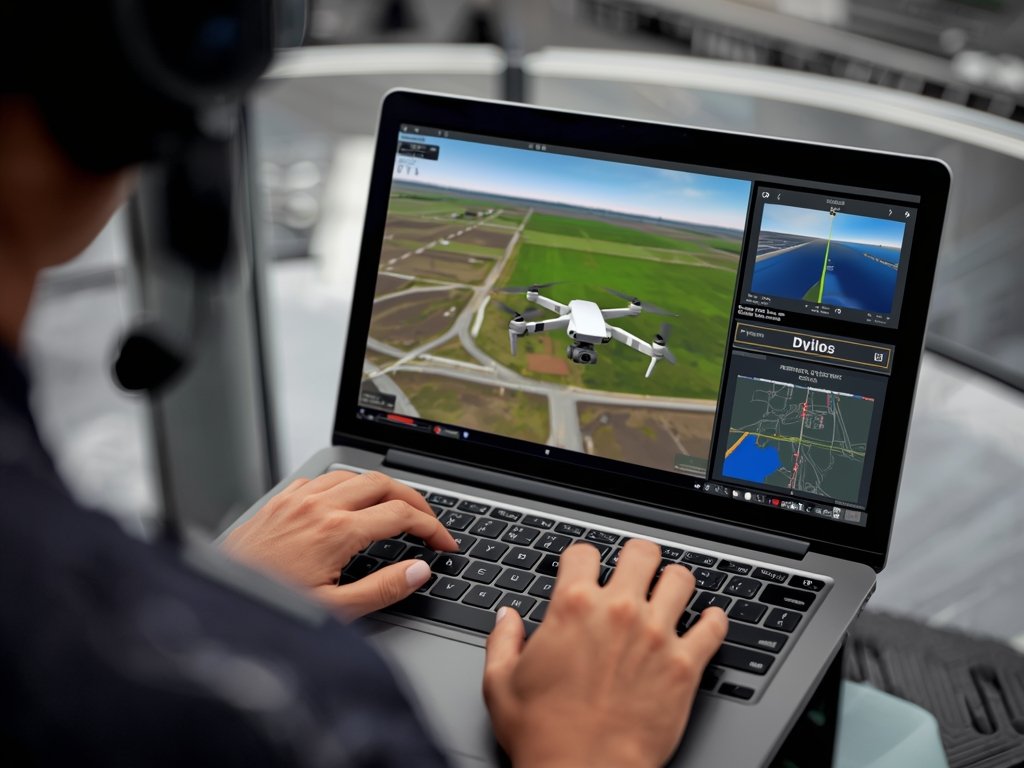
Embarking on a 50-mile drone journey requires meticulous planning and preparation:
- Define Your Mission: Clearly outline the purpose of your flight, the data you need to collect, and the specific location.
- Obtain Necessary Permits and Waivers: Secure all required FAA approvals and airspace authorizations.
- Conduct a Thorough Risk Assessment: Identify potential hazards, develop mitigation strategies, and establish emergency procedures.
- Choose the Right Drone and Equipment: Select a drone with the necessary range, payload capacity, and BVLOS-capable features.
- Plan Your Flight Path: Utilize mapping software to plot a safe and efficient route, considering terrain, obstacles, and airspace restrictions.
- Test and Rehearse: Conduct thorough pre-flight checks and practice your flight plan in a controlled environment.
Safety First: Best Practices for BVLOS Operations
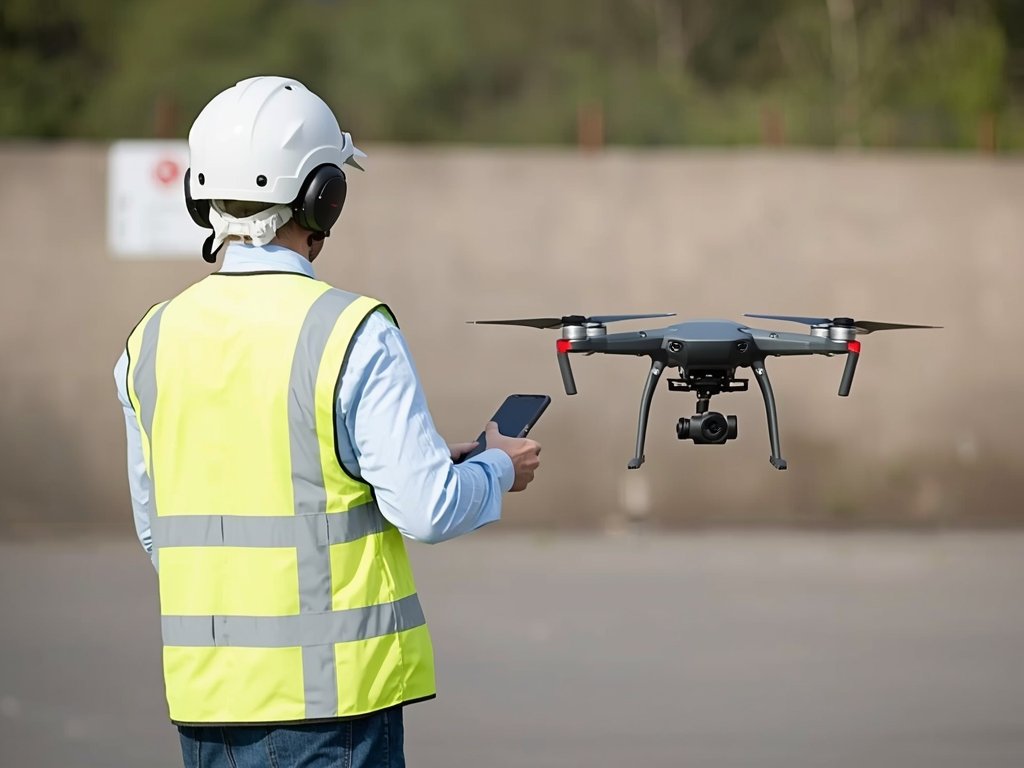
Safety is paramount in BVLOS operations. Follow these best practices to minimize risks:
- Maintain Situational Awareness: Continuously monitor your drone’s position, battery life, and surrounding environment.
- Establish a Visual Observer: Have a designated person on the ground to maintain visual contact with the drone whenever possible.
- Implement Redundancy: Use backup communication systems, flight controllers, and power sources.
- Be Prepared for Emergencies: Have a plan in place for lost link scenarios, battery failures, or other unforeseen events.
- Stay Informed: Keep up-to-date with the latest FAA regulations and industry best practices.
FAQ: Your BVLOS Questions Answered
Can I fly my drone 50 miles away without a waiver?
Currently, BVLOS flights require a waiver from the FAA. However, the FAA is actively working on establishing permanent rules for BVLOS operations, which may relax these requirements in the future.
What kind of drone do I need for BVLOS flights?
You’ll need a drone with long-range communication capabilities, advanced sensors for obstacle avoidance, and redundant systems for safety. High-end consumer drones or specialized industrial drones are typically suitable for BVLOS operations.
How much does it cost to get a BVLOS waiver?
There is no fee for applying for a BVLOS waiver from the FAA. However, the process can be time-consuming and may require hiring a consultant to assist with the application.
What are the penalties for flying BVLOS without a waiver?
Flying BVLOS without a waiver is a violation of FAA regulations and can result in hefty fines and other penalties.
Where can I learn more about BVLOS regulations and best practices?
The FAA website (https://www.faa.gov/uas/) is the primary source for information on drone regulations, including BVLOS operations. Additionally, industry organizations like the Association for Unmanned Vehicle Systems International (AUVSI) provide valuable resources and guidance.
Join Our Pilot Community
Connect with fellow drone enthusiasts, share your aerial shots, and get access to free PDF ebook guides.