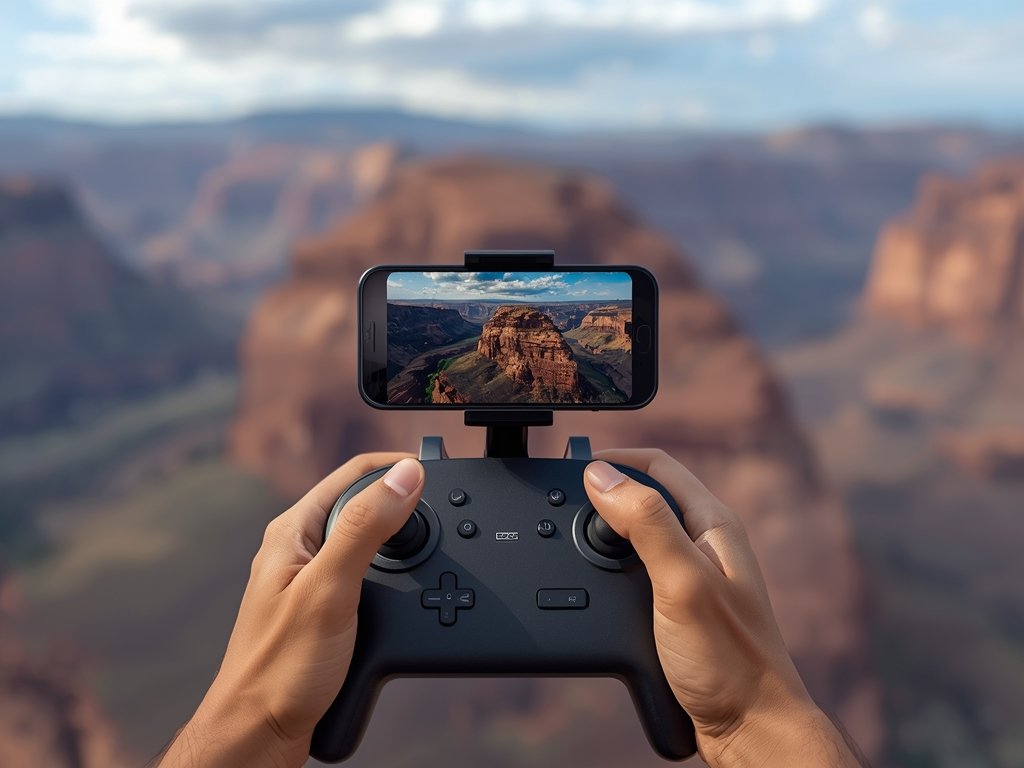

The Ultimate Drone Fishing Adventure: Hunting Giant Tuna from Shore
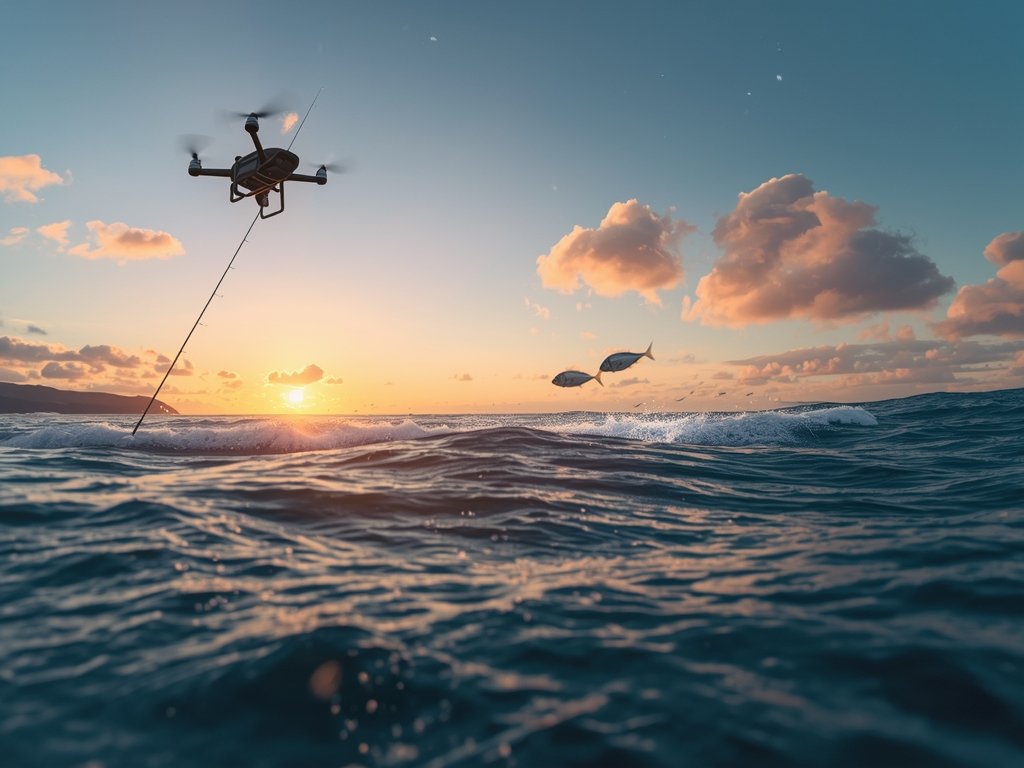
Imagine standing on a pristine American beach, the warm sand between your toes, as you launch a high-tech drone into the azure sky. Your mission? To hook a massive 20-pound tuna using cutting-edge technology and old-fashioned angling skills. This is drone fishing, a thrilling fusion of innovation and tradition that’s taking the U.S. coastal communities by storm.
What is Drone Fishing and Why is it a Game-Changer?
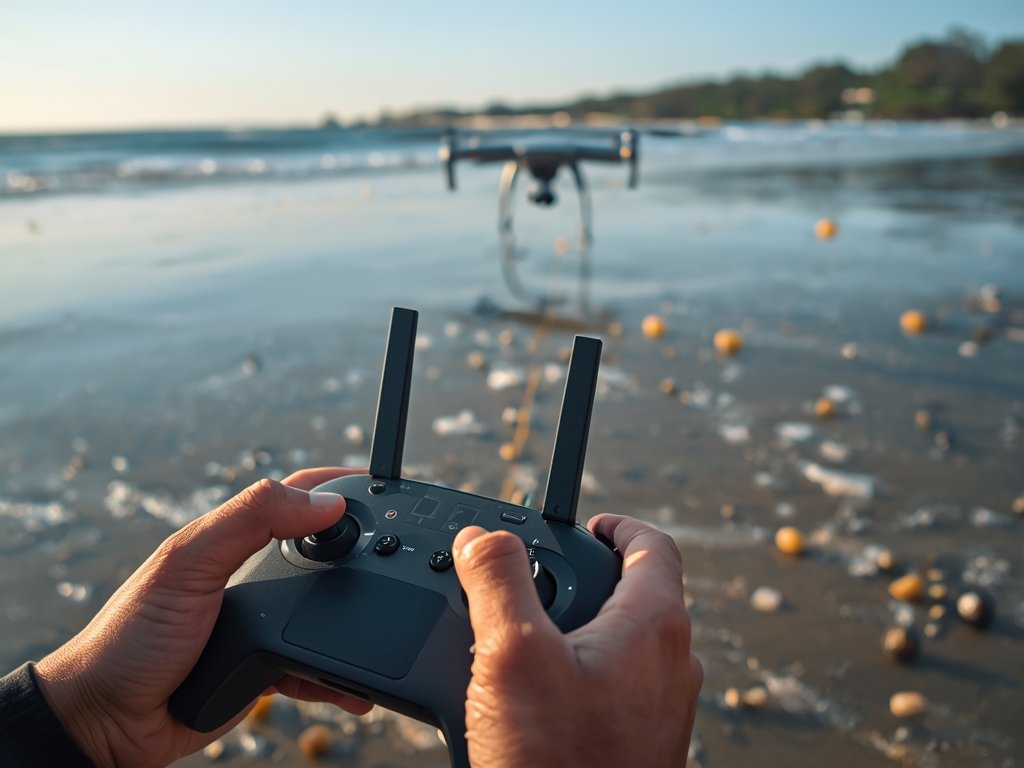
Drone fishing involves using unmanned aerial vehicles (UAVs) to deliver baited lines far beyond the reach of traditional casting. This method allows anglers to target species like tuna, which often feed in deeper waters inaccessible from shore.
In the U.S., where fishing is a cherished pastime and a significant economic driver, drone technology is revolutionizing the way we interact with our abundant marine resources. From the rocky shores of Maine to the sunny beaches of California, drone fishing is gaining traction as an exciting, sustainable way to experience the thrill of the catch.
Tackling the Tuna: A Prized Catch
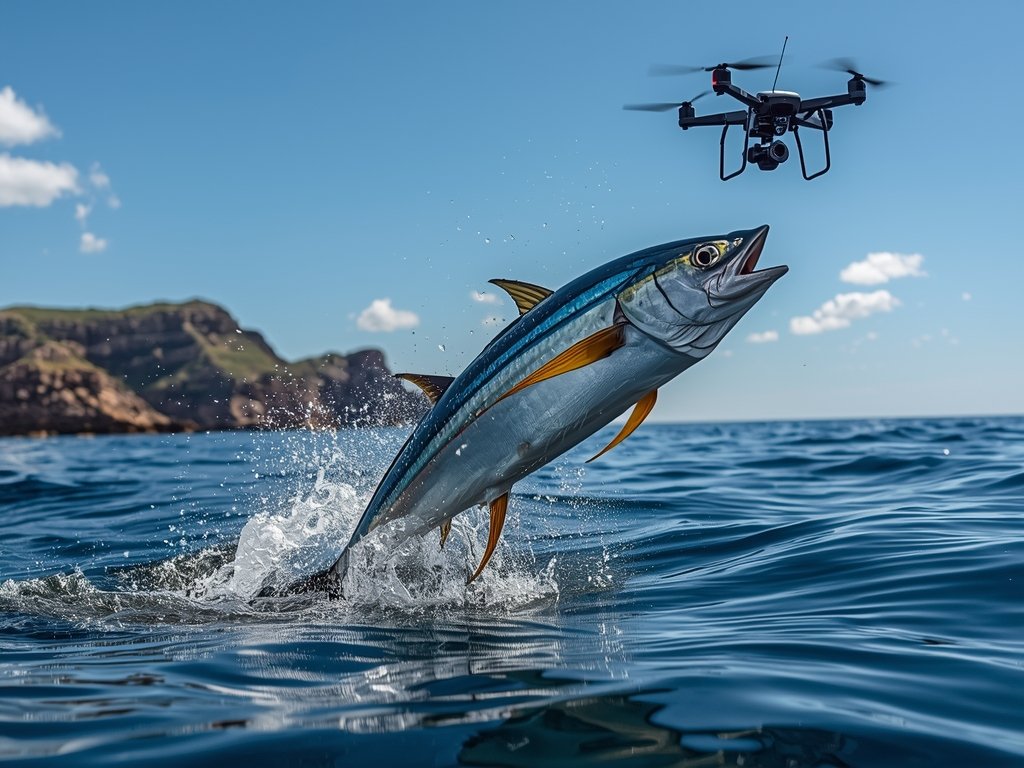
The Allure of the Bluefin
Bluefin tuna, prized for their speed, strength, and culinary value, are the ultimate quarry for many drone fishermen. These majestic creatures can reach weights of over 1000 pounds, though a 20-pound catch is a thrilling challenge for any angler.
In U.S. waters, bluefin tuna are found along both the Atlantic and Pacific coasts, with prime fishing spots in New England, the Mid-Atlantic, and Southern California. Their migration patterns and feeding habits make them a prime target for drone fishing enthusiasts.
Understanding Tuna Behavior
To successfully catch tuna with a drone, it’s crucial to understand their behavior. Tuna are pelagic fish, meaning they inhabit the open ocean, often forming schools near the surface. They’re attracted to areas with abundant prey, such as baitfish or squid.
By studying local marine ecosystems and tuna migration patterns, drone fishermen can strategically deploy their lines in areas where these giants are most likely to feed. This knowledge, combined with the extended reach of drone technology, significantly increases the chances of a successful catch.
Gear Up: Essential Equipment for Drone Fishing
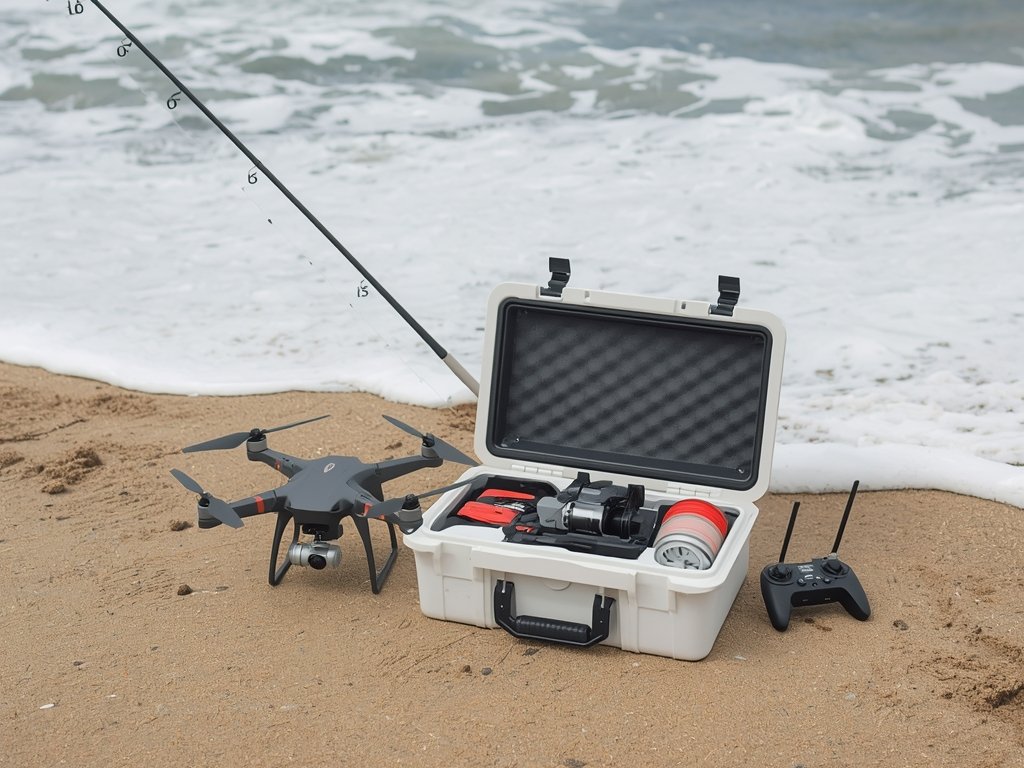
Drone fishing requires a unique set of tools that blend aviation technology with traditional angling gear. Here’s what you’ll need to embark on this exciting adventure:
- Drone: Invest in a durable, waterproof drone with sufficient payload capacity to carry your fishing line and bait. Look for models with long battery life and stable flight performance.
- Fishing Line and Reel: Use a heavy-duty line capable of withstanding the powerful strikes of tuna. A high-quality spinning reel with a smooth drag system is essential for handling these hard-fighting fish.
- Bait and Lures: Live bait, such as mackerel or herring, is highly effective for tuna. Artificial lures that mimic the movement of injured baitfish can also provoke aggressive strikes.
- Rod and Tackle: A sturdy, medium-heavy rod with a sensitive tip allows you to feel the bite and set the hook effectively. Ensure your tackle is suitable for the size of tuna you’re targeting.
Mastering the Technique: From Launch to Landing

Pre-Flight Preparation
Before launching your drone, scout the area for potential hazards and ensure you’re complying with local regulations. Check your equipment, including battery levels, line integrity, and bait presentation. A well-prepared setup is key to a successful and safe drone fishing experience.
Casting and Retrieval
Once airborne, guide your drone to the desired location, considering factors like water depth, current, and tuna activity. Release the line and allow the bait to reach the target zone. When a tuna strikes, the real challenge begins.
Reeling in a 20-pound tuna from the beach is a test of strength and endurance. Maintain steady pressure on the fish, using the drone’s position to your advantage. As the tuna tires, carefully guide it towards the shore, where you can land your prize.
Conservation and Ethics: Fishing Responsibly

As drone fishing gains popularity, it’s essential to prioritize conservation and ethical practices. Tuna populations, particularly bluefin, face significant pressures from commercial fishing and environmental changes. Responsible anglers play a crucial role in ensuring the sustainability of these magnificent species.
Adhere to local fishing regulations, including size and bag limits. Practice catch-and-release for smaller tuna, using proper techniques to minimize stress and injury. By respecting the marine environment and its inhabitants, we can enjoy drone fishing while preserving our natural heritage for future generations.
FAQ: Drone Fishing for Tuna Answered
Is drone fishing legal in the United States?
Drone fishing regulations vary by state and local jurisdiction. Always check with your local wildlife and fisheries department before attempting drone fishing. In general, as long as you comply with existing fishing laws and aviation regulations, drone fishing is permitted in many areas.
What’s the best time of year for drone fishing tuna?
Tuna migration patterns dictate the best seasons for drone fishing. Along the U.S. Atlantic coast, bluefin tuna are typically most active from late spring through fall. On the Pacific coast, the season may vary, so consult local fishing reports and marine forecasts for the most accurate information.
How do I choose the right drone for fishing?
Look for a drone with a sturdy build, waterproof design, and sufficient payload capacity (at least 1-2 pounds). Battery life is also critical, as you’ll need enough flight time to reach your fishing grounds and return safely. Popular models among drone fishermen include the SwellPro SplashDrone 4 and the PowerVision PowerEgg X.
Can I use drone fishing techniques for other species?
Absolutely! While this article focuses on tuna, drone fishing is effective for a wide range of species, including sharks, tarpon, and striped bass. Adapt your bait, tackle, and techniques to suit the target species and local conditions.
What safety precautions should I take when drone fishing?
Always prioritize safety when operating drones near water. Maintain a clear line of sight with your drone, and be mindful of other beachgoers and boaters. Avoid flying in strong winds or rough sea conditions. Regularly inspect your equipment for wear and tear, and never attempt to retrieve a drone from the water unless it’s specifically designed for waterproof operations.
Join Our Pilot Community
Connect with fellow drone enthusiasts, share your aerial shots, and get access to free PDF ebook guides.