
The Sky’s the Limit: Unlocking the Power of Long-Endurance Military Drones
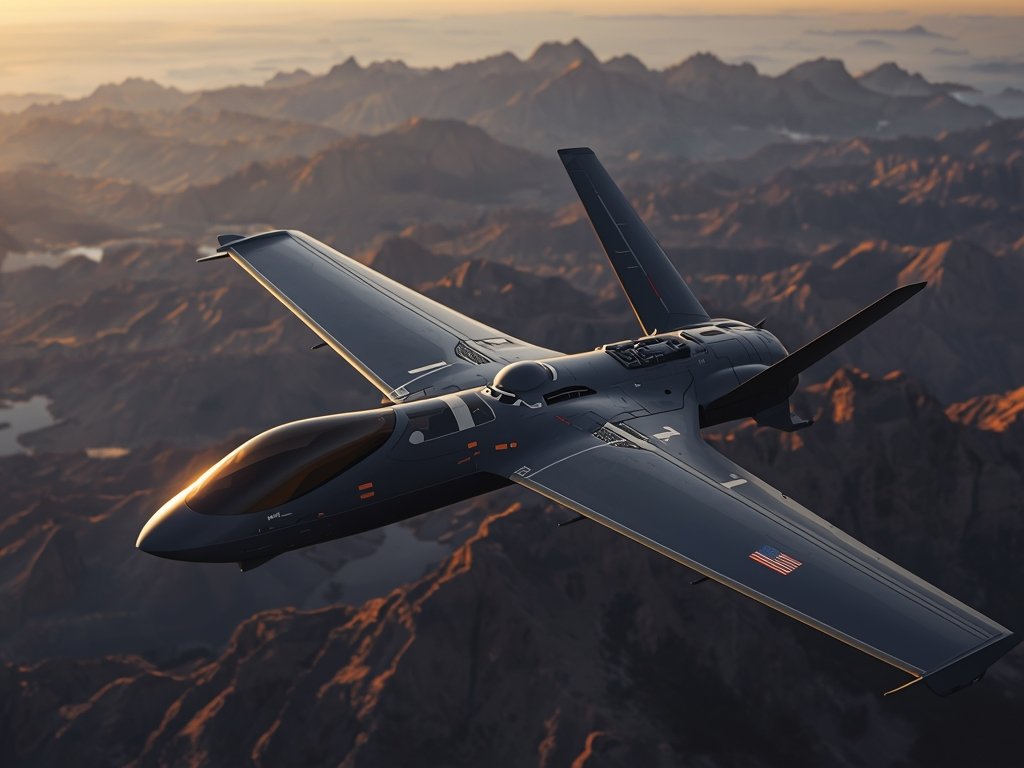
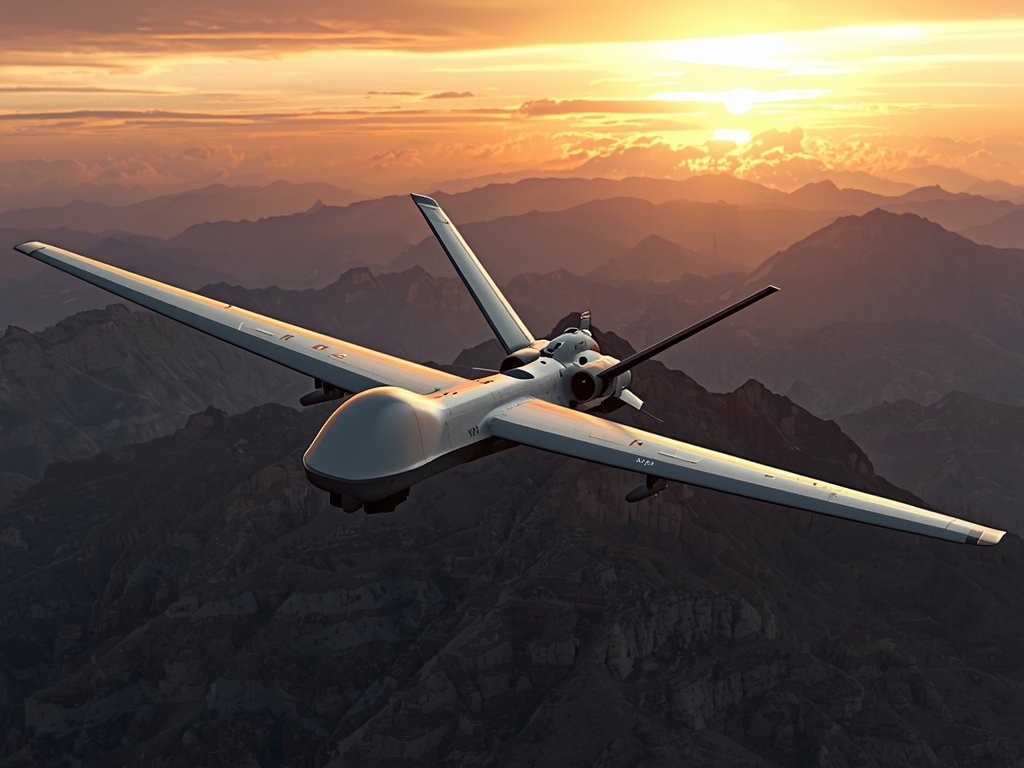
In the vast expanse of the American skies, a new era of defense technology is unfolding. Long-endurance military drone systems are revolutionizing the way the United States approaches surveillance, reconnaissance, and strategic operations. These unmanned aerial vehicles (UAVs) are designed to stay airborne for extended periods, providing unparalleled situational awareness and operational flexibility.
A New Frontier in Defense Technology
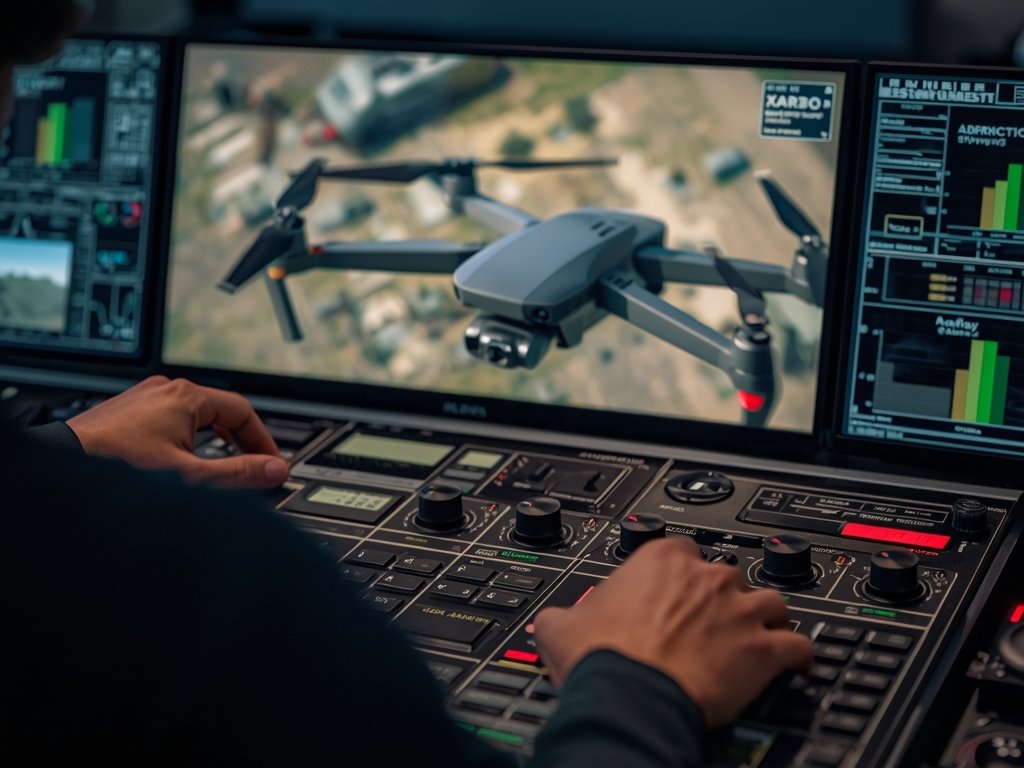
The development of long-endurance military drones has been a game-changer for the US military. With the ability to remain airborne for up to 30 hours or more, these systems offer a persistent presence in the sky, enabling continuous monitoring and rapid response to emerging threats. This capability is particularly crucial in today’s complex and dynamic security environment, where adversaries are becoming increasingly sophisticated and elusive.
The Evolution of Drone Technology
The journey to long-endurance drones has been marked by significant advancements in materials science, aerodynamics, and power systems. Early UAVs were limited by short flight times and narrow operational ranges, but decades of research and development have led to the creation of highly efficient and durable platforms.
Pushing the Boundaries of Flight

At the heart of long-endurance military drone systems lies a combination of cutting-edge technologies. Advanced aerodynamics, lightweight materials, and efficient propulsion systems work in harmony to maximize flight time and minimize fuel consumption. Some of the key innovations include:
- Solar Power: High-efficiency solar panels integrated into the drone’s wings provide a renewable energy source, enabling indefinite flight times in optimal conditions.
- Fuel Cells: Compact and lightweight fuel cells offer a clean and quiet alternative to traditional combustion engines, extending flight endurance and reducing the drone’s acoustic signature.
- Advanced Batteries: Next-generation battery technologies, such as lithium-sulfur and solid-state batteries, provide higher energy densities and faster charging times, further enhancing the drone’s endurance.
Real-World Applications
The versatility of long-endurance military drones has led to their deployment in a wide range of missions, from border patrol and disaster response to intelligence gathering and combat operations. In the United States, these systems have been instrumental in securing the southern border, monitoring critical infrastructure, and supporting law enforcement agencies.
Securing the Homeland: Domestic Applications
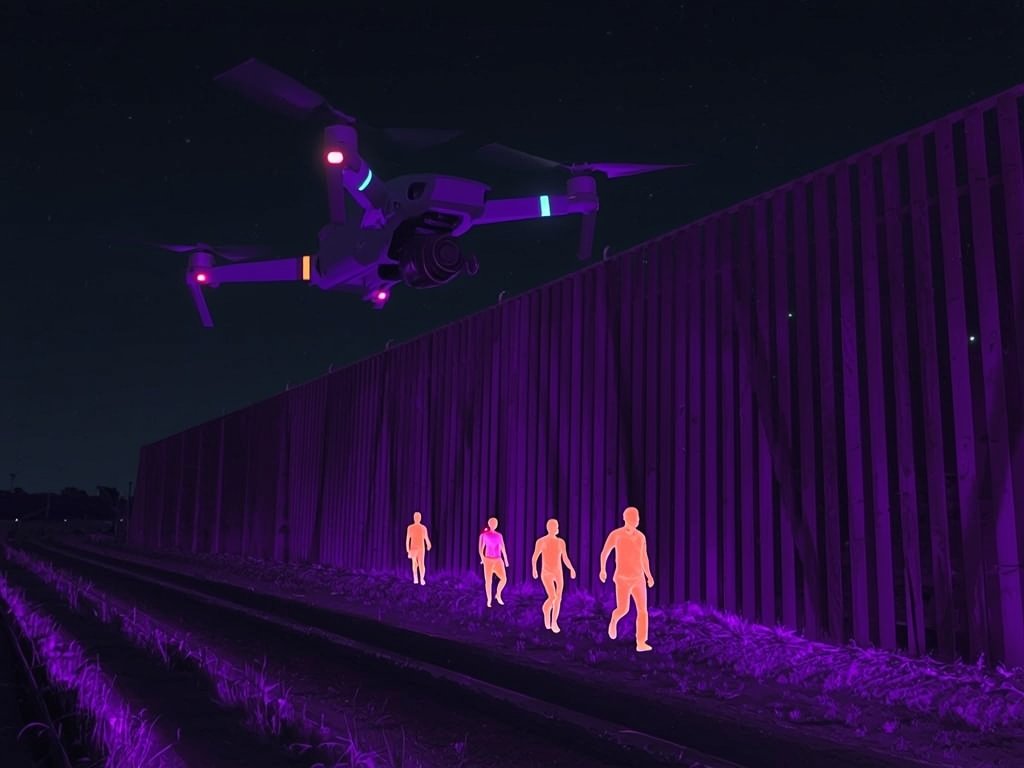
Within the United States, long-endurance military drones are playing an increasingly vital role in homeland security. The Department of Homeland Security (DHS) has deployed these systems to monitor the nation’s borders, detect and intercept illicit activities, and respond to natural disasters. By providing real-time situational awareness, these drones enable rapid decision-making and coordinated responses to emerging threats.
Border Security and Beyond
One of the most significant applications of long-endurance drones is in border security. The US Customs and Border Protection (CBP) agency has utilized these systems to patrol the vast and often remote borders with Mexico and Canada. Equipped with advanced sensors and cameras, the drones can detect and track unauthorized crossings, identify potential threats, and guide ground-based response teams.
Global Reach: International Operations

Beyond the homeland, long-endurance military drones are extending the reach of US military power across the globe. These systems have been deployed in various theaters of operation, from the Middle East to the Asia-Pacific region, providing critical intelligence, surveillance, and reconnaissance (ISR) capabilities. By operating in denied or contested environments, these drones enable the US military to maintain a strategic advantage and protect national interests.
The Future of Drone Warfare
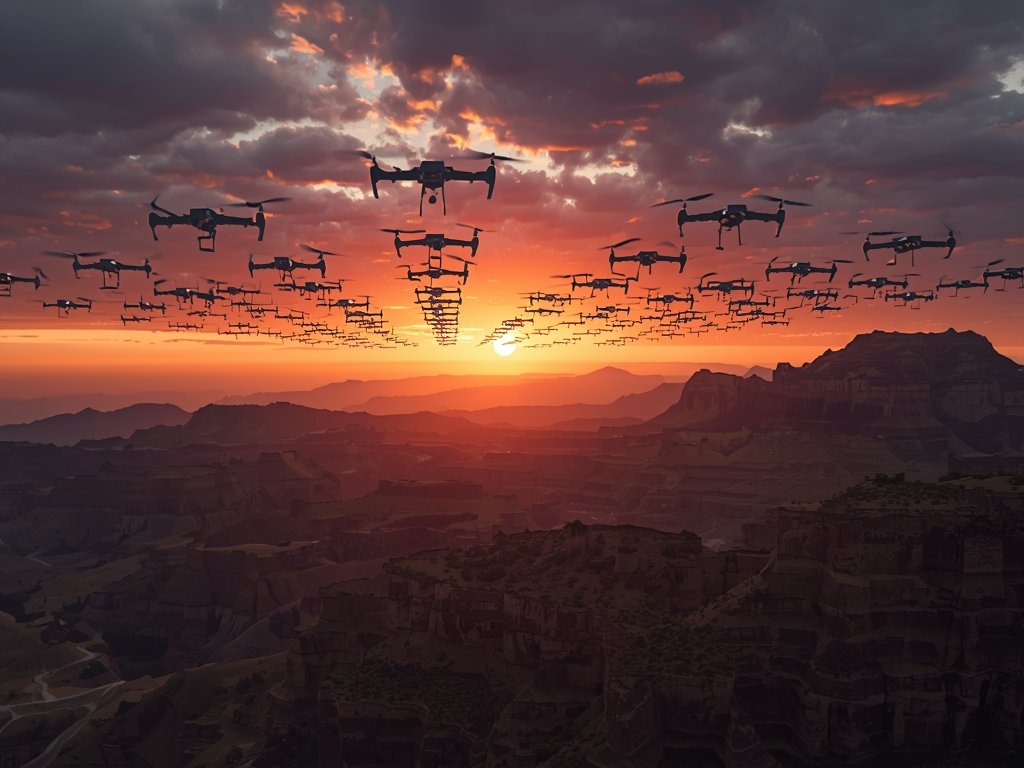
As the technology continues to evolve, long-endurance military drones are poised to play an even more significant role in future conflicts. The development of autonomous systems, swarm technologies, and advanced weaponry will further enhance the capabilities of these platforms, enabling them to engage in a wider range of missions and operate more effectively in complex and dynamic environments.
The Human Factor: Training and Operations

Behind every successful drone mission is a team of highly trained operators and technicians. The US military has invested heavily in developing the skills and expertise required to operate and maintain these complex systems. From pilot training to maintenance and logistics, a comprehensive support infrastructure ensures that long-endurance military drones are always mission-ready.
A Culture of Innovation
The culture of innovation within the US military has been a driving force behind the development and adoption of long-endurance drone technology. By fostering a spirit of experimentation and collaboration, the military has been able to rapidly integrate new capabilities and adapt to evolving threats. This culture of innovation will be crucial in maintaining the US military’s technological edge in the years to come.
FAQ
What is the maximum flight time of a long-endurance military drone?
The maximum flight time of a long-endurance military drone can exceed 30 hours, depending on the specific model and mission requirements. Some systems, equipped with solar panels or advanced fuel cells, can theoretically stay airborne indefinitely in optimal conditions.
How are long-endurance drones used in border security?
In border security operations, long-endurance drones are used to patrol and monitor remote areas, detect and track unauthorized crossings, and provide real-time situational awareness to ground-based response teams. Equipped with advanced sensors and cameras, these drones can operate in various weather conditions and terrains.
What are the key advantages of long-endurance military drones?
The key advantages of long-endurance military drones include their ability to provide persistent surveillance, reduce operational costs, and minimize risks to human personnel. These systems can operate in denied or contested environments, enabling the military to maintain a strategic advantage and respond rapidly to emerging threats.
How does the US military ensure the security of drone operations?
The US military employs a range of measures to ensure the security of drone operations, including encryption, frequency hopping, and anti-jamming technologies. Additionally, strict protocols and procedures are in place to prevent unauthorized access and protect against cyber threats.
What is the future of long-endurance military drone technology?
The future of long-endurance military drone technology is likely to be shaped by advancements in autonomy, swarm capabilities, and advanced weaponry. As these systems become more sophisticated and integrated, they will play an increasingly vital role in a wide range of military operations, from intelligence gathering to combat missions.
Join Our Pilot Community
Connect with fellow drone enthusiasts, share your aerial shots, and get access to free PDF ebook guides.