A regulations guide is only as good as its date, and the original version of this one failed that test in its waiver list: it told commercial operators to apply for a night-operations waiver — a requirement the FAA retired in April 2021. It also invented a California permit for flights over private property (no such permit exists; California’s real provision is a privacy statute) and filed National Parks under airspace restrictions, when parks are a land-manager rule, not an airspace rule. This rewrite is the compliance map rebuilt: four layers, each with its actual owner, written as of late 2026 — with the FAA’s own commercial-operator hub as the standing reference at faa.gov/uas/commercial_operators.

Layer 1: Part 107 — The Core Operating Rules
Part 107 governs commercial small UAS under 55 pounds, and its core is short enough to memorize: fly at or below 400 feet AGL (or within 400 feet of a structure, up to 400 feet above its top); keep the aircraft in visual line of sight; maximum groundspeed 100 mph; minimum flight visibility 3 statute miles from the control station; yield to all manned aircraft; one pilot, one aircraft; no careless or reckless operation, ever — that clause (§107.23) is the one behind most enforcement. Two modernizations the old guide missed: night flight is legal without a waiver since April 2021, given a strobe visible for 3 statute miles and a pilot whose currency training covers night operations; and operations over people run on a category system (Categories 1–4 by aircraft declaration/injury criteria) plus a separate moving-vehicle rule — not on case-by-case waivers for compliant aircraft.
Layer 1b: The Pilot, the Aircraft, the Broadcast
Three companions to the operating rules. The Remote Pilot certificate: knowledge test, TSA vetting, and currency maintained by the free online ALC-677 course every 24 months — the certificate itself never expires (our exam guide and currency guide cover both halves, including the fake “renewal application” the old text on this site once invented). Registration: every Part 107 aircraft is registered individually with the FAA regardless of weight — the sub-250 g exception is recreational-only — with the registration number marked on the aircraft. Remote ID: broadcast identification is a condition of flight, via a standard-Remote-ID aircraft or a broadcast module (our Remote ID guide has the full mechanics; note there is no “network Remote ID” compliance path — it was proposed and dropped).

Layer 1c: Airspace Authorization
Controlled airspace (Classes B, C, D, and surface E) requires prior authorization — in practice LAANC, which returns near-instant approvals up to the altitude shown on the FAA’s facility grid maps, with further coordination available above them. Uncontrolled (Class G) airspace needs no authorization but no exemption from everything else: Temporary Flight Restrictions, stadium restrictions, and prohibited areas bind everywhere. Airspace is the layer where “the app said yes” is a real workflow — and where the grid ceiling, not desire, sets the altitude.
Layer 2: Beyond Part 107 — Waivers, Exemptions, Other Certificates
When a mission breaks a waivable rule, the instrument is a Part 107 waiver (via FAA DroneZone) — the live list includes §107.31 (BVLOS), §107.39 (operations over people beyond the categories), §107.145 (moving vehicles), and §107.51 operating limits; night and recreational-style requests are not on it, because they no longer need to be. Beyond waiver scale sit exemptions: aircraft over 55 lb and agricultural aircraft operations (Part 137) run on Section 44807 exemptions with attached conditions, and crop work adds a Part 137 operating certificate plus state pesticide applicator licensing — the stack our agricultural spraying guide details. Public agencies may instead fly under a Certificate of Waiver or Authorization (COA) as public aircraft; package delivery for customers lives under Part 135 air-carrier certification. Four instruments, four different doors — naming the right one is half of compliance.

Layer 3: State, Local, and Land-Manager Rules
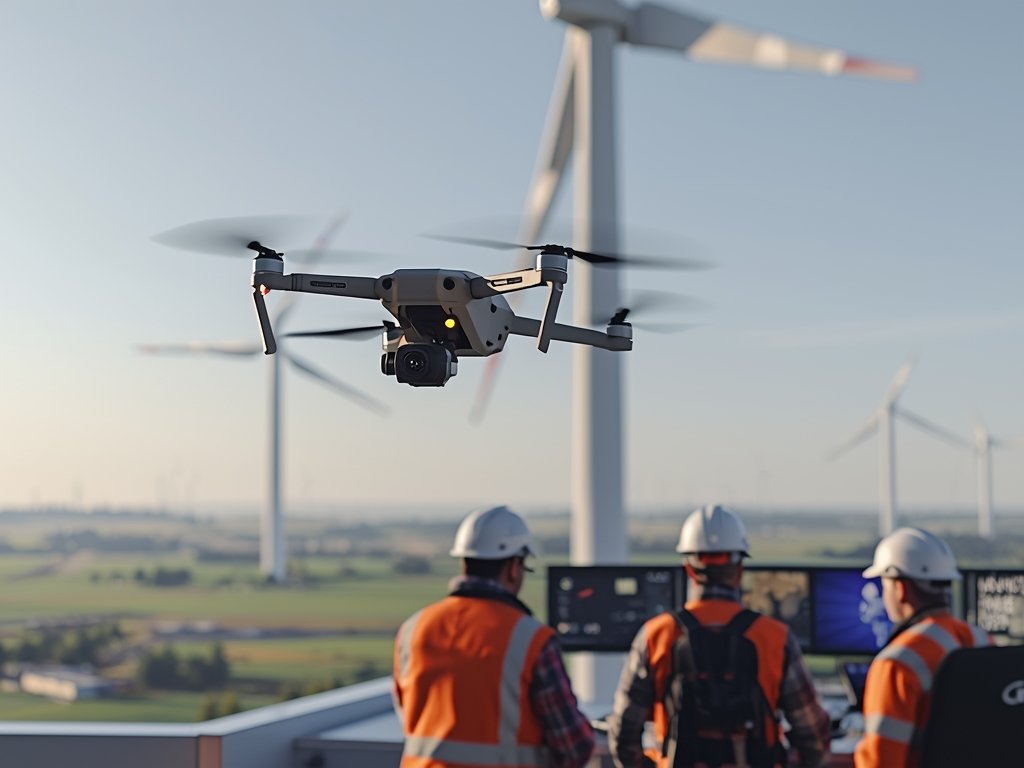
Federal rules own the airspace; they do not own privacy, trespass, or the ground you stand on. States legislate surveillance and privacy (California’s real provision is Civil Code §1708.8 — paparazzi-style invasion of privacy, not an overflight permit), critical-infrastructure buffers, and voyeurism — our privacy laws guide works this layer properly. Local governments control launch and landing on their property — parks departments, city facilities — which is how a legal flight becomes an illegal takeoff. Land managers set the outermost layer: the National Park Service prohibits launching, landing, or operating drones across the park system (a land rule, misfiled as airspace in the old guide), the Forest Service and BLM generally allow use outside designated Wilderness, state parks vary park by park, and tribal lands are sovereign — ask. Compliance means clearing all three sub-layers for the specific site, not reciting Part 107.
Layer 4: Industry Overlays
No, there are no “FAA real estate regulations” — the old guide’s industry chapter invented specialty air law. What industries actually add is other law and other contracts: surveying deliverables sit under state survey licensure (a drone doesn’t make an unlicensed map a survey); spraying adds Part 137 and applicator licensing (above); infrastructure clients impose facility coordination, security screening, and insurance minimums by contract; public-safety work layers agency policy and, often, COA operations. The overlay is real — it just lives in licensing boards and procurement files, not in Part 107.
The Horizon: Part 108 Status (Read the Date)
The proposed Part 108 rule — routine BVLOS and dock operations under a new framework — was published as a proposal in August 2025 and, as of this writing in late 2026, has not been published as a final rule or taken effect; the draft final rule sits in federal review. Until it does, BVLOS runs on the instruments in Layer 2. Our Part 108 status analysis tracks the docket, and this page will be revised against the final text when it publishes — any regulations guide that can’t say that sentence plainly shouldn’t be trusted with the rest.
Enforcement, Honestly
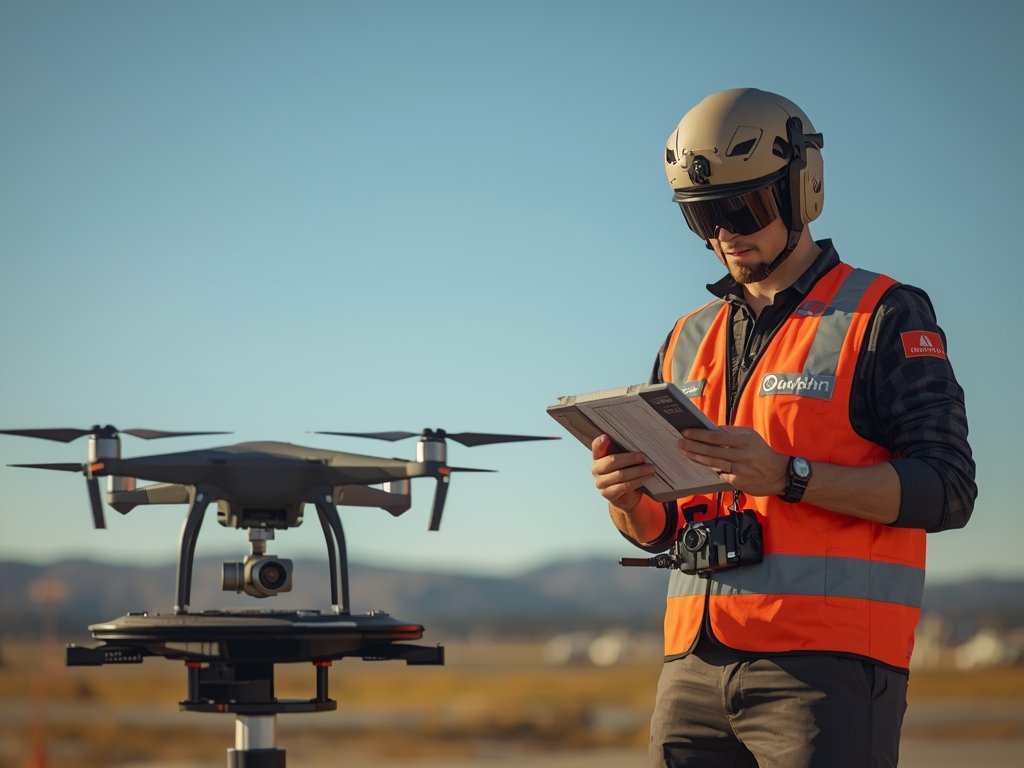
The FAA’s first instrument is education; its escalations are certificate action (suspension/revocation) and civil penalties that scale with recklessness and commercial scale — the documented cases in our enforcement casebook show proposed six-figure penalties settling far lower for individuals, and real money for repeat commercial violators. The practical compliance system is boring and total: a pre-flight checklist flown every time, flight and maintenance logs that can reconstruct any operation, currency never allowed to lapse, and a habit of checking the four layers per site rather than per career.
FAQ
What is the maximum altitude for commercial drone operations in the US?
400 feet above ground level under Part 107 — with the structure exception: within 400 feet laterally of a structure, you may fly up to 400 feet above its top. In controlled airspace, the LAANC facility grid may set a lower ceiling for your authorization.
Do I need a license to operate a drone for commercial purposes?
Yes — the FAA Remote Pilot Certificate (knowledge test plus TSA vetting), kept current with the free ALC-677 online course every 24 months. The certificate never expires; currency lapses are what ground pilots, and flying commercially without it is the most basic violation there is.
Can I fly my drone over private property without permission?
Federally, flight in navigable airspace doesn’t generally require the surface owner’s permission — but state privacy and surveillance statutes, trespass and nuisance law, and launch-site rules all apply, and low, lingering, camera-pointed flight is where operators get into genuine trouble. Our privacy guide works the distinctions; professional practice adds notice and consent wherever a client relationship exists.
How do I obtain a waiver for night operations?
You don’t — that requirement ended in April 2021. Night flight under Part 107 is legal with an anti-collision light visible for 3 statute miles and a remote pilot whose 24-month currency training included the night-operations material. Guides still selling night waivers are five years out of date (this one was, and has been corrected).
What are the penalties for violating commercial drone regulations?
A spectrum: education and corrective action for minor first issues; certificate suspension or revocation for serious ones; civil penalties that grow with recklessness, repetition, and commercial scale; and criminal exposure for the worst conduct (interfering with firefighting or manned aircraft). The documented record — not brochure numbers — is in our enforcement casebook.
Regulations are a stack, not a scroll: airspace from the FAA, privacy from the states, ground from the land manager, and obligations from your contracts. Clear all four, per site, and the map stays simple.
Join Our Pilot Community
Connect with fellow drone enthusiasts, share your aerial shots, and get access to free PDF ebook guides.