You have the drone, the licence, and the first client asking “how much?” — and you have no idea what to say. Charge too little and you work for nothing; charge too much and the client goes to the next pilot on the list. Drone photography pricing is not a single number: it depends on the job, the market, the deliverables, and what the client is actually buying. This guide explains what US pilots charge for the common jobs, what drives the price up and down, and how to put together a price of your own that you can defend.
One thing to know first: the numbers below are typical ranges, not fixed rates. Prices vary by city, by experience, and by what is included — and they change over time. Use them as a starting point for your own market, not as a price list to copy. The most useful thing you can do is call three local pilots, ask what they charge for the same job, and price yourself in the same range.
The Short Answer: Most Jobs Fall Into Three Bands
Simple photo jobs — a real-estate shoot, a roof inspection, a small event — usually sit in the low hundreds of dollars. Half-day or full-day work with editing, video, and multiple deliverables sits in the high hundreds to low thousands. Specialist work — mapping, surveying, industrial inspection, or anything that needs a licence, insurance, and processing — sits higher still, and is usually priced by the project rather than by the hour.


The reason for the bands is simple: the client is not paying for the drone, they are paying for the result. A real-estate agent wants photos that sell a house. A roofer wants images that show the damage. A wedding couple wants a film they will watch for years. The price reflects the value of that result to the client, the skill needed to produce it, and the costs of doing the job properly — licence, insurance, travel, editing time, and the risk you take on.
If you are just starting out, price by the job, not by the hour. Clients understand a fixed price for a fixed deliverable; they do not understand an hourly rate for a job they have never bought before. Quote the whole job — shoot, travel, and edited deliverables — in one number, and be clear about what is included.
Real Estate Photography
Real-estate drone photography is the most common first job, and the pricing is the most competitive. A standard shoot — a dozen or so edited aerial stills of a property, delivered within a day or two — typically costs the client in the low hundreds, often bundled with the ground photography rather than sold on its own. In expensive markets the price is higher; in small towns it is lower. The work itself is quick — often under an hour on site — but the editing, the delivery, and the travel all count.

What raises the price: a large property, a property with land, a twilight shoot, video as well as stills, or a client who wants the images the same day. What lowers it: a simple shoot, a client who books regularly, or a market where many pilots compete for the same agents. The pilots who earn the most from real estate are not the ones with the best drone — they are the ones who deliver fast, communicate well, and make the agent’s job easy. For the aircraft that suit this work, see our guide to the best drones for real-estate photography.
Be careful about one thing: the agent is not your only client. The homeowner, the listing, and the agent’s reputation are all on the line, and a pilot who turns up late, flies over the neighbours, or delivers blurry images will not be booked again. Reliability is worth more than a low price.
Roof and Property Inspections
Roof inspection is the second common job, and it is priced differently from real estate because the client is buying information, not beauty. A roof inspection typically costs in the low-to-mid hundreds, depending on the size and complexity of the roof, and whether the deliverable is a set of annotated photos, a video walkthrough, or a written report. The client — usually a roofer, an insurer, or a homeowner — wants to see the damage clearly, and they want the images labelled so they know what they are looking at.
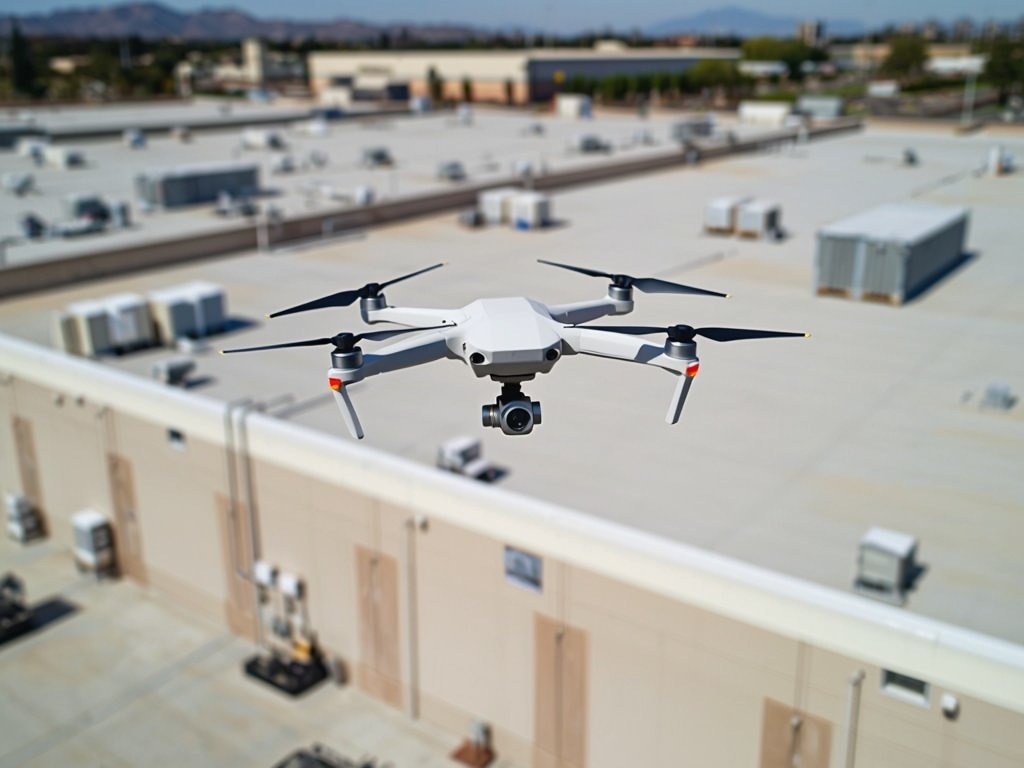
The work is more demanding than a real-estate shoot. You need to fly close to the roof, in a pattern that covers every section, and you need to know what you are looking at well enough to capture the right details. A pilot who has never seen a damaged roof will miss the thing the client needs. That is why inspection work pays more than photography work for the same amount of flying time — and why it is worth learning the subject, not just the flying.
Insurance and safety matter more here too. Flying close to a structure, in wind, with obstacles on all sides, is harder flying than an open property shoot. Your insurance must cover it, your risk assessment must be real, and you must be honest with the client about what the drone can and cannot see. A roof that cannot be inspected safely from the air should be inspected another way.
Weddings, Events, and Video Work
Weddings and events are the highest-priced common work, and the most demanding. A wedding drone shoot — a few flights during the ceremony and the portraits, plus edited video — is usually priced as an add-on to a photography or videography package, and the price reflects the fact that the footage cannot be re-shot. There is no second wedding. The pilot must be reliable, discreet, and invisible: no buzzing over the ceremony, no hovering over the guests, no second chances.
Event work is similar but more varied: a festival, a sports event, a corporate launch, a construction milestone. The price depends on the length of the event, the number of flights, the deliverables, and the permissions needed. Events in controlled airspace, or over people, need authorisations that take time to arrange — and that time is part of the price.
Video work in general is priced higher than stills, because the editing takes longer. A two-minute edited film can take a day of editing, and the client is paying for that day as well as the flight. Be honest about the editing time when you quote: a pilot who quotes for the flight and forgets the editing will work the editing for free.
What Actually Drives the Price
Five things decide what a drone photography job is worth. The first is the licence and the law: commercial drone work in the United States requires a Part 107 certificate, and the client is entitled to ask for it. A pilot without one is not cheaper — they are illegal, and a client who hires one is taking a risk. Our guide to how to register a drone with the FAA covers the registration side, and the FAA’s commercial-operator pages set out the rules for flying for work.
The second is insurance. A commercial pilot should carry liability insurance, and the cost of that insurance is part of the price of every job. The third is travel: the further the job, the more the price must cover — fuel, time, and the risk of a wasted trip if the weather turns. The fourth is editing: the hours after the flight are real work, and they are the part clients most often underestimate. The fifth is experience: a pilot with a portfolio, references, and a track record can charge more than a pilot with none, because the client is buying certainty as well as images.
Do not compete on price alone. There will always be someone cheaper, and there will always be a client who chooses them — and then calls you when the cheap pilot does not turn up, or delivers unusable images. Compete on reliability, communication, and the quality of the deliverables. Those are the things clients remember, and the things they pay for the second time.
How to Price Your Own Work
Start with your costs. Add up the fixed costs — insurance, the Part 107 test and renewal, the drone and its maintenance, the editing software — and divide them by the number of jobs you expect to do in a year. That is the floor: the amount every job must contribute before you have earned anything. Then add the cost of the job itself: travel, your time on site, your time editing, and a margin for the risk that the weather cancels the flight after you have already travelled.

Then look at the market. Call three local pilots and ask what they charge for the job you are quoting. If your price is far below theirs, you are probably undercharging — and you will find out when you cannot afford to keep doing it. If your price is far above theirs, you need a reason: a better portfolio, faster delivery, or a service they do not offer.
Finally, write the quote down. A written quote that says what is included, when it will be delivered, and what happens if the weather cancels the flight protects both you and the client. A verbal price agreed on the phone is forgotten by the time the invoice arrives. And always ask for a deposit — a client who has paid a deposit is a client who will answer the phone on the day.
For the other side of the money question — what drone pilots earn as employees rather than freelancers — see our guide to how much drone pilots make. The two paths pay differently, and the right one depends on whether you want to run a business or fly someone else’s drone.
FAQ
Do I need a licence to charge for drone photography?
Yes. Any drone work done for payment in the United States requires a Part 107 certificate, and the drone must be registered. Flying for money without it is illegal, and it invalidates your insurance.
Should I charge by the hour or by the job?
By the job. Clients understand a fixed price for a fixed deliverable. Hourly rates make sense for open-ended work, but most photography jobs have a clear scope — quote the whole job in one number.
What should I include in the price?
The shoot, the travel, the edited deliverables, and the delivery itself. Be explicit about what is included — the number of photos, the length of the video, the turnaround time — so the client knows what they are buying and you know what you owe them.
How do I handle a weather cancellation?
Put it in the quote before the job: if the weather cancels the flight, the job is rescheduled at no extra cost, and the deposit is held for the new date. A client who knows the rule in advance will not argue about it on the day.
Join Our Pilot Community
Connect with fellow drone enthusiasts, share your aerial shots, and get access to free PDF ebook guides.