
Winter Wonderland or Drone Graveyard? Mastering Cold-Weather Flights
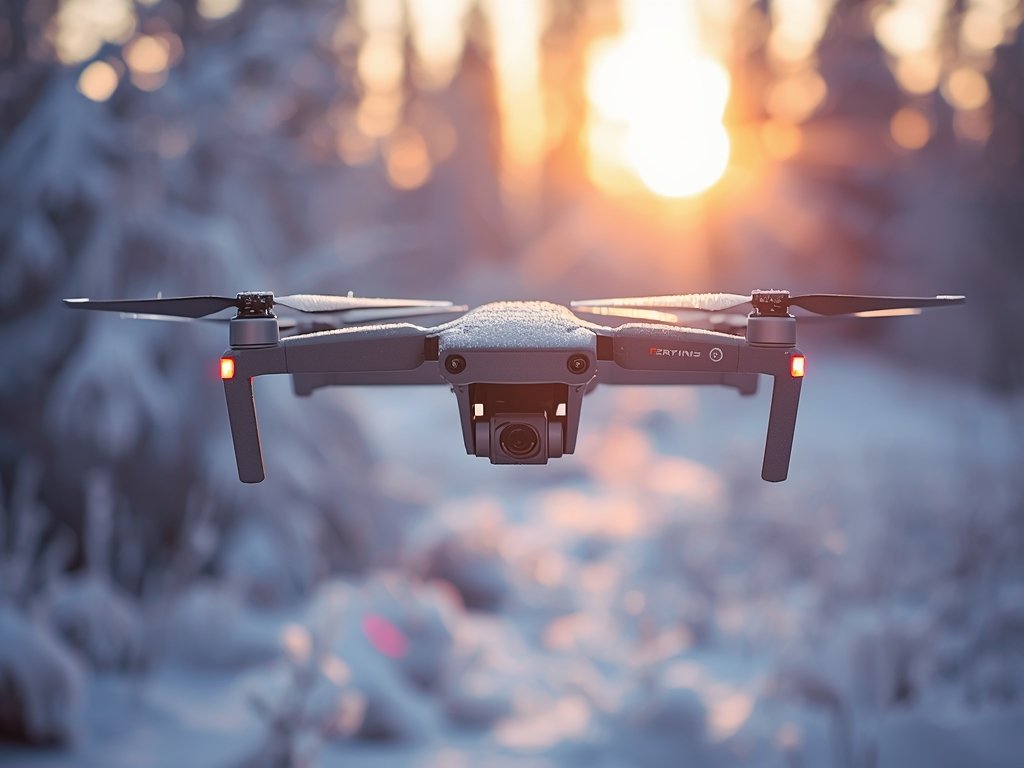
As winter blankets the United States in snow and ice, drone enthusiasts face a unique challenge: keeping their aircraft airborne in sub-zero temperatures. From the frosty peaks of the Rockies to the icy shores of the Great Lakes, cold weather can turn a routine flight into a high-stakes battle against the elements. But with the right preparation and techniques, you can capture stunning winter footage without sacrificing your drone.
The Frozen Enemy: How Cold Weather Affects Your Drone
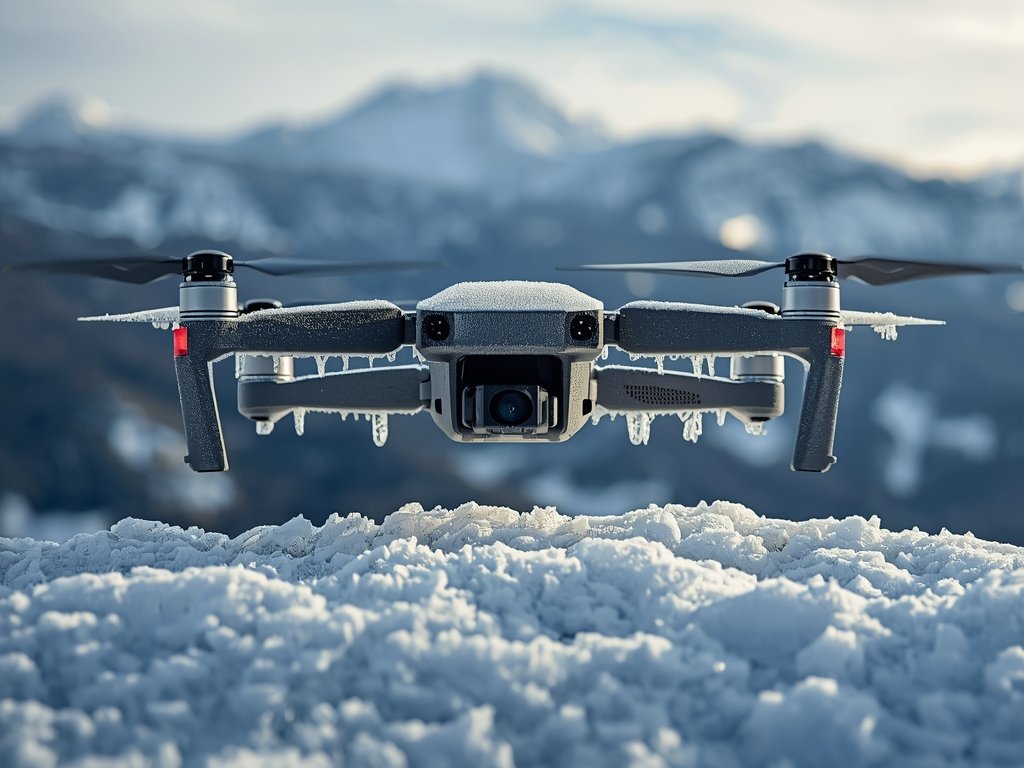
Cold weather impacts drones in several critical ways. Lithium-polymer (LiPo) batteries, the lifeblood of most drones, lose efficiency in low temperatures, reducing flight time and responsiveness. Propellers can become brittle and prone to cracking, while motors may struggle to generate enough heat to function optimally. Even GPS signals can be affected, leading to unstable flights.
Understanding these risks is the first step to mitigating them. By taking proactive measures, you can ensure your drone remains a reliable tool for capturing the beauty of winter landscapes.
Pre-Flight Prep: Setting the Stage for Success
Battery Care: The Heart of Cold-Weather Flying
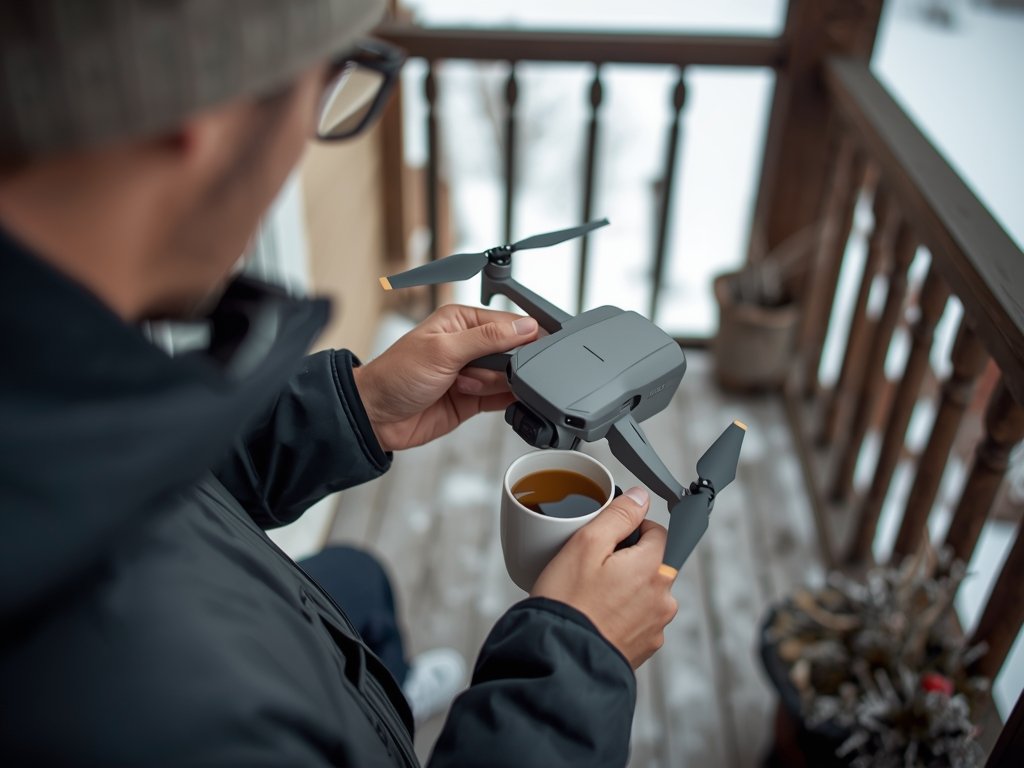
Your drone’s battery is its most vulnerable component in the cold. Always store batteries in a warm place before flying, and use a battery warmer if available. Allow the battery to warm up inside the drone for a few minutes before takeoff, but avoid overheating, which can cause damage.
Propeller Check: Ensuring Smooth Rotation
Inspect propellers for any signs of cracking or damage. Consider using propellers made from materials designed to withstand cold temperatures. Keep spare propellers handy, as cold weather increases the risk of breakage during flight.
Firmware Update: Staying Ahead of the Curve
Ensure your drone’s firmware is up to date. Manufacturers often release updates that improve cold-weather performance and fix bugs that could lead to crashes. This simple step can make a significant difference in your drone’s reliability.
Takeoff and Flight: Navigating the Frozen Skies

Gentle Takeoff: Minimizing Stress on Components
Cold temperatures can make motors and propellers less responsive. Start with a gentle takeoff, giving the drone ample time to stabilize. Avoid abrupt movements that could strain the motors or cause the drone to lose control.
Altitude Awareness: Battling the Cold at High Elevations
Air density decreases at higher altitudes, which can affect your drone’s performance. In cold weather, this effect is amplified. Monitor your drone’s altitude and avoid flying too high, especially if you’re already pushing the limits of its battery life.
Flight Path Planning: Staying Safe and Efficient
Plan your flight path carefully, taking into account wind direction and speed. Cold weather often brings stronger winds, which can quickly drain your battery and make control more challenging. Stick to areas with natural windbreaks, such as forests or buildings, when possible.
Emergency Protocols: When Things Go Wrong
Low Battery Alarms: Heeding the Warning Signs
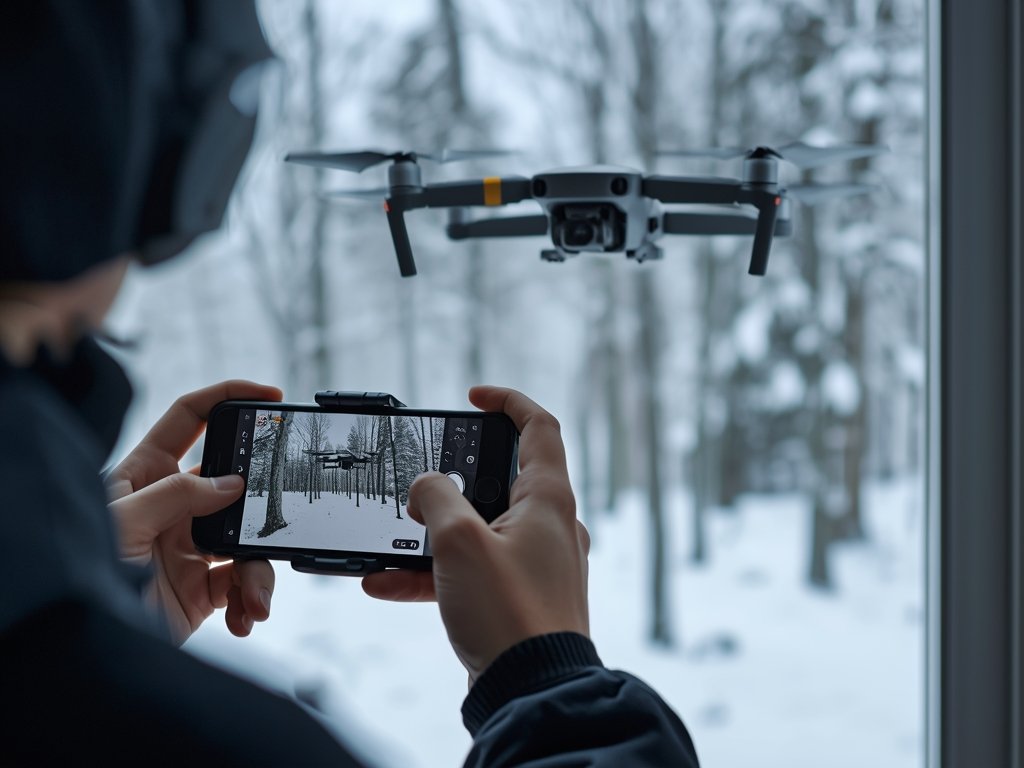
Cold weather reduces battery life, so pay close attention to low battery alarms. Return your drone to the landing area immediately when the alarm sounds. Ignoring this warning can lead to a sudden loss of power and a potential crash.
Manual Override: Taking Control in Critical Situations
If your drone starts behaving erratically, switch to manual mode and guide it back to safety. Practice manual flying in a controlled environment so you’re prepared to handle emergencies confidently.
Post-Crash Recovery: Salvaging Your Investment
If your drone does crash, act quickly to retrieve it. Snow and ice can damage sensitive components, so bring it indoors and allow it to warm up gradually. Inspect all parts for damage and replace any that are compromised.
Post-Flight Care: Extending Your Drone’s Lifespan
Warming Up: Preventing Condensation Damage
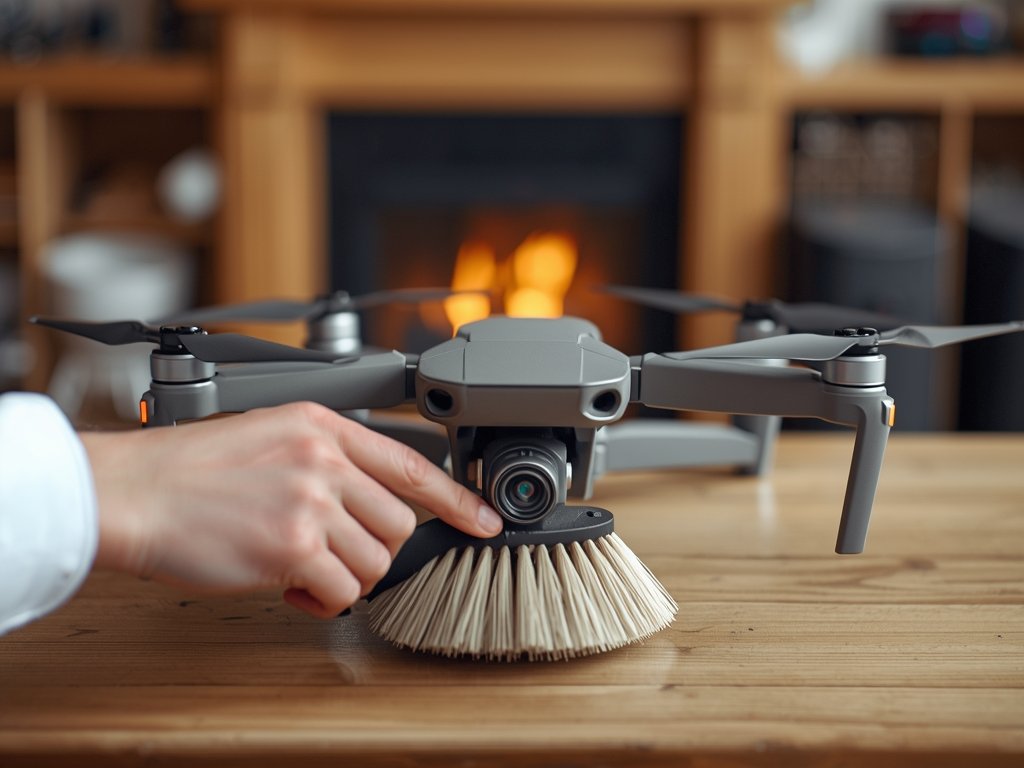
After landing, bring your drone indoors and let it warm up slowly. Rapid temperature changes can cause condensation, which can damage electronics. Place the drone in a warm, dry area and allow it to acclimate for at least 15 minutes.
Cleaning and Inspection: Maintaining Peak Performance
Clean your drone thoroughly after each flight, paying special attention to propellers, motors, and sensors. Remove any snow, ice, or debris that could interfere with future flights. Inspect all components for wear and tear, and address any issues promptly.
Storage Solutions: Keeping Your Drone Ready for Action
Store your drone and accessories in a dry, temperature-controlled environment. Use silica gel packets to absorb moisture and protect sensitive electronics. Keep batteries partially charged (around 50-70%) to maintain their health during storage.
FAQ: Cold-Weather Drone Flying Answered
Can I fly my drone in snowstorms?
Flying in snowstorms is not recommended due to reduced visibility, strong winds, and the risk of snow damaging your drone’s components. Wait for clearer conditions to ensure a safe flight.
How cold is too cold for drone flying?
Most drones are designed to operate in temperatures as low as 14°F (-10°C). Below this, performance may be significantly affected, and the risk of crashes increases. Always check your drone’s specifications and use caution in extreme cold.
Should I use a drone hood or cover in cold weather?
Using a drone hood or cover can help protect your drone from snow and wind, but ensure it doesn’t obstruct sensors or cameras. Choose a cover designed specifically for your drone model for the best fit and protection.
How can I extend my drone’s battery life in the cold?
Keep batteries warm before flying, use a battery warmer if available, and avoid draining the battery completely. Fly conservatively, avoiding aggressive maneuvers that consume extra power, and land with at least 20% battery remaining.
What should I do if my drone crashes into snow?
Retrieve the drone quickly to prevent snow and moisture from damaging components. Bring it indoors, let it warm up gradually, and inspect all parts for damage. Clean and dry the drone thoroughly before attempting another flight.
Join Our Pilot Community
Connect with fellow drone enthusiasts, share your aerial shots, and get access to free PDF ebook guides.