Precision Crop Mapping with Agricultural Drones: A Comprehensive Guide
Introduction to Agricultural Drones
Agricultural drones are revolutionizing the way farmers manage their crops. These unmanned aerial vehicles (UAVs) provide precise data, enabling better decision-making and increased yields. With advancements in technology, drones have become more accessible and efficient, making them an essential tool for modern agriculture.
Design and Build Quality
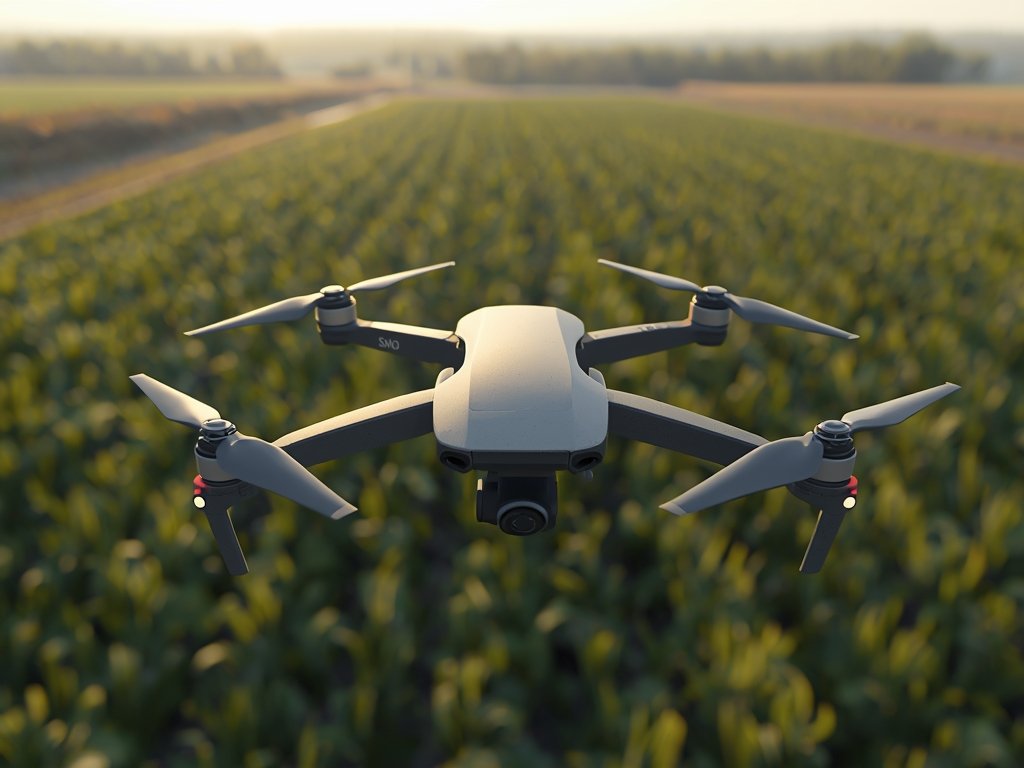
Agricultural drones are built to withstand harsh environments. They feature robust designs with reinforced frames and weather-resistant materials. Most models have foldable arms for easy transportation and compact storage, making them ideal for field operations. Key Design Features Modular Design: Allows for easy replacement of parts and customization. Lightweight Materials:...
Camera Quality and Sensors
Camera quality is crucial for precision crop mapping. Agricultural drones are equipped with advanced sensors that capture data beyond the visible spectrum. Multispectral and hyperspectral cameras provide insights into crop health, soil conditions, and water usage, enabling farmers to take proactive measures. Sensor Types and Applications Multispectral Cameras: Capture data...
Flight Time and Performance
Flight time is a critical factor in agricultural drone operations. Longer flight times mean more area can be covered in a single mission. Modern drones are equipped with high-capacity batteries and efficient propulsion systems, enabling flight times of up to 30 minutes or more. Factors Affecting Flight Performance Battery Capacity:...
Regulations and Safety
Operating agricultural drones requires adherence to strict regulations. In the United States, pilots must obtain FAA Part 107 certification. Safety is paramount, and pilots must follow guidelines for flight planning, weather conditions, and emergency procedures. Key Regulations and Safety Tips FAA Part 107: Covers commercial drone operations, including weight limits...
Applications in Precision Agriculture
Precision agriculture relies on accurate data collection and analysis. Drones provide real-time insights into crop health, soil conditions, and irrigation needs. By integrating drone data with farm management software, farmers can optimize resource use, reduce costs, and increase yields. Benefits of Drone Technology Crop Health Monitoring: Early detection of diseases...
Conclusion and Future Outlook
Agricultural drones are transforming the farming industry with their precision and efficiency. As technology continues to evolve, we can expect even more advanced features and applications. From improved sensors to autonomous flight capabilities, the future of agricultural drones is bright, promising greater sustainability and productivity for farmers worldwide.
FAQ
What is the maximum flight time of agricultural drones? Most agricultural drones offer flight times ranging from 20 to 30 minutes, depending on payload and weather conditions. Do I need a license to operate agricultural drones? Yes, in the United States, you must obtain FAA Part 107 certification to operate...