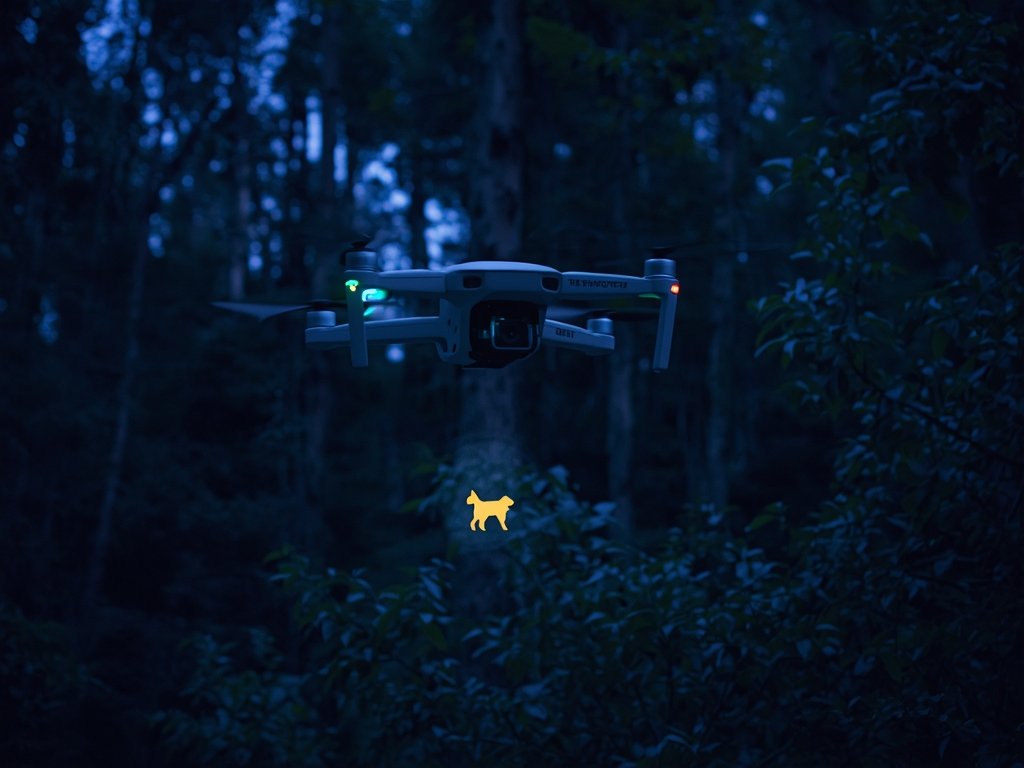
Thermal Drone Pet Rescue: Save Lives with Advanced UAV Tech
Introduction to Thermal Drone Pet Search and Rescue
Thermal drones are revolutionizing pet search and rescue operations. These advanced UAVs use infrared technology to detect heat signatures, making it easier to locate lost animals in challenging environments.
How Thermal Drones Work
Thermal drones operate by capturing infrared radiation emitted by objects. The camera translates this data into a visible image, highlighting temperature differences. This technology is crucial for detecting pets in low-visibility conditions. Key Components of Thermal Drones Thermal Camera: Captures heat signatures. GPS System: Ensures precise navigation. Long-Range Transmission: Allows...
Design and Build Quality
Modern thermal drones are built for durability and performance. Their lightweight yet robust frames can withstand harsh weather conditions, ensuring reliability during critical missions. Ergonomics and Portability Many thermal drones are designed with portability in mind. Foldable arms and compact sizes make them easy to transport, which is essential for...
Camera Quality and Performance
The camera is the heart of any thermal drone. High-resolution thermal sensors can detect minute temperature differences, improving the chances of locating a lost pet. Some models also offer dual cameras for both visual and thermal imaging. Resolution and Frame Rate Look for drones with at least 640x480 thermal resolution...
Flight Time and Battery Life
Flight time is critical for search and rescue operations. Most thermal drones offer 20-30 minutes of flight time per battery, though some advanced models can reach up to 45 minutes. Carrying extra batteries is essential for extended missions. Battery Technology and Charging Lithium-polymer (LiPo) batteries are standard due to their...
Regulations and Safety
Operating a thermal drone for pet search and rescue requires compliance with FAA Part 107 regulations. Pilots must be certified and follow guidelines for flight altitude, speed, and no-fly zones. Best Practices for Safe Operations Always conduct a pre-flight checklist. Maintain visual line-of-sight (VLOS) during operations. Respect privacy laws and...
Real-World Applications
Thermal drones have proven invaluable in various scenarios, from locating pets in dense forests to rescuing animals in disaster zones. Their ability to operate in low-light and adverse weather conditions makes them indispensable tools. Case Studies In one instance, a thermal drone located a missing dog trapped in a storm...
Conclusion: The Future of Pet Search and Rescue
Thermal drones are transforming pet search and rescue operations, offering speed, precision, and efficiency. As technology advances, these drones will become even more accessible and effective, saving countless lives.
FAQ
What is the range of a thermal drone? Most thermal drones have a range of 1-5 miles, depending on the model and environmental conditions. Can thermal drones operate in rain or snow? Yes, many thermal drones are weather-resistant and can operate in light rain or snow, though extreme conditions may...