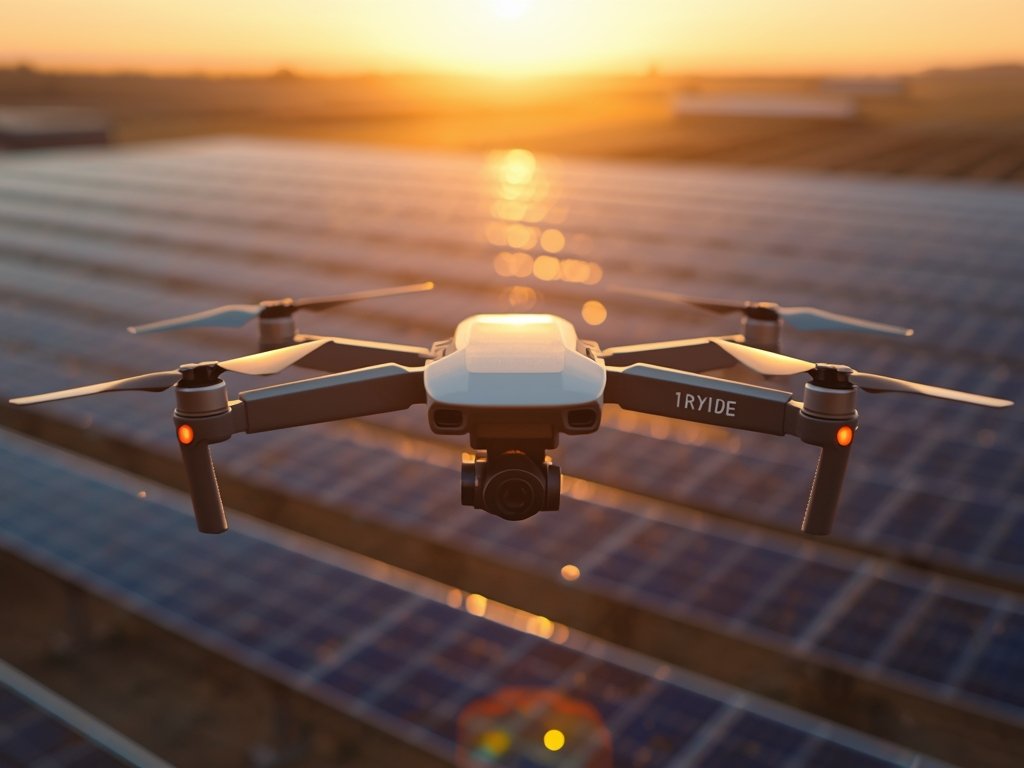
Commercial Drone Inspection Guide for Solar & Wind Energy
Introduction to Commercial Drone Inspections
Commercial drone inspections are revolutionizing renewable energy maintenance. Drones offer unparalleled efficiency, safety, and data accuracy for inspecting solar panels and wind turbines. As an FAA Part 107 certified pilot, I’ve seen firsthand how drones transform inspections, reducing costs and downtime while enhancing precision.
Why Drones Are Essential for Renewable Energy Inspections
Traditional inspection methods are time-consuming, costly, and risky. Drones provide a safer, faster alternative, especially for hard-to-reach areas like turbine blades or rooftop solar panels. High-resolution cameras, thermal sensors, and LiDAR technology enable drones to detect defects invisible to the naked eye, ensuring optimal performance of renewable assets.
Key Drone Features for Solar Panel Inspections
Camera Quality A 4K camera with optical zoom is essential for capturing detailed images of solar panels. Look for drones with 20MP sensors and RAW format support for post-processing. Thermal imaging cameras detect hotspots caused by faulty cells, a common issue in solar arrays. Drones like the DJI Mavic 3T...
Drone Specifications for Wind Turbine Inspections
Flight Time and Range Wind turbine inspections demand drones with extended flight times (30+ minutes) and long-range capabilities. The DJI Matrice 300 RTK is a top choice for its endurance. High-wind resistance is crucial for stable flights near turbines. Drones with robust frames and advanced flight controllers handle gusts effectively....
Regulations and Safety Protocols
FAA Part 107 regulations govern commercial drone operations. Pilots must obtain waivers for flights beyond visual line of sight (BVLOS) or over people. Safety is paramount. Pre-flight checklists, geofencing, and emergency procedures are mandatory for all inspections. Coordination with air traffic control and site managers ensures compliance and prevents accidents...
Data Analysis and Reporting
Raw drone data is useless without proper analysis. Software like DroneDeploy and Pix4D processes images and generates actionable insights. Automated defect detection algorithms save time by identifying issues like cracked panels or blade erosion. Custom reports help stakeholders make informed decisions.
Choosing the Right Drone for Your Needs
Selecting the right drone depends on your inspection requirements. Compact drones like the DJI Mini 3 Pro are ideal for small solar installations, while industrial-grade models suit large wind farms. Consider factors like budget, payload needs, and ease of use. Renting drones for specific projects can be cost-effective for occasional...
Conclusion: The Future of Drone Inspections
Drones are reshaping renewable energy inspections, offering efficiency, safety, and precision. As technology advances, expect more autonomous solutions and AI-driven analytics. Investing in drone inspections today ensures your renewable assets operate at peak performance, maximizing ROI and sustainability.
FAQ
What is the best drone for solar panel inspections? The DJI Mavic 3T is highly recommended for its thermal imaging and high-resolution camera, ideal for detecting defects in solar panels. How long does a drone inspection of a wind turbine take? A single turbine inspection typically takes 15-30 minutes, depending...