BVLOS Cargo Drones: Revolutionizing Urban Logistics and Delivery
The Rise of BVLOS Cargo Drones
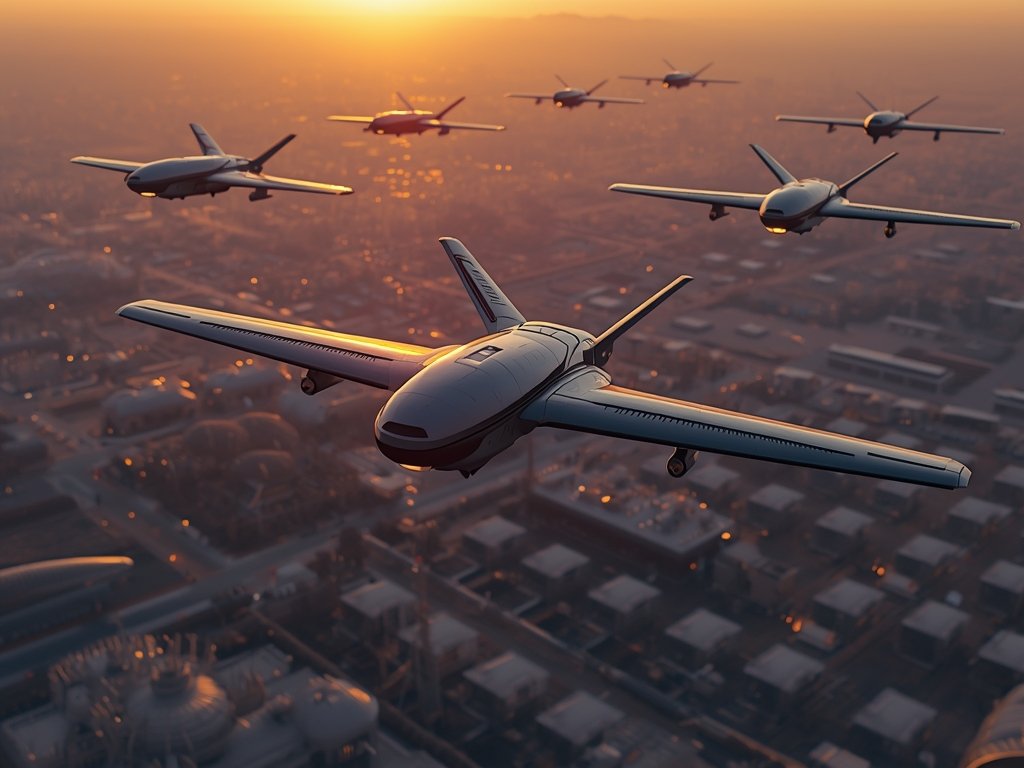
The logistics industry is on the cusp of a revolution. Beyond Visual Line of Sight (BVLOS) cargo drones are set to redefine how goods are transported, especially in urban environments.
Design and Payload Capacity
Modern cargo drones feature modular designs, allowing for quick payload swaps. The average payload capacity ranges from 5 to 50 kg, depending on the model. Aerodynamic Efficiency Advanced aerodynamics minimize drag, enabling longer flight times. Hybrid designs combining fixed-wing and multicopter capabilities are becoming the norm.
Flight Performance and Range
BVLOS drones boast impressive flight ranges, typically between 50 to 150 kilometers on a single charge. Some models can reach speeds of up to 100 km/h. Battery Technology Lithium-ion and solid-state batteries dominate the market, offering high energy density and rapid charging capabilities. Swappable battery systems are also gaining traction.
Regulations and Safety Protocols
FAA Part 107 regulations are evolving to accommodate BVLOS operations. Key requirements include remote ID, geofencing, and detect-and-avoid systems. Redundancy and Fail-Safes Redundant propulsion systems, parachutes, and autonomous return-to-home features ensure safety in case of failures. Real-time monitoring is mandatory for all BVLOS flights.
Urban Delivery Challenges
Urban environments pose unique challenges, including airspace congestion, weather variability, and public safety concerns. Precise navigation systems are critical. Public Perception Noise pollution and privacy concerns remain significant hurdles. Manufacturers are addressing these issues through quieter propellers and encrypted data transmission.
Economic and Environmental Impact
BVLOS drones promise to reduce delivery times and costs significantly. They also offer a greener alternative to traditional delivery methods, cutting carbon emissions. Job Displacement Concerns While automation may reduce the need for certain roles, it also creates new opportunities in drone maintenance, fleet management, and software development.
The Role of AI and Autonomy
Artificial intelligence is at the core of BVLOS operations, enabling autonomous navigation, obstacle avoidance, and real-time decision-making. Machine Learning Applications Machine learning algorithms optimize flight routes, predict maintenance needs, and enhance safety protocols. Continuous learning ensures adaptability to new environments.
Case Studies and Real-World Applications
Companies like Zipline and Wing are already deploying BVLOS drones for medical and retail deliveries. These case studies highlight the technology's potential and limitations. Lessons Learned Early adopters have identified key challenges, including regulatory hurdles, public acceptance, and technical reliability. These insights are shaping the industry's future.
FAQ
What is BVLOS? BVLOS stands for Beyond Visual Line of Sight, referring to drone operations where the pilot cannot see the aircraft with the naked eye. How do cargo drones handle bad weather? Most cargo drones are equipped with weather-resistant designs and advanced sensors to navigate through rain, wind, and...