
The Sky’s Not the Limit: Why the US-China Drone Ban Still Matters in 2026
It’s been three years since the US government implemented a near-total ban on Chinese drone brands, citing national security concerns. In 2026, as the dust settles, it’s worth revisiting why this decision still holds significant weight for American consumers, businesses, and the economy as a whole. The implications of this ban extend far beyond the drone industry, touching on issues of privacy, innovation, and global competition.
A Brief History of the Ban: How We Got Here

The US government’s decision to ban Chinese drone brands wasn’t made overnight. It was the culmination of years of growing concerns over cybersecurity, data privacy, and intellectual property theft. Chinese drone manufacturers, particularly DJI, had dominated the global market, but their close ties to the Chinese government raised red flags.
In 2020, the Department of Homeland Security issued a warning about the potential risks associated with using Chinese-made drones. This was followed by a series of legislative actions, including the 2021 National Defense Authorization Act, which prohibited federal agencies from purchasing or using drones manufactured by companies linked to the Chinese government.
The Economic Impact: Winners and Losers in the Drone Industry
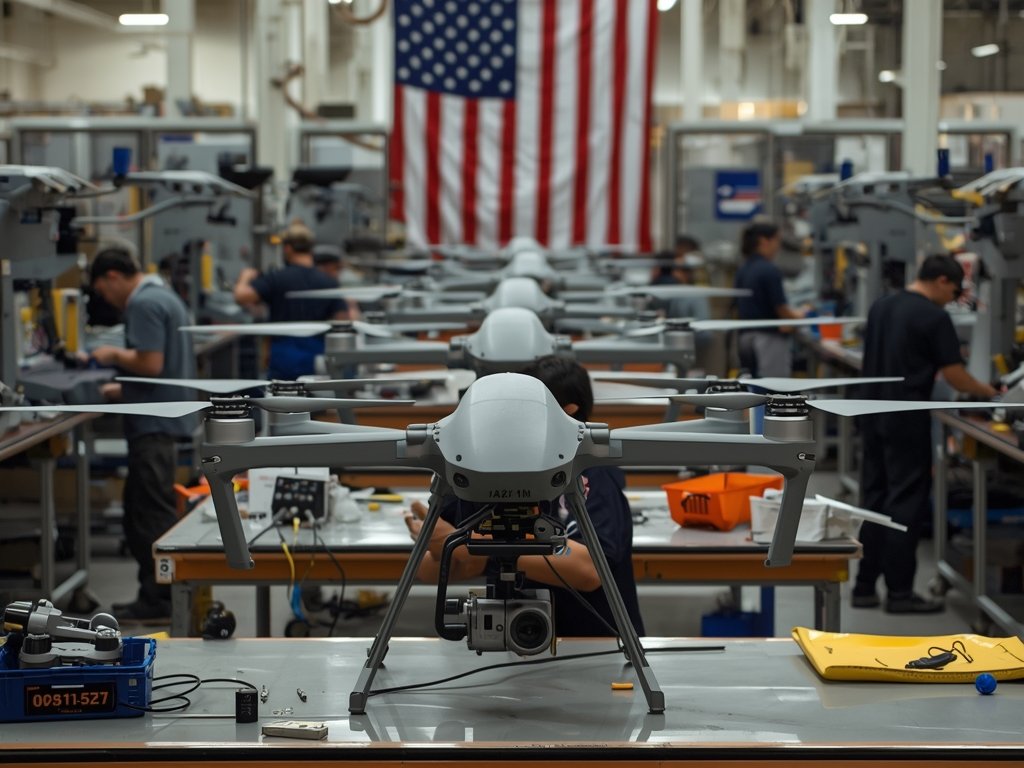
Domestic Drone Manufacturers: A New Era of Opportunity
The ban on Chinese drone brands has created a significant opportunity for domestic drone manufacturers. Companies like Skydio, Parrot, and Autel have seen a surge in demand for their products, as American consumers and businesses seek alternatives to Chinese-made drones.
This shift has also spurred innovation, with US-based companies investing heavily in research and development to improve drone technology, enhance cybersecurity features, and expand into new markets.
Chinese Drone Brands: Adapting to a New Reality
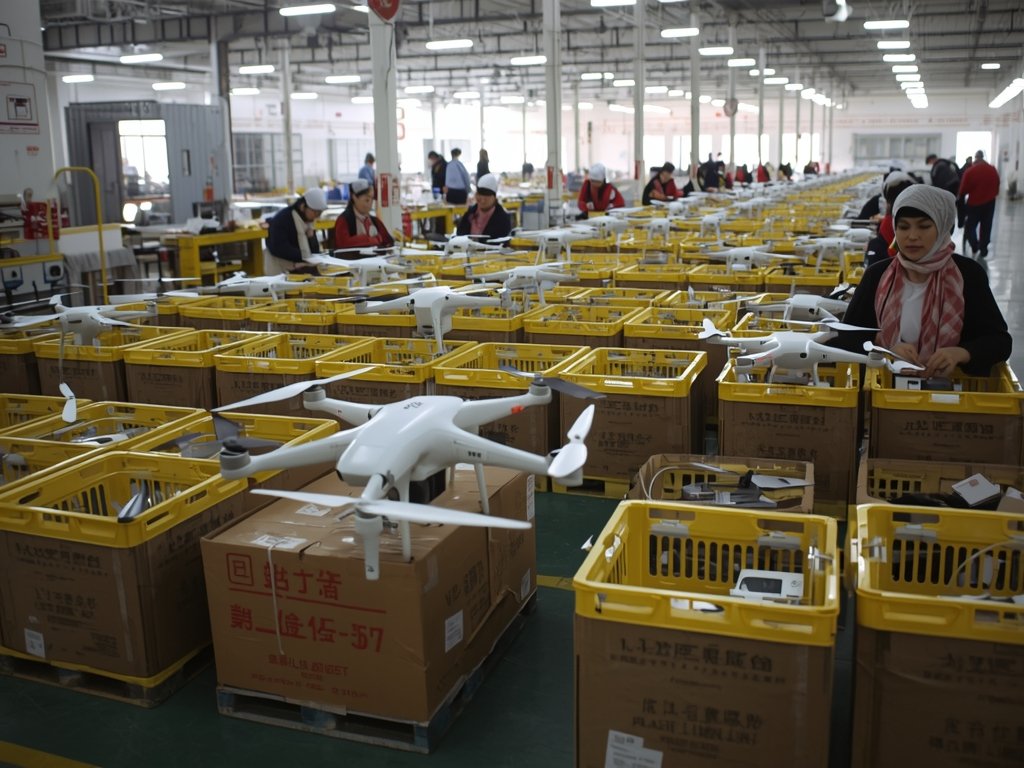
For Chinese drone manufacturers, the US ban has been a major setback. DJI, which once dominated the global market, has seen its market share erode in the United States. However, these companies have not been idle, exploring new markets, such as Europe and Asia, and developing new products to diversify their revenue streams.
Some Chinese brands have also attempted to circumvent the ban by setting up manufacturing facilities in other countries or partnering with local companies to produce drones that comply with US regulations. Nevertheless, the damage to their reputation and market position in the United States may be difficult to reverse.
National Security Concerns: Protecting American Skies
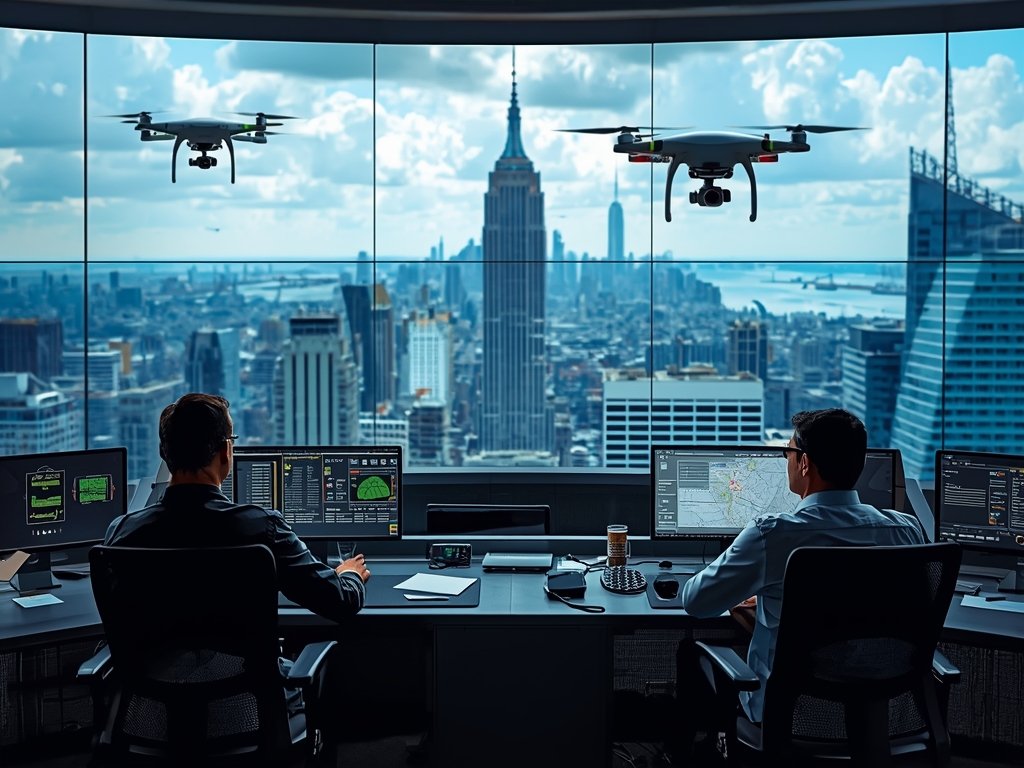
Cybersecurity Risks: A Persistent Threat
The primary rationale behind the US ban on Chinese drone brands was the perceived cybersecurity risks associated with these devices. Concerns over data privacy, intellectual property theft, and potential espionage have driven the government’s decision to restrict the use of Chinese-made drones.
While these risks may seem abstract, they have real-world implications. For instance, drones equipped with high-resolution cameras and advanced sensors could be used to gather sensitive information about critical infrastructure, military installations, or government facilities.
Protecting Critical Infrastructure: A Top Priority
The protection of critical infrastructure, such as power plants, water treatment facilities, and transportation hubs, is a top priority for the US government. Drones can play a crucial role in inspecting and maintaining these facilities, but they also pose a significant risk if they fall into the wrong hands.
By banning Chinese drone brands, the US government aims to mitigate the risk of cyberattacks, data breaches, and other security threats that could compromise the integrity of critical infrastructure. This, in turn, helps to ensure the safety, security, and resilience of American communities.
Consumer Implications: What It Means for You

Drone Prices and Availability: A Shifting Landscape
The ban on Chinese drone brands has had a noticeable impact on the consumer drone market. While domestic manufacturers have stepped up to fill the void, prices for drones have generally increased, and the availability of certain features and models has become more limited.
However, this shift has also created opportunities for consumers to support American-made products and invest in drones that prioritize cybersecurity, data privacy, and compliance with US regulations. As the market continues to evolve, consumers can expect to see a wider range of options, competitive pricing, and innovative features from domestic drone manufacturers.
Recreational Drone Use: Navigating the New Rules
For recreational drone users, the ban on Chinese drone brands may seem like a minor inconvenience. However, it’s essential to understand the broader implications of this decision and the importance of complying with US regulations.
Recreational drone users should familiarize themselves with the Federal Aviation Administration’s (FAA) rules and guidelines, including registration requirements, flight restrictions, and safety protocols. By doing so, they can help ensure the safe and responsible use of drones in American skies.
The Future of Drones in America: Opportunities and Challenges

Emerging Trends: What’s Next for the Drone Industry
As we look to the future, the drone industry is poised for significant growth and innovation. Emerging trends, such as autonomous drones, swarm technology, and beyond-visual-line-of-sight (BVLOS) operations, are expected to transform the way we use drones in various sectors, including agriculture, construction, and emergency services.
The US ban on Chinese drone brands has created a unique opportunity for domestic manufacturers to lead the way in developing and commercializing these cutting-edge technologies. By investing in research, development, and workforce training, American companies can position themselves at the forefront of the global drone industry.
Global Competition: Staying Ahead of the Curve
While the US ban on Chinese drone brands has created opportunities for domestic manufacturers, it’s essential to recognize that global competition remains fierce. Countries like China, Israel, and France continue to invest heavily in drone technology, and their manufacturers are constantly pushing the boundaries of innovation.
To stay ahead of the curve, the United States must prioritize funding for research and development, streamline regulatory processes, and foster public-private partnerships. By doing so, we can ensure that American drone manufacturers remain competitive, innovative, and secure in an increasingly complex global landscape.
FAQ
What is the primary reason for the US ban on Chinese drone brands?
The primary reason for the US ban on Chinese drone brands is national security concerns, particularly regarding cybersecurity risks, data privacy, and potential espionage associated with these devices.
How has the ban affected the consumer drone market in the United States?
The ban has led to increased prices and limited availability of certain drone models and features. However, it has also created opportunities for domestic manufacturers to innovate and compete, offering consumers more secure and compliant alternatives.
Can I still use my Chinese-made drone in the United States?
While the ban primarily targets federal agencies and certain industries, recreational users should be aware of the risks associated with Chinese-made drones and consider transitioning to a US-made or compliant alternative.
What is the future of the drone industry in the United States?
The future of the drone industry in the United States is bright, with emerging trends like autonomous drones, swarm technology, and BVLOS operations expected to drive growth and innovation. Domestic manufacturers are well-positioned to lead the way, provided they receive adequate support and investment.
How can I ensure that my drone use complies with US regulations?
To ensure compliance with US regulations, familiarize yourself with the FAA’s rules and guidelines, including registration requirements, flight restrictions, and safety protocols. Additionally, consider purchasing a drone from a reputable domestic manufacturer that prioritizes cybersecurity and data privacy.
Join Our Pilot Community
Connect with fellow drone enthusiasts, share your aerial shots, and get access to free PDF ebook guides.