
The High-Tech Harvest: How Drones Are Revolutionizing American Farms
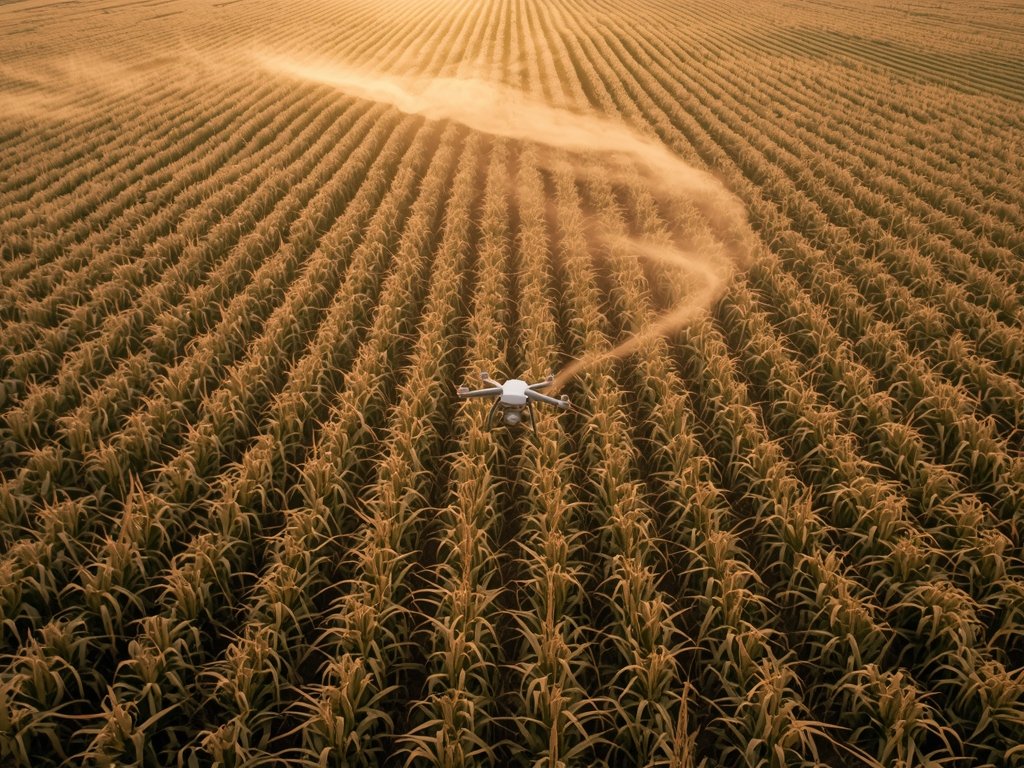
American agriculture is undergoing a quiet revolution, and it’s happening high above the fields. Spraying drones, once a futuristic concept, are now a game-changer for farmers across the country. These aerial workhorses are saving time, resources, and crops, all while tackling some of the biggest challenges in modern farming.
The Costly Crop Conundrum: Why Traditional Spraying Falls Short
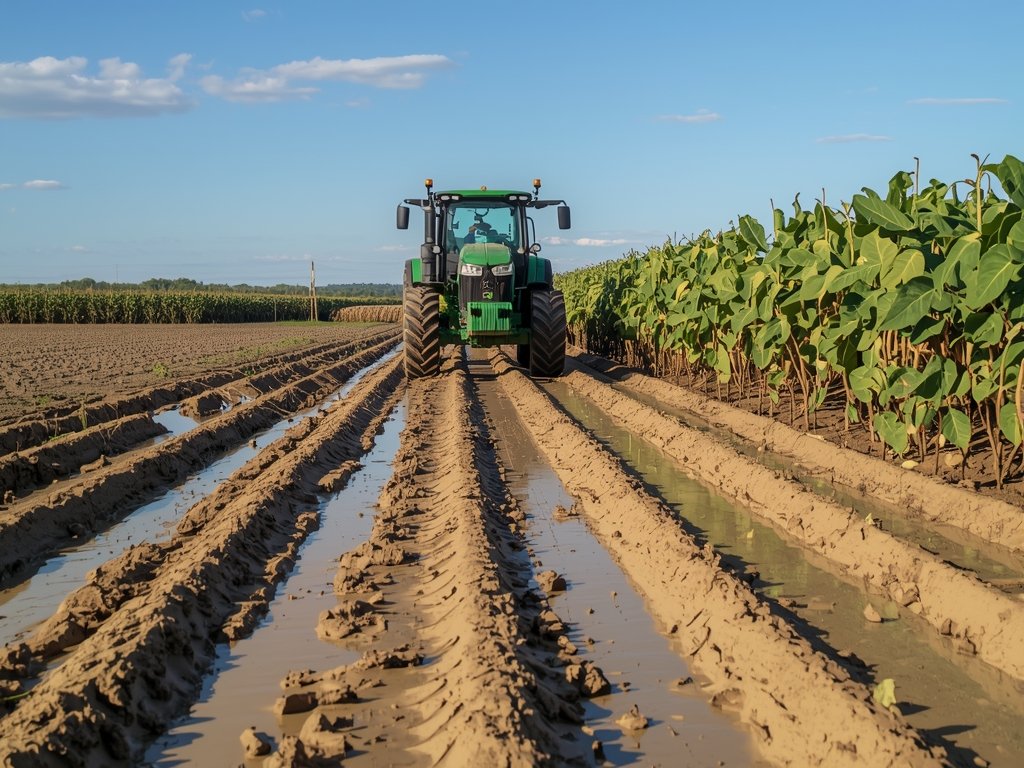
For generations, farmers have relied on tractors and backpack sprayers to protect their crops from pests and diseases. But these methods come with a hefty price tag. Tractors compact soil, reducing its fertility over time, while manual spraying is labor-intensive and inconsistent.
Take the Smith family farm in Iowa, for example. They’ve been battling Japanese beetles in their soybean fields for years. Traditional spraying methods meant hiring extra hands and spending hours navigating the uneven terrain. The result? High costs and uneven coverage, leaving some areas vulnerable to infestation.
Enter the Drone: Precision Agriculture Takes Flight
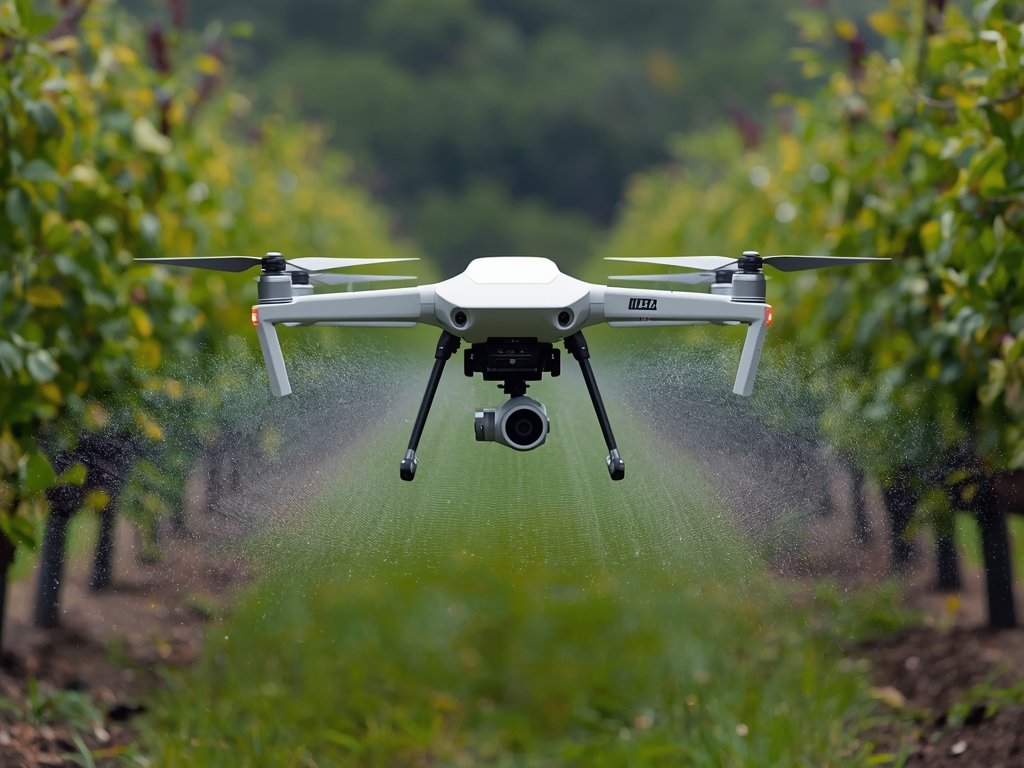
Spraying drones are changing the game by offering precision agriculture at its finest. Equipped with advanced GPS and spraying systems, these drones can target specific areas with pinpoint accuracy, minimizing waste and maximizing effectiveness.
Unlike traditional methods, drones fly above the crops, avoiding soil compaction and reaching areas that tractors and humans can’t. They’re also faster, covering acres in a fraction of the time it would take a ground crew.
How It Works: The Science Behind the Spray
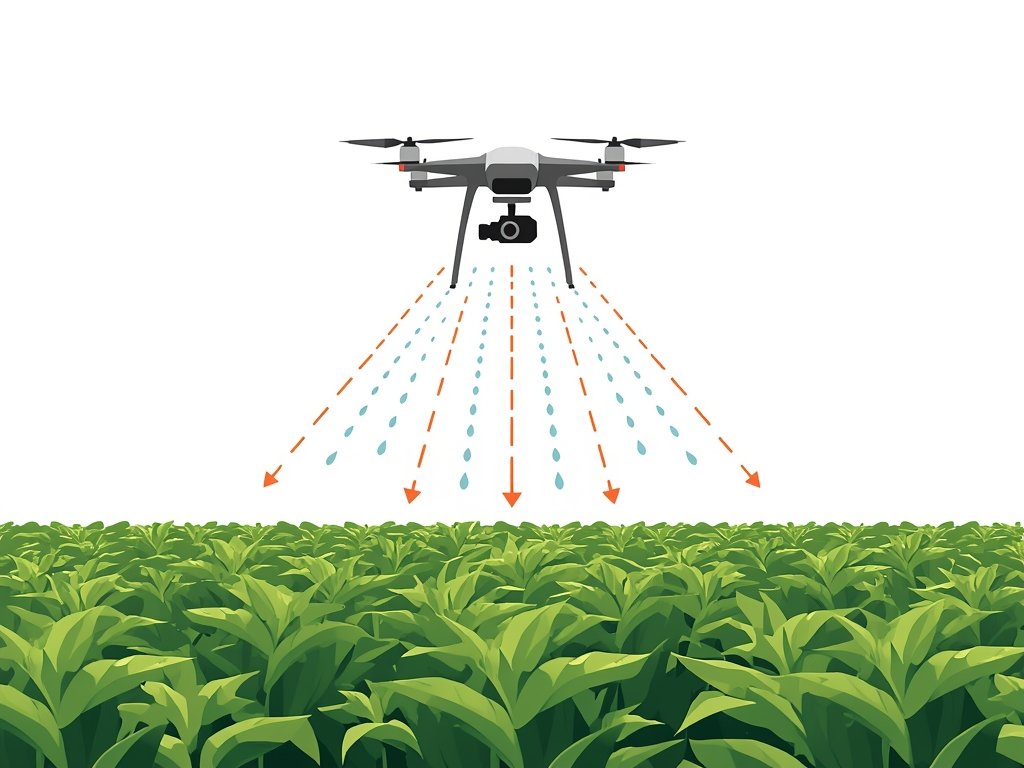
Modern spraying drones use a combination of GPS, sensors, and advanced algorithms to map fields and identify problem areas. Once programmed, they fly autonomously, releasing a fine mist of pesticides or fertilizers exactly where needed.
This precision means less chemical runoff into waterways, a major environmental concern with traditional spraying. It also reduces the amount of product used, saving farmers money while protecting the ecosystem.
Real-World Results: Success Stories from the Heartland
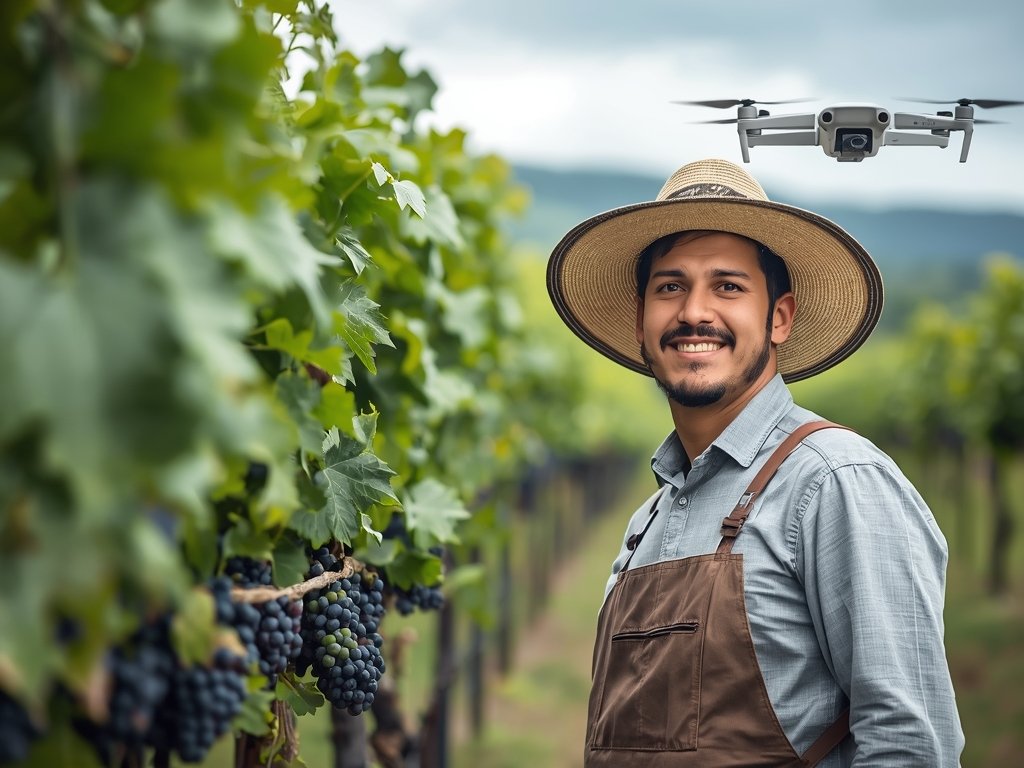
Across the country, farmers are reaping the benefits of spraying drones. In California’s Central Valley, winegrowers are using drones to combat powdery mildew, a common grapevine disease. The result? Healthier vines and higher-quality grapes, all with less labor and lower costs.
Back in the Midwest, corn and soybean farmers are seeing similar success. By targeting pests early and efficiently, they’re reducing crop losses and increasing yields. For many, it’s not just about saving money—it’s about securing their livelihood for future generations.
The Future of Farming: What’s Next for Spraying Drones?
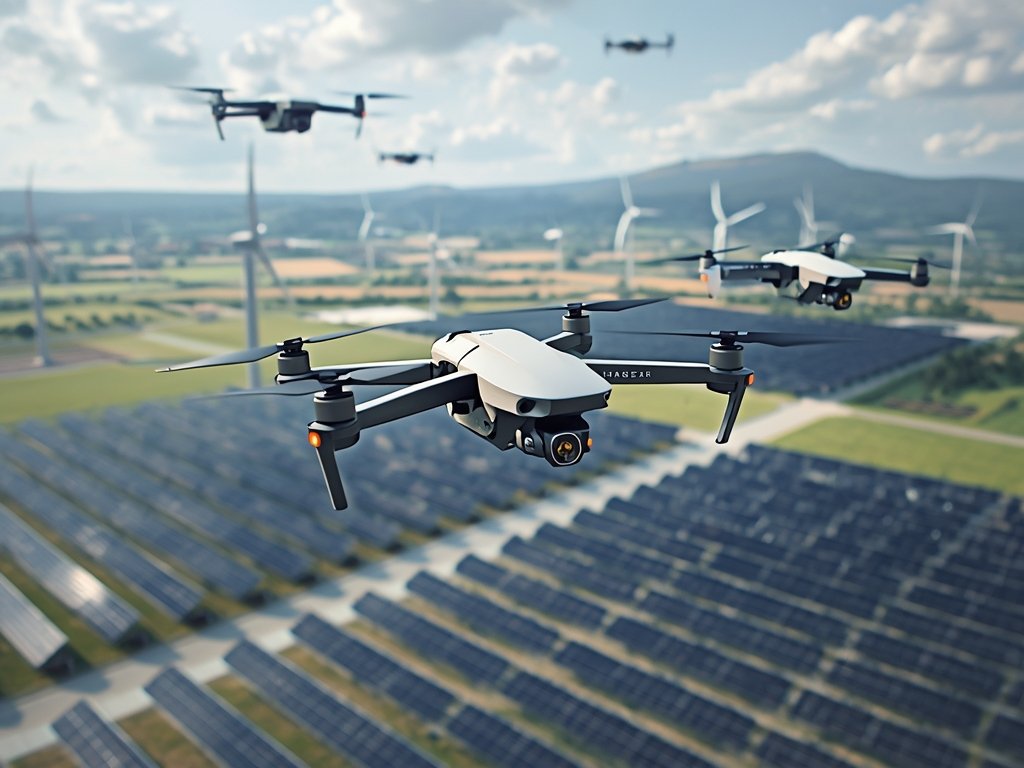
As technology advances, spraying drones are expected to become even more sophisticated. Imagine drones that can detect diseases before symptoms appear or adjust their spraying patterns based on real-time weather data. The possibilities are endless.
For now, though, these aerial helpers are already making a big impact. By reducing costs, increasing efficiency, and promoting sustainability, spraying drones are helping American farmers thrive in an ever-changing world.
FAQ: Your Questions About Spraying Drones Answered
Are spraying drones expensive to operate?
While the initial investment can be high, spraying drones often pay for themselves over time by reducing labor costs and chemical usage. Many farmers also lease drones or hire services, making them accessible to smaller operations.
Can drones spray large fields as effectively as tractors?
Yes, drones are highly efficient and can cover large areas quickly. Their precision also means better coverage, even in hard-to-reach spots, compared to traditional methods.
Are there any environmental concerns with drone spraying?
Drone spraying is actually more environmentally friendly than traditional methods. By targeting specific areas and reducing chemical runoff, drones help protect soil and water quality.
Do I need special training to operate a spraying drone?
Most commercial drones require operators to have a Remote Pilot Certificate from the FAA. However, many drone services handle the operation for you, so you don’t need to become a pilot yourself.
Join Our Pilot Community
Connect with fellow drone enthusiasts, share your aerial shots, and get access to free PDF ebook guides.