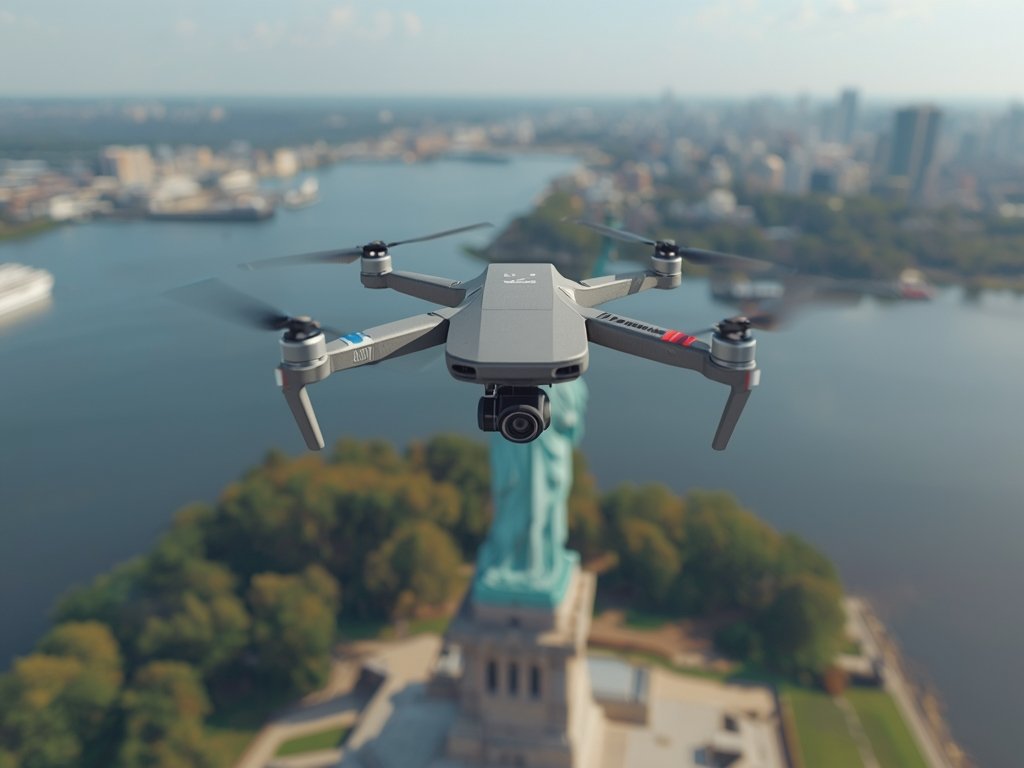

The Sky’s the Limit: How Smart Batteries Are Revolutionizing Drone Safety
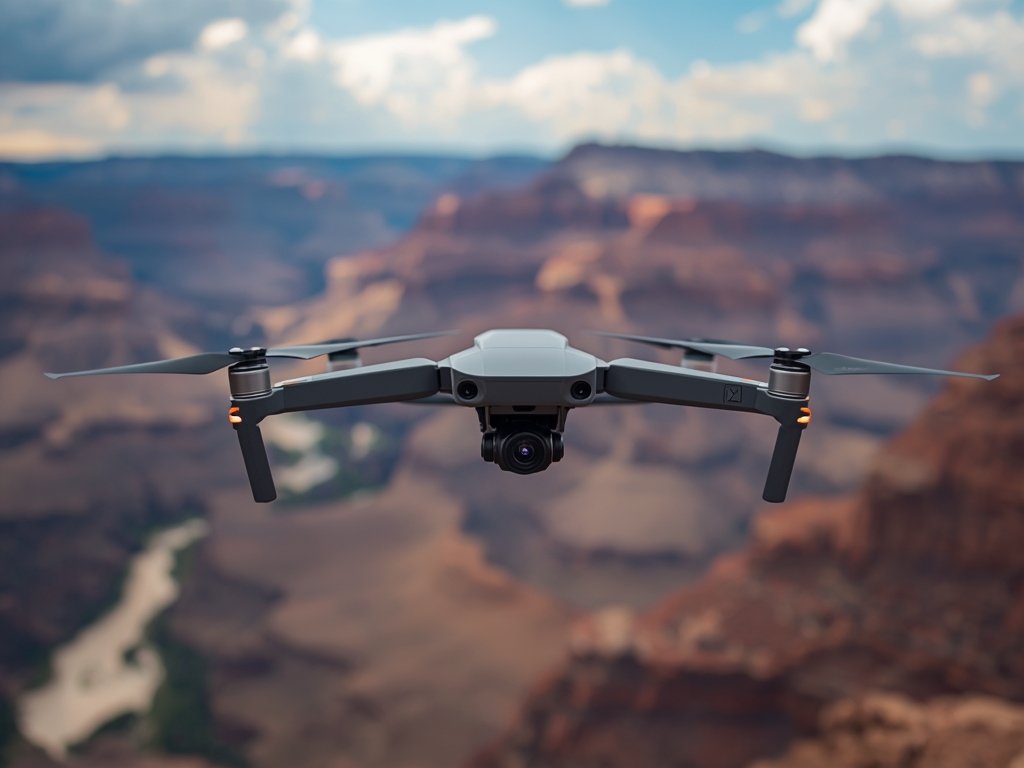
Drone technology has soared to new heights in recent years, with applications ranging from breathtaking aerial photography to critical search and rescue missions. However, as drones become more prevalent in our skies, safety concerns have emerged, particularly regarding battery life and reliability. Enter smart battery technology – a game-changer that’s making drone flights safer and more efficient than ever before.
The Battery Blues: Challenges in Drone Power Management

Traditional drone batteries have long been a source of frustration for pilots. Limited flight times, unpredictable power drainage, and the risk of overheating have all contributed to a sense of unease when taking to the skies. In a country as vast and diverse as the United States, where drones are used for everything from Hollywood film production to monitoring crop health in the Midwest, these challenges can have serious consequences.
Consider the case of a wildfire monitoring drone in California. With lives and property at stake, a sudden battery failure could be catastrophic. Or imagine a drone delivering medical supplies to a remote village in Alaska – a drained battery could mean the difference between life and death.
Smart Batteries to the Rescue: A New Era in Drone Power
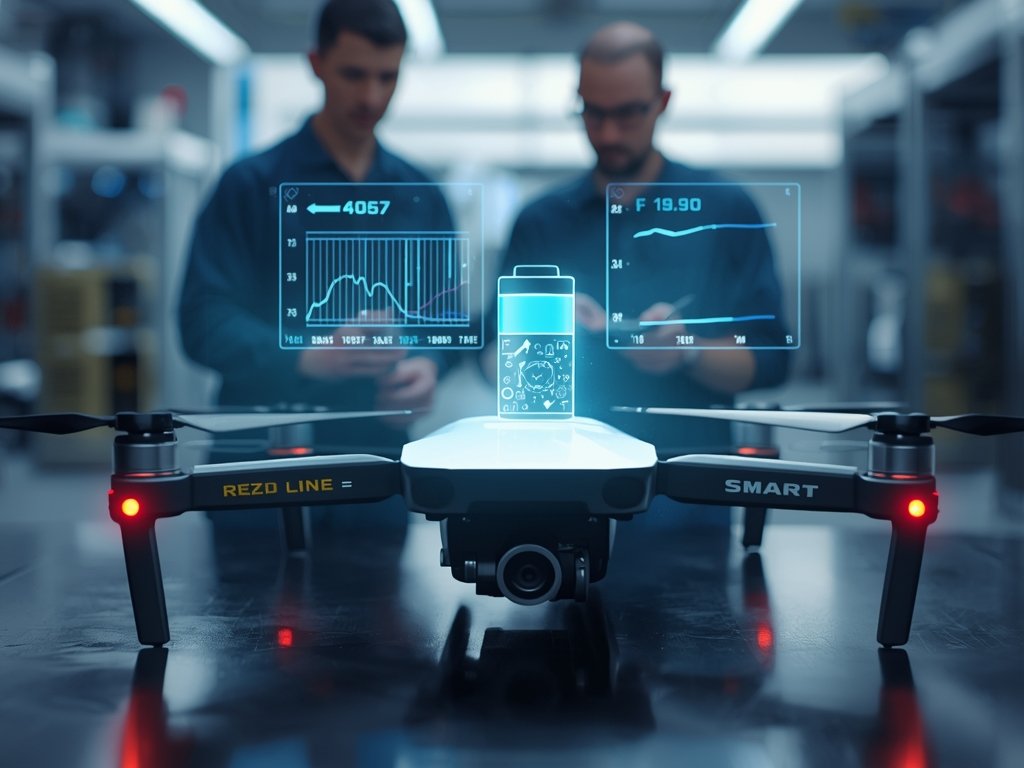
What Makes a Battery “Smart”?
Smart batteries are a cut above their traditional counterparts, thanks to advanced features like:
- Real-time monitoring: Pilots can track battery health, voltage, and temperature during flight.
- Predictive analytics: Algorithms forecast remaining flight time and potential issues, allowing for proactive decision-making.
- Adaptive charging: Smart batteries optimize charging rates to extend lifespan and prevent damage.
The Benefits of Smart Batteries in Action
From the bustling streets of New York City to the serene landscapes of Yellowstone National Park, smart batteries are transforming the way we fly drones. In the US, where drone usage is regulated by the Federal Aviation Administration (FAA), enhanced safety features are a top priority.
Real-World Applications: Smart Batteries in the US

Search and Rescue: Saving Lives with Smart Power
In the aftermath of Hurricane Harvey, drones equipped with smart batteries played a crucial role in search and rescue efforts. With extended flight times and reliable power management, these drones could cover larger areas and provide critical information to first responders.
Infrastructure Inspection: Keeping America’s Backbone Strong
From the Golden Gate Bridge to the Hoover Dam, smart battery-powered drones are inspecting critical infrastructure across the US. By detecting issues early, these drones help prevent costly repairs and ensure public safety.
The Future of Drone Safety: A Sky Full of Possibilities
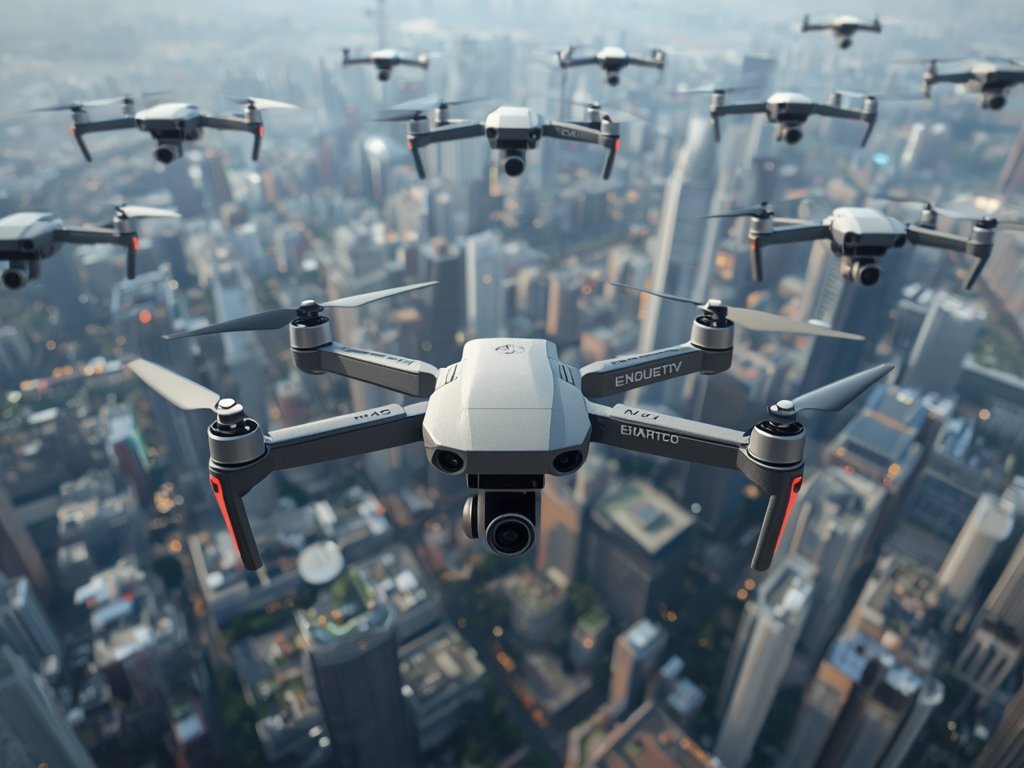
What’s Next for Smart Battery Technology?
As smart battery technology continues to evolve, we can expect even more exciting developments. Imagine drones with batteries that can:
- Self-heal: Repair minor damage autonomously, extending lifespan and reducing waste.
- Communicate with each other: Share power and data, creating a network of interconnected drones.
- Adapt to extreme conditions: Operate in harsh environments, from Arctic tundras to desert landscapes.
With the US drone market projected to reach new heights in the coming years, smart battery technology will play a pivotal role in shaping the future of aerial innovation.
FAQ
How do smart batteries improve drone safety?
Smart batteries enhance drone safety by providing real-time monitoring, predictive analytics, and adaptive charging, which help prevent sudden power failures, overheating, and other issues that can compromise flight stability.
Can smart batteries be used in any type of drone?
While smart batteries are designed to be compatible with a wide range of drones, it’s essential to ensure compatibility with your specific model. Most manufacturers provide guidelines for integrating smart batteries into their drone systems.
How long do smart batteries last compared to traditional batteries?
Smart batteries typically last longer than traditional batteries due to their advanced power management features, which optimize charging rates, prevent overcharging, and extend overall lifespan.
Are smart batteries more expensive than traditional batteries?
Initially, smart batteries may be more expensive than traditional batteries, but their long-term benefits, including extended lifespan, enhanced safety, and improved performance, often outweigh the additional cost.
Join Our Pilot Community
Connect with fellow drone enthusiasts, share your aerial shots, and get access to free PDF ebook guides.