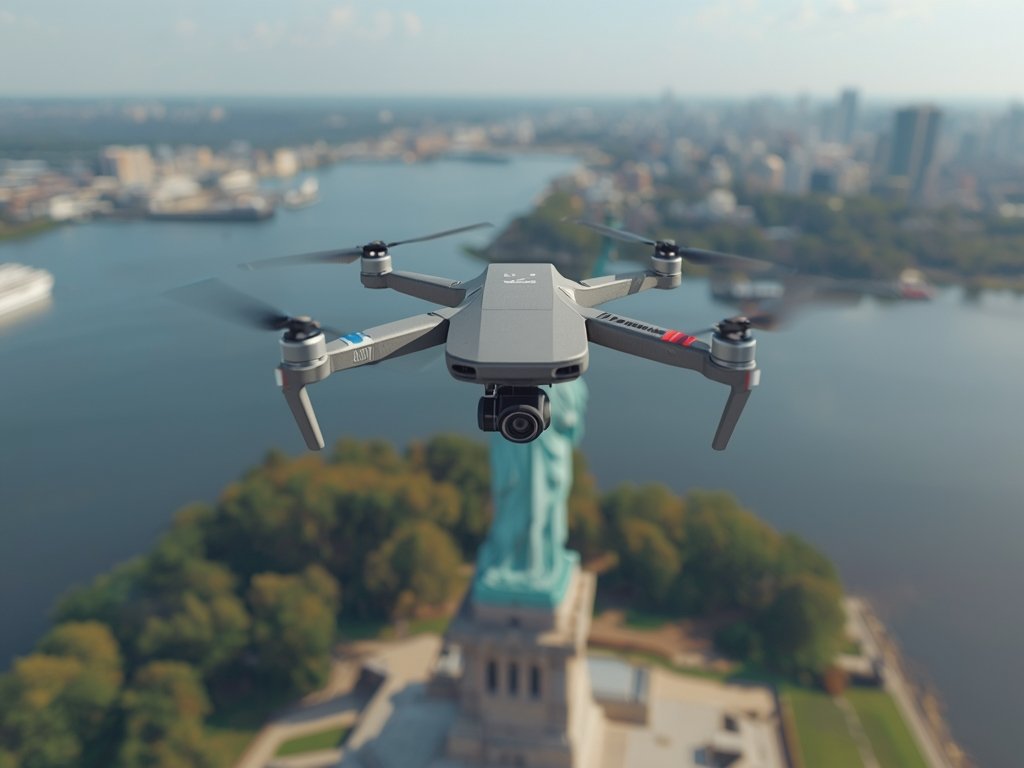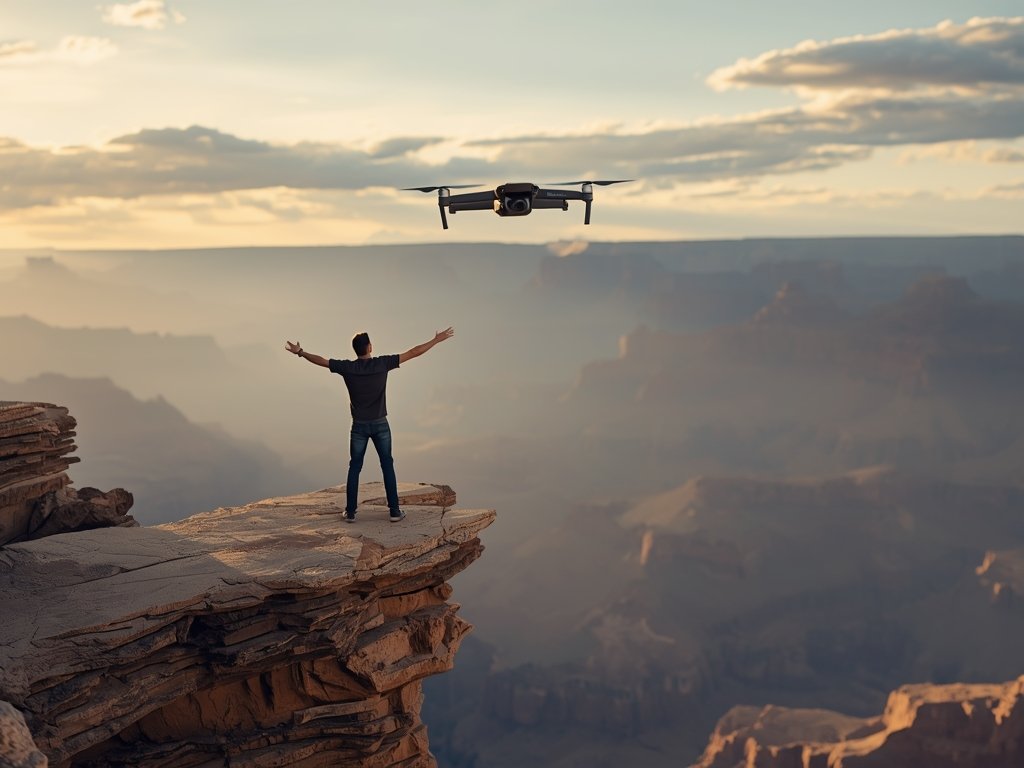

The Rise of Search and Rescue Drones
In the not-so-distant future, the heroes of search and rescue operations will not be humans alone. By 2026, drones will have become indispensable in saving lives across the United States. These unmanned aerial vehicles (UAVs) are revolutionizing how we respond to emergencies, from natural disasters to missing person cases.
Their ability to reach inaccessible areas, provide real-time data, and operate in hazardous conditions makes them a game-changer. As technology advances, these drones are becoming faster, smarter, and more reliable, earning their place as the unsung heroes of modern rescue missions.
Eyes in the Sky: Unmatched Surveillance

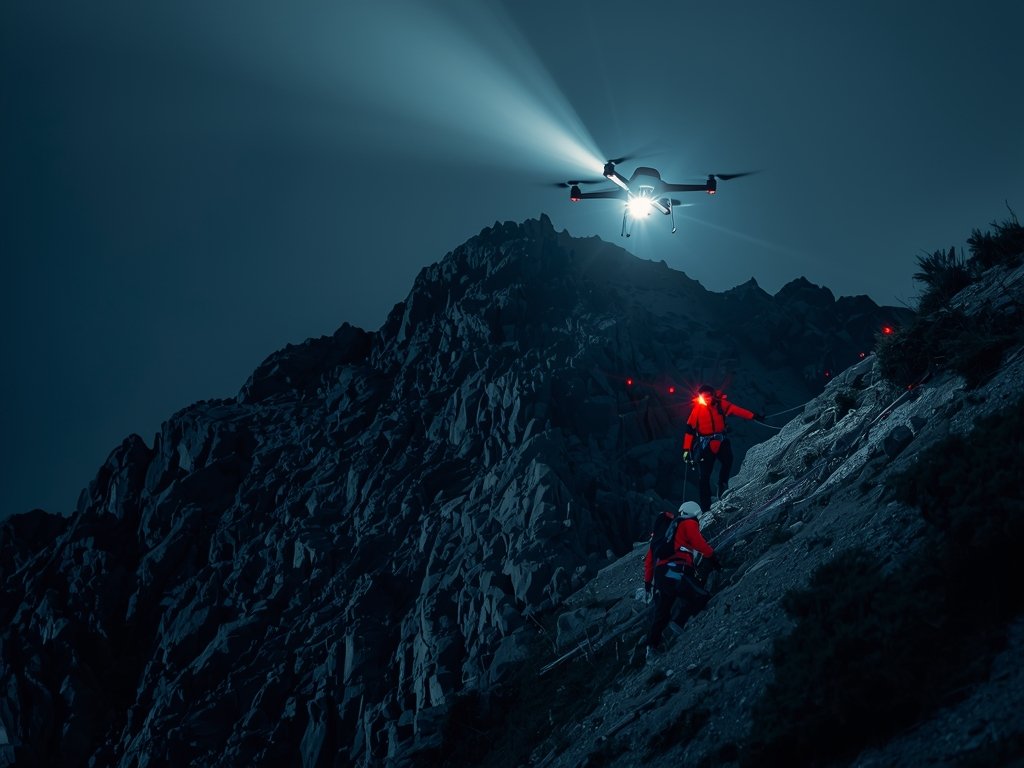
One of the most significant advantages of search and rescue drones is their ability to provide unparalleled surveillance. Equipped with high-resolution cameras, thermal imaging, and night vision, these drones can cover vast areas in minutes, something that would take human teams hours or even days.
In the aftermath of Hurricane Harvey in Texas, drones were deployed to assess flood damage and locate stranded residents. Their aerial perspective allowed rescuers to identify safe routes and prioritize areas in need of immediate assistance. This capability is particularly crucial in the U.S., where natural disasters like wildfires, hurricanes, and floods are increasingly common.
Real-Time Data Saves Lives
The real-time data provided by drones is a lifesaver. During a wildfire in California, drones equipped with thermal cameras detected hotspots that were invisible to the naked eye, helping firefighters contain the blaze before it spread further. This immediate feedback enables rescue teams to make informed decisions quickly, often making the difference between life and death.
Reaching the Unreachable
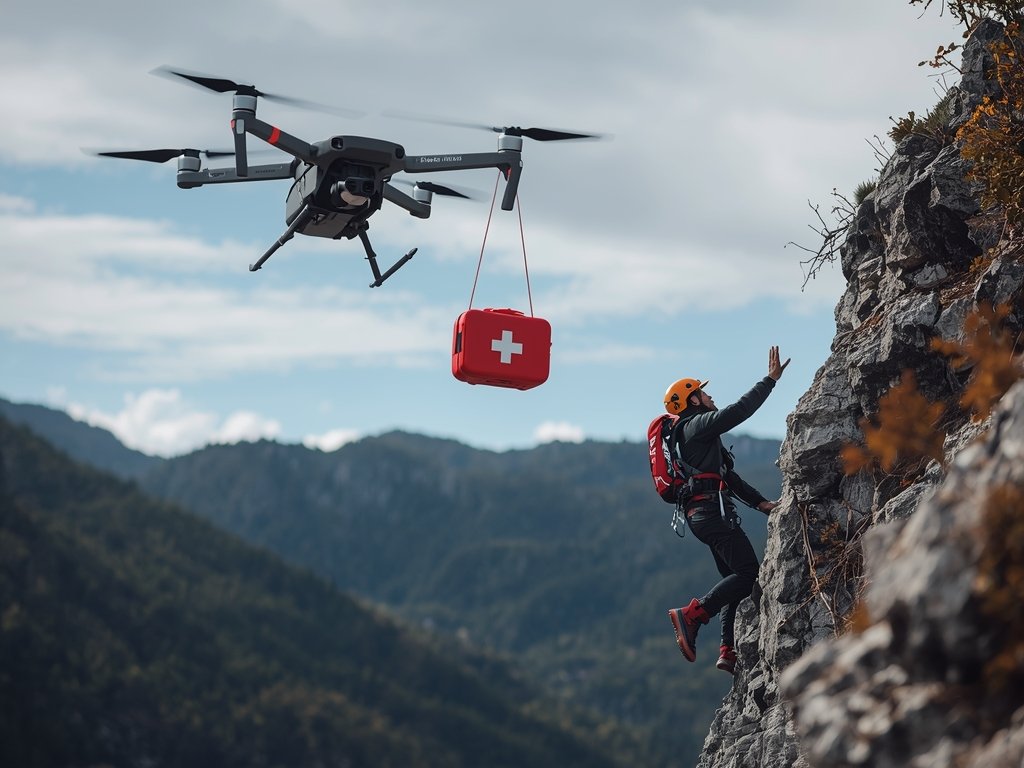
Search and rescue drones excel in reaching areas that are too dangerous or inaccessible for humans. Whether it’s a steep mountain cliff, a collapsed building, or a flood-ravaged neighborhood, these drones can navigate treacherous terrain with ease. Their compact size and maneuverability make them ideal for tight spaces where traditional rescue methods fall short.
In 2024, a drone successfully delivered a life jacket to a man trapped on a flooded roof in Louisiana, buying him precious time until a rescue boat arrived. This kind of precision and speed is transforming emergency response across the country.
Delivering Critical Supplies
Beyond surveillance, drones are being used to deliver essential supplies like food, water, and medical kits to those in need. In remote areas of Alaska, drones have been deployed to transport emergency medication to isolated communities, showcasing their versatility in both urban and rural settings.
A Cost-Effective Solution
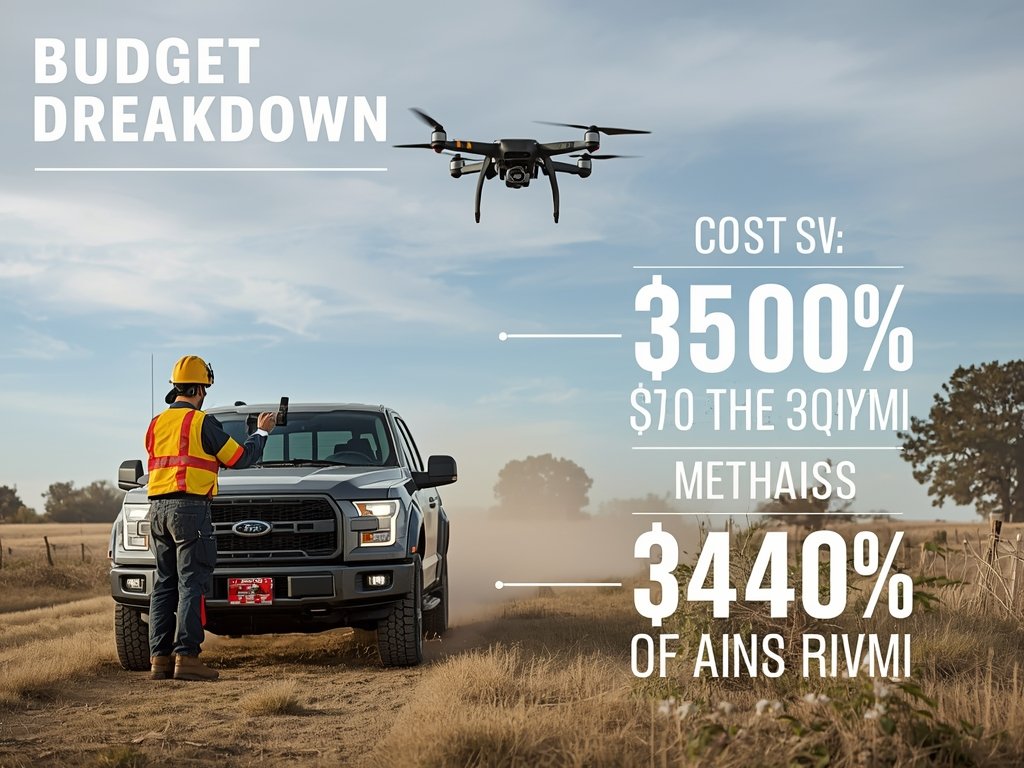
While the initial investment in search and rescue drones may seem high, they are a cost-effective solution in the long run. Traditional rescue operations often require helicopters, large teams, and specialized equipment, which can be expensive and time-consuming to mobilize. Drones, on the other hand, are relatively inexpensive to operate and maintain, making them a practical choice for cash-strapped emergency services.
In states like Montana and Wyoming, where vast rural areas pose logistical challenges, drones have significantly reduced the cost and time of search operations. Their efficiency is not just saving money—it’s saving lives.
Reducing Risk to Human Rescuers
Another often overlooked benefit is the reduced risk to human rescuers. By sending drones into hazardous situations, such as unstable structures or toxic environments, we minimize the danger to first responders. This allows rescue teams to focus on safe extraction and recovery, knowing that drones have already assessed the situation.
Public Perception and Acceptance

As drones become more integrated into search and rescue operations, public perception is shifting. Initially met with skepticism, these devices are now widely accepted as vital tools in emergency response. Communities across the U.S. are beginning to see the value of drones, especially in regions prone to natural disasters.
In Florida, local governments have launched awareness campaigns to educate residents about the role of drones in hurricane preparedness and response. This transparency has fostered trust and cooperation, ensuring smoother operations when disasters strike.
Ethical Considerations
Despite their benefits, the use of drones raises ethical questions, particularly regarding privacy. To address these concerns, many states have implemented strict regulations governing drone usage in search and rescue operations. These rules ensure that drones are used responsibly, respecting individual privacy while fulfilling their life-saving mission.
The Future of Search and Rescue

By 2026, search and rescue drones will be even more advanced, with improved battery life, enhanced AI capabilities, and greater payload capacity. We can expect to see drones working in swarms, coordinating their efforts to cover larger areas and tackle more complex missions. Innovations like autonomous navigation and real-time data analysis will further cement their role as indispensable tools in emergency response.
As the U.S. continues to face the challenges of climate change and urbanization, the importance of these drones cannot be overstated. They are not just tools—they are the heroes of tomorrow, ready to save lives and protect communities across the nation.
FAQ
How do search and rescue drones work?
Search and rescue drones are equipped with cameras, sensors, and other tools to locate and assist individuals in distress. They can navigate difficult terrain, provide real-time data, and deliver supplies to those in need.
Are search and rescue drones legal in the U.S.?
Yes, search and rescue drones are legal in the U.S., but their use is regulated by the Federal Aviation Administration (FAA) to ensure safety and privacy. Local governments may also have additional guidelines.
How much does a search and rescue drone cost?
The cost of a search and rescue drone varies depending on its features and capabilities, ranging from a few thousand dollars to tens of thousands. However, they are generally more cost-effective than traditional rescue methods.
Can drones replace human rescue teams?
While drones are invaluable tools, they cannot fully replace human rescue teams. Drones assist in locating and assessing situations, but human rescuers are still essential for physical extraction and medical care.
What are the limitations of search and rescue drones?
Search and rescue drones have limitations, including battery life, weather sensitivity, and the need for skilled operators. They are also subject to regulatory restrictions and ethical considerations regarding privacy.
Join Our Pilot Community
Connect with fellow drone enthusiasts, share your aerial shots, and get access to free PDF ebook guides.