
Eyes in the Sky: A Comprehensive Guide to Police Drone Operations
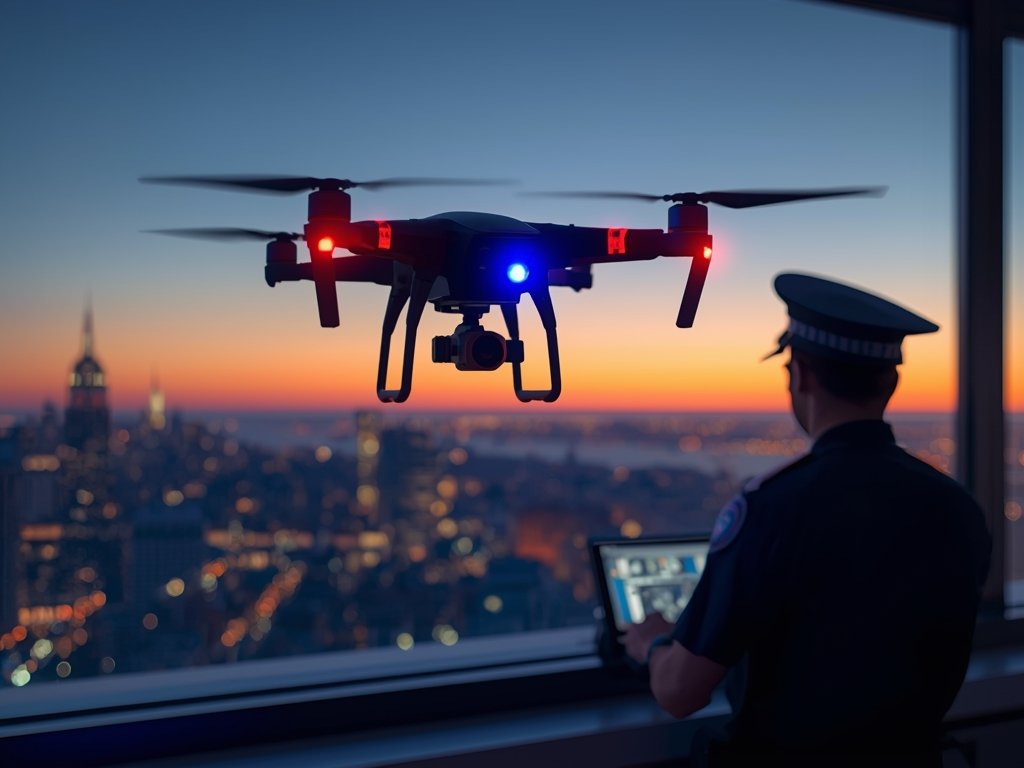
Police departments across the United States are increasingly turning to drones as a valuable tool for law enforcement operations. These unmanned aerial vehicles (UAVs) offer a unique perspective, enhancing situational awareness and improving response times. However, with great power comes great responsibility, and police drone operations must be conducted within strict legal and ethical boundaries.
Taking Flight: Legal and Regulatory Framework

Before launching any police drone program, it’s crucial to understand the complex legal landscape. The Federal Aviation Administration (FAA) regulates all airspace in the US, and police departments must obtain necessary certifications and adhere to strict operational guidelines.
The Fourth Amendment’s protection against unreasonable searches and seizures also applies to drone usage. Warrant requirements and privacy concerns must be carefully considered to ensure constitutional compliance.
Key Legal Considerations:
- FAA Part 107 Certification: Pilots must obtain this certification for commercial drone operations, including law enforcement.
- State and Local Regulations: Additional rules may apply, varying by jurisdiction.
- Warrant Requirements: Drones cannot be used for warrantless searches in most cases.
Mission Control: Planning and Execution
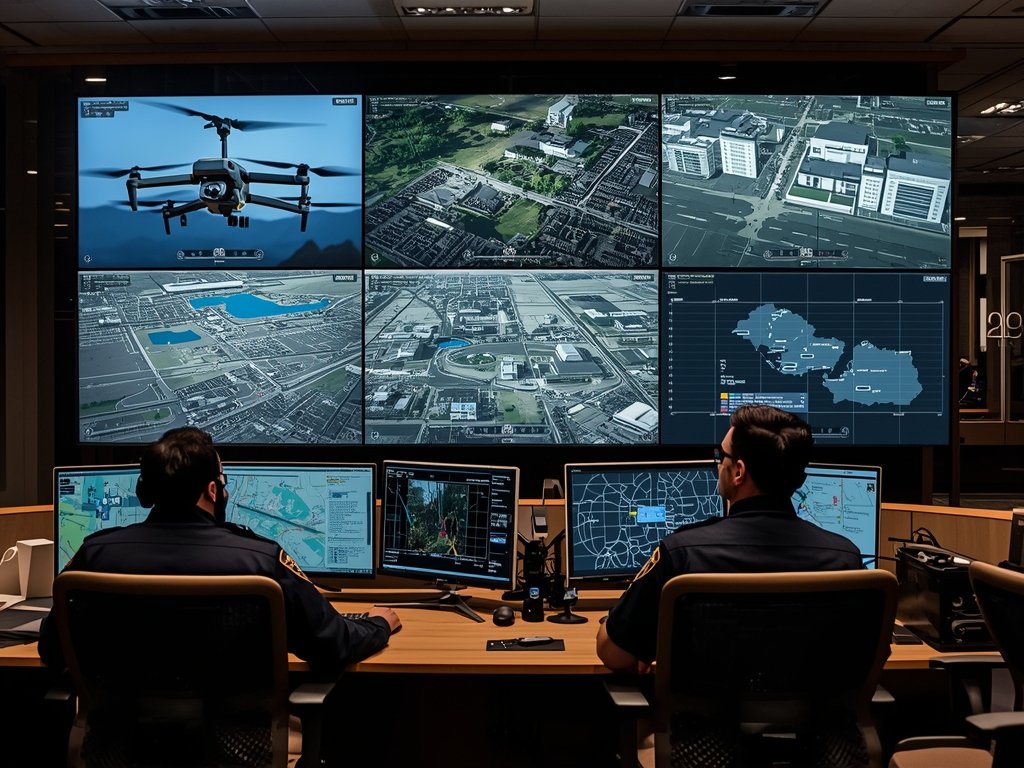
Successful police drone operations require meticulous planning and execution. Clear objectives, risk assessments, and contingency plans are essential for every mission.
Operational Planning Checklist:
- Define Mission Objectives: Search and rescue, crime scene documentation, or crowd monitoring?
- Conduct Site Surveys: Identify potential hazards, obstacles, and landing zones.
- Establish Communication Protocols: Ensure seamless coordination between pilots, ground teams, and command centers.
Real-time decision-making is critical during operations. Pilots and commanders must be prepared to adapt to changing circumstances, ensuring the safety and effectiveness of the mission.
Birds of a Feather: Drone Technology and Capabilities
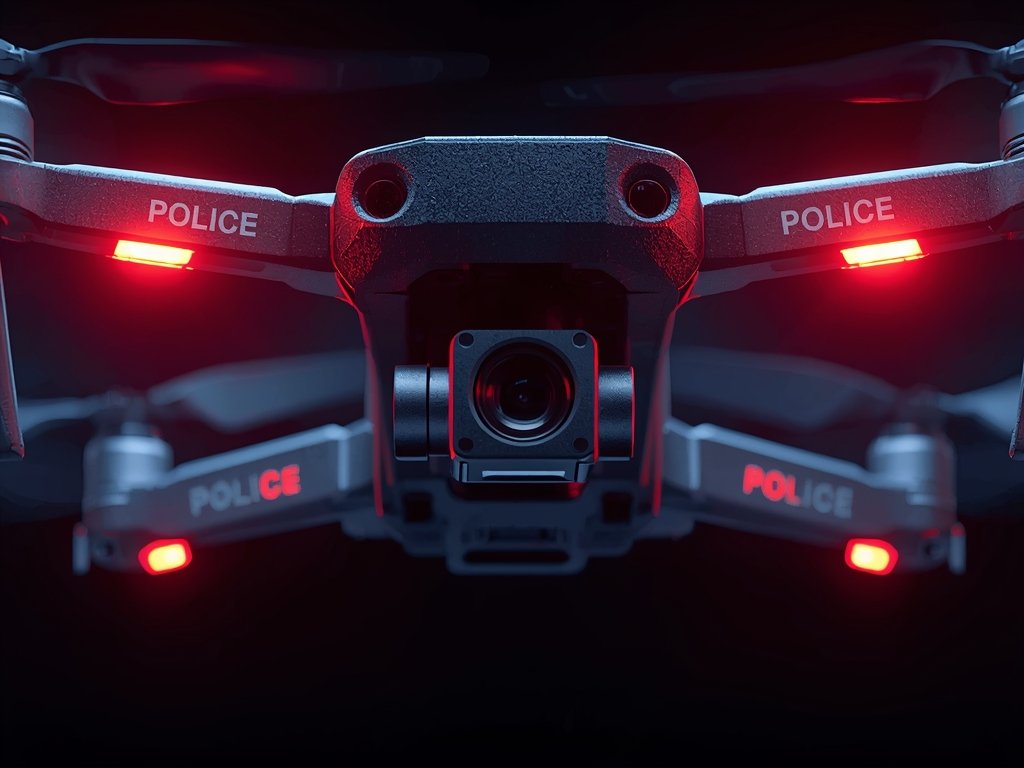
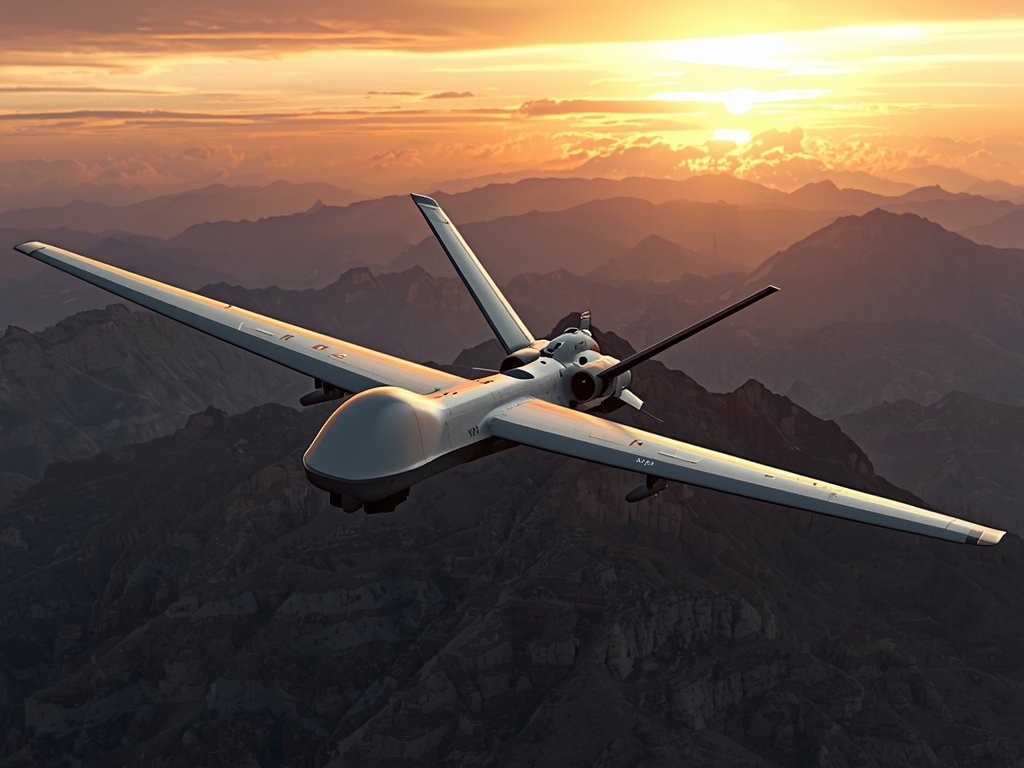
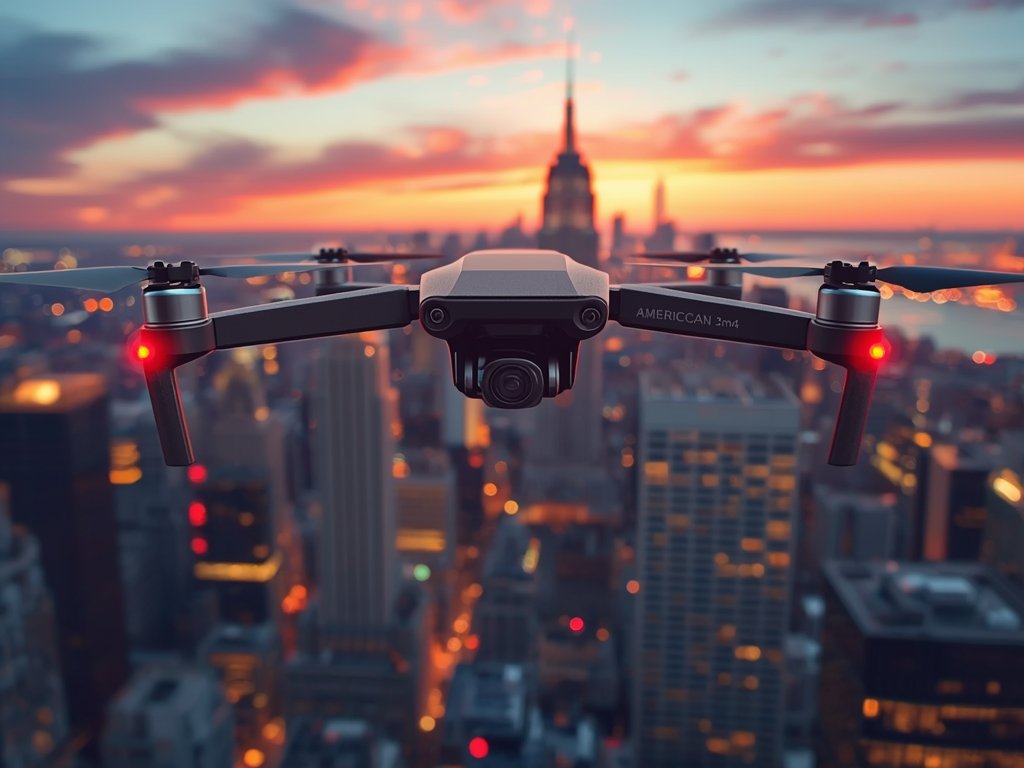
Police drones come in various shapes and sizes, each with unique capabilities tailored to specific law enforcement needs. From compact, agile models to larger, more robust platforms, the right drone can make all the difference.
Essential Drone Features:
- High-Resolution Cameras: Capture detailed images and videos for evidence collection and situational awareness.
- Thermal Imaging: Detect heat signatures, ideal for search and rescue operations or locating suspects in low-visibility conditions.
- Spotlights and Loudspeakers: Enhance visibility and communication during nighttime operations or crowd control scenarios.
As technology advances, we can expect even more innovative features, such as facial recognition and advanced analytics, to further enhance police drone capabilities.
Community Connections: Public Perception and Engagement
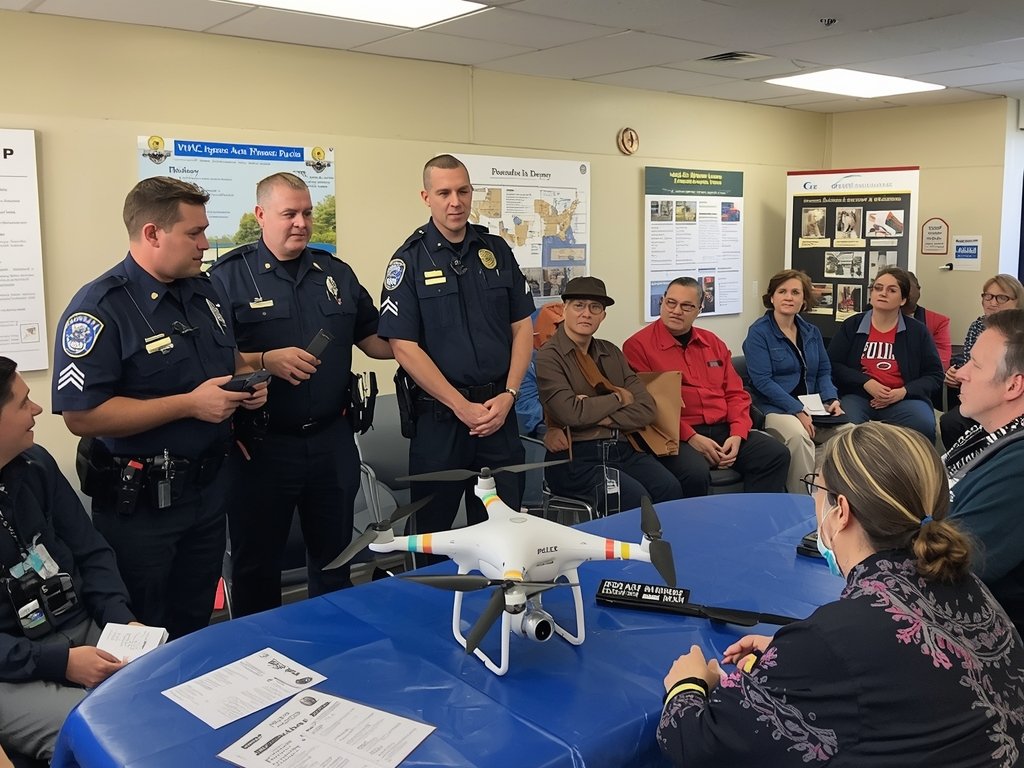
Public perception plays a significant role in the success of police drone programs. Transparency, education, and community engagement are essential to building trust and addressing concerns.
Police departments should proactively communicate their drone policies, usage guidelines, and privacy protections to the public. Town hall meetings, social media campaigns, and educational initiatives can help foster a positive relationship between law enforcement and the communities they serve.
Best Practices for Community Engagement:
- Host Public Demonstrations: Showcase drone capabilities and address concerns in a controlled environment.
- Develop Clear Policies: Publish easily accessible guidelines outlining drone usage and privacy protections.
- Collaborate with Local Leaders: Engage community leaders, organizations, and residents in the decision-making process.
Lessons Learned: Case Studies and Real-World Applications
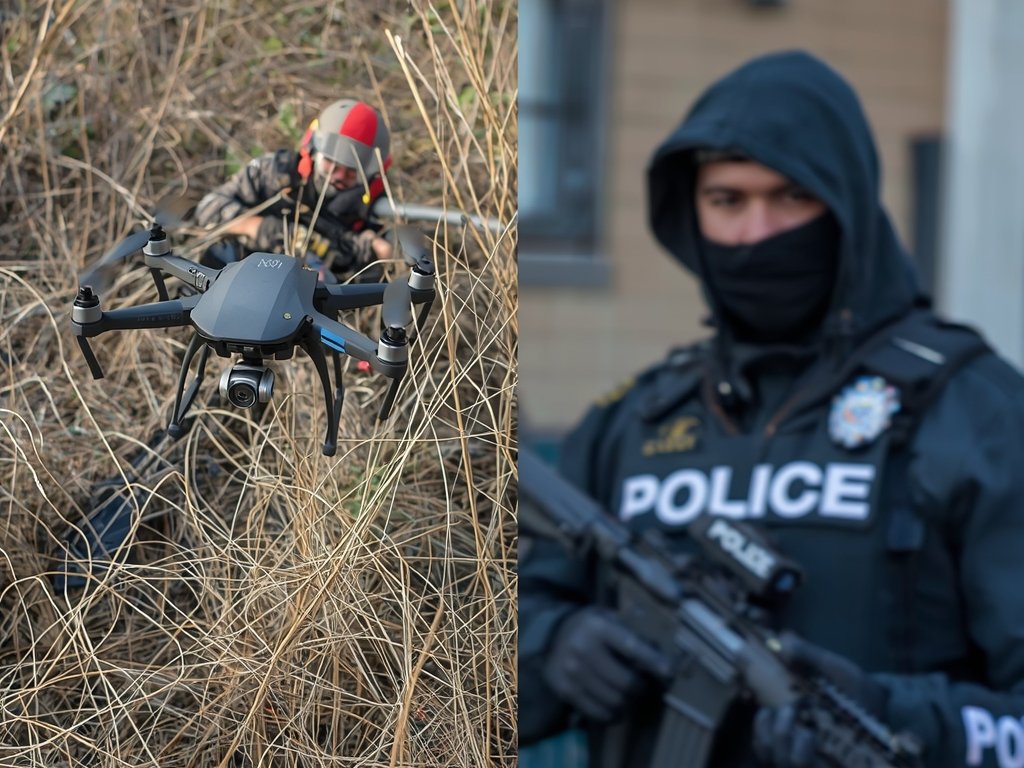
Real-world examples illustrate the transformative impact of police drone operations. From search and rescue missions to crime prevention and investigation, drones have proven their value time and again.
Notable Success Stories:
- Houston Police Department: Drones played a crucial role in assessing damage and locating survivors during Hurricane Harvey.
- Los Angeles County Sheriff’s Department: Thermal imaging drones helped apprehend a dangerous suspect hiding in a densely forested area.
- New York Police Department: Drones were used to monitor large-scale events, ensuring public safety and security.
These case studies highlight the versatility and effectiveness of police drone operations when executed within a robust legal and ethical framework.
FAQ
What are the primary uses of police drones?
Police drones are employed for various tasks, including search and rescue operations, crime scene documentation, crowd monitoring, and suspect tracking. Their aerial perspective enhances situational awareness and improves response times.
Do police drones require a warrant to conduct surveillance?
In most cases, yes. The Fourth Amendment’s protection against unreasonable searches and seizures applies to drone usage. Warrants are typically required for surveillance, unless an exception applies, such as exigent circumstances or consent.
How do police departments ensure drone pilots are qualified?
Drone pilots must obtain FAA Part 107 certification, which involves passing a knowledge test and meeting specific training requirements. Departments often provide additional training and establish strict operational guidelines to ensure pilot proficiency.
What measures are in place to protect citizen privacy during drone operations?
Police departments implement various safeguards, including warrant requirements, data retention policies, and community engagement initiatives. Transparency and accountability are key to maintaining public trust and ensuring constitutional compliance.
Can police drones be used for traffic enforcement?
Yes, police drones can assist with traffic enforcement by monitoring roadways, identifying violations, and providing real-time data to ground units. However, their use must comply with applicable laws and regulations, and any evidence collected must be admissible in court.
Join Our Pilot Community
Connect with fellow drone enthusiasts, share your aerial shots, and get access to free PDF ebook guides.