The Evolution of Military Drones: From Reconnaissance to Combat
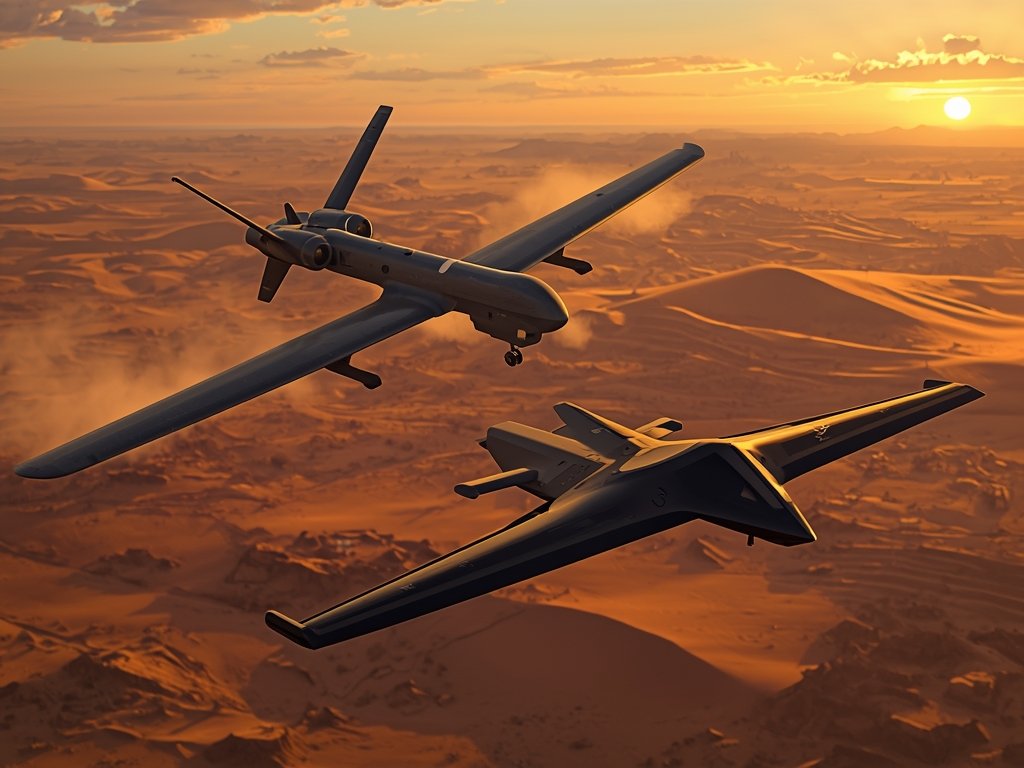
Military drones have come a long way since their inception. Initially designed for reconnaissance, these unmanned aerial vehicles (UAVs) now play a pivotal role in modern warfare. From surveillance to precision strikes, drones have revolutionized how the U.S. military operates. Let’s dive into the types and specifications that make these machines indispensable.
Surveillance Drones: The Eyes in the Sky
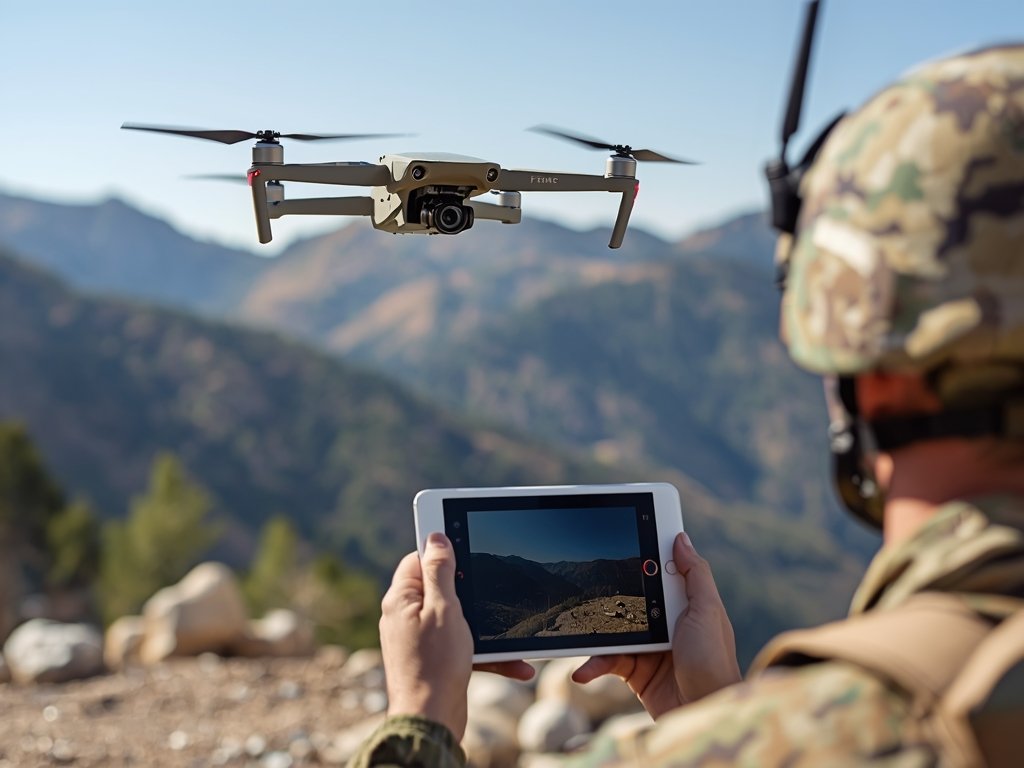
Surveillance drones are the backbone of intelligence gathering. These UAVs are equipped with advanced cameras, thermal imaging, and signal interceptors. The MQ-9 Reaper, for instance, is a workhorse for the U.S. Air Force, providing real-time data for strategic decision-making.
These drones are designed for endurance, often staying airborne for over 24 hours. Their ability to operate silently and at high altitudes makes them ideal for monitoring sensitive areas without detection.
Key Specifications of Surveillance Drones
- Range: Up to 1,850 miles (MQ-9 Reaper)
- Endurance: 27+ hours
- Payload: 3,000 lbs (including sensors and weapons)
Combat Drones: Precision Strikes and Beyond
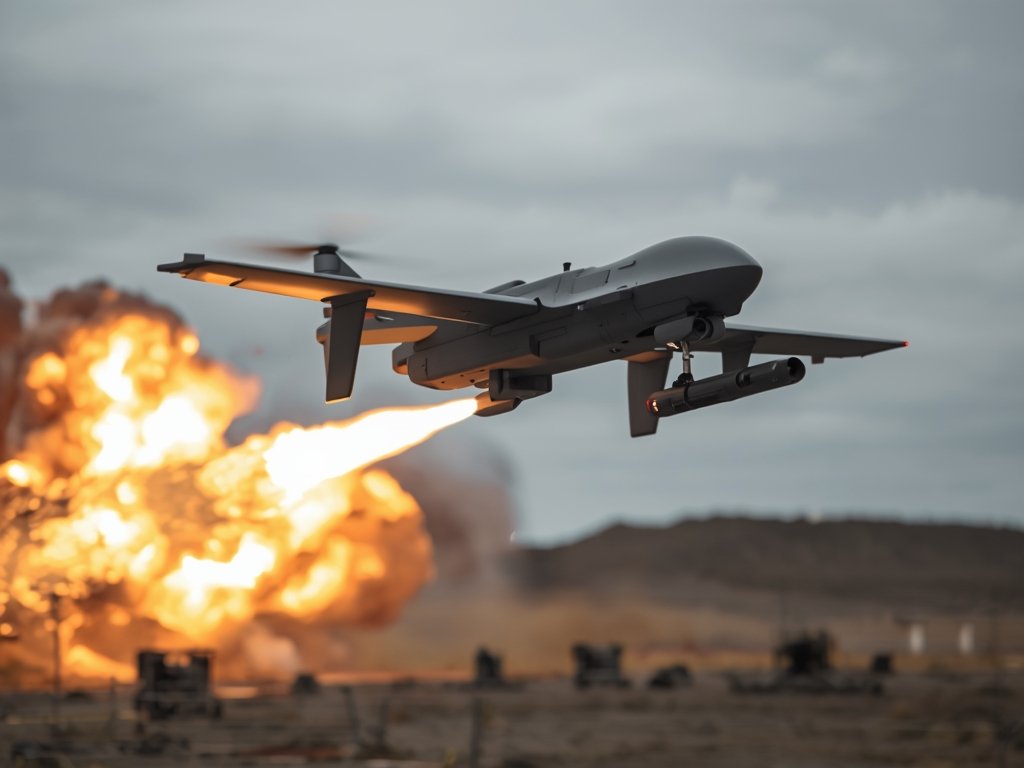
Combat drones are the modern face of warfare. Equipped with Hellfire missiles and laser-guided bombs, these UAVs deliver precision strikes with minimal collateral damage. The MQ-1 Predator and its successor, the MQ-9 Reaper, are prime examples of this category.
These drones are operated remotely by pilots stationed thousands of miles away, often in the U.S. This capability allows for rapid response to threats while keeping personnel out of harm’s way.
What Sets Combat Drones Apart?
- Speed: Up to 240 mph (MQ-9 Reaper)
- Weapons Payload: 3,750 lbs
- Operational Altitude: 25,000 feet
Stealth Drones: The Invisible Threat
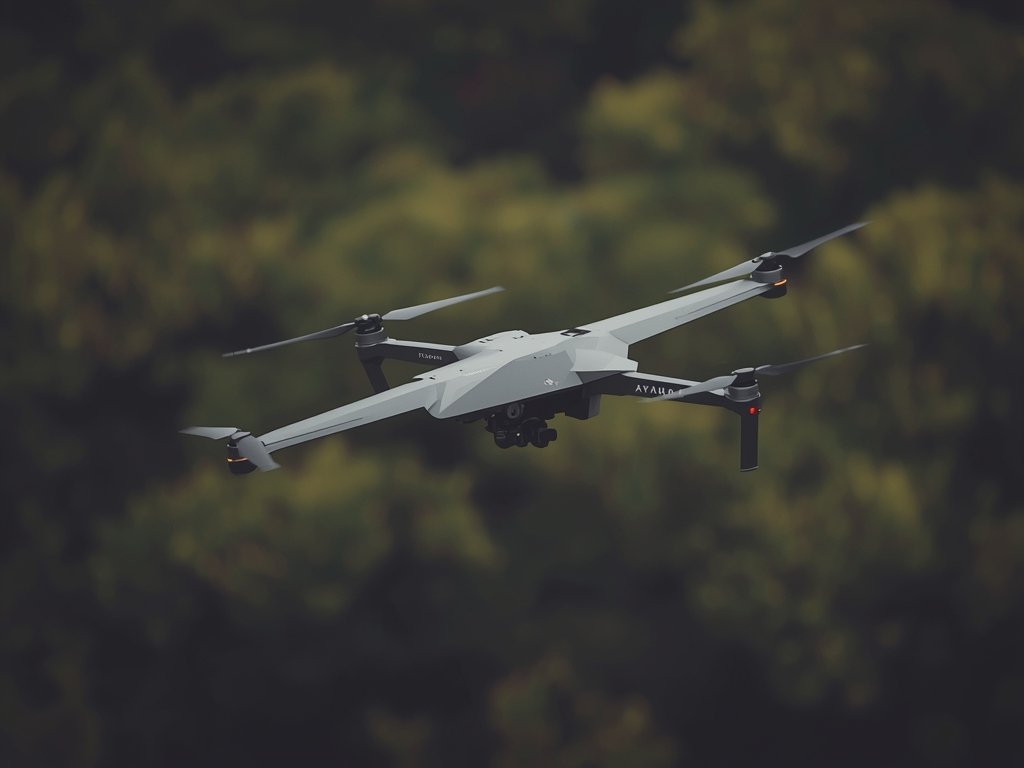
Stealth drones are the ninjas of the sky. Designed to evade radar detection, these UAVs are crucial for covert operations. The RQ-170 Sentinel is a prime example, known for its role in gathering intelligence in high-risk areas.
Their unique design and advanced materials make them nearly invisible to enemy radar systems. This capability ensures they can operate undetected, providing critical intelligence without alerting adversaries.
Stealth Drone Specifications
- Radar Cross-Section: Minimal, thanks to advanced materials
- Range: Classified, but estimated at 1,500+ miles
- Endurance: 6+ hours
Tactical Drones: Small but Mighty
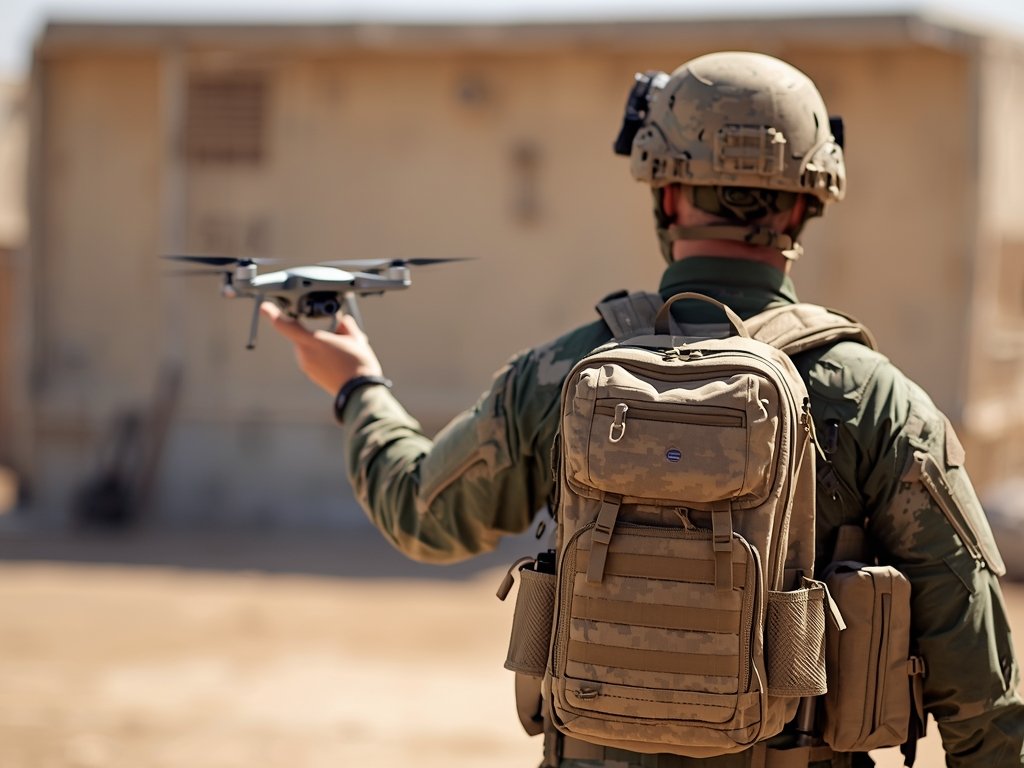
Tactical drones are the Swiss Army knives of the military. Compact and versatile, these UAVs are used for reconnaissance, target acquisition, and even electronic warfare. The Raven RQ-11 is a popular choice for ground troops, offering real-time situational awareness.
These drones are lightweight and easy to deploy, making them ideal for soldiers in the field. Their portability ensures they can be used in a variety of scenarios, from urban combat to remote patrols.
Tactical Drone Features
- Weight: Under 5 lbs (Raven RQ-11)
- Range: 6.2 miles
- Flight Time: 60-90 minutes
Specialized Drones: Pushing the Boundaries

Specialized drones are designed for unique missions. From electronic jamming to swarm tactics, these UAVs are pushing the boundaries of what’s possible. The Perdix drone, for example, operates in swarms, overwhelming enemy defenses with numbers.
These drones often incorporate cutting-edge technology, such as artificial swarm intelligence and advanced propulsion systems. Their specialized roles make them invaluable assets in modern warfare.
Innovations in Specialized Drones
- Swarm Technology: Coordinated flight patterns for enhanced effectiveness
- Electronic Warfare: Jamming enemy communications
- Size: As small as a few inches for micro-drones
FAQ: Your Questions Answered
What is the primary purpose of military drones?
Military drones are primarily used for reconnaissance, surveillance, and precision strikes. They provide critical intelligence and reduce the risk to human personnel.
How long can a military drone stay in the air?
Endurance varies by type, but surveillance drones like the MQ-9 Reaper can stay airborne for over 27 hours, while tactical drones like the Raven RQ-11 have a flight time of 60-90 minutes.
Are military drones controlled remotely?
Yes, most military drones are operated remotely by pilots stationed in control centers, often located in the U.S. This allows for real-time decision-making and reduces the risk to personnel.
What makes stealth drones different?
Stealth drones are designed to evade radar detection using advanced materials and unique shapes. This makes them ideal for covert operations in high-risk areas.
Can drones operate in swarms?
Yes, specialized drones like the Perdix can operate in swarms, coordinating their movements to overwhelm enemy defenses or perform complex tasks.
Your definitive resource for drone technology. From expert reviews of the latest DJI models to professional Part 107 flight training and industry regulations