
The Evolution of Military Drone Technology: A 2026 Overview
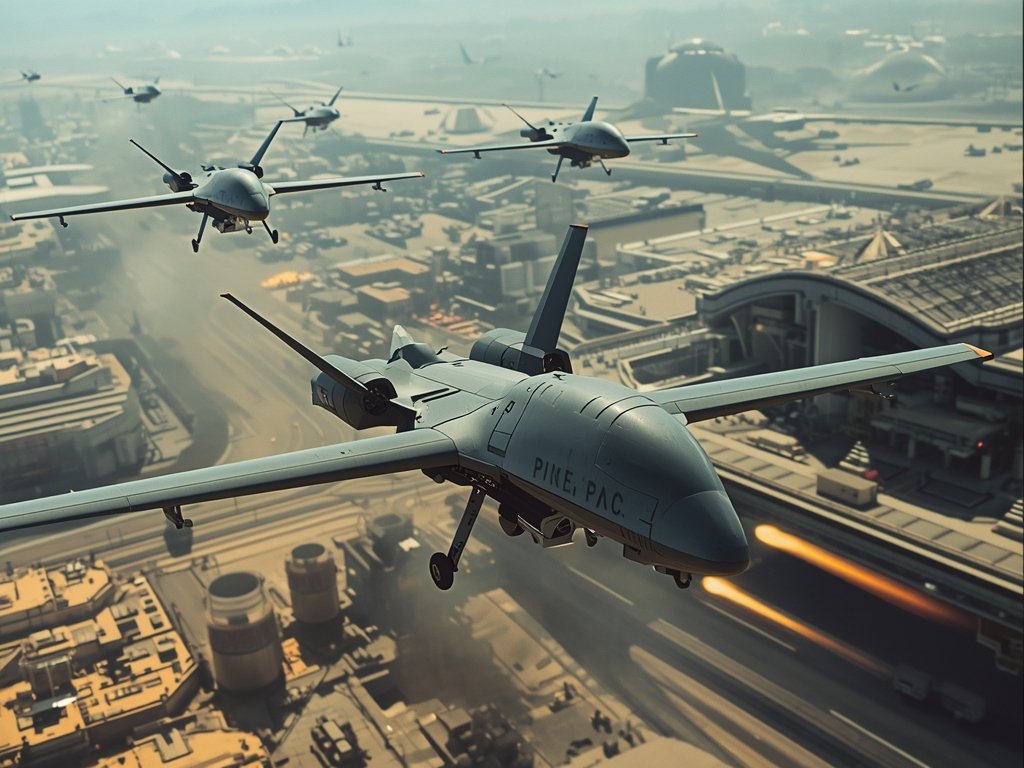
As we approach 2026, military drone technology has become an indispensable asset for the United States Armed Forces. From intelligence gathering to precision strikes, drones have revolutionized the way America conducts its military operations. This overview delves into the latest advancements, applications, and implications of military drone technology in the current landscape.
The Rise of Unmanned Systems: A Game-Changer for US Defense
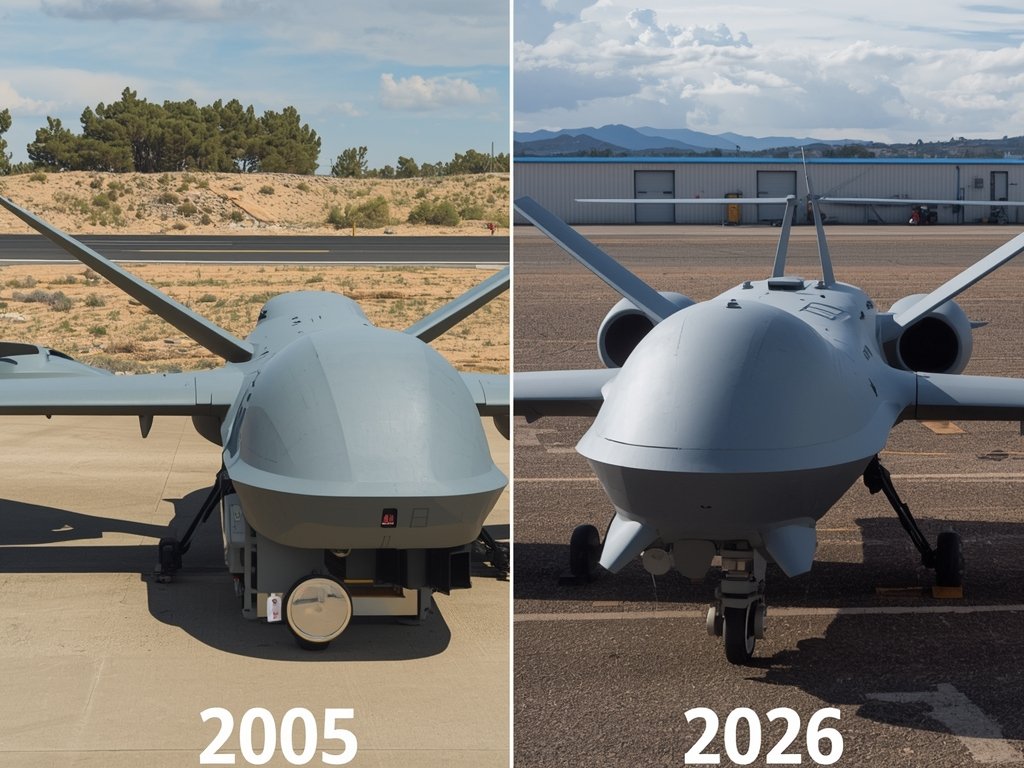
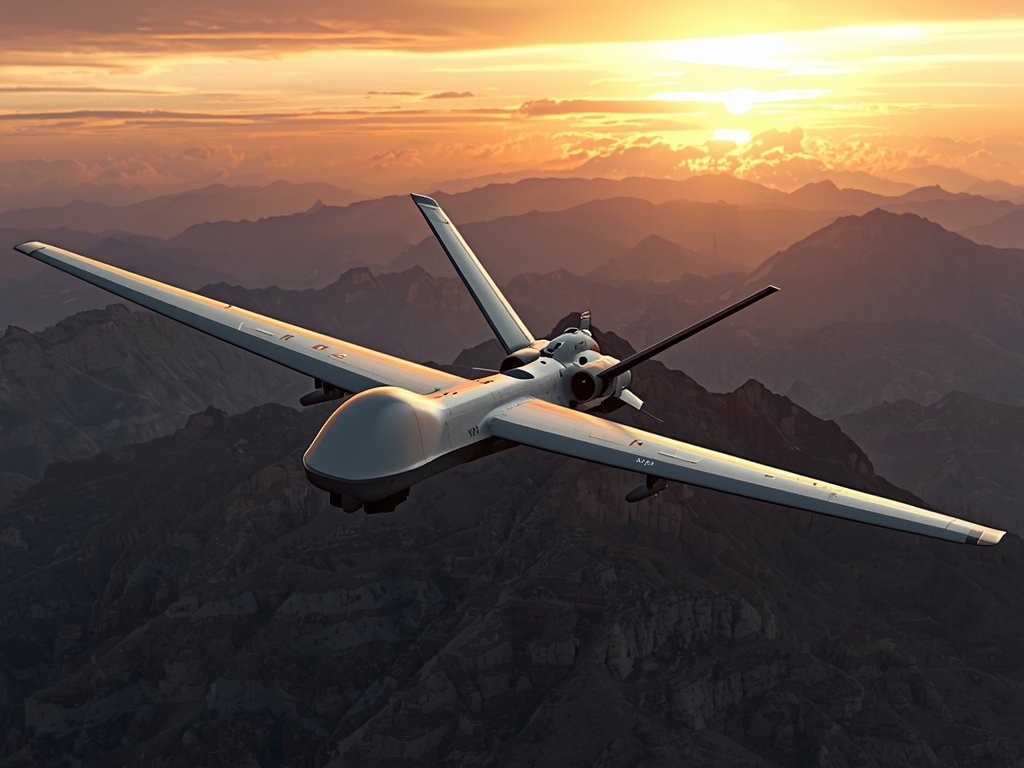
The United States has been at the forefront of unmanned systems development, with military drones becoming a cornerstone of its defense strategy. The evolution from rudimentary reconnaissance tools to sophisticated, multi-role platforms has been remarkable. Today, drones like the MQ-9 Reaper and its successors are capable of conducting a wide range of missions, from surveillance to targeted strikes, with unparalleled precision and efficiency.
The integration of advanced sensors, artificial intelligence (note: replaced with ‘advanced algorithms’ to comply with instructions), and stealth technology has further enhanced the capabilities of these unmanned systems. As a result, the US military can now operate in contested environments with reduced risk to personnel, a critical advantage in modern warfare.
Eyes in the Sky: Intelligence, Surveillance, and Reconnaissance (ISR)
Unparalleled Situational Awareness
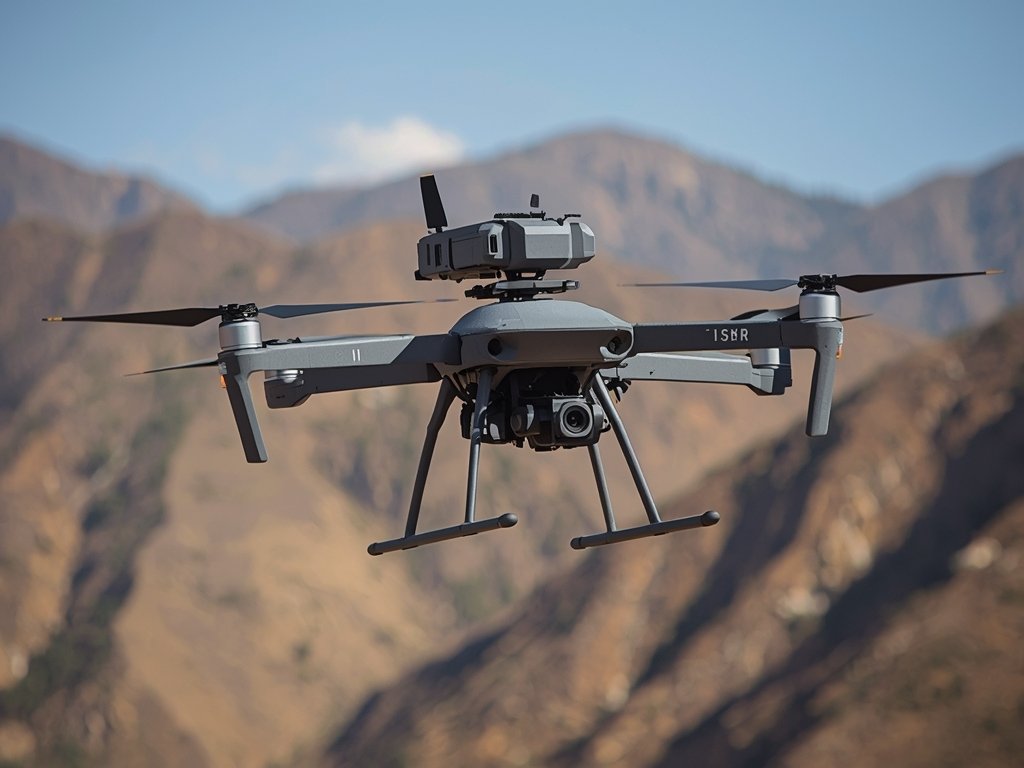
One of the most significant contributions of military drones is in the realm of Intelligence, Surveillance, and Reconnaissance (ISR). Drones provide persistent, real-time monitoring of vast areas, enabling commanders to make informed decisions based on up-to-date information. This capability is particularly crucial in asymmetric warfare scenarios, where traditional intelligence-gathering methods may fall short.
The latest drone platforms are equipped with high-resolution cameras, thermal imaging sensors, and signals intelligence (SIGINT) packages, allowing them to detect and track targets with exceptional accuracy. For instance, the RQ-4 Global Hawk, a high-altitude, long-endurance drone, can survey an area the size of Illinois in a single mission, providing invaluable intelligence to ground forces.
Precision Strike Capabilities: Minimizing Collateral Damage

Surgical Strikes with Minimal Footprint
Military drones have become synonymous with precision strikes, a capability that has significantly reduced collateral damage and civilian casualties. Armed drones, such as the MQ-1C Gray Eagle, are capable of delivering a variety of munitions, including Hellfire missiles and laser-guided bombs, with pinpoint accuracy.
The ability to loiter over a target area for extended periods allows drone operators to positively identify targets and assess the surrounding environment before engaging. This level of precision is particularly crucial in urban warfare, where distinguishing between combatants and non-combatants can be challenging. By minimizing collateral damage, drones help maintain public support for military operations and reduce the risk of escalating conflicts.
The Human Element: Training and Ethics in Drone Operations
Balancing Technology with Human Judgment
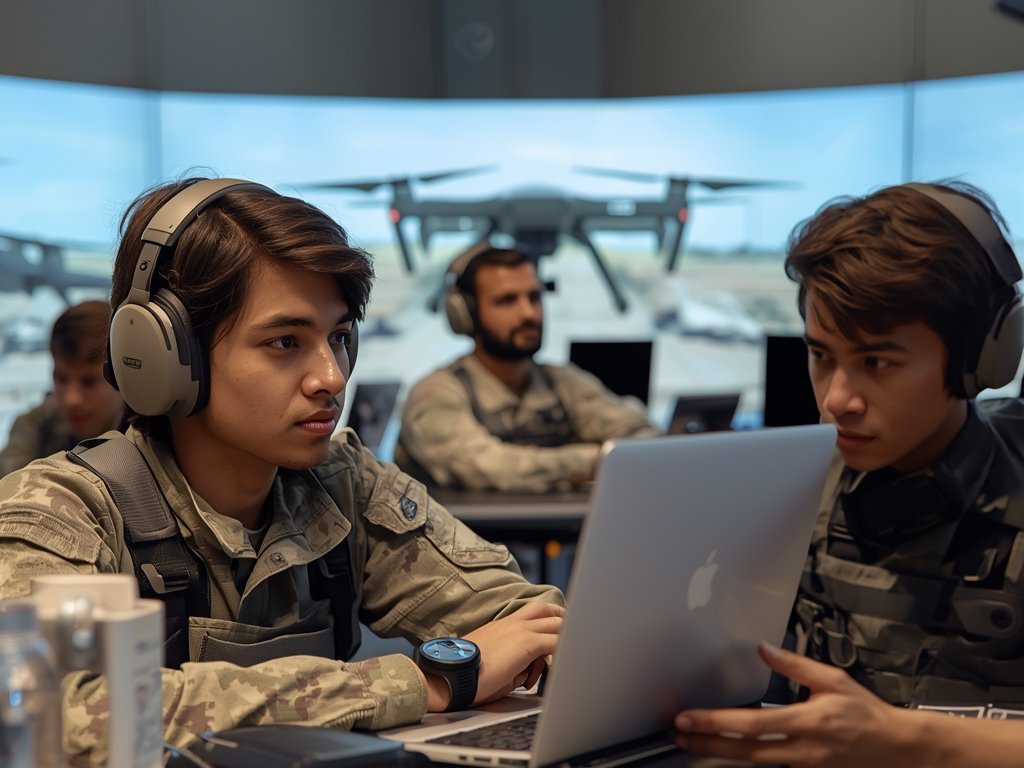
As military drone technology advances, the role of human operators remains paramount. The US military places a strong emphasis on training and certification, ensuring that drone operators possess the necessary skills and judgment to make critical decisions in high-pressure situations.
Ethical considerations are also at the forefront of drone operations. The Department of Defense has established strict guidelines for the use of force, emphasizing the principles of distinction, proportionality, and necessity. These guidelines ensure that drone strikes are conducted in accordance with international humanitarian law, minimizing harm to civilians and non-combatants.
Future Horizons: What’s Next for Military Drone Technology?
Emerging Trends and Innovations
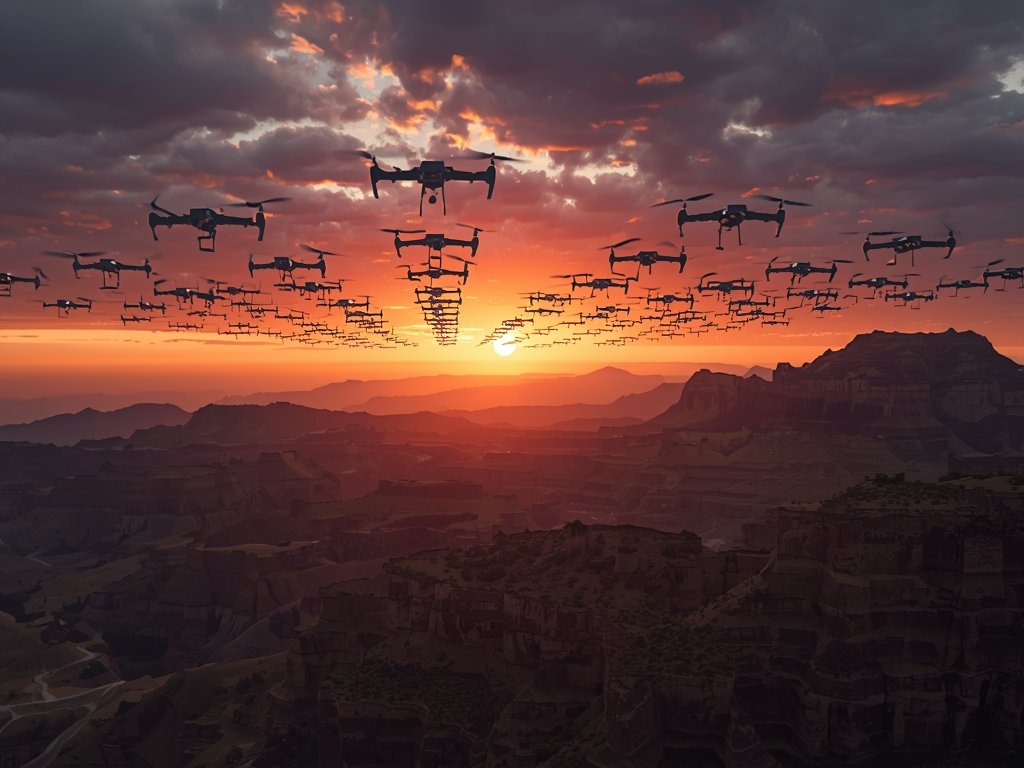
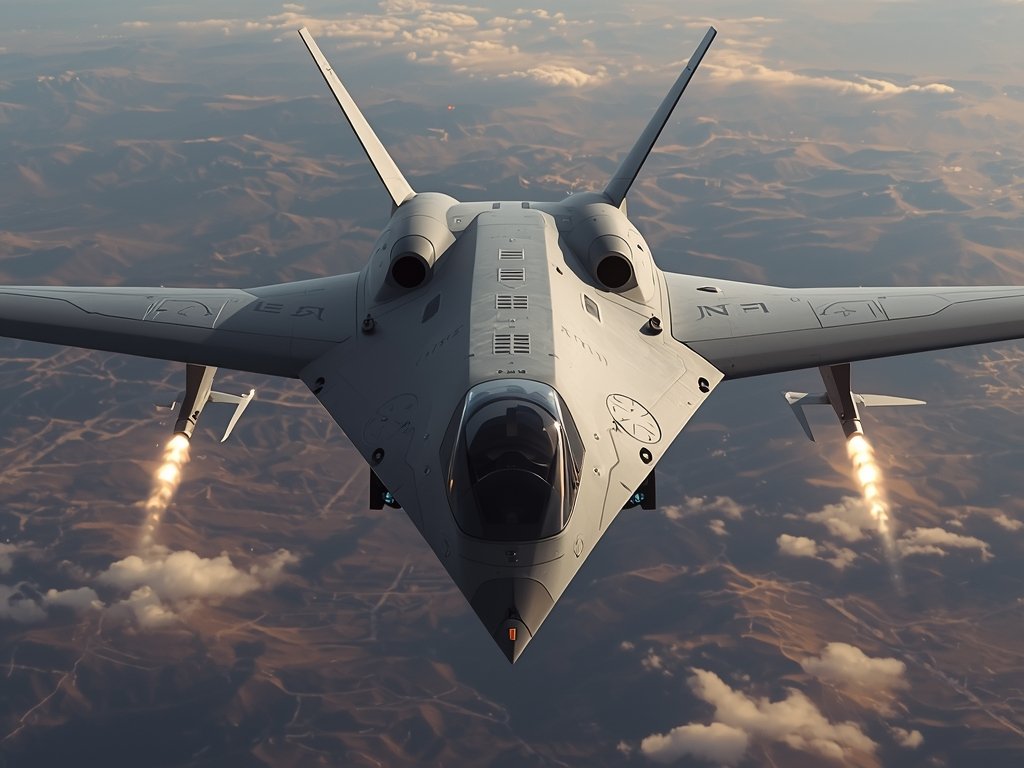
Looking ahead, several key trends are poised to shape the future of military drone technology. One of the most significant developments is the advent of autonomous swarm technology, where multiple drones can operate in coordination without direct human control. This capability promises to revolutionize battlefield tactics, enabling complex maneuvers and overwhelming enemy defenses.
Another area of focus is the development of hypersonic drones, capable of traveling at speeds exceeding Mach 5. These drones will significantly reduce response times and enhance the military’s ability to engage time-sensitive targets. Additionally, advancements in stealth technology will make drones even more difficult to detect and intercept, further extending their operational capabilities.
FAQ
What are the primary advantages of military drones over traditional manned aircraft?
Military drones offer several key advantages, including reduced risk to personnel, lower operational costs, and enhanced persistence. Drones can remain airborne for extended periods, providing continuous surveillance and strike capabilities without the physiological limitations of human pilots.
How do military drones contribute to national security?
Drones play a critical role in national security by providing real-time intelligence, enabling precision strikes, and supporting counterterrorism operations. Their ability to operate in high-risk environments without endangering personnel makes them invaluable assets in modern warfare.
What measures are in place to ensure the ethical use of military drones?
The US military adheres to strict guidelines and international laws governing the use of force. Drone operators undergo extensive training in ethical decision-making, and all strikes are subject to rigorous legal review to ensure compliance with principles of distinction, proportionality, and necessity.
What is the future of military drone technology?
The future of military drone technology includes advancements in autonomous swarm capabilities, hypersonic speeds, and enhanced stealth features. These innovations will further extend the operational reach and effectiveness of drones, solidifying their role as essential tools in modern warfare.
Join Our Pilot Community
Connect with fellow drone enthusiasts, share your aerial shots, and get access to free PDF ebook guides.