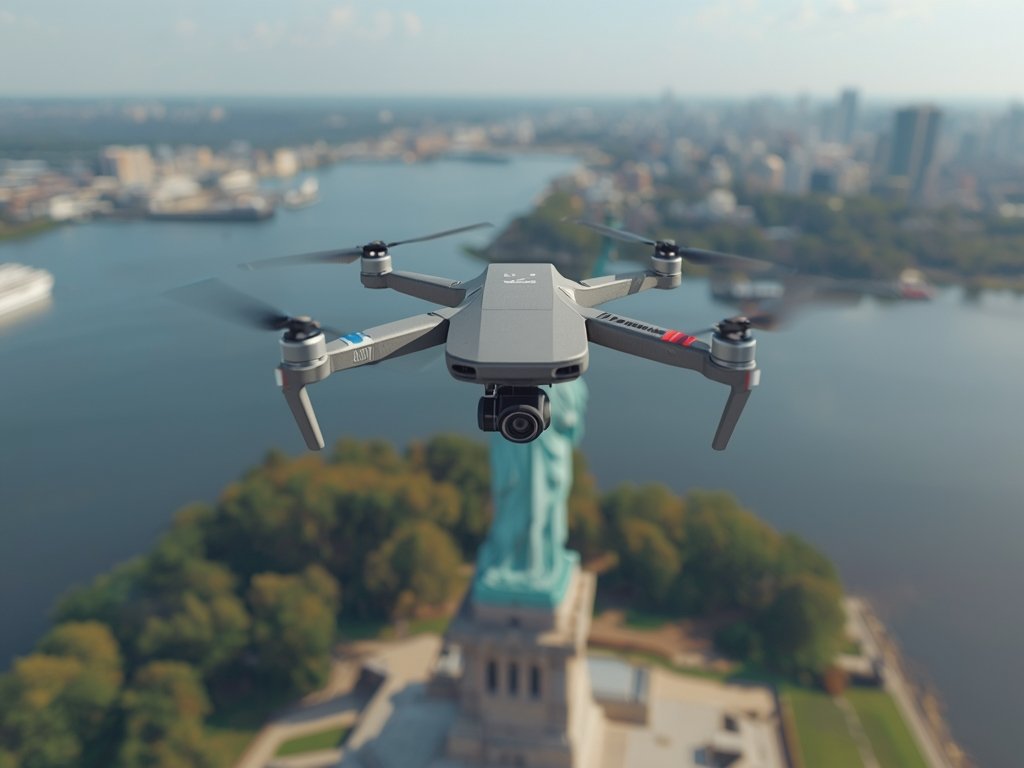

The Sky’s the Limit: How Hydrogen is Revolutionizing Drone Flight
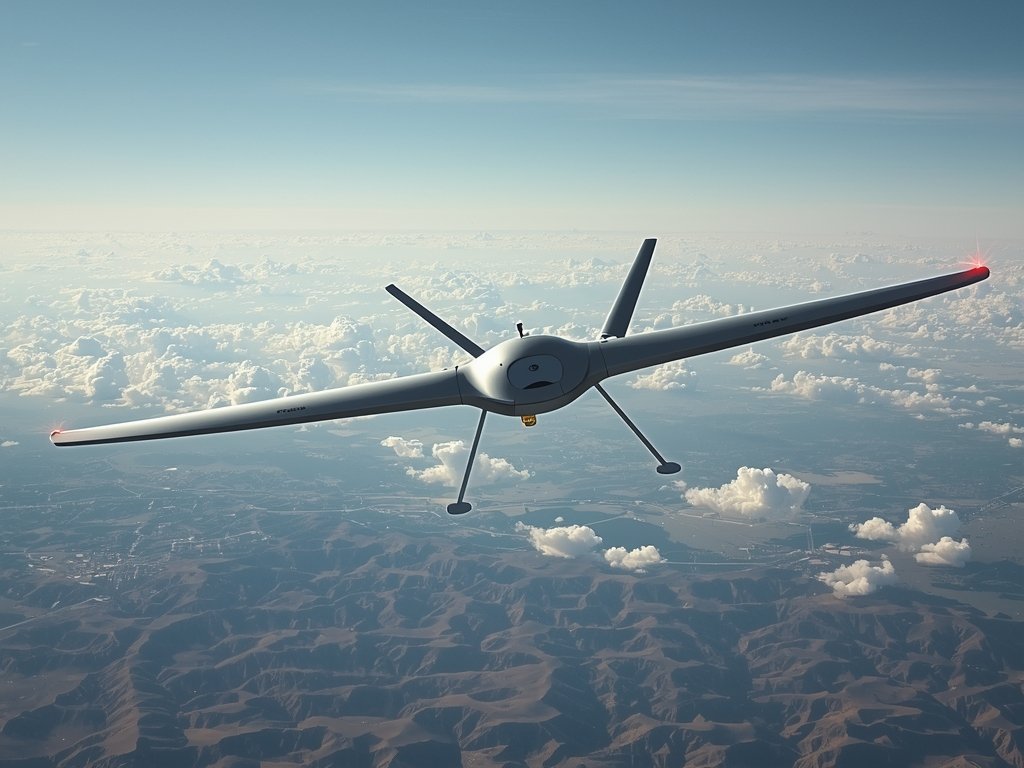
The drone industry is buzzing with excitement as a new player enters the game: hydrogen fuel cell technology. With its promise of extended flight times and reduced environmental impact, hydrogen is poised to transform the way we think about drone capabilities, particularly for long-range missions.
The Endurance Challenge: Why Drones Need a Power Boost
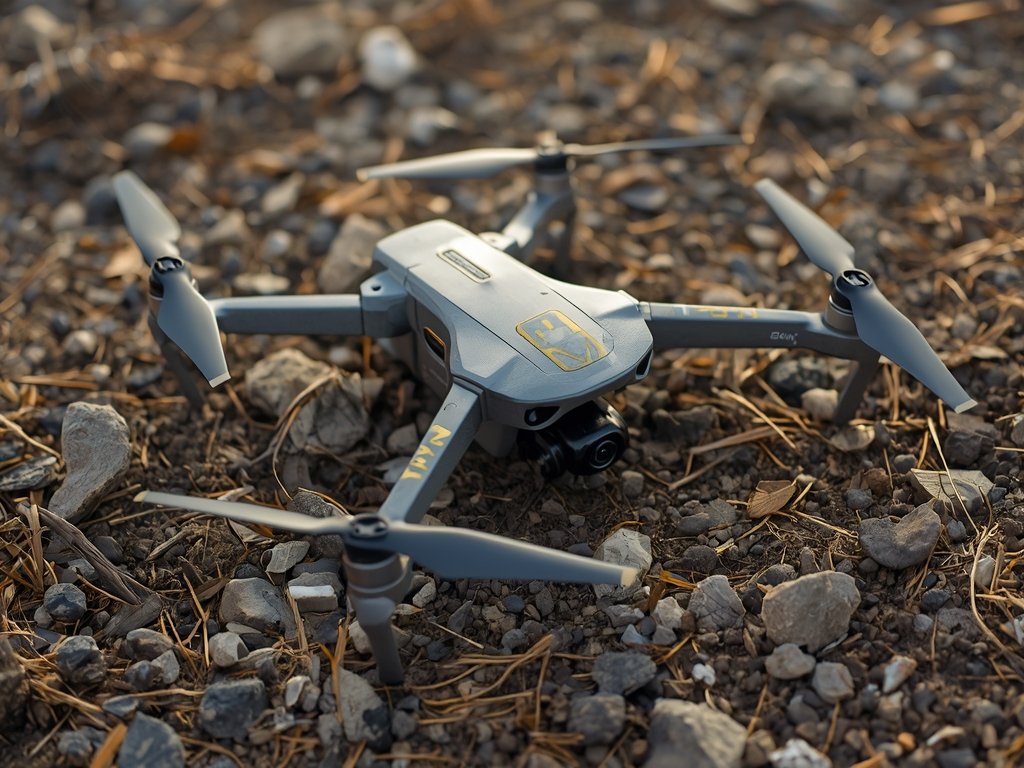
Traditional drones, powered by lithium-ion batteries, have limited flight times, typically ranging from 20 to 30 minutes. This constraint has been a significant barrier to their adoption in industries such as delivery, inspection, and surveillance, where long-range flights are essential.
Imagine a scenario where a drone is tasked with delivering urgent medical supplies to a remote location. With current battery technology, the drone would likely require multiple stops for recharging, significantly delaying the delivery and potentially putting lives at risk.
The Environmental Factor: A Greener Approach to Drone Power
As the world shifts towards more sustainable energy sources, the drone industry is under pressure to reduce its environmental footprint. Lithium-ion batteries, while convenient, have a significant environmental impact, from resource-intensive mining to disposal challenges.
Hydrogen fuel cells offer a cleaner alternative, producing only water and heat as byproducts. This makes them an attractive option for environmentally conscious companies and consumers, particularly in the United States, where green initiatives are gaining momentum.
Hydrogen Fuel Cells: Unlocking the Potential of Long-Range Drone Flight
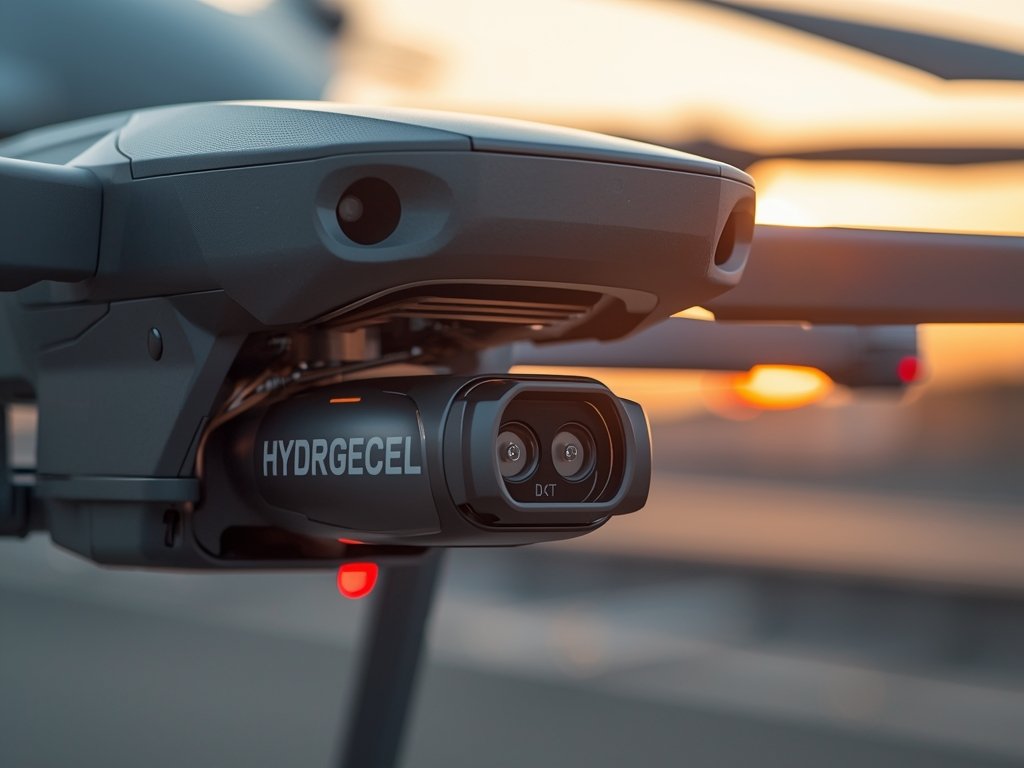
Hydrogen fuel cells work by converting the chemical energy of hydrogen into electricity, with water and heat as the only byproducts. This process is highly efficient, producing more energy per unit of weight than traditional batteries.
For drones, this means significantly extended flight times, with some estimates suggesting up to 3-4 hours of continuous operation. This opens up new possibilities for applications such as:
- Delivery services: Drones could transport goods over longer distances, reducing delivery times and costs.
- Inspection and monitoring: Drones could survey large areas, such as pipelines or power lines, without needing frequent recharging.
- Search and rescue: Drones could operate in remote or disaster-stricken areas for extended periods, aiding in search and rescue efforts.
Overcoming Infrastructure Challenges: The Key to Widespread Adoption
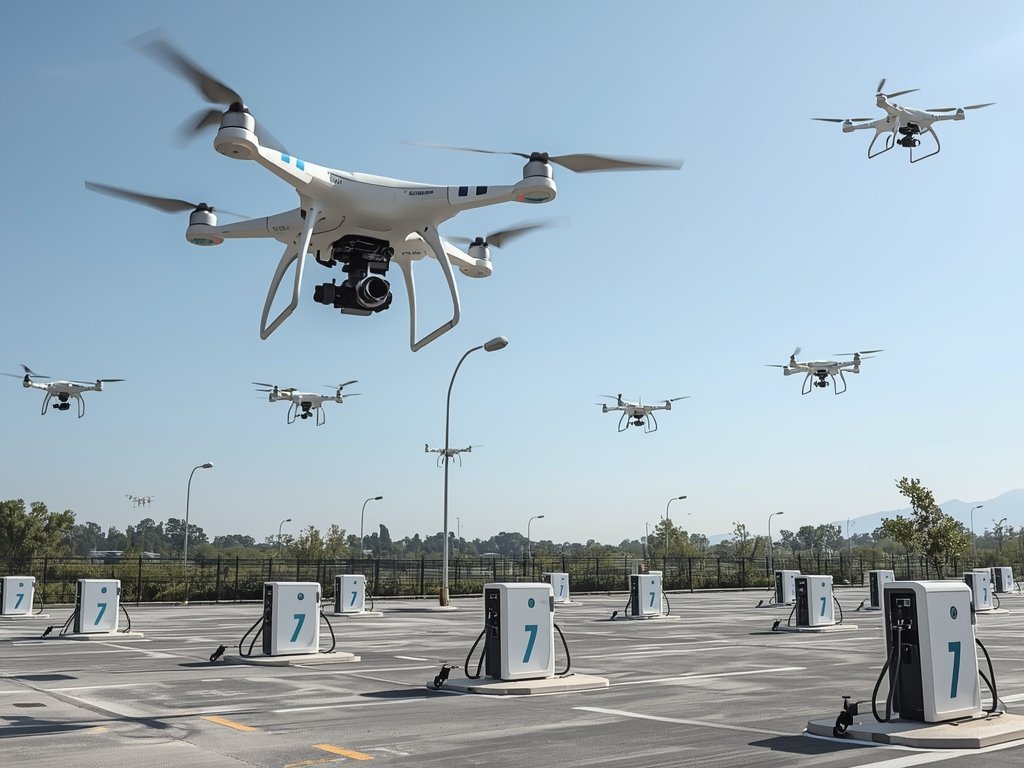
One of the primary challenges to widespread adoption of hydrogen drone technology is the lack of infrastructure for refueling. Unlike traditional drones, which can be recharged using widely available electrical outlets, hydrogen drones require specialized refueling stations.
However, initiatives are underway to address this challenge. In the United States, companies like Plug Power and Air Liquide are investing in hydrogen infrastructure, with a focus on developing refueling stations and distribution networks.
Real-World Applications: Hydrogen Drones in Action
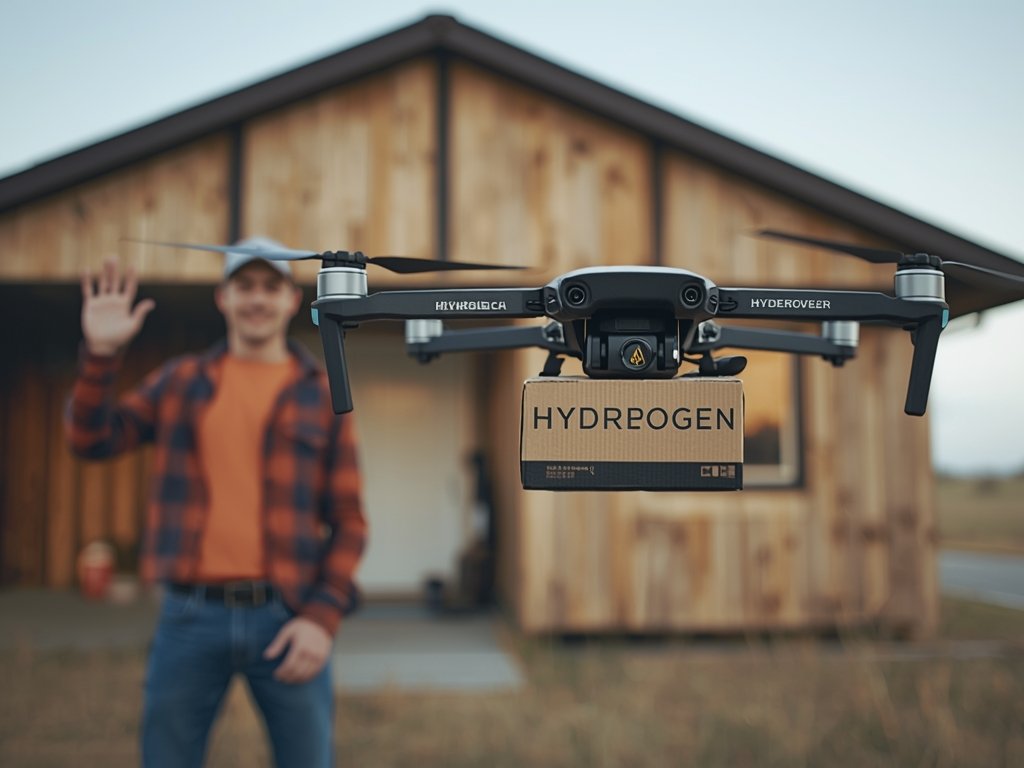
Hydrogen drone technology is already being put to the test in various industries. For example, in the delivery sector, companies like Amazon and UPS are exploring the use of hydrogen drones for last-mile deliveries, particularly in rural or hard-to-reach areas.
In the inspection and monitoring sector, hydrogen drones are being used to survey pipelines, power lines, and other critical infrastructure. Their extended flight times allow for more comprehensive inspections, reducing the need for manual labor and improving safety.
The Future of Hydrogen Drone Tech: What’s Next?
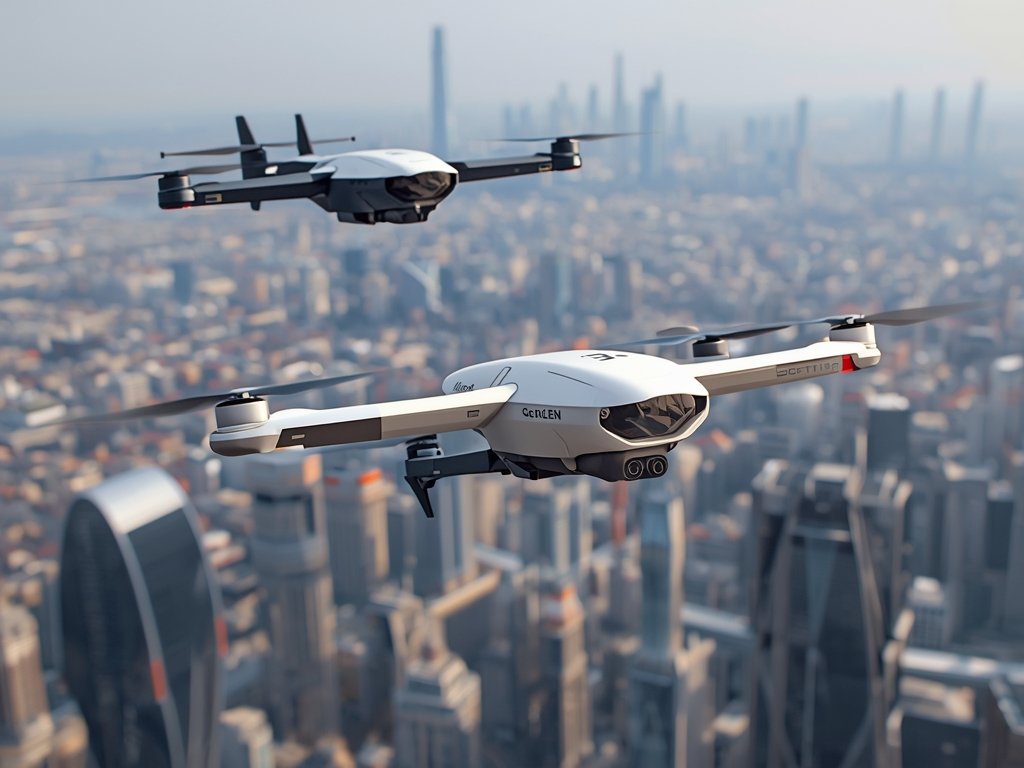
As hydrogen drone technology continues to evolve, we can expect to see even more innovative applications. One area of particular interest is the integration of hydrogen drones into existing transportation networks, such as air traffic control systems.
Additionally, advancements in hydrogen storage and fuel cell technology could further increase the efficiency and range of hydrogen drones, making them an even more attractive option for a wide range of industries.
FAQ
What are the main advantages of hydrogen drone technology?
Hydrogen drone technology offers extended flight times, reduced environmental impact, and increased efficiency compared to traditional battery-powered drones.
How does hydrogen fuel cell technology work?
Hydrogen fuel cells convert the chemical energy of hydrogen into electricity, producing water and heat as byproducts. This process is highly efficient and produces more energy per unit of weight than traditional batteries.
What industries are most likely to benefit from hydrogen drone technology?
Industries such as delivery, inspection, monitoring, and search and rescue are likely to benefit most from hydrogen drone technology, due to its extended flight times and reduced environmental impact.
What are the main challenges to widespread adoption of hydrogen drone technology?
The main challenges include the lack of infrastructure for refueling, high initial costs, and the need for further advancements in hydrogen storage and fuel cell technology.
Can hydrogen drones be used for personal or recreational purposes?
While hydrogen drone technology is currently focused on commercial and industrial applications, it’s possible that personal or recreational uses could emerge in the future, as the technology becomes more accessible and affordable.
Join Our Pilot Community
Connect with fellow drone enthusiasts, share your aerial shots, and get access to free PDF ebook guides.