
The Sky’s the Limit: Your Guide to Acing the Drone Pilot License Exam

Becoming a licensed drone pilot in the United States is an exciting and rewarding endeavor. With the drone industry booming, opportunities for commercial pilots are soaring. However, before you can take to the skies, you’ll need to pass the FAA Part 107 exam. This comprehensive guide will walk you through the process, providing valuable insights and tips to help you ace the test on your first attempt.
Understanding the FAA Part 107 Exam

The FAA Part 107 exam is a 60-question, multiple-choice test designed to assess your knowledge of drone regulations, safety procedures, and aviation fundamentals. To pass, you’ll need to score at least 70%, which means answering 42 out of 60 questions correctly. The exam covers a wide range of topics, including:
- Airspace classifications and restrictions
- Weather patterns and their impact on drone operations
- Radio communication procedures
- Drone maintenance and pre-flight inspections
Exam Format and Timing
The exam is administered by FAA-approved testing centers, such as PSI or CATS, and typically takes around 2 hours to complete. You’ll have 120 minutes to answer the questions, which are presented in a randomized order to prevent cheating. Be prepared for a mix of easy, moderate, and challenging questions that will test your knowledge and critical thinking skills.
Preparing for Takeoff: Study Strategies and Resources
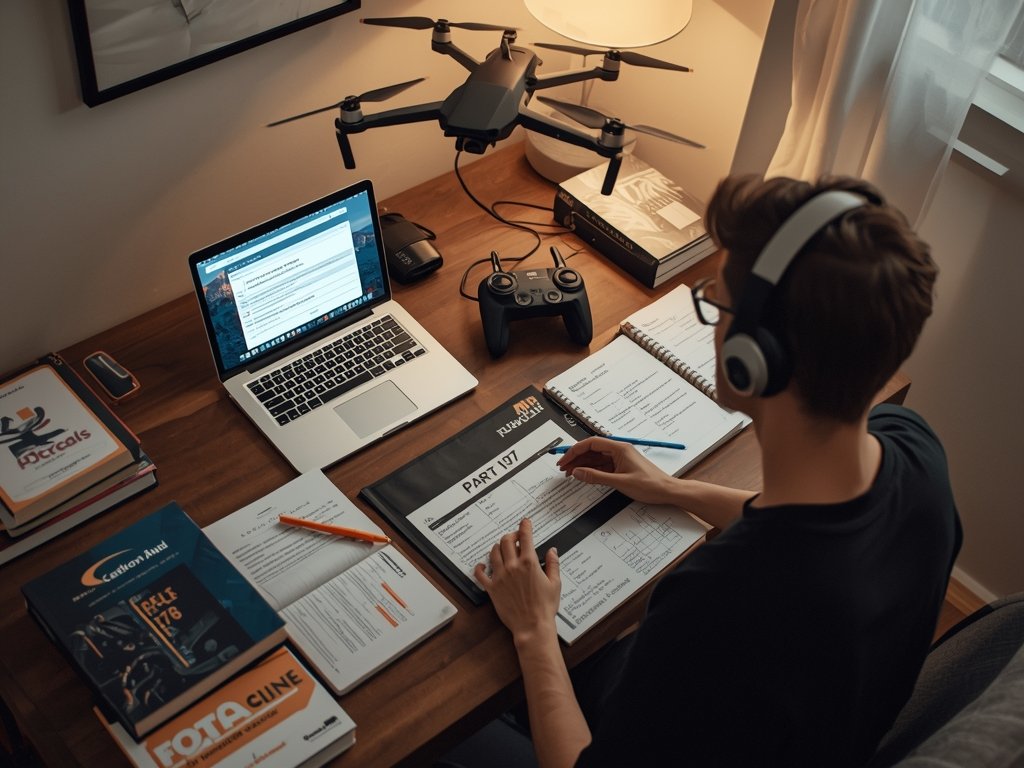
To increase your chances of passing the exam on your first attempt, it’s crucial to develop a comprehensive study plan. Start by gathering high-quality resources, such as:
- FAA publications, including the Part 107 Small Unmanned Aircraft Systems (sUAS) Rule
- Online study guides and practice exams from reputable providers like Drone Pilot Ground School or UAV Coach
- Textbooks on aviation fundamentals, such as the FAA’s Pilot’s Handbook of Aeronautical Knowledge
Creating a Study Schedule
Aim to dedicate at least 2-3 hours per day to studying, focusing on the topics you find most challenging. Break down your study sessions into manageable chunks, using techniques like spaced repetition and active recall to reinforce your learning. Consider joining online forums or study groups to connect with fellow drone enthusiasts and share insights.
Navigating the Airspace: Key Concepts and Regulations
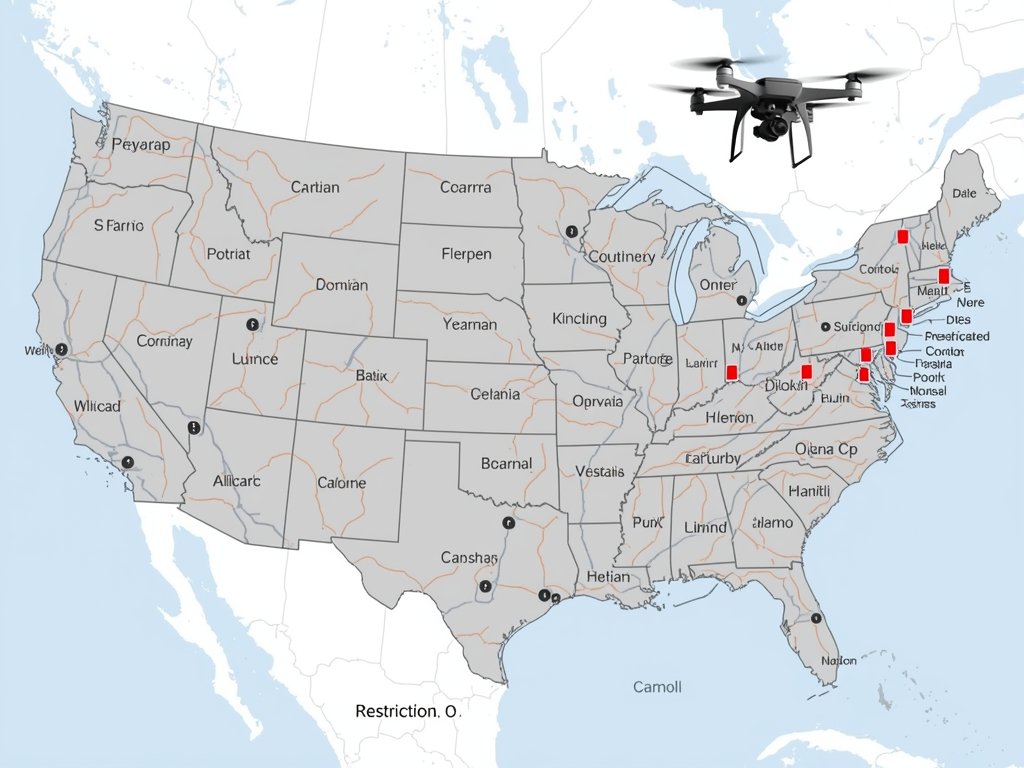
As a drone pilot, understanding airspace regulations is crucial to ensuring safe and legal operations. Familiarize yourself with the different airspace classifications, including:
- Class B (busy airports like JFK or LAX)
- Class C (smaller airports like Austin-Bergstrom or Nashville)
- Class D (controlled airspace around smaller airports)
Restricted and Prohibited Areas
Be aware of restricted and prohibited areas, such as national parks, military bases, and stadiums, where drone operations are either limited or entirely forbidden. Always check for temporary flight restrictions (TFRs) before flying, especially during major events like the Super Bowl or presidential visits.
Weathering the Storm: Meteorology and Drone Operations
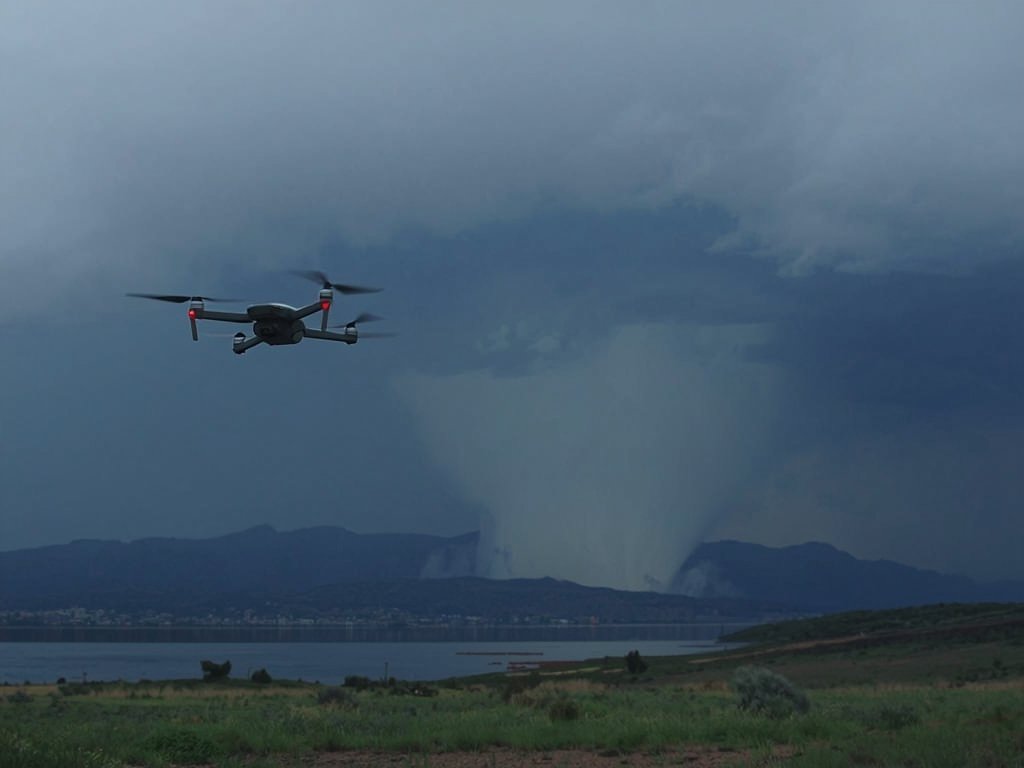
Weather conditions play a significant role in drone operations, affecting visibility, wind speed, and overall safety. As a drone pilot, you’ll need to understand how to interpret weather reports, recognize potential hazards, and make informed decisions about flying.
Key Weather Concepts
Focus on mastering concepts like:
- Wind speed and direction
- Visibility and cloud ceilings
- Thunderstorm development and microbursts
Practice using tools like the Aviation Weather Center or local weather apps to stay informed about current conditions and forecasts.
Final Approach: Test Day Tips and Strategies

On test day, arrive early, well-rested, and with a positive mindset. Bring a government-issued ID, your confirmation number, and any necessary accommodations (e.g., for vision or hearing impairments). During the exam, manage your time effectively, pacing yourself to ensure you have enough time to review and double-check your answers.
Tackling Challenging Questions
If you encounter a difficult question, don’t panic. Use the process of elimination to narrow down the options, and make an educated guess if necessary. Remember, unanswered questions are automatically marked as incorrect, so it’s better to take a calculated risk than leave a question blank.
FAQ
How long does it take to prepare for the Part 107 exam?
Most candidates spend 20-40 hours studying over 2-4 weeks, depending on their prior knowledge and learning style.
Can I use a calculator during the exam?
Yes, you’ll be provided with an on-screen calculator for mathematical calculations.
What happens if I fail the exam?
You can retake the exam after 14 calendar days, but you’ll need to pay the testing fee again.
Do I need to be a US citizen to take the Part 107 exam?
No, but you must be at least 16 years old and able to read, write, and understand English.
How long is the drone pilot license valid?
Your Part 107 certificate is valid for 2 years, after which you’ll need to pass a recurrent knowledge test to renew it.
Join Our Pilot Community
Connect with fellow drone enthusiasts, share your aerial shots, and get access to free PDF ebook guides.