
The Sky’s the Limit: A Comprehensive Guide to Heavy Lift Commercial Drones

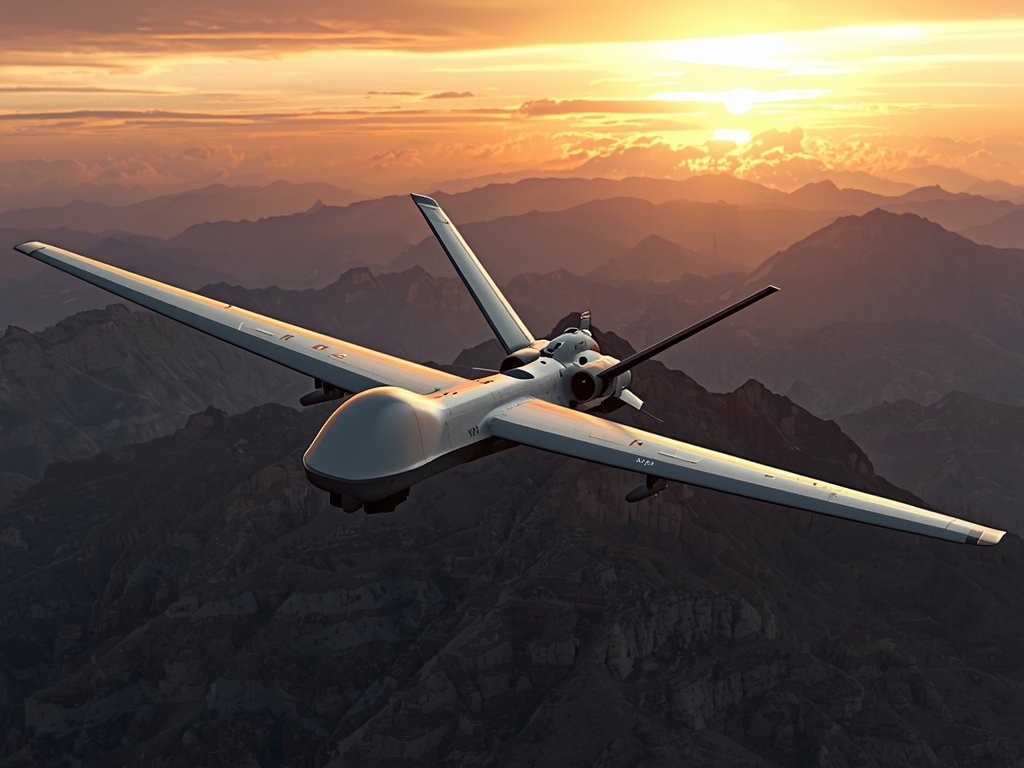
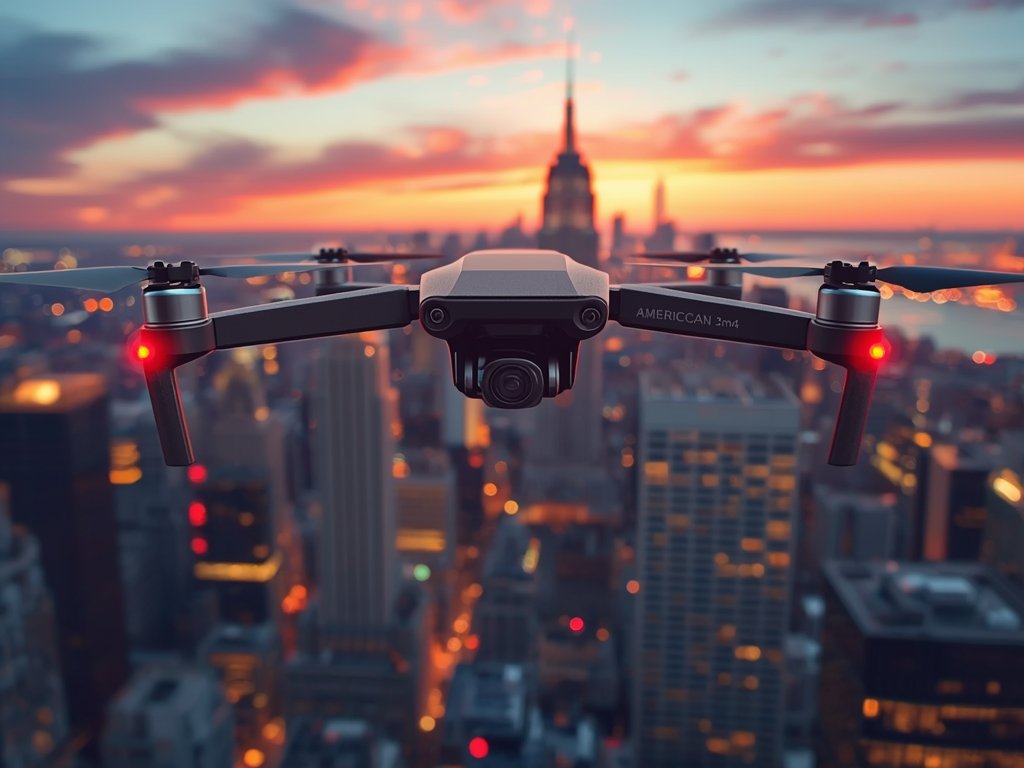
Heavy lift commercial drones are revolutionizing industries across the United States, from construction and agriculture to logistics and emergency response. With their impressive payload capacities and advanced capabilities, these aerial workhorses are transforming the way businesses operate. In this guide, we’ll explore the world of heavy lift commercial drones, their applications, and what to consider when incorporating them into your operations.
What Sets Heavy Lift Drones Apart?

Heavy lift drones are designed to carry substantial payloads, often exceeding 50 pounds. This distinguishes them from standard commercial drones, which typically have payload limits of 5-10 pounds. The increased capacity enables heavy lift drones to tackle more demanding tasks, such as transporting heavy equipment, delivering emergency supplies, or conducting large-scale aerial surveys.
Key Features of Heavy Lift Drones
- Payload Capacity: 50+ pounds, depending on the model
- Flight Time: 30-60 minutes, with some models offering extended flight times
- Range: Up to 5 miles, with advanced models reaching 10+ miles
- Stability: Advanced stabilization systems for smooth flights and precise maneuvers
Industries Taking Flight with Heavy Lift Drones
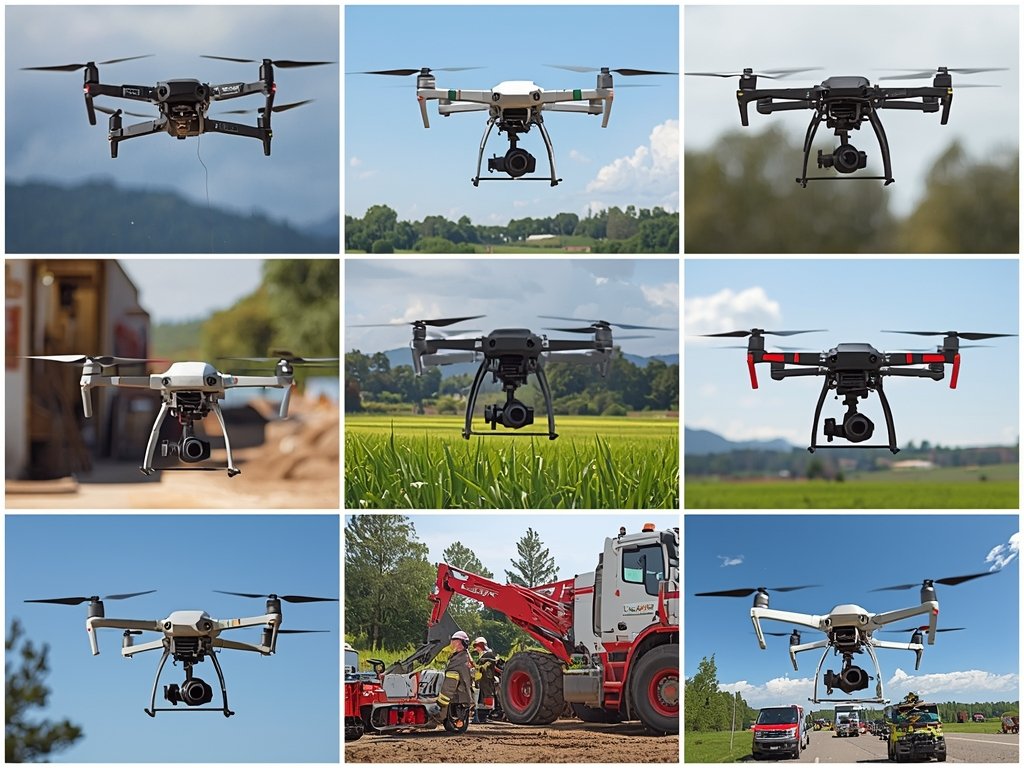
Heavy lift commercial drones are making a significant impact in numerous industries across the United States. Here are some notable examples:
Construction and Infrastructure
In the construction industry, heavy lift drones are used for site surveys, progress monitoring, and material transportation. They can quickly deliver tools, equipment, and supplies to workers on-site, reducing downtime and increasing efficiency. Notable projects, such as the rebuilding of California’s Oroville Dam, have showcased the potential of heavy lift drones in large-scale infrastructure projects.
Agriculture and Forestry
Farmers and foresters are using heavy lift drones for crop spraying, seeding, and monitoring. These drones can cover large areas quickly, reducing the need for manual labor and increasing crop yields. In states like Iowa and Nebraska, heavy lift drones are being used to combat pests and diseases, protecting valuable crops and ensuring food security.
Choosing the Right Heavy Lift Drone for Your Business
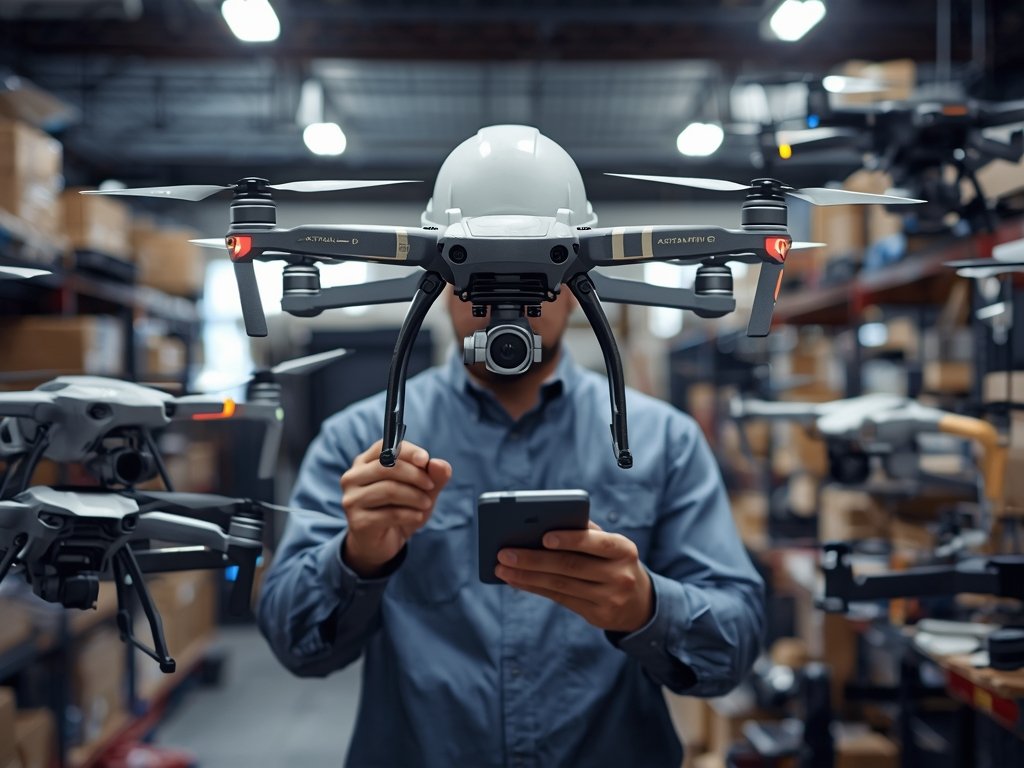
Selecting the right heavy lift drone for your business requires careful consideration of several factors. Here’s what to keep in mind:
Payload and Capacity
Determine the maximum payload your drone needs to carry and choose a model that exceeds this requirement. Consider the weight of additional equipment, such as cameras or sensors, when calculating your payload needs.
Flight Time and Range
Evaluate the flight time and range required for your operations. If you need to cover large areas or operate in remote locations, opt for a drone with extended flight times and long-range capabilities.
Regulatory Compliance
Ensure that your heavy lift drone complies with Federal Aviation Administration (FAA) regulations, including Part 107 rules for commercial drone operations. Obtain necessary certifications and licenses to operate your drone legally.
Overcoming Challenges and Ensuring Safety

Operating heavy lift commercial drones comes with unique challenges and safety considerations. Here’s how to navigate these aspects:
Maintenance and Inspections
Regular maintenance and inspections are crucial to ensuring the safety and reliability of your heavy lift drone. Establish a comprehensive maintenance schedule and conduct thorough inspections before and after each flight.
Pilot Training and Certification
Invest in proper training and certification for your drone pilots. The FAA requires commercial drone pilots to obtain a Remote Pilot Certificate, which involves passing a knowledge test and meeting specific requirements.
Risk Mitigation and Insurance
Implement risk mitigation strategies, such as pre-flight checklists and emergency procedures, to minimize potential hazards. Obtain adequate insurance coverage for your heavy lift drone operations, including liability and hull insurance.
The Future of Heavy Lift Drones in the US
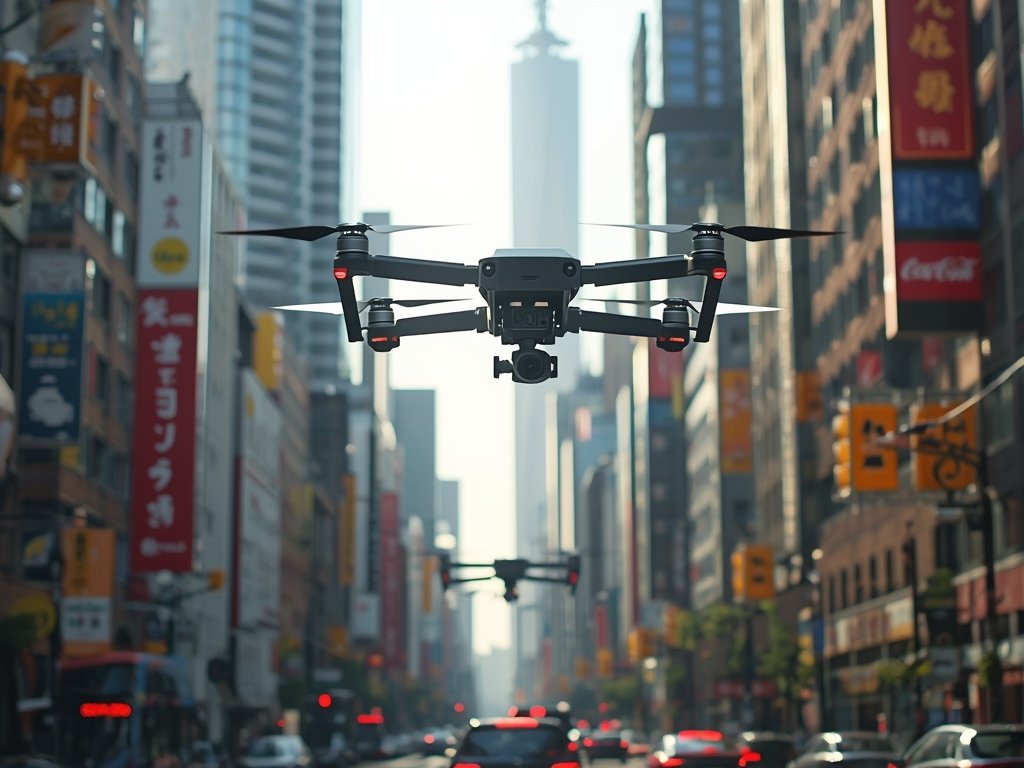
As heavy lift commercial drones continue to evolve, we can expect to see even more innovative applications and advancements. The FAA’s ongoing efforts to integrate drones into the national airspace system will further expand the possibilities for these aerial workhorses.
Emerging Trends and Technologies
- Autonomous Flight: Advances in autonomous flight technology will enable heavy lift drones to operate more efficiently and safely.
- Hybrid Power Systems: The development of hybrid power systems will extend flight times and increase payload capacities.
- Advanced Sensors and Analytics: Improved sensors and analytics will enhance the capabilities of heavy lift drones, enabling more precise and efficient operations.
FAQ
What is the maximum payload capacity of a heavy lift drone?
Heavy lift drones can carry payloads exceeding 50 pounds, with some models capable of transporting even heavier loads.
How long can a heavy lift drone fly?
Flight times vary depending on the model, but most heavy lift drones can fly for 30-60 minutes, with some offering extended flight times of up to 90 minutes.
What industries benefit most from heavy lift drones?
Industries such as construction, agriculture, logistics, and emergency response benefit significantly from heavy lift drones due to their ability to transport heavy loads and cover large areas.
Do I need a license to operate a heavy lift drone commercially?
Yes, you need to obtain a Remote Pilot Certificate from the FAA to operate a heavy lift drone commercially, in accordance with Part 107 regulations.
How can I ensure the safety of my heavy lift drone operations?
Regular maintenance, pilot training, risk mitigation strategies, and adequate insurance coverage are essential for ensuring the safety of your heavy lift drone operations.
Join Our Pilot Community
Connect with fellow drone enthusiasts, share your aerial shots, and get access to free PDF ebook guides.