
Mastering the Skies: Your Ultimate FPV Drone Tuning Guide for Racing
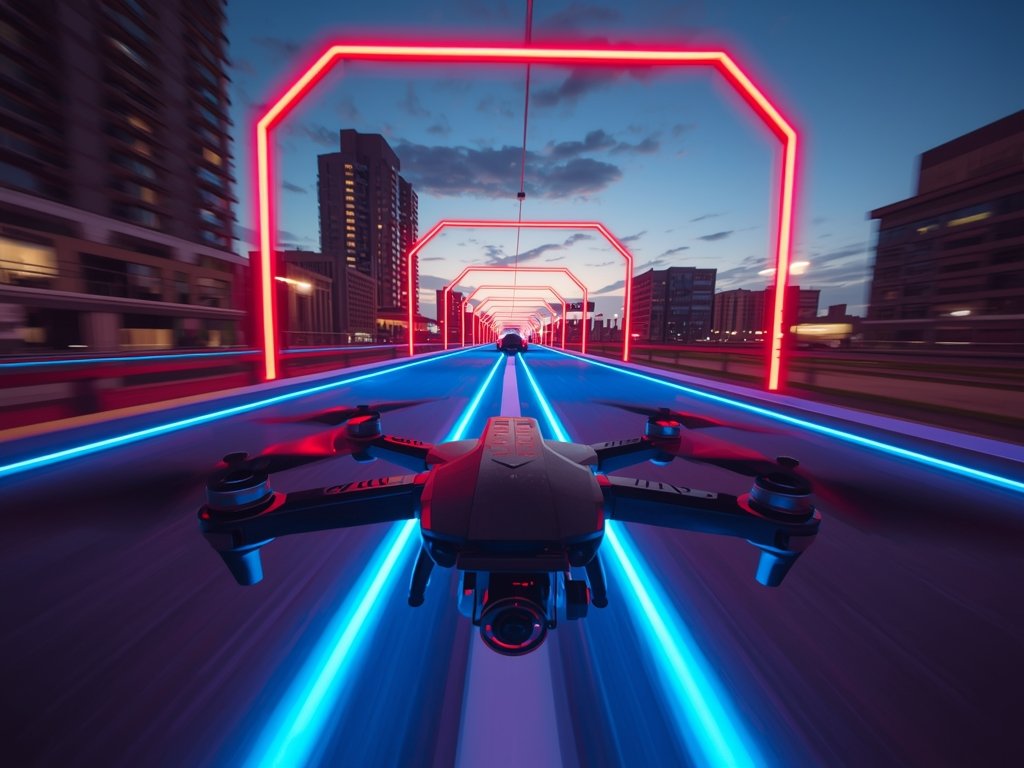
FPV drone racing is more than a hobby—it’s a thrilling sport that demands precision, speed, and a finely tuned machine. Whether you’re a seasoned pilot or a newcomer to the scene, mastering drone tuning is the key to dominating the skies. This guide will walk you through everything you need to know to optimize your FPV drone for racing, from PID tuning to gear selection, tailored for the fast-paced world of American drone racing.
The Basics: Understanding Your FPV Drone
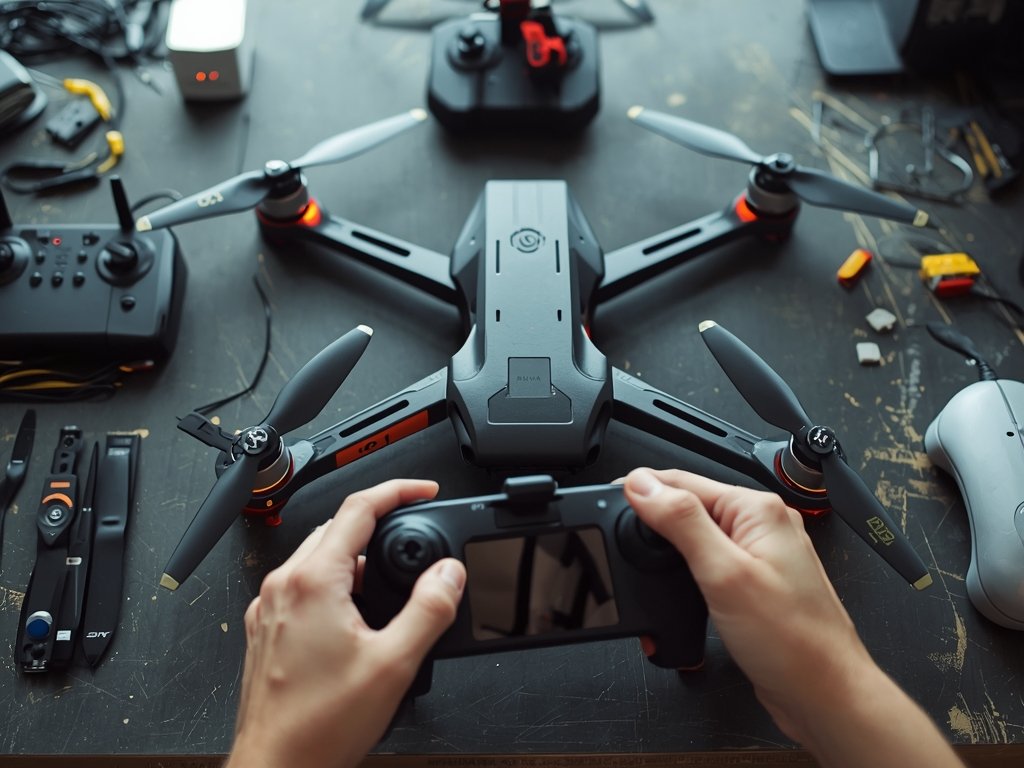
Before diving into tuning, it’s crucial to understand the core components of your FPV drone. The flight controller is the brain, the motors are the muscles, and the propellers are the wings. Each plays a vital role in how your drone performs. Familiarize yourself with these parts to make informed tuning decisions.
American pilots often prefer lightweight, agile setups for navigating tight courses. Ensure your drone’s frame is durable yet light, and choose motors and propellers that balance speed and control. Remember, in racing, every gram counts.
Key Components to Focus On
- Flight Controller: The central hub for all tuning adjustments.
- Motors: Determine acceleration and responsiveness.
- Propellers: Affect speed, efficiency, and handling.
PID Tuning: The Heart of Drone Performance
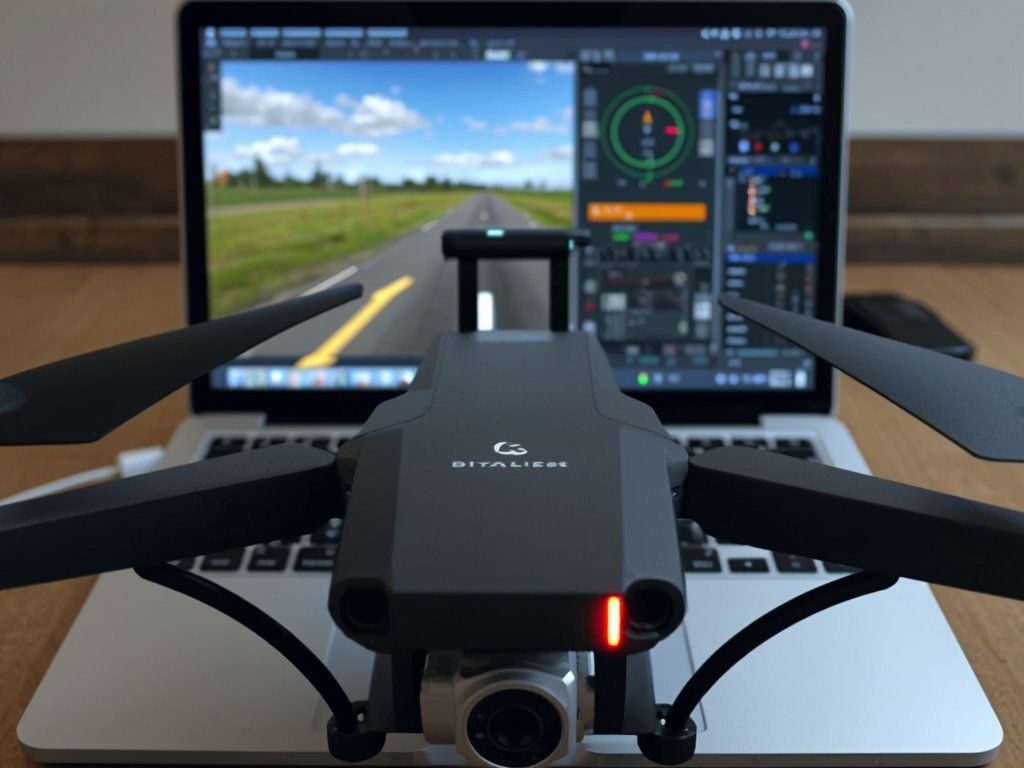
PID (Proportional, Integral, Derivative) tuning is where the magic happens. It’s how you fine-tune your drone’s stability and responsiveness. Start with a solid baseline, then adjust the P, I, and D values incrementally. Over-tuning can lead to oscillations, while under-tuning results in sluggish performance.
For U.S. pilots, courses often feature sharp turns and high-speed straights. Aim for a setup that’s snappy yet stable. Use tools like Betaflight or iNav to monitor and adjust your PID values in real-time. Practice makes perfect—test your drone in controlled environments before hitting the track.
Pro Tips for PID Tuning
- Start Low: Begin with conservative values and gradually increase.
- Test Often: Small adjustments can have big impacts.
- Log Data: Use blackbox logging to analyze performance.
Gear Selection: Finding the Right Balance
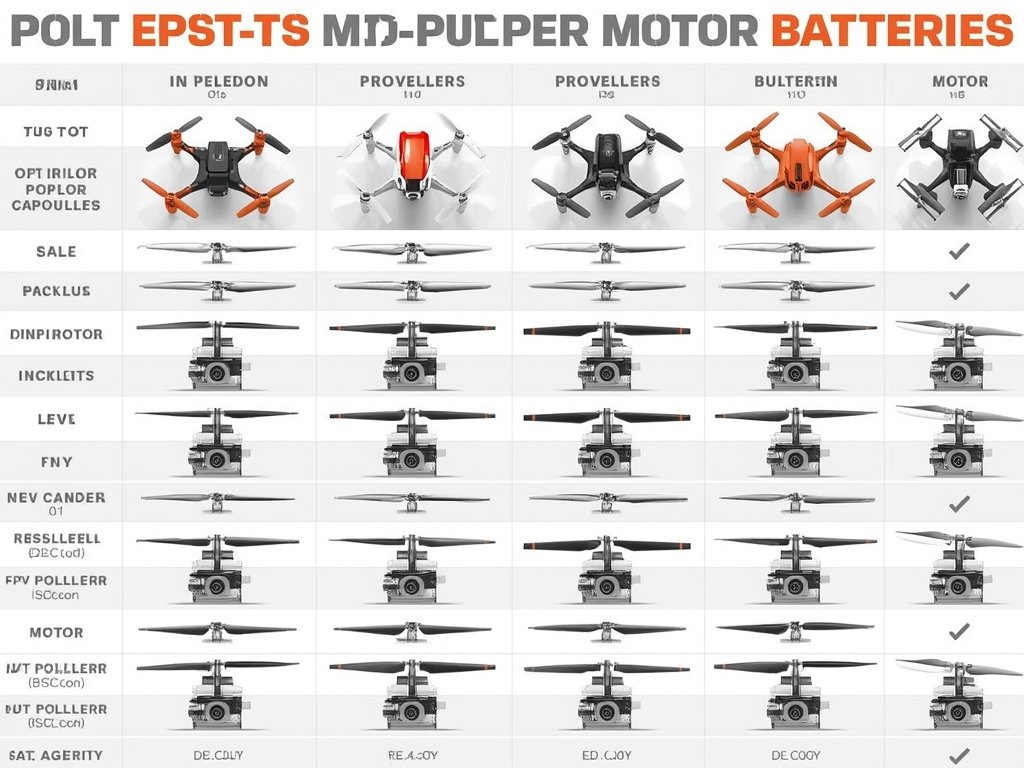
Choosing the right gear is as important as tuning. American racers often prioritize speed and agility, so select components that align with your flying style. High-KV motors are great for quick acceleration, while low-KV motors offer better efficiency.
Propellers are equally critical. Larger props provide more thrust but can reduce agility, while smaller props offer tighter control. Experiment with different combinations to find your sweet spot. Don’t forget the battery—a high-discharge LiPo will keep your drone powered through intense races.
Gear Recommendations for U.S. Racers
- Motors: 2205-2306 size, 2400-2700KV for a balance of speed and control.
- Propellers: 5-inch tri-blade props for versatility.
- Batteries: 4S 1300-1500mAh LiPo for extended flight times.
Advanced Techniques: Filters and Damping
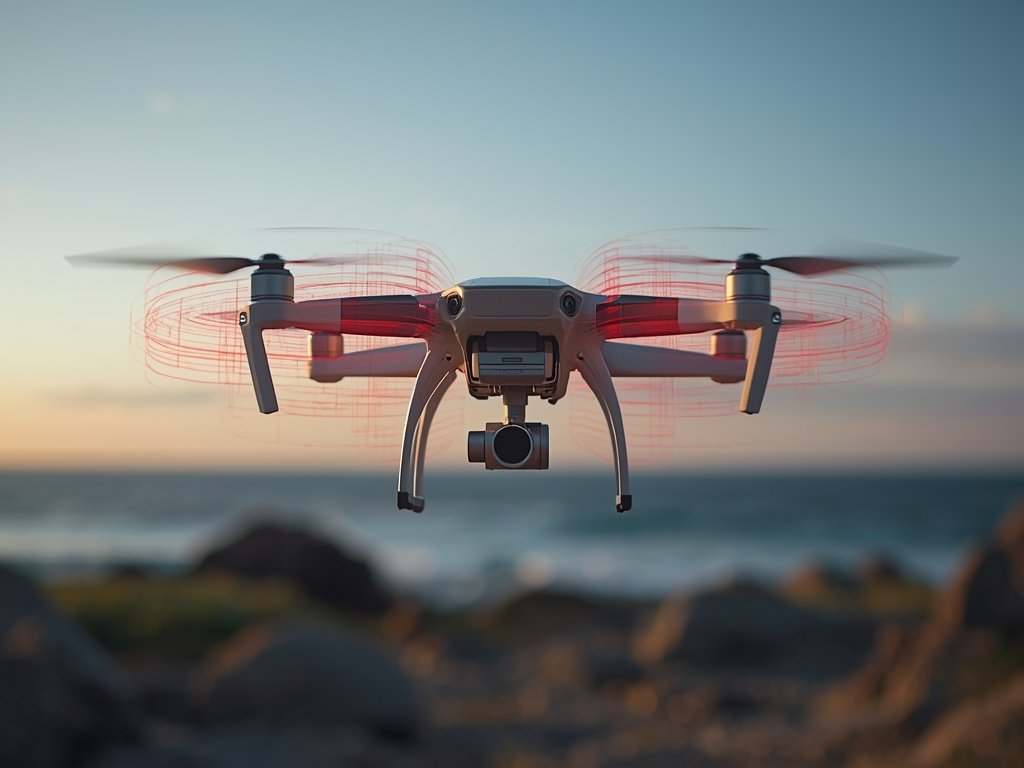
Once your PID tuning is dialed in, take your setup to the next level with advanced techniques. Vibration filtering is essential for smooth flights, especially on rough tracks. Use a vibration analysis tool to identify problem areas and apply filters accordingly.
Damping reduces oscillations and improves stability. Adjust your D-term notch filters to minimize motor noise. For U.S. pilots tackling diverse terrains, these tweaks can make the difference between a clean run and a crash.
Advanced Tuning Checklist
- Vibration Analysis: Use tools like Betaflight’s vibration analysis.
- Filter Tuning: Fine-tune D-term and gyro filters.
- Test in Real Conditions: Simulate race scenarios to validate settings.
Race Day Preparation: Final Checks and Tips
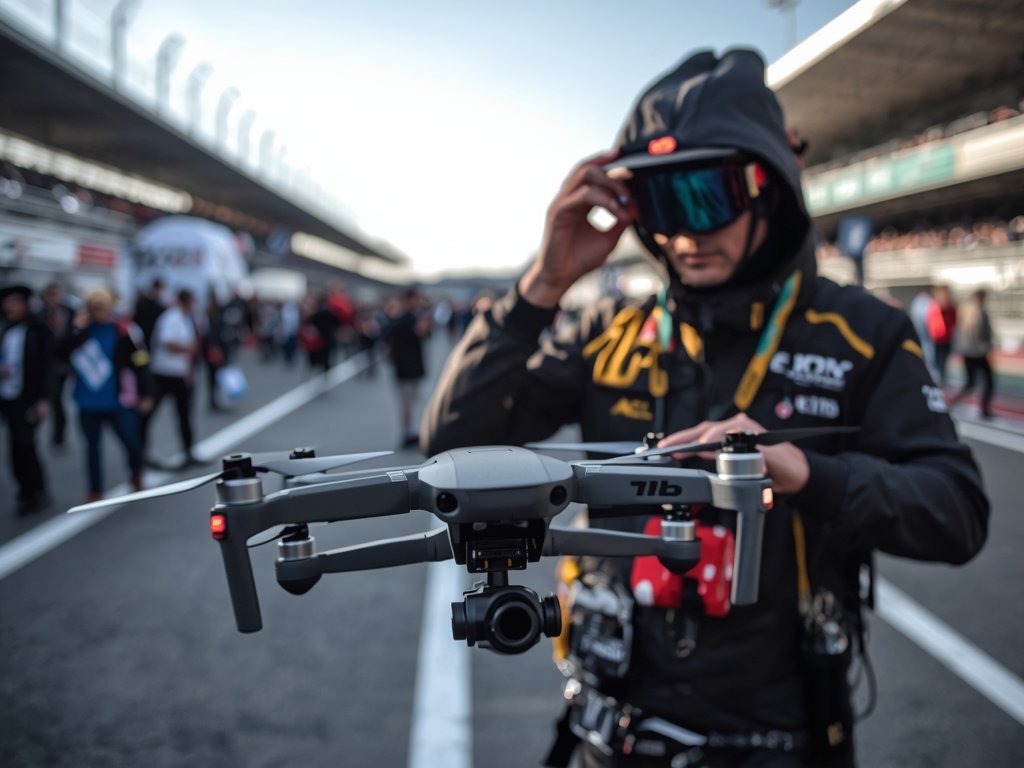
Race day is no time for surprises. Perform a thorough pre-flight check to ensure everything is in order. Inspect your drone for loose screws, damaged props, and secure battery connections. A well-maintained drone is a fast drone.
For U.S. racers, arriving early to familiarize yourself with the course is crucial. Take note of obstacles, gates, and potential shortcuts. Stay calm, focus on your line, and trust your tuning. Remember, consistency beats raw speed every time.
Race Day Essentials
- Pre-Flight Checklist: Batteries charged, props tight, and firmware updated.
- Course Familiarization: Walk the track to plan your strategy.
- Mental Prep: Stay focused and confident.
FAQ: Your FPV Drone Tuning Questions Answered
What’s the best starting point for PID tuning?
Begin with community-recommended baseline values for your drone’s weight and motor setup. Gradually adjust from there.
How often should I update my firmware?
Check for updates regularly, especially before major races. New firmware often includes performance improvements and bug fixes.
Can I use the same tuning for different tracks?
While a well-tuned drone performs well in most scenarios, minor adjustments may be needed for specific track conditions.
What’s the biggest mistake new pilots make in tuning?
Over-tuning. Small, incremental changes are key. Test each adjustment thoroughly before moving on.
How do I know if my drone is race-ready?
Test it in conditions similar to race day. If it handles smoothly and responds quickly, you’re good to go.
Join Our Pilot Community
Connect with fellow drone enthusiasts, share your aerial shots, and get access to free PDF ebook guides.