
Why FPV Drone Simulator Training is Your Secret Weapon
Imagine carving through a neon-lit canyon at 80 mph, your heart pounding as you navigate hairpin turns with precision. That’s the thrill of FPV drone racing, a sport exploding in popularity across the United States. But before you strap on your goggles and take to the skies, there’s a crucial step: simulator training.
Think of it as your virtual flight school. FPV drone simulators offer a risk-free, cost-effective way to hone your skills, build muscle memory, and develop the lightning-fast reflexes needed to dominate the track. Whether you’re a complete beginner or a seasoned pilot looking to shave seconds off your lap times, simulator training is your secret weapon.
Choosing the Right Simulator: Your Gateway to Virtual Skies
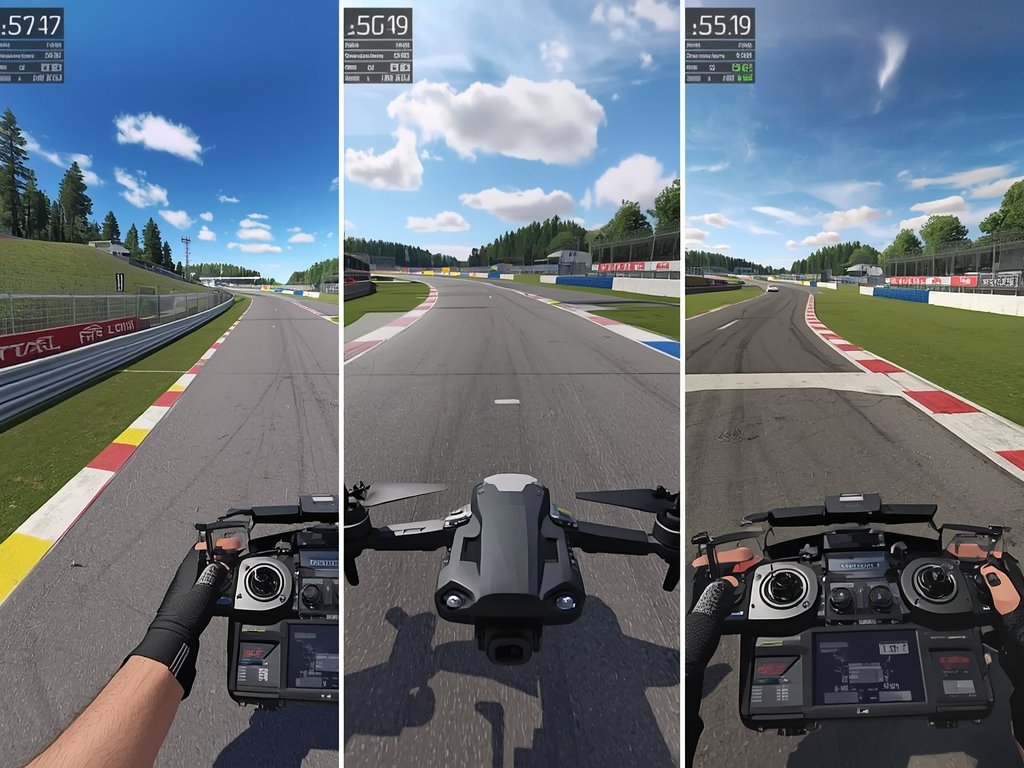
The FPV simulator market is buzzing with options, each catering to different needs and preferences. From free, open-source platforms to feature-rich, paid software, finding the right fit is key to maximizing your training.
Free Flight: Open-Source Options
For budget-conscious pilots, open-source simulators like VelociDrone and Liftoff offer a fantastic entry point. These community-driven projects boast active forums, customizable tracks, and a dedicated user base eager to share tips and tricks.
Premium Experience: Paid Powerhouses
If you’re serious about taking your skills to the next level, consider investing in a paid simulator like DRL Simulator or FPV Freerider. These premium options often feature more realistic physics, stunning graphics, and advanced training tools like telemetry analysis and ghost racing.
Hardware Matters: Elevate Your Experience
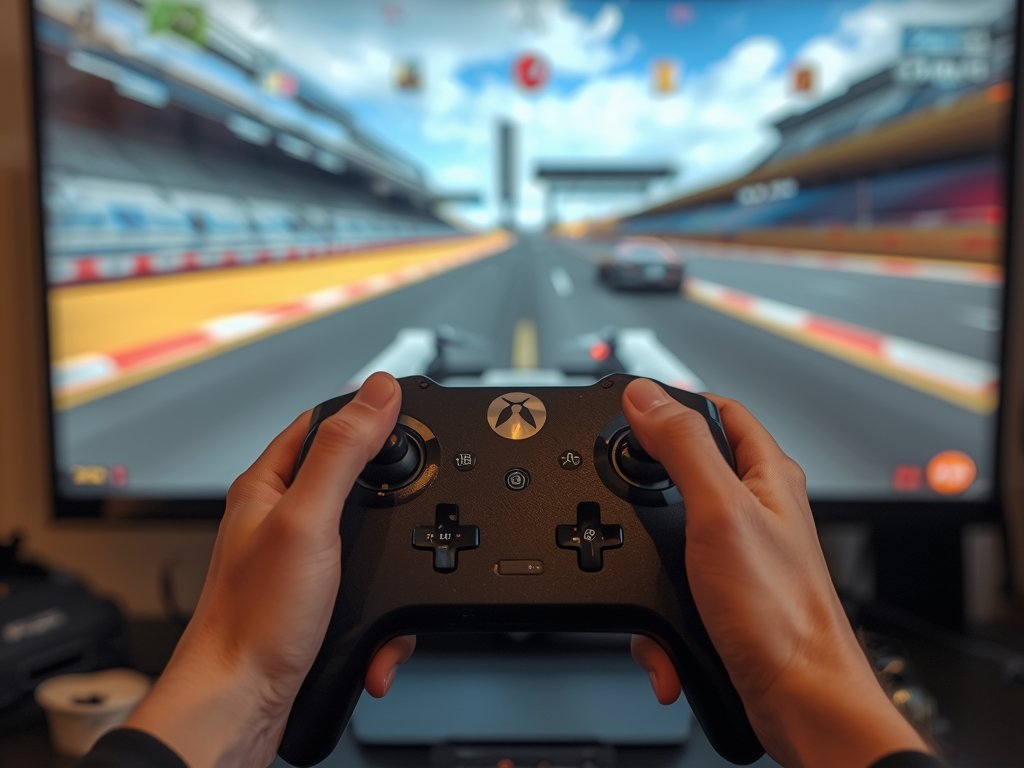
Don’t underestimate the importance of a good controller. A high-quality FPV drone transmitter, paired with a realistic simulator setup, can significantly enhance your training experience. Look for controllers with adjustable sticks, ergonomic design, and responsive buttons for precise control.
Mastering the Basics: From Takeoff to Precision Maneuvers
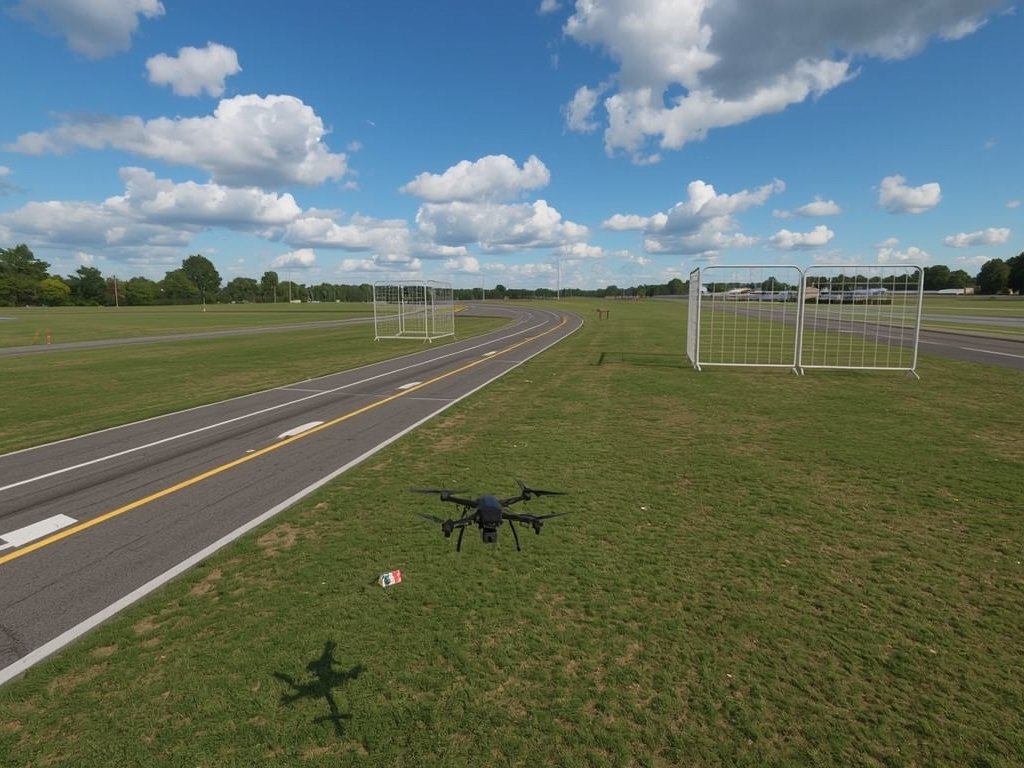
Before you attempt death-defying acrobatics, it’s crucial to master the fundamentals. Simulator training allows you to practice essential skills in a safe and controlled environment.
Takeoff and Landing: Smooth as Silk
Perfecting smooth takeoffs and landings is the foundation of every successful flight. Simulator training lets you practice these maneuvers repeatedly until they become second nature, building confidence and control.
Hovering and Positioning: The Art of Control
Learning to hover with precision is essential for navigating tight spaces and executing complex maneuvers. Simulators provide the perfect platform to refine your throttle control and develop a keen sense of spatial awareness.
Basic Maneuvers: Building Your Flight Vocabulary
From gentle turns to tight rolls and flips, simulators allow you to practice a wide range of maneuvers without the risk of crashing your real drone. Gradually increase the difficulty as your skills improve, building a solid foundation for more advanced techniques.
Racing Like a Pro: Strategies for Speed and Agility
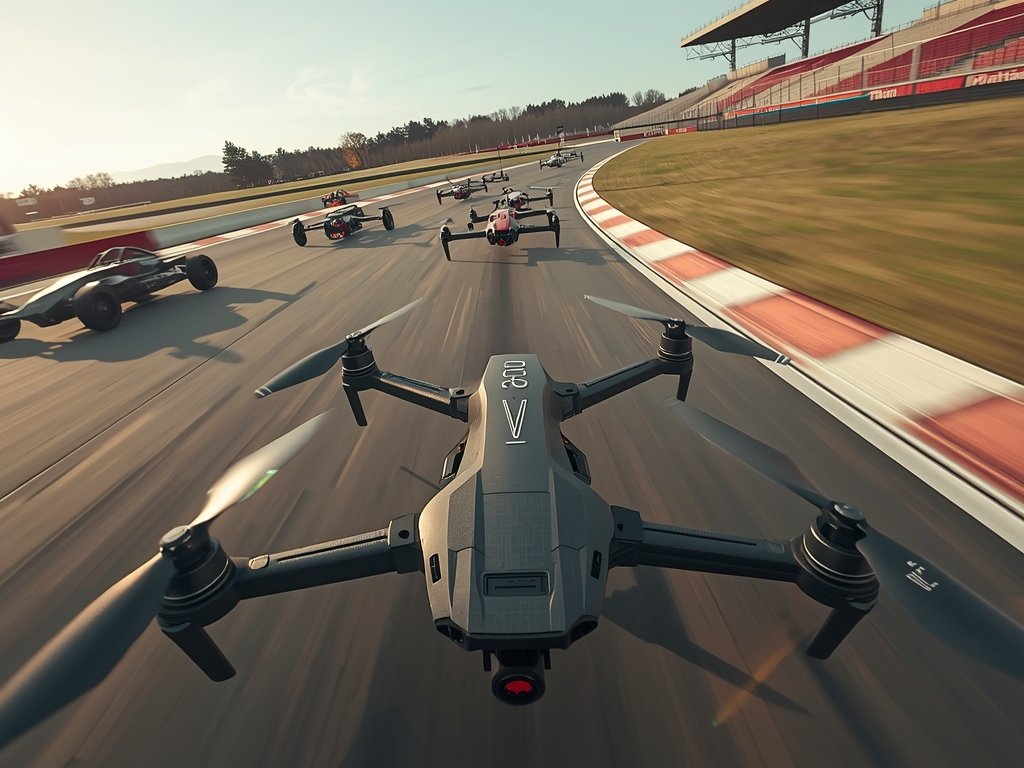
Once you’ve mastered the basics, it’s time to unleash your inner racer. Simulator training is the key to developing the speed, agility, and tactical thinking needed to dominate the competitive FPV scene.
Line Choice and Track Optimization: Finding the Fastest Path
Every track has its secrets. Simulators allow you to analyze different line choices, identify optimal entry and exit points, and discover hidden shortcuts. This strategic approach can shave precious seconds off your lap times.
Gate Precision and Obstacle Avoidance: Mastering the Course
FPV racing tracks are filled with gates and obstacles designed to test your skills. Simulator training lets you practice precise gate passes, develop obstacle avoidance techniques, and build the muscle memory needed to navigate challenging courses with confidence.
Race Strategy and Mental Focus: The Winning Edge
Racing isn’t just about speed; it’s about strategy and mental fortitude. Simulators provide a platform to practice race starts, manage your battery life, and develop the focus and concentration needed to perform under pressure.
Beyond the Track: Exploring the Versatility of Simulators
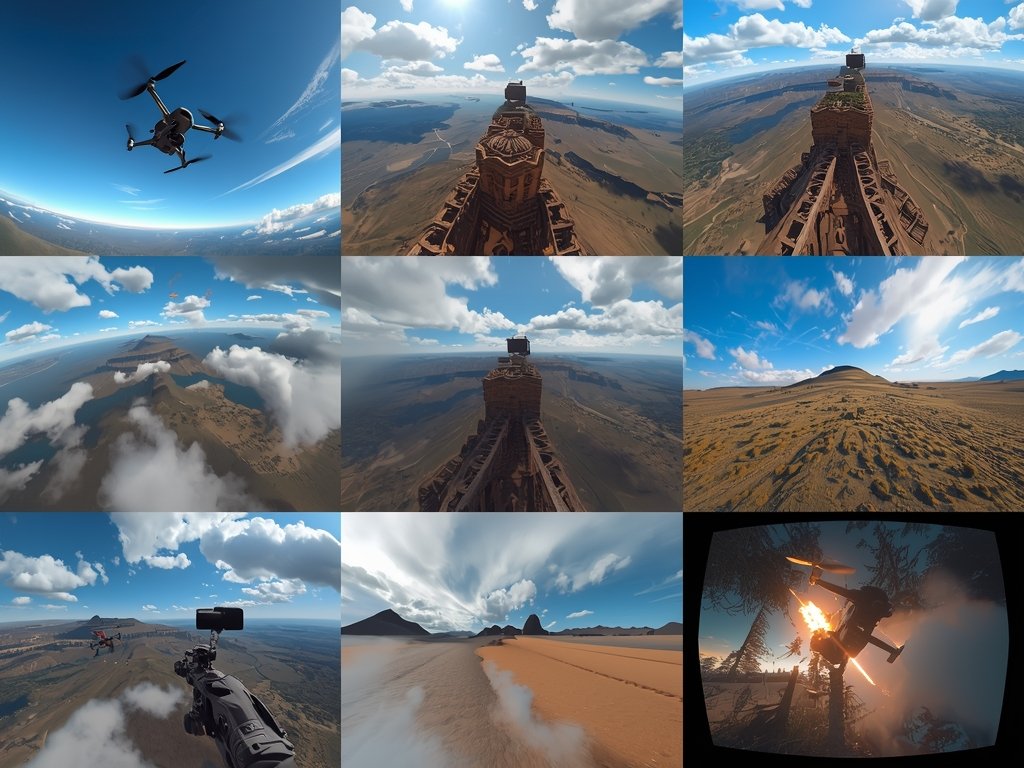
FPV drone simulators aren’t just for racing. They offer a gateway to a world of aerial possibilities, allowing you to explore different disciplines and expand your piloting skills.
Freestyle Flying: Unleash Your Creativity
Simulators provide the perfect playground for experimenting with freestyle maneuvers, from graceful flows to jaw-dropping tricks. Hone your creativity, develop your own unique style, and push the boundaries of what’s possible.
Cinematic Drone Filming: Capture Stunning Aerial Footage
Dream of capturing breathtaking aerial footage? Simulators let you practice smooth camera movements, framing techniques, and advanced flight paths, preparing you to capture stunning visuals with your real drone.
Drone Photography: Master the Art of Aerial Composition
Simulators can also be used to refine your drone photography skills. Experiment with different angles, lighting conditions, and compositions to capture stunning images from unique perspectives.
FAQ: Your FPV Simulator Training Questions Answered
How much time should I spend training on a simulator?
Consistency is key. Aim for regular practice sessions, even if they’re short. 30 minutes to an hour daily is a good starting point, gradually increasing as you progress.
Can simulator training replace real-world flying?
While simulators are invaluable for skill development, they can’t fully replicate the real-world experience. Think of them as a powerful supplement to your training, not a replacement for actual flight time.
What’s the best simulator for beginners?
For beginners, free, user-friendly options like VelociDrone or Liftoff are excellent choices. They offer a gentle learning curve and a supportive community to guide you.
How do I know if I’m ready to fly a real drone?
When you can consistently complete challenging simulator courses with precision and control, and feel confident in your abilities, you’re likely ready to take your skills to the real world. Always prioritize safety and start with a beginner-friendly drone in an open, obstacle-free area.
Join Our Pilot Community
Connect with fellow drone enthusiasts, share your aerial shots, and get access to free PDF ebook guides.