
The Ultimate FPV Drone Parts List for Your Custom Build
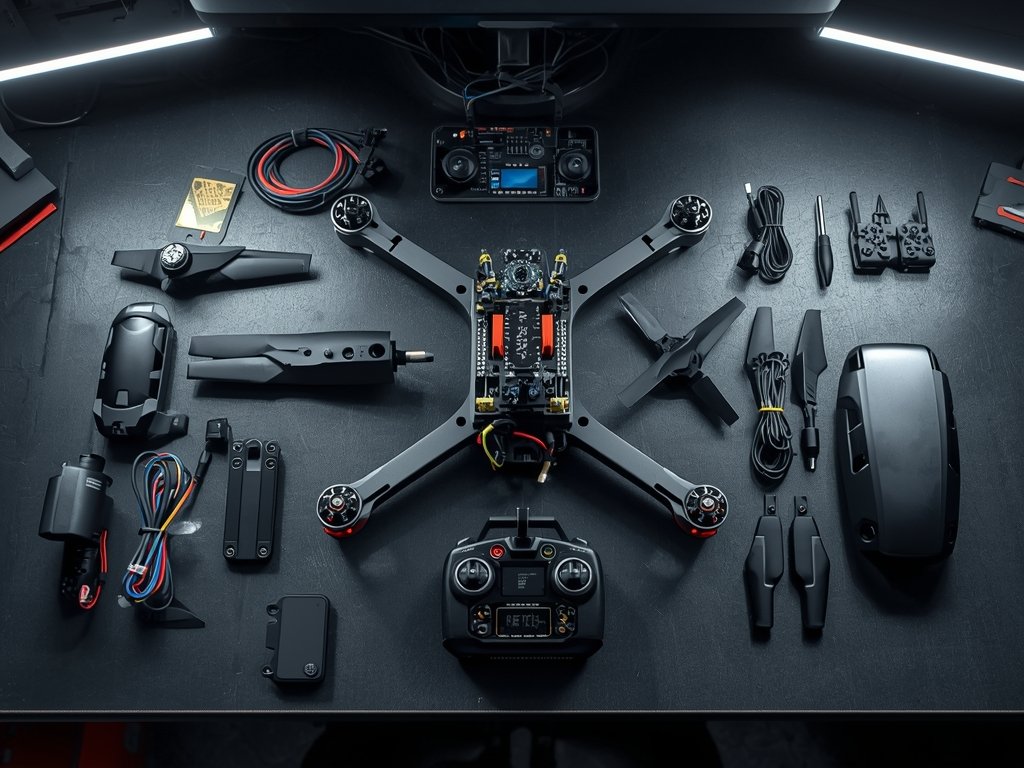
Building your own FPV drone is like crafting a high-performance sports car—every part matters. Whether you’re a seasoned pilot or a beginner, this guide breaks down the essential components you’ll need for a custom FPV drone build. From frames to flight controllers, we’ve got you covered with expert tips tailored for U.S. drone enthusiasts.
1. The Backbone: Frame and Chassis
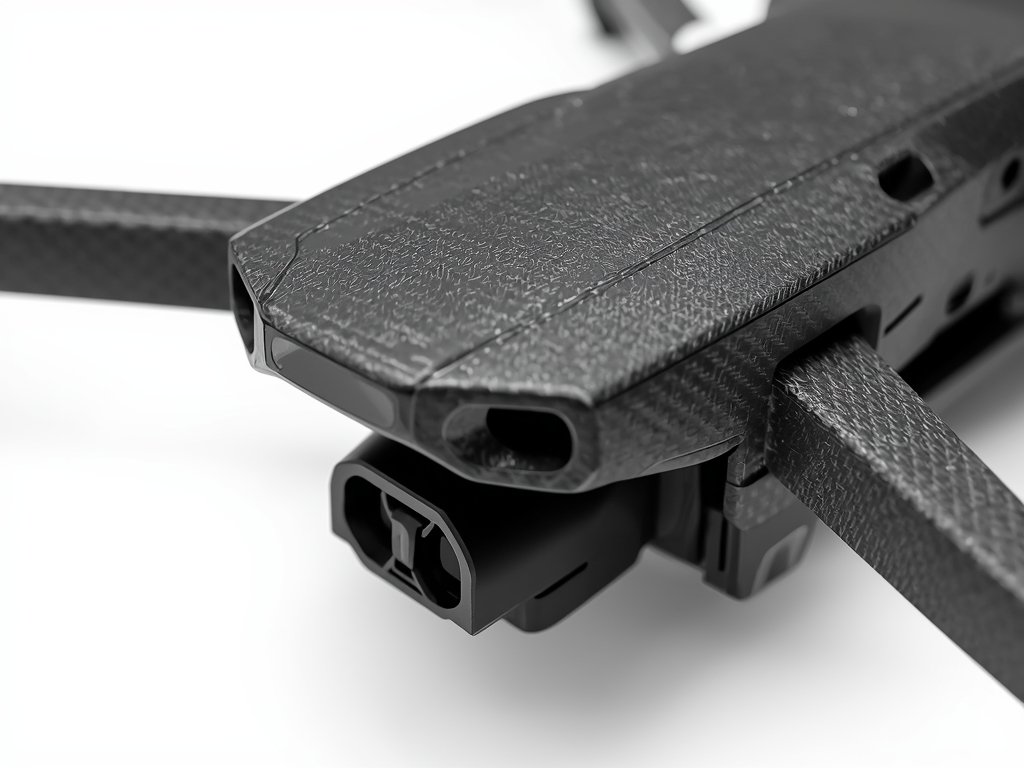
The frame is the foundation of your drone. It determines durability, weight, and flight performance. For U.S. pilots, where racing and freestyle flying are popular, a lightweight yet sturdy frame is key.
Types of Frames
- True-X Frames: Ideal for racing, offering balanced stability and agility.
- H-Frames: Great for freestyle, providing better prop visibility during tricks.
- Deadcat Frames: Perfect for cinematic shots, with a stretched-out design for smooth footage.
Look for frames made from carbon fiber—it’s lightweight and can handle the rough landings common in U.S. drone racing leagues.
2. Power Up: Motors and ESCs
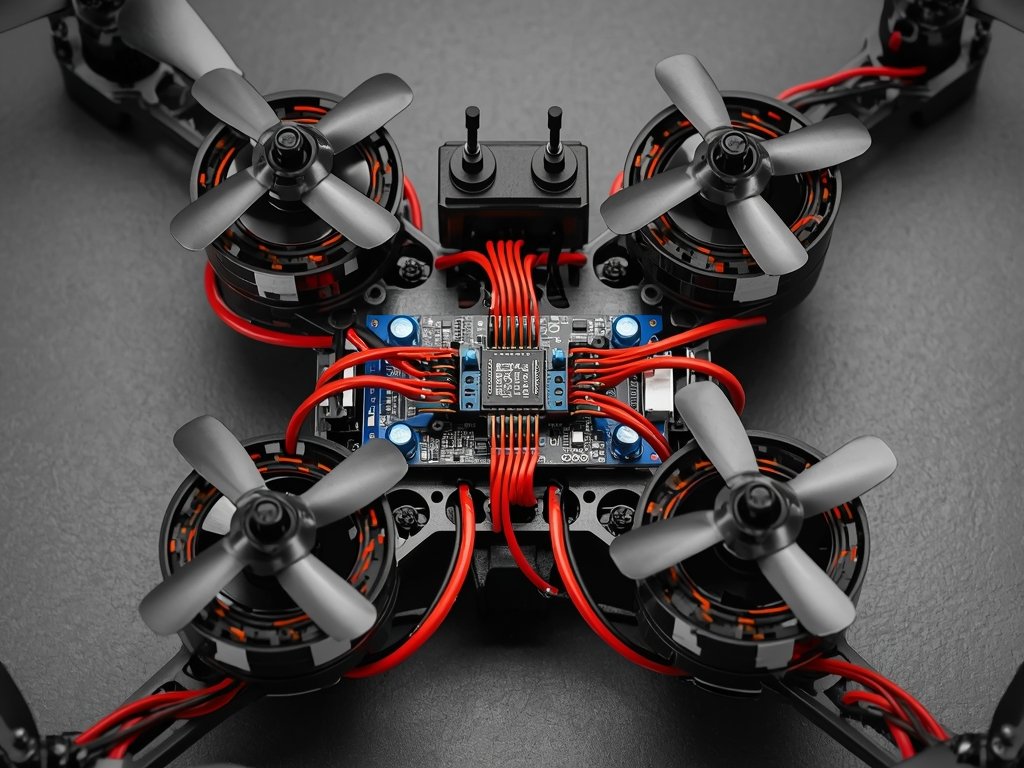
Motors and Electronic Speed Controllers (ESCs) are the heart of your drone’s power system. They dictate speed, responsiveness, and overall performance.
Choosing Motors
For racing, go for high-KV motors (2200-2600 KV) for quick acceleration. Freestyle pilots might prefer lower KV motors (1800-2200 KV) for sustained power during tricks.
ESCs: The Unsung Heroes
ESCs regulate motor speed and protect against overcurrent. Opt for 4-in-1 ESCs for a cleaner build and better synchronization. Ensure they’re rated for your motor’s amperage to avoid mid-flight failures.
3. Brains of the Operation: Flight Controller
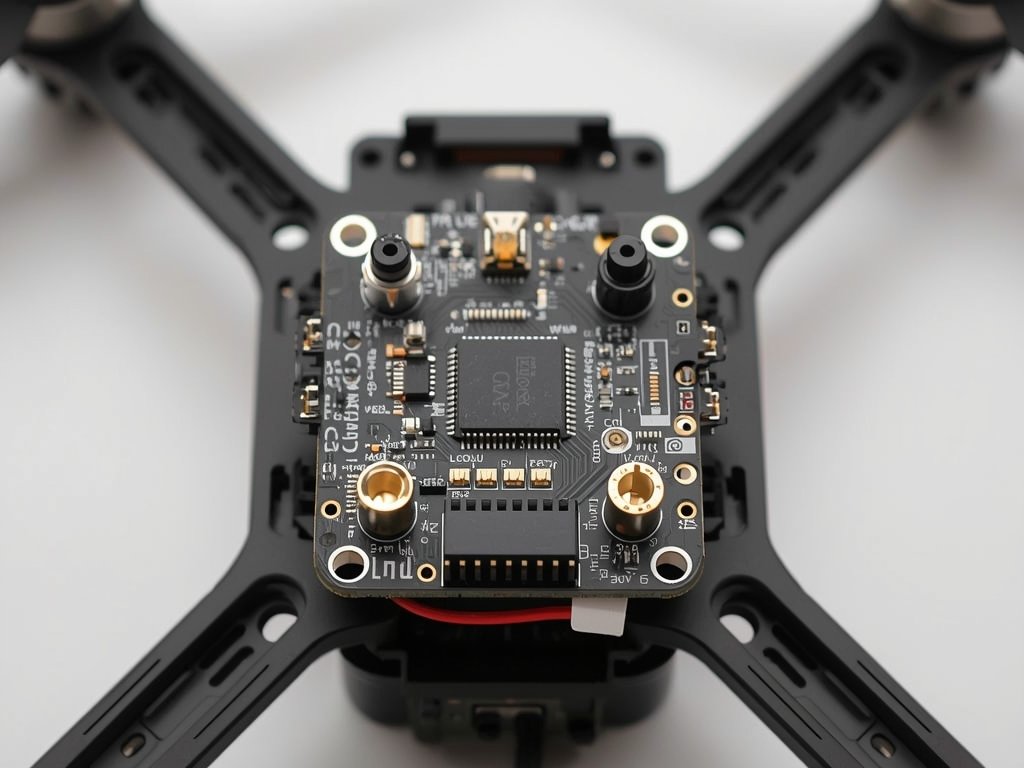
The flight controller (FC) is your drone’s brain, processing sensor data and pilot inputs. A reliable FC is crucial for smooth flights and advanced features like GPS or OSD (On-Screen Display).
Key Features to Look For
- Processor: F4 or F7 processors offer faster processing for better stability.
- Gyro: A high-quality gyro ensures precise flight control.
- Firmware: Betaflight is the go-to firmware for U.S. pilots, offering extensive customization.
Popular brands like DJI and Holybro are trusted by U.S. drone communities for their reliability and performance.
4. Eyes in the Sky: FPV Camera and VTX
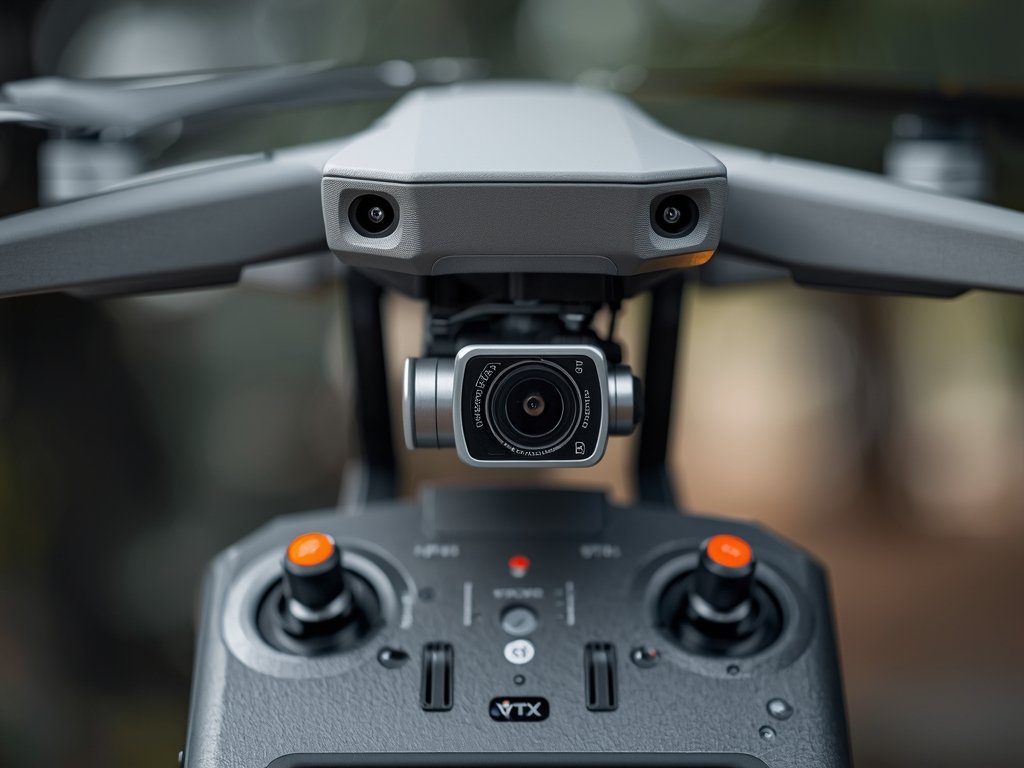
The FPV camera and video transmitter (VTX) are your windows to the drone’s perspective. A clear, low-latency feed is essential for both racing and freestyle flying.
Camera Selection
Go for a camera with a wide field of view (FOV) and adjustable settings. The Caddx Dolphin or RunCam Phoenix are popular choices among U.S. pilots for their clarity and durability.
VTX: Power and Range
Choose a VTX with adjustable power levels (25mW to 800mW) to comply with U.S. regulations. A smart audio feature allows easy frequency switching via your radio controller.
5. Power Source: Battery and Charger
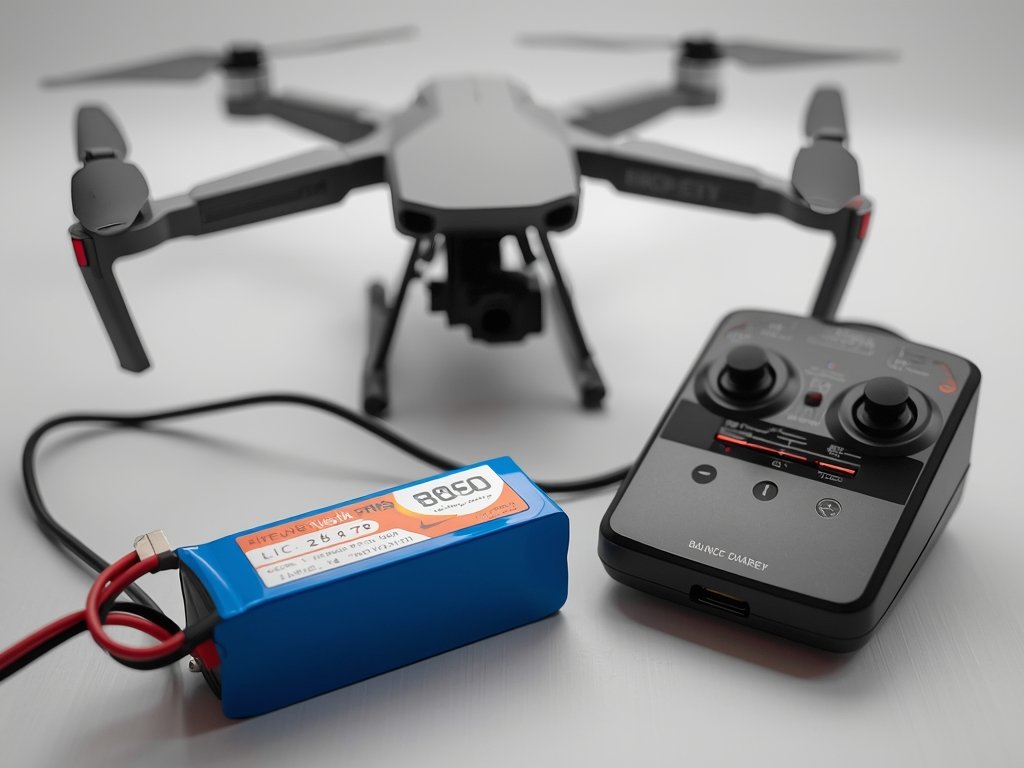
The battery is your drone’s lifeblood. A high-quality LiPo (Lithium Polymer) battery ensures longer flight times and consistent power delivery.
Battery Basics
- Capacity: 1300mAh to 1800mAh is ideal for racing; freestyle pilots might opt for higher capacities.
- C-Rating: A higher C-rating means faster discharge rates, essential for high-performance flights.
Charging Safely
Invest in a reliable balance charger with a built-in power supply. Always use a LiPo-safe bag for charging to prevent accidents—a must-have for U.S. drone enthusiasts.
6. Control Hub: Radio Transmitter and Receiver

Your radio transmitter (TX) and receiver (RX) are the bridge between you and your drone. A responsive, ergonomic setup enhances your flying experience.
Transmitter Features
- Channels: At least 6 channels are needed for basic control; 16 channels allow for advanced features.
- Ergonomics: Look for transmitters with adjustable sticks and grips for comfort during long flights.
Receiver Compatibility
Ensure your receiver supports your transmitter’s protocol (e.g., FrSky, Crossfire). A diversity receiver improves signal reliability, crucial for U.S. pilots flying in urban areas.
FAQ
What’s the best frame material for durability?
Carbon fiber is the top choice for its lightweight and durable properties, ideal for U.S. racing conditions.
How do I choose the right motor KV?
Higher KV (2200-2600) is best for racing, while lower KV (1800-2200) suits freestyle flying.
Can I use any battery for my drone?
No, always use LiPo batteries with the correct capacity and C-rating for your drone’s power needs.
What’s the difference between F4 and F7 flight controllers?
F7 controllers offer faster processing and more features, making them ideal for advanced U.S. pilots.
How do I comply with U.S. drone regulations?
Ensure your VTX operates within legal power limits (25mW to 1W) and register your drone with the FAA if it weighs over 0.55 lbs.
Join Our Pilot Community
Connect with fellow drone enthusiasts, share your aerial shots, and get access to free PDF ebook guides.