
The Sky’s the Limit: FAA’s Bold New BVLOS Rules Take Flight
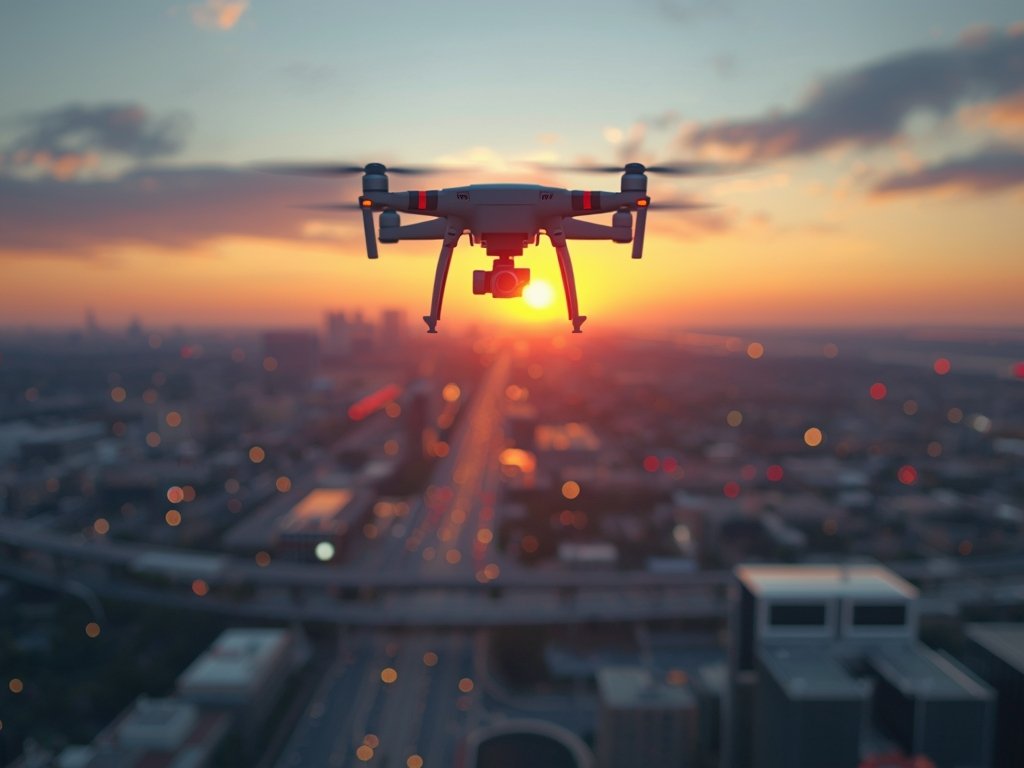
The Federal Aviation Administration (FAA) has just unveiled a game-changing update to its regulations, and it’s sending shockwaves through the drone industry. Part 108 of the FAA’s rules, which governs small unmanned aircraft systems (sUAS), has been revised to include new provisions for beyond visual line of sight (BVLOS) operations. This shift is a big deal, and it’s going to reshape the way drones are used across the United States.
Unleashing the Potential: What BVLOS Really Means
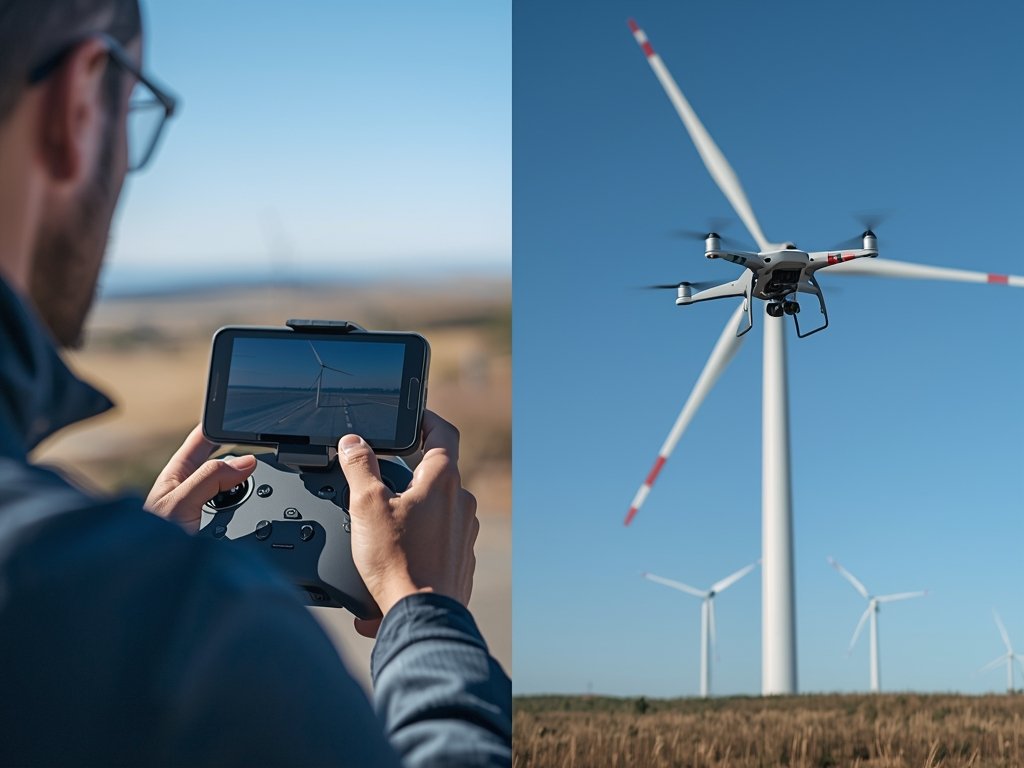
So, what exactly is BVLOS? In simple terms, it refers to drone operations where the aircraft flies beyond the pilot’s visual line of sight. This might sound like a small technicality, but it’s a significant milestone. Until now, most commercial drone operations have been limited to visual line of sight (VLOS), which restricts flights to a few hundred feet from the operator.
BVLOS opens up a world of possibilities. Drones can now inspect infrastructure, monitor crops, and deliver goods over much greater distances. Think of it as unleashing the full potential of drone technology, allowing them to operate more like traditional aircraft.
A New Era for American Skies: The 2026 Rule Changes

Key Updates in Part 108
The FAA’s 2026 update to Part 108 is a comprehensive overhaul, addressing various aspects of BVLOS operations. Here are some of the most notable changes:
- Expanded Operational Limits: Drones can now fly farther and higher, with increased altitude and distance limits, enabling more ambitious missions.
- Risk-Based Approach: The FAA introduces a risk-based framework, allowing operators to assess and mitigate risks for specific BVLOS operations.
- Remote Identification: Enhanced remote ID requirements ensure drones can be identified and tracked, even when out of sight.
- Safety Management Systems: Operators must implement safety management systems to monitor and improve BVLOS safety.
Impact on Industries

These rule changes will have a profound impact on numerous sectors. Agriculture, for instance, can now deploy drones for large-scale crop monitoring and spraying. Energy companies can inspect pipelines and power lines more efficiently. Logistics firms are eyeing BVLOS for last-mile deliveries, while emergency services see potential in rapid disaster zone assessments.
Navigating the New Rules: What Drone Operators Need to Know
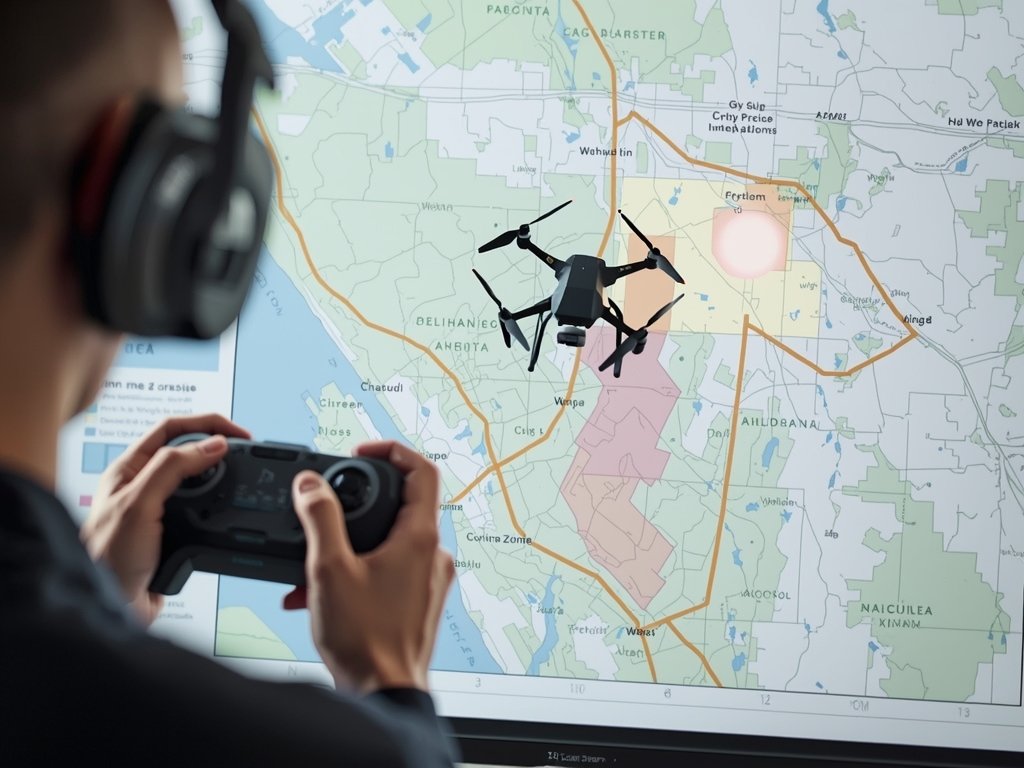
With great freedom comes great responsibility. Drone operators must navigate a new set of requirements to ensure safe and legal BVLOS flights.
Certification and Training
The FAA mandates specific certifications for BVLOS operations. Operators will need to obtain a remote pilot certificate and complete additional training focused on risk assessment and mitigation. This ensures a high level of competence for these more complex operations.
Operational Planning
Meticulous planning is crucial. Operators must develop comprehensive operational plans, considering factors like airspace restrictions, weather conditions, and potential hazards. The FAA provides guidelines, but the onus is on operators to ensure safe flights.
Safety First: FAA’s Focus on Risk Mitigation
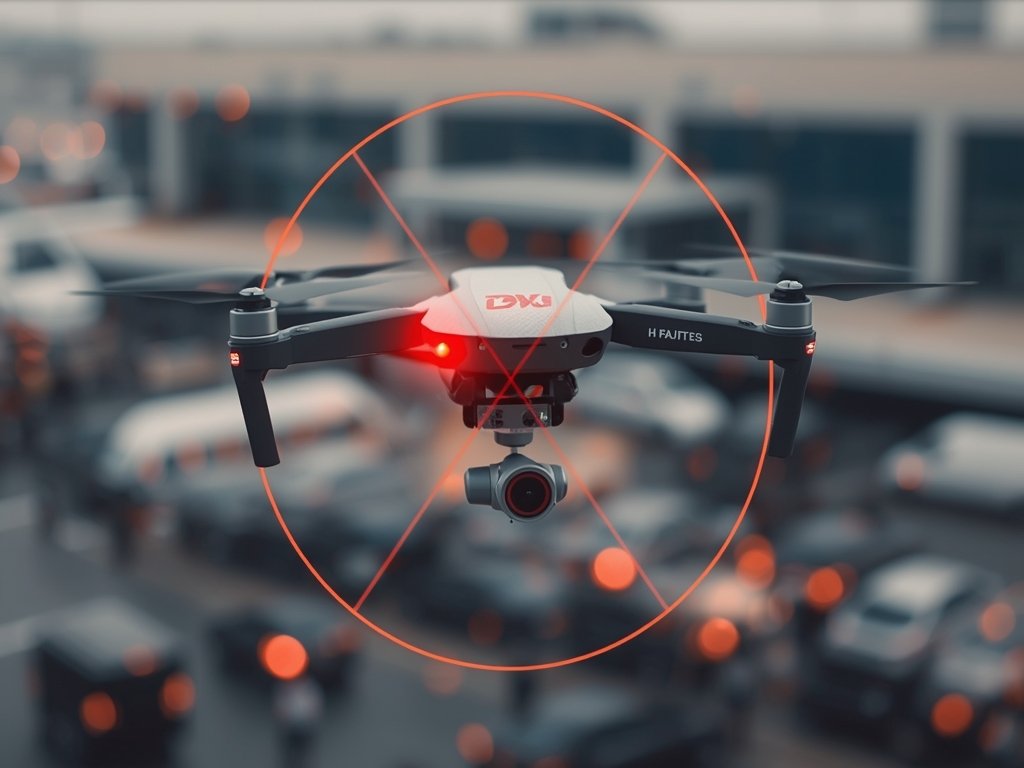
The FAA’s risk-based approach is a cornerstone of the new regulations. By focusing on risk mitigation, the FAA aims to ensure that BVLOS operations are conducted safely, even in complex environments.
Detect and Avoid Systems
One key aspect is the use of detect and avoid (DAA) systems. These technologies enable drones to sense and avoid obstacles, including other aircraft. The FAA requires DAA systems for certain BVLOS operations, particularly in controlled airspace.
Real-World Testing
The FAA has been working closely with industry partners to test BVLOS operations in real-world scenarios. These trials have provided valuable insights into the practical challenges and safety considerations, shaping the final rulemaking process.
The Road Ahead: Challenges and Opportunities
As the drone industry embraces BVLOS, it faces both challenges and unprecedented opportunities.
Infrastructure and Technology
The expansion of BVLOS operations will drive demand for advanced infrastructure and technology. This includes improved communication networks, more sophisticated drones, and robust data management systems. The industry is rising to the challenge, with innovations in drone design and connectivity.
Public Perception and Privacy
As drones become more prevalent, public perception and privacy concerns will be critical. The FAA and industry must work together to educate the public and address privacy issues, ensuring that BVLOS operations are accepted and trusted.
FAQ: Your BVLOS Questions Answered
What are the main benefits of BVLOS operations?
BVLOS allows drones to cover greater distances and access hard-to-reach areas, enabling more efficient inspections, deliveries, and data collection. This expands the commercial applications of drones, benefiting industries like agriculture, energy, and logistics.
How does the FAA ensure safety in BVLOS flights?
The FAA mandates risk assessments, safety management systems, and detect-and-avoid technologies for BVLOS operations. Operators must also obtain specific certifications and follow detailed operational planning guidelines to ensure safe flights.
What kind of drones are suitable for BVLOS?
Drones used for BVLOS operations typically have advanced features like long-range communication, robust navigation systems, and, in some cases, detect-and-avoid capabilities. The specific requirements depend on the operation’s complexity and risk level.
Can BVLOS drones fly over people and urban areas?
The FAA has strict rules regarding flights over people and in urban areas. While BVLOS operations may be permitted in these environments, they require thorough risk assessments and often involve additional safety measures, such as geofencing and real-time monitoring.
How will BVLOS impact the drone industry’s growth?
BVLOS is expected to fuel significant growth in the drone industry. By enabling more complex and valuable operations, it opens up new markets and revenue streams. This will drive investment, innovation, and job creation across the drone ecosystem.
Join Our Pilot Community
Connect with fellow drone enthusiasts, share your aerial shots, and get access to free PDF ebook guides.